Are Bowfin Good to Eat?
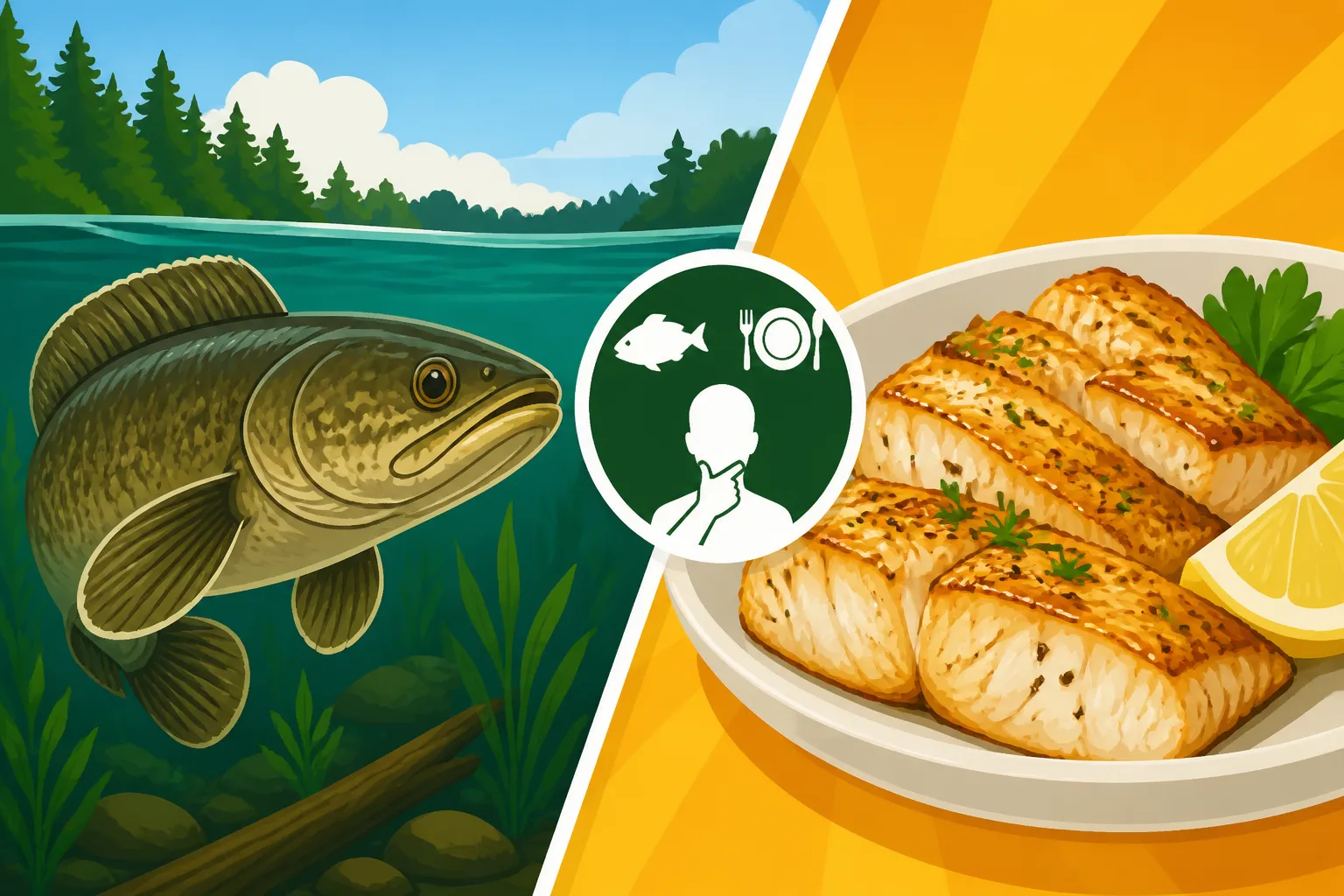
The curiosity about trying less common fish species is natural, but when it comes to the bowfin, also known as dogfish or mudfish, many Minnesota anglers are understandably hesitant, often hearing tales of mushy, unappetizing flesh. It's a shame, really, because this powerful, prehistoric fish often gets overlooked due to misunderstanding and improper preparation. This guide is here to cut through the myths and show you exactly how, with a little extra care, a Minnesota bowfin can actually be a surprisingly delicious meal.
The Long-Standing Mystery of the Bowfin on the Dinner Plate
For generations, the bowfin has been branded as a "trash fish" across much of its range, including here in Minnesota. This reputation isn't entirely unfounded, but it's largely due to a lack of knowledge on how to properly handle and prepare them. Many folks simply toss them back, or worse, mishandle them, reinforcing the negative stereotype. Let's dig into why these misunderstood fish got such a bad rap and what the real story is.
Why Bowfin Get a Bad Rap And Sometimes Deservedly So
The nicknames alone tell a story: "dogfish" for their sharp teeth and aggressive fight, and "mudfish" because they're often found in murky, weedy, warm shallow waters. These environments can certainly influence a fish's flavor and texture. If you've ever caught a bowfin on a hot summer day and just tossed it in a bucket with no ice, then taken it home hours later to fillet, you’ve likely experienced the rubbery, sometimes mushy, and often strong-flavored flesh that gives them their poor reputation. It can be quite off-putting, a far cry from the delicate flakes of a walleye or the firm texture of a crappie.
This perceived inferiority often leads anglers to simply discard them or treat them with less care than other species. Unlike a prized walleye or a trophy bass, a bowfin isn't typically destined for the cooler with a celebratory snap. This neglect in immediate post-catch care is the single biggest contributor to the bad experiences people have had. It’s not necessarily the fish itself, but how it’s treated after it leaves the water.
The slime coat on a bowfin is also famously thick and tenacious, which can be an intimidating hurdle for those not used to it. Trying to fillet a slimy, warm fish quickly becomes a frustrating, messy endeavor, further cementing the idea that these fish aren't worth the effort. It’s easy to see why, for so long, most anglers in Minnesota simply haven't bothered to give them a fair shot at the dinner table.
The Truth: Proper Handling Changes Everything
Here's the secret: the "muddy" or "mushy" flavor and texture often attributed to bowfin are largely a result of improper handling in the field. This isn't unique to bowfin; many fish species, especially those with darker meat or found in warmer waters, can develop off-flavors if not cared for immediately after being caught. Think of a catfish left in a livewell too long, or even a northern pike not bled out quickly. The same principles apply, but with bowfin, it's amplified.
The moment a bowfin comes out of the water, its flesh, if allowed to stay warm, begins to break down. Enzymes in the fish's body, along with bacteria, start to degrade the muscle tissue, leading to that unappetizing mushy consistency and strong taste. This is where the critical steps of quick bleeding and immediate, thorough chilling come into play. These actions halt that breakdown process, preserving the integrity of the meat.
When treated with the same respect you'd give a walleye or a prized trout, a bowfin can yield firm, white, mild-tasting fillets. It takes a little extra effort and a specific approach, but the transformation is truly remarkable. Don't let old wives' tales or past bad experiences deter you from trying something new and potentially delicious.
Catching and Caring for Your Bowfin for the Table
Catching bowfin is rarely a challenge; they're aggressive, tenacious fighters found in many Minnesota waters. The real "art" of preparing them for the table begins the moment they hit the deck of your boat or the bank where you’re fishing. It's all about immediate, deliberate action to ensure the best possible outcome for your meal.
Best Practices for Harvesting Bowfin for Consumption
First, think about where you're catching them. While bowfin are incredibly adaptable and can thrive in less-than-pristine environments, if you're targeting them for food, try to find them in clearer, cooler waters. While they're found throughout the Mississippi River system and many larger lakes like Lake Winnibigoshish or Lake Vermilion, targeting them in areas with good current or cooler depths can contribute to a cleaner-tasting fish. However, even bowfin from warmer, weedy bays can be excellent if handled correctly.
The absolute most crucial step is immediate care. As soon as you decide to keep a bowfin for the table, you need to bleed it out. A quick, clean cut to the gills severs the main artery, allowing the blood to drain. This process removes much of the "gamey" flavor that comes from blood left in the meat. This is a common practice for many species, and it’s especially vital for bowfin. After bleeding, get the fish on ice immediately and keep it surrounded by ice. A cooler full of ice, not just a few cubes, is essential. This rapid cooling halts the enzymatic breakdown that leads to mushy texture. Think of it as shocking the fish into pristine condition for your dinner plate.
When considering keeping any fish, always be mindful of local rules. For most species, including Bowfin (Amia calva), Minnesota fishing regulations generally don't have strict limits, but it's always smart to double-check the current Minnesota Fishing Limits: Bag & Possession (2026) or the Minnesota Department of Natural Resources (DNR) regulations booklet. While bowfin aren't a threatened species, responsible angling means knowing the rules for all the fish you pursue.
The Filleting Challenge: Overcoming the Slime and Bone
Okay, so you've bled and iced your bowfin. Now comes the part that deters many: filleting. Bowfin are incredibly slimy, and that slime is thick! Don't try to fillet a wet, slimy fish on a smooth cutting board unless you want it sliding all over the place. A few tricks can make this easier:
First, lay the fish on a rough surface, or use a few layers of paper towels on your cutting board to provide some grip. You can also rinse the fish thoroughly and then use a dry cloth or paper towels to wipe off as much slime as possible before you even start cutting. Some folks even wear a rubber glove on their non-dominant hand for better grip. Another method is to lightly dust the fish with salt or cornmeal, which can help absorb and solidify some of the slime for easier removal.
When it comes to the bones, bowfin don't have the same "Y-bone" structure as a northern pike, which can be a relief. However, their rib bones extend quite far back, and their spine is very tough. The best approach is to fillet them like you would most other fish, cutting down behind the gill plate to the backbone, then turning your knife and sliding it along the spine towards the tail. Once you have a fillet, you'll need to remove the rib cage. Be patient and use a sharp, flexible fillet knife. Just like with any fish, the goal is to maximize your yield while minimizing waste and ensuring boneless pieces for cooking. Don't be shy about removing any dark red meat along the lateral line, as this can sometimes contribute to a stronger flavor. Practice makes perfect, and pretty soon you'll be filleting bowfin like a pro, much like mastering how to fillet a Northern Pike (Remove Y-Bones) even with their tricky bone structure.
Preparing Bowfin: Turning "Trash Fish" into Treasure
Once you've got those clean, firm fillets, the real fun begins! You're about to transform what many consider a "trash fish" into a delicious meal. The key is to leverage the unique properties of bowfin flesh, rather than just treating it like any other fillet. There are a few tried-and-true methods that consistently deliver excellent results.
The "Poor Man's Lobster" Technique
This is, without a doubt, the most famous and highly recommended way to prepare bowfin. The secret lies in a specific cooking method that completely transforms the texture. Here’s how it works:
- Cube the fillets: Cut your bowfin fillets into bite-sized chunks, roughly 1-inch cubes.
- Boil or steam: Bring a pot of lightly salted water or a steamer basket to a rolling boil. Drop the bowfin cubes into the boiling water or place them in the steamer.
- Cook until firm: Cook for just 3-5 minutes, until the meat turns opaque and is firm to the touch. Don't overcook!
- Chill immediately: This is CRITICAL. Immediately plunge the cooked bowfin cubes into an ice bath (a bowl of ice water) for at least 10-15 minutes. This rapid cooling firms up the flesh, giving it a dense, almost chewy texture.
When done correctly, these chilled bowfin cubes take on a remarkable resemblance to lobster or crab meat in both texture and appearance. They have a mild, sweet flavor, especially when dipped in melted butter with a squeeze of lemon. You can also use them in seafood salads, in a "mock" lobster roll, or mixed into a seafood dip. It's a genuinely surprising and delightful culinary trick that makes all the effort worthwhile.
Other Culinary Approaches and Recipes
While the "poor man's lobster" method is legendary, it's not the only way to enjoy bowfin. With proper handling from the start, their fillets are quite versatile.
Deep Frying or Pan Frying: For many anglers, there’s nothing quite like a crispy, fried fish. Properly prepared bowfin fillets, cut into smaller pieces or strips, can be excellent when deep-fried or pan-fried. The key here is a good, seasoned breading. A mix of cornmeal and flour, seasoned with salt, pepper, garlic powder, and paprika, works wonderfully. Fry until golden brown and flaky. The firm texture holds up well to frying, making for satisfying fish nuggets that can rival those made from catfish or even some panfish. They won’t be as delicate as Crappie & Panfish Fishing Techniques, but they will be flavorful and satisfying.
Smoking: For larger bowfin, smoking is another fantastic option. The firm, dense flesh takes on smoke flavor beautifully and yields a product similar to smoked carp or whitefish. Brine the fillets overnight, then smoke them low and slow until they're cooked through and have a nice smoky crust. Smoked bowfin can be flaked into dips, used in sandwiches, or simply eaten on its own as a hearty snack.
Fish Cakes or Patties: If, despite your best efforts, you find the texture a bit too soft for stand-alone fillets, or if you simply prefer a different presentation, bowfin makes excellent fish cakes. Flake the cooked bowfin meat (you can use the boiled cubes, or lightly steam/bake the fillets), mix it with mashed potatoes, diced onions, herbs, and an egg binder, then form into patties and pan-fry until golden. It’s a delicious way to utilize the flavor without relying solely on the natural texture.
Here’s a quick overview of preparation methods:
| Preparation Method | Key Steps | Best For | Texture (Cooked) | Flavor Profile |
|---|---|---|---|---|
| "Poor Man's Lobster" | Cube, boil/steam (3-5 min), immediately ice bath, chill. | Appetizers, salads, mock seafood dishes | Dense, chewy, firm | Mild, slightly sweet |
| Deep/Pan Frying | Cut into strips/nuggets, bread with seasoned flour/cornmeal, fry. | Fish sandwiches, fish fries, finger foods | Crispy exterior, firm interior | Mild, savory (from breading) |
| Smoking | Brine fillets, smoke low and slow until done. | Spreads, dips, stand-alone snack | Flaky, firm, moist | Rich, smoky, savory |
| Fish Cakes/Patties | Flake cooked meat, mix with binder/veg, form patties, pan-fry. | Main course with sides, appetizers | Soft to firm, depending on mix | Savory, adaptable |
Flavor Profile and Texture Expectations
Setting realistic expectations is key to appreciating bowfin. Don't go into it expecting the delicate, flaky texture and mild flavor of a Walleye Fishing in Minnesota: Complete Guide, our state fish. Bowfin offer something different, and when prepared correctly, something genuinely good.
What to Expect from Properly Prepared Bowfin
When you've followed the critical steps of bleeding and icing, you'll find that raw bowfin fillets are firm and off-white to slightly pinkish. Once cooked using methods like boiling for the "poor man's lobster" technique, the meat turns a brilliant white, becoming dense and quite firm, almost like a chicken breast or indeed, lobster. This firmness is what makes it so appealing in that context. The "chew" factor is higher than many other fish, which some people absolutely love.
In terms of flavor, properly handled bowfin is surprisingly mild. It’s certainly not "muddy" or "fishy." Some describe it as having a faint sweetness, akin to freshwater drum or even some firm whitefish. It readily takes on the flavors of whatever you season it with or dip it in, which is why it shines with simple accompaniments like butter and lemon. It truly is one of the more versatile freshwater fish if you just give it a chance.
Overcoming Preconceptions and Enjoying the Experience
The biggest hurdle for many anglers is simply getting past the reputation. We're conditioned to view certain species as more desirable than others, often overlooking perfectly edible and even delicious options like bowfin, carp, or even some of the lesser-known panfish. Think of it as an adventure in sustainable eating, making use of a prolific native species that often gets no respect.
There's a real satisfaction that comes from taking a fish that many would discard and turning it into a fantastic meal. It’s a testament to good angling practice and a willingness to experiment in the kitchen. Plus, bowfin put up an incredible fight on the line, making the harvest even more rewarding. So next time you hook into one of these prehistoric powerhouses, remember that you're not just reeling in a "dogfish," you're potentially bringing home an underrated delicacy. For those looking to explore other underrated fish or discover the Best Eating Fish in Minnesota Lakes, the bowfin might just surprise you and earn a spot on your table.
Disclaimer
Fishing regulations and safety practices can change. Always consult the latest Minnesota Department of Natural Resources (DNR) regulations before heading out and adhere to all local laws. Fishing involves inherent risks, and personal safety should always be your top priority.