Smallmouth Bass Fishing Tips for Minnesota Anglers
If you've ever spent a beautiful Minnesota day on the water, only to find those aggressive smallmouth bass playing hard to get, you know the frustration. Their reputation as hard-fighting, structure-loving fish is well-deserved, but unlocking their secrets in our diverse lakes and rivers can feel like a puzzle. This guide is here to untangle that mystery, offering practical, on-the-water strategies to help you consistently find and catch more smallmouth bass across Minnesota.
Understanding Minnesota Smallmouth Bass Habits
Before you even cast a line, truly understanding the smallmouth bass and its typical haunts in Minnesota waters is paramount. These aren't just any fish; they're creatures of habit, often relating to specific types of structure and forage that differ from their largemouth cousins.
Their Preferred Habitats and Structure
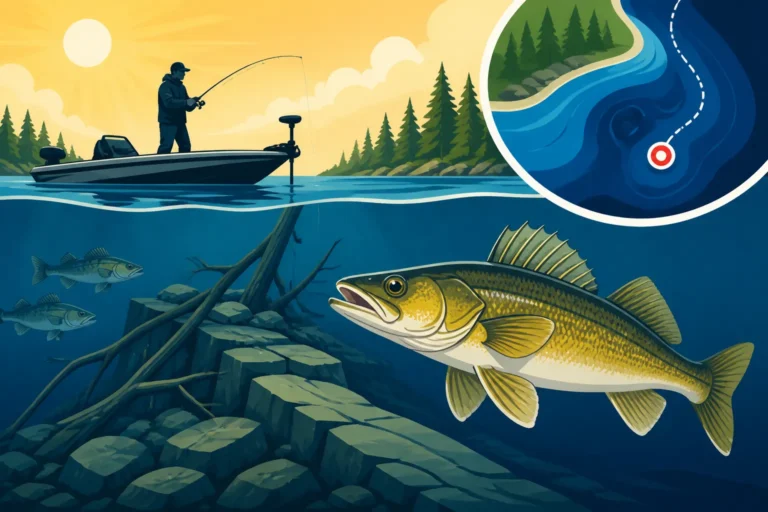
Smallmouth bass thrive in clear, cool waters with plenty of rocky structure. Think about the classic "smallmouth factory" lakes like Mille Lacs, Lake Vermilion, or even sections of Lake Superior's North Shore. These lakes offer exactly what smallies crave: clean, oxygen-rich water and an abundance of rock, gravel, and boulder fields. You'll find them congregating around rocky points, submerged humps, reefs, and sharp breaks that transition from shallow to deep water. Unlike largemouth that might hug thick weed beds, smallmouth prefer hard bottoms. If you're on a lake known for its excellent smallmouth population, always start by looking for those granite outcroppings, scattered rock piles, or even old cribs and man-made structures that provide ambush points. On rivers, they'll often hold in current breaks, behind large boulders, or in eddy lines where they can ambush baitfish.
Imagine you're fishing on a clear summer morning on Ten Mile Lake. Instead of heading to the usual lily pads, you'd be wise to launch your boat and motor towards a prominent rocky point that extends into deeper water. You might find a gravel bar tapering off that point, dropping from 8 feet to 20 feet. That transition zone, especially with some scattered boulders, is prime smallmouth territory. They'll use these areas for feeding, moving up shallower during low light or to chase bait, and retreating to deeper, cooler water during bright sun or high pressure. Knowing the nuances of different structures can make all the difference in where you drop your first cast.
Reading the Water for Smallmouth
Reading the water for smallmouth means looking beyond the surface and interpreting what lies beneath. While modern electronics like side imaging and down imaging are incredible tools, your eyes can still tell you a lot. Look for ripples and current breaks on rivers that indicate submerged rocks or changes in bottom contour. On lakes, scan for changes in water clarity, current patterns (even subtle ones), or the presence of specific baitfish flicking on the surface. Active baitfish often mean active predators nearby.
The wind can be your best friend or worst enemy. A consistent breeze pushing into a rocky shoreline or point creates a "current" that concentrates baitfish and oxygen, often drawing smallmouth to the wind-blown side. However, a strong, erratic wind can make boat control and presentation difficult. Pay attention to how the light hits the water; early mornings and late evenings often bring smallmouth shallower, while midday sun might push them deeper or into shaded areas around larger boulders. Using mapping apps like Navionics or LakeMaster, which you can often purchase on platforms like Amazon, to identify contour lines, humps, and points before you even get on the water is a huge advantage. They act as a treasure map, guiding you to potential smallmouth hotspots.
Smallmouth Behavior and Forage
Smallmouth bass are opportunistic predators, and their behavior is heavily influenced by their primary food sources. In many Minnesota lakes, their diet largely consists of crayfish, insect larvae, and a variety of baitfish such as ciscoes, perch, and juvenile walleye. This diverse diet is why a range of lures, from bottom-bouncing jigs mimicking crayfish to erratic jerkbaits imitating dying baitfish, can be incredibly effective.
Their aggressive nature means they're often willing to chase down a meal. You'll find them more active during stable weather patterns, and they can be particularly feisty after a cold front has passed and water temperatures begin to stabilize. During the spawn, which typically occurs in late spring when water temperatures reach the mid-50s to low 60s, smallmouth will be found in shallower, rocky areas, fiercely guarding their nests. Post-spawn, they transition to deeper summer haunts, often holding on the edges of deep structure. Understanding these seasonal shifts in their diet and location is key to knowing where and how to present your lure.
Key Tactics and Techniques for Smallmouth
Once you understand where smallmouth live and what they eat, the next step is perfecting your presentation. Smallmouth fishing is all about finesse and precision, but also about knowing when to be aggressive.
Casting Artificials with Precision
Casting artificial lures is arguably the most popular and effective way to target Minnesota smallmouth. It allows you to cover water efficiently and present a variety of baits that mimic their natural forage. The key is often accuracy and repetition.
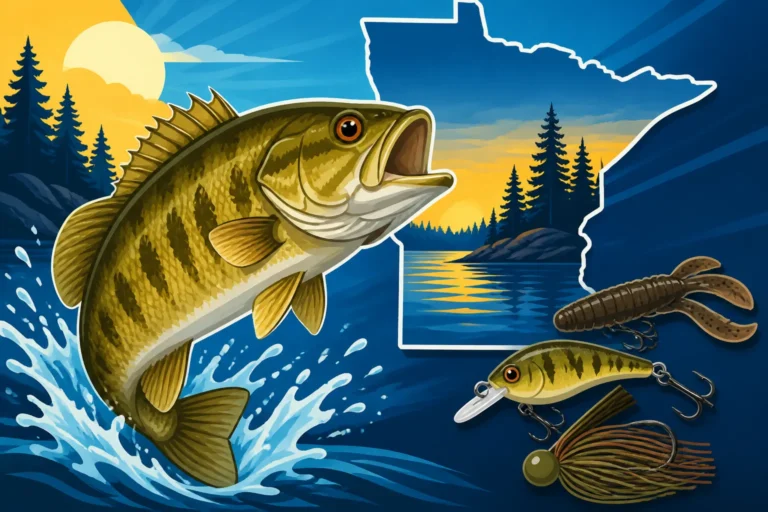
- Jigs and Plastics: A simple jighead paired with a soft plastic grub, tube, or creature bait is a smallmouth killer. Colors like green pumpkin, brown, and black mimic crayfish, while white or silver patterns imitate baitfish. Cast these to rocky points, humps, or drop-offs, letting them sink to the bottom. Work them with short hops and drags, allowing them to bounce off rocks, which often triggers an aggressive strike. This technique is particularly deadly when smallmouth are holding tight to structure or when they are less aggressive. Try different weights depending on depth and wind; a lighter jig might get more bites but requires more patience.
- Crankbaits and Jerkbaits: These are fantastic for covering water and eliciting reaction strikes. Shallow-diving crankbaits work well over rocky flats or along shorelines, while deeper models are essential for probing submerged humps. Jerkbaits, like a classic Rapala Husky Jerk or a Strike King KVD Jerkbait, are especially effective when worked with an erratic "twitch, twitch, pause" retrieve. The pause is crucial; it often triggers the strike as the lure suspends or slowly rises, mimicking a wounded baitfish. Experiment with different colors, but natural baitfish patterns are almost always a safe bet.
- Spinnerbaits and Underspins: While often associated with largemouth, smaller spinnerbaits or underspins with a soft plastic swimbait trailer can be excellent for smallmouth, especially when they are actively chasing bait in shallower water or around submerged timber (though rocky areas are still preferred). The flash and vibration can draw fish from a distance. A slow, steady retrieve often works best, allowing the blades to spin consistently.
Live Bait Approaches
Sometimes, the most finicky smallmouth just can't resist a natural offering. Live bait can be incredibly effective, especially in tough conditions or when you're targeting specific fish that are holding tight to structure.
- Minnows: Live golden shiners, fatheads, or rainbow shiners are top-tier choices. Rig them on a plain hook with a split shot or under a slip bobber. Presenting a live minnow near a rocky drop-off or suspended over a deep hump can be irresistible. For example, if you're fishing on Lake Vermilion in the fall, a lively shiner dropped next to a sharp break line where smallmouth are gorging on ciscoes can be lights out. Just make sure to check local regulations on baitfish use, as some waters have restrictions to prevent the spread of aquatic invasive species.
- Crayfish: Smallmouth absolutely love crayfish. Catching your own can be an adventure, or you can sometimes find them at local bait shops. Hook them through the tail and let them crawl along the bottom near rocks. The natural action of a crayfish trying to escape is often too much for a smallmouth to ignore. This presentation often requires patience, as you're letting the bait do most of the work, but the results can be spectacular, especially for larger fish.
- Leeches and Nightcrawlers: While perhaps less common for dedicated smallmouth anglers than minnows or crayfish, leeches and nightcrawlers can still entice bites, especially if you're also targeting walleye or other species. Rig a leech under a slip bobber or use a lively nightcrawler on a Lindy Rig setup, dragging it slowly along rocky contours. The natural scent and movement can trigger a bite when other presentations fail.
Advanced Techniques like Drop-Shotting
When smallmouth get finicky, or when they're holding in deeper water or suspended over structure, some more advanced techniques can really shine. Learning to effectively use a technique like the Drop-Shot for Smallmouth Bass can be a game-changer.
- Drop-Shotting: This technique involves tying your hook directly to your main line a foot or two above a weight. This allows your soft plastic bait (often a finesse worm, minnow imitation, or small tube) to suspend horizontally at a specific depth, just off the bottom, in the fish's strike zone. It's incredibly effective for vertical presentations, whether you're fishing directly over a marked fish on your electronics or slowly drifting over a deep rocky flat. The key is minimal movement – just a slight shake of the rod tip to make the bait quiver without moving the weight. This subtle action often triggers bites from pressured or lethargic fish that might ignore more aggressive presentations.
- Ned Rig: The Ned Rig is another finesse tactic that has exploded in popularity. It's a small mushroom-shaped jighead paired with a buoyant, typically short, soft plastic worm. The buoyancy causes the worm to stand straight up off the bottom, mimicking a small, defenseless creature. It's fantastic for casting to shallower rocky areas or working slow, methodical retrieves in deeper water. The beauty of the Ned Rig is its simplicity and its ability to get bites when nothing else seems to work. It's a subtle, natural presentation that smallmouth often can't resist.
- Carolina Rig: While often thought of as a largemouth technique, a Carolina rig can be very effective for smallmouth, especially when fishing extensive rocky flats or subtle changes in bottom composition. It involves a heavy weight sliding on your main line, followed by a swivel, and then a leader (often 3-6 feet) to your hook and soft plastic bait (lizards, worms, or creature baits work well). This setup allows the weight to dredge along the bottom, stirring up sediment and creating a noise that attracts fish, while your bait trails naturally behind it, offering a more natural, unencumbered presentation.
Best Gear and Lures for Minnesota Smallies
Having the right tools for the job can significantly increase your success rate. Smallmouth fishing often benefits from lighter, more sensitive tackle that allows for precise presentations and detection of subtle bites.
Rod and Reel Setups
For most smallmouth bass fishing in Minnesota, a medium-light to medium power spinning rod is your best friend. This setup offers the versatility to cast lighter lures, detect those subtle smallmouth "thumps," and still have enough backbone to handle a hard-fighting fish.
- Spinning Rods: Look for a 6'6" to 7'2" fast or extra-fast action spinning rod. A fast action means the rod bends mostly in the tip, providing excellent sensitivity and quick hooksets. Brands like St. Croix (especially their Eyecon series for walleye, but adaptable for bass) or Fenwick make excellent sensitive rods that translate well for smallmouth. You don't need to break the bank; there are plenty of quality rods available on Amazon for under $100.
- Spinning Reels: Pair your rod with a lightweight spinning reel in the 2000-3000 size range. This balances well with the lighter rod and allows for smooth casting and retrieval. Look for a reel with a smooth drag system, as smallmouth are known for their powerful runs. Shimano and Daiwa consistently produce reliable spinning reels that will stand up to years of use.
- Line Choice: For main line, 8-10 pound braided line is a popular choice due to its sensitivity and strength. Tie a 6-10 pound fluorocarbon leader (6-8 feet long) to your braid using a strong knot like an FG knot or an Albright knot. Fluorocarbon is nearly invisible in water, offers good abrasion resistance, and has less stretch than monofilament, enhancing sensitivity. This combination gives you the best of both worlds.
Top Lure Choices for Minnesota
While smallmouth can be caught on a vast array of lures, some consistently outperform others in Minnesota's diverse waters. When considering the Best Bass Lures for Minnesota Lakes, focus on versatility and mimicry.
| Lure Type | Best Conditions | Ideal Retrieve | Why it Works for Smallmouth |
|---|---|---|---|
| Tube Jigs | Rocky bottoms, clear water, moderate depths | Hop, drag, pause; mimic crayfish | Mimics crayfish perfectly, subtle yet effective |
| Jerkbaits | Clear water, visible baitfish, active fish | Twitch, twitch, pause; erratic darting | Imitates wounded baitfish, triggers reaction strikes |
| Drop-Shot Worms | Deep water, finicky fish, vertical presentations | Subtle shakes, minimal movement | Suspends bait in strike zone, finesse appeal |
| Ned Rigs | Shallow to moderate depths, pressured fish | Drag, slight hops, long pauses | Stands up, subtle profile, irresistible to finicky fish |
| Crankbaits | Covering water, active fish, varying depths | Steady retrieve, occasional twitch | Attracts fish with vibration/flash, covers broad areas |
| Swimbaits | Active fish, clear water, baitfish schools | Steady retrieve, mimic natural baitfish movement | Highly realistic, great for active, feeding smallmouth |
| Topwater Lures | Low light, calm conditions, active fish | Pop, walk-the-dog; creates surface commotion | Irresistible surface action, visually exciting strikes |
Essential Terminal Tackle
Don't overlook the small details in your terminal tackle; they can make a big difference in presentation and hook-up ratios.
- Hooks: For soft plastics, offset worm hooks (EWG style) or straight shank hooks are common. For drop-shotting, a dedicated drop-shot hook (like a Gamakatsu Drop Shot Hook) in size 1 or 1/0 is ideal, as it allows the bait to sit horizontally. Always keep a variety of jigheads on hand, from 1/8 oz to 1/2 oz, in various colors like green pumpkin, black, or white, to match conditions and bait size.
- Weights: Tungsten weights are preferred over lead for their increased sensitivity and smaller profile. Keep a selection of drop-shot weights (1/8 oz to 1/2 oz) and bullet weights for Carolina rigging.
- Swivels: High-quality barrel swivels are essential for Carolina rigs to prevent line twist.
- Pliers and Line Cutters: A good pair of multi-tool fishing pliers and sharp line cutters are invaluable for tying knots, removing hooks, and making quick adjustments. You can find excellent options for all these items on Amazon. Remember, paying a little more for quality terminal tackle means less frustration and more fish in the boat!
Seasonal Strategies for Success
Smallmouth bass fishing in Minnesota is a year-round pursuit if you include ice fishing, but open-water tactics change significantly with the seasons. Adapting your approach to the prevailing water temperatures and fish behavior is crucial. Check the official Minnesota fishing seasons & opener dates to ensure you're compliant.
Springtime Aggression
Spring in Minnesota is a time of awakening, both for nature and for hungry smallmouth. After a long winter under the ice, smallmouth bass become incredibly active, pushing shallow to feed and eventually to spawn.
- Pre-Spawn Feast: As ice-out occurs and water temperatures creep into the low 40s and 50s, smallmouth move from deeper wintering holes to shallower rock structures, sand flats, and protected bays that warm up first. They are aggressively feeding to bulk up for the spawn. This is a fantastic time for jerkbaits, lipless crankbaits, and swimbaits, which they will readily chase. Look for them on the first main lake points and humps adjacent to deep water, and don't be afraid to fish surprisingly shallow, even 3-8 feet. For anglers targeting early season walleye after the opener, smallmouth often make a surprise appearance!
- The Spawn: When water temperatures hit the mid-50s to low 60s, typically from late May into June (depending on the lake and latitude), smallmouth will build nests in shallower, rocky, or gravelly areas. They become very territorial and will strike at anything perceived as a threat. Sight fishing can be effective if regulations allow and water clarity permits. Jigs, tube baits, and soft plastic creature baits presented near beds can elicit strikes. Remember to practice ethical angling during the spawn; minimizing disturbance and quickly releasing fish can help protect future populations. Be mindful of the Smallmouth Bass Season & Limit in Minnesota regulations, as specific catch-and-release rules apply to bass during certain times to protect spawning fish.
Summer Deep Water Tactics
As summer progresses and water temperatures climb, smallmouth often retreat to deeper, cooler waters, making them a bit more challenging to locate, but still very catchable.
- Mid-Summer Migration: During the peak heat of July and August, smallmouth will often suspend over deep water humps, move to the deep sides of main lake points, or relate to offshore rock reefs. They might follow schools of baitfish in open water. This is when your electronics become invaluable, helping you spot schools of fish or bait.
- Finesse and Deep Diving: Drop-shotting really shines here. You can present a small soft plastic precisely to fish marked on your sonar, holding it in their strike zone without moving it away. Deep-diving crankbaits and heavy jigs with plastics are also effective for probing those deeper structures. If you're on a lake like Mille Lacs, try fishing the famed mud flats for Walleye and you'll often find big smallmouth right alongside them, especially on the rockier edges of the mud. Another excellent strategy for catching these fish is to employ a Carolina rig, which allows you to efficiently cover expansive deep structure while maintaining bottom contact.
- Topwater Action: Don't rule out topwater fishing entirely, even in summer. Early mornings and late evenings, or during overcast conditions, can still bring smallmouth crashing to the surface for a popper, walking bait, or prop bait. Fishing Topwater Bass Fishing in Minnesota can be some of the most exciting action you'll ever experience. Look for calm pockets around rocky islands or points where baitfish are abundant.
Fall Feeding Frenzies
Fall in Minnesota is a magical time for smallmouth bass. As water temperatures begin to drop, smallmouth enter an intense feeding period, trying to pack on weight before winter. This can lead to some of the best fishing of the year.
- Aggressive Pursuits: Smallmouth will often return to shallower main lake points, rocky shorelines, and humps that were productive in the spring. They become incredibly aggressive, chasing down baitfish and gorging on crayfish. Jerkbaits are king during this time, especially larger models that imitate bigger baitfish. Long casts with crankbaits and spinnerbaits can also be very effective for covering water and finding active schools.
- Deeper Retreat: As fall progresses and water temperatures continue to drop, smallmouth will eventually move to their deep wintering holes. This is often in the deepest parts of the lake, near steep breaks, or large rock piles. Vertical jigging with heavy jigs, blade baits, or the aforementioned drop-shot rig can be very productive as they become more lethargic. Focus on clear, deep lakes like Lake Superior's harbors or Lake Vermilion for consistent fall action. Understanding these Seasonal Fishing Patterns in Minnesota for all species will not only boost your smallmouth success but help you find other fish too.
Remember, smallmouth bass fishing is a journey of continuous learning and adaptation. Every lake, every day, can present a new challenge. But with these tips and a keen understanding of smallmouth behavior, you'll be well on your way to enjoying the thrill of landing one of Minnesota's hardest-fighting fish.
Disclaimer
Fishing conditions and regulations in Minnesota can change. Always consult the latest Minnesota Department of Natural Resources (DNR) fishing regulations before heading out on the water. This guide provides general information and tips.