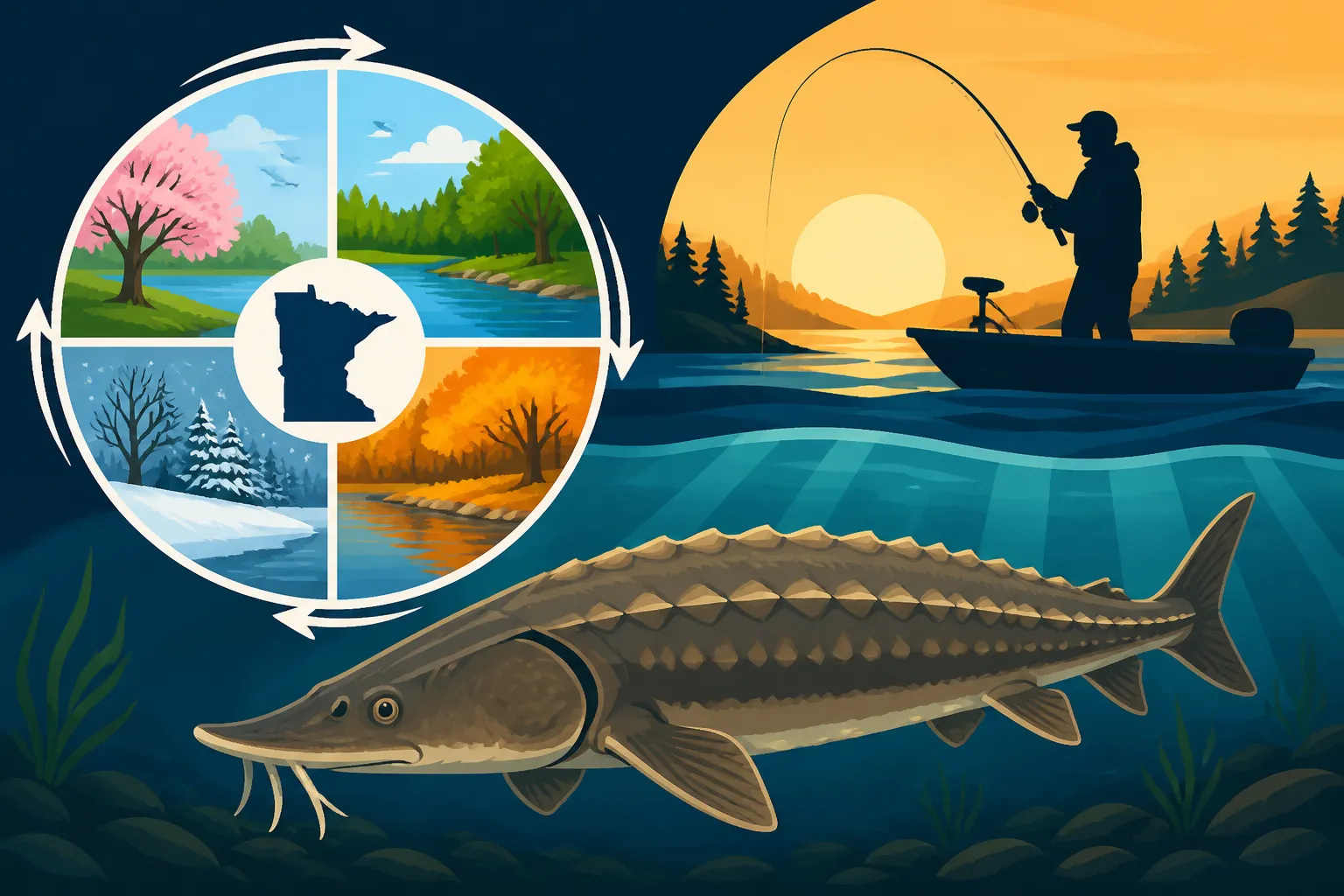
Best Seasonal Pattern for Lake Sturgeon in Minnesota
One of the most elusive and ancient fish swimming in Minnesota's waters, the Lake Sturgeon, can feel like a real mystery to anglers. It's frustrating when you head out, hoping to connect with one of these giants, only to find yourself casting into empty water. Knowing the best seasonal patterns for Lake Sturgeon in Minnesota is absolutely key to increasing your chances, and this guide is here to walk you through exactly how these magnificent fish behave throughout the year, helping you understand their movements and feeding habits.
Understanding Lake Sturgeon Behavior in Minnesota
Lake Sturgeon are truly remarkable fish, often referred to as living fossils. They've been around for millions of years, largely unchanged, and they represent a unique challenge and thrill for any Minnesota angler. Unlike many other species that are relatively abundant and predictable, sturgeon operate on a different timeline and prefer very specific environments. Their seasonal movements are dictated primarily by spawning needs, water temperature, and food availability. Without understanding these core drivers, you're pretty much guessing.
Life Cycle and Longevity
These magnificent creatures boast an incredible lifespan, often living well over 100 years. Females don't even reach sexual maturity until they're 20-25 years old, and then they only spawn every 3-7 years. Males mature a bit sooner, around 15 years, and spawn more frequently. This long, slow life cycle is precisely why strict regulations are in place to protect them. Imagine a fish that's been swimming in our waters since before your grandparents were born! Their resilience is astounding, but also makes them vulnerable if not managed correctly. You can learn more about their incredible journey in our guide to Lake Sturgeon in Minnesota: Rainy River Giants.
Preferred Habitat and Diet
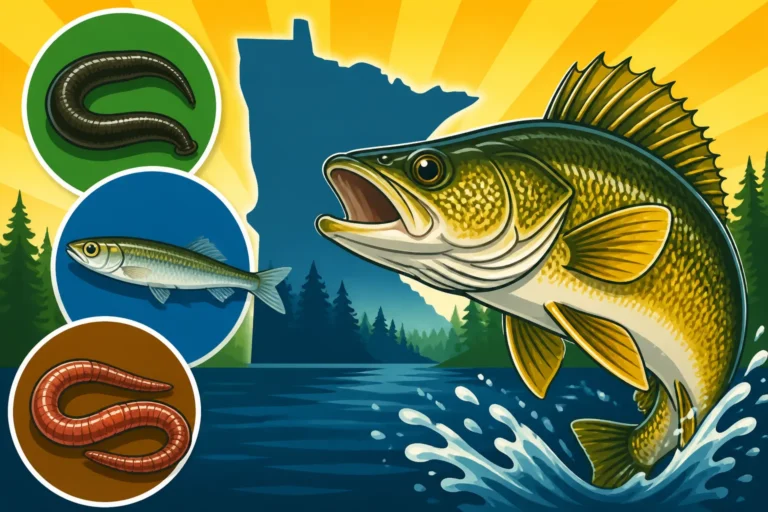
Lake Sturgeon are bottom-feeders, pure and simple. They're equipped with a distinctive snout and barbels (whiskers) that they use to sift through the mud and gravel, vacuuming up whatever tasty morsels they find. Their diet consists mainly of aquatic insects, crustaceans, leeches, and small bottom-dwelling fish. Think about it: they don't chase flashy lures through the water column. Instead, they patrol the depths, sniffing out food.
Their preferred habitats are typically large rivers and lakes with significant river connections. They love deep channels, current breaks, and areas with firm, sandy, or gravely bottoms where their food sources thrive. In Minnesota, legendary waters like the Rainy River, Lake of the Woods, the St. Croix River, and sections of the Mississippi River are prime sturgeon territory. These areas provide the oxygen-rich, cool water and abundant food sources necessary for these fish to not just survive, but to truly thrive and reach those impressive, record-breaking sizes.
Spring Patterns: Post-Spawn Movement and Feeding
Spring is a critical time for Lake Sturgeon in Minnesota, especially around April and May, as it marks their spawning period. After the ice leaves and water temperatures rise into the mid-50s Fahrenheit, these ancient fish make their way to specific spawning grounds, usually rocky shoals or gravel beds in fast-flowing river sections. Connecting with a sturgeon during the actual spawn is rare and generally discouraged, as disturbing them during this vulnerable time isn't good for their population. However, it's the post-spawn period that offers fantastic opportunities for anglers.
Post-Spawn Recovery and Deepening
Once spawning is complete, typically by late May or early June depending on the year's conditions, sturgeon are quite exhausted. They've expended a tremendous amount of energy and need to recover. During this phase, you'll find them slowly migrating away from their spawning grounds, often moving into slightly deeper, calmer water near the river channels or main lake basins. They're still in recovery mode, but their hunger starts to kick in. They'll linger in these transition areas, slowly regaining strength and beginning to feed more actively. Think of it as a much-needed long lunch after a marathon.
Prime Spring Locations and Tactics
As they recover and begin to feed, focus your efforts on the edges of river channels, deeper holes adjacent to current breaks, and the mouths of tributaries flowing into larger lakes. These areas act as natural highways and feeding zones. In places like the Rainy River, targeting the deeper bends and areas downstream from rapids or dams can be incredibly effective.
For bait, nothing beats natural offerings. Nightcrawlers, cut bait (like smelt or sucker chunks), and even leeches are excellent choices. Many anglers will rig up a "sturgeon rig" which usually involves a heavy pyramid or no-roll sinker (3-8 oz, depending on current) at the end of the main line, a strong swivel, and a short leader (12-24 inches) with a large, sturdy circle hook (4/0 to 8/0). You want something stout enough to handle a fish that could easily weigh 50-100 pounds. You can find robust fishing lines and hooks suitable for sturgeon fishing on Amazon, ensuring you have the right gear to land these giants. Remember to check Minnesota Lake Sturgeon Regulations & Tag in Minnesota and the Lake Sturgeon Season & Limit in Minnesota before you head out, as rules vary by waterbody.
Summer Patterns: Deep Water and Current Seekers
As summer truly settles in, bringing warmer water temperatures, Lake Sturgeon adjust their behavior significantly. They become much more particular about where they spend their time, prioritizing cooler, oxygen-rich environments. This is where a good understanding of underwater topography and current becomes absolutely essential.
Finding Cool Water Sanctuaries
During the dog days of summer, sturgeon will primarily seek out the deepest parts of lakes and rivers. In large river systems like the Mississippi River Pool Fishing in Minnesota or the St. Croix River, this means the main navigation channels, deep holes, and scour points where the current keeps the water moving and cool. On massive lakes with river connections, such as Lake of the Woods or Rainy Lake, they'll often retreat to deep basins, congregating in areas where there's a slight current or inflow of cooler water.
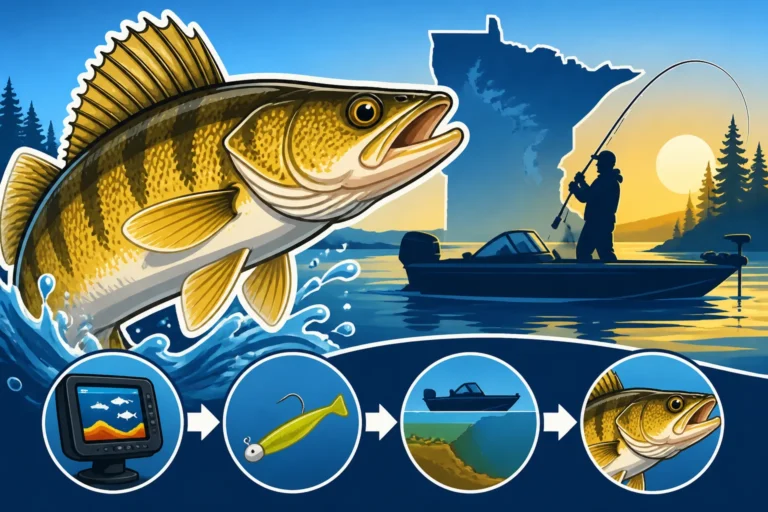
They aren't as actively cruising as they might be in spring or fall; instead, they tend to hold in these cooler sanctuaries, conserving energy. If you're out on the water, pay close attention to your depth finder and GPS. Look for abrupt depth changes, deep depressions, or any structure that offers a break from the main current while still providing depth and a cooler environment.
Adapting Tactics for Summer Heat
Summer fishing for sturgeon often requires patience and heavier tackle to combat the deeper water and stronger currents. The same bait choices—nightcrawlers and cut bait—remain king. However, presentations might need to be tweaked.
Consider using heavier sinkers, perhaps 6-10 oz, to ensure your bait stays firmly on the bottom in strong currents. Longer leaders (24-36 inches) can sometimes be beneficial, allowing your bait to flutter more naturally off the bottom, mimicking a disturbed food source. Anglers often find success by anchoring upstream of a deep hole or channel edge and letting their baits drift down into the strike zone. It's a waiting game, but when that rod tip finally bows, you know you've found a fish that's truly earned its age.
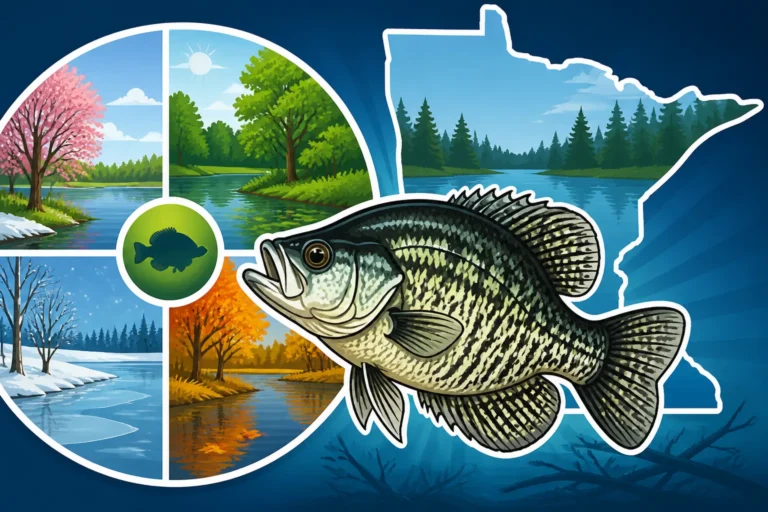
| Season | Primary Location | Key Behavior | Recommended Baits | Tackle Considerations |
|---|---|---|---|---|
| Spring (Post-Spawn) | River bends, tributary mouths, channel edges, moderate depths (20-40 ft) | Recovering from spawn, increasing feeding activity | Nightcrawlers, cut bait (smelt, sucker), leeches | Medium-heavy rod, large spinning/baitcasting reel, 4/0-8/0 circle hooks, 3-8 oz pyramid/no-roll sinker |
| Summer | Deepest channels, main lake basins, current breaks (40-80+ ft) | Seeking cool, oxygenated water; less active, holding | Nightcrawlers, cut bait (smelt, sucker) | Heavy rod, robust reel, 6/0-10/0 circle hooks, 6-10 oz pyramid/no-roll sinker |
| Fall | Transitioning from deep water to shallower feeding flats, river channels | Aggressive pre-winter feeding, gorging | Nightcrawlers, cut bait (cisco, sucker), lamprey | Medium-heavy to heavy rod, large reel, 6/0-10/0 circle hooks, 4-10 oz sinker |
| Winter (Ice Fishing) | Deep holes in rivers, main lake basins, current seams (40-100+ ft) | Slow metabolism, holding in key deep spots | Cut bait (smelt, sucker), live minnows (deadsticked) | Heavy ice rod, strong reel, tip-ups, large trebles/circle hooks, heavy jigging spoons, 1-3 oz weights |
Fall Patterns: Pre-Winter Feeding Frenzy
As summer fades and autumn brings its crisp air and cooling water temperatures, Lake Sturgeon enter one of their most active and aggressive feeding periods. This "pre-winter gorging" is driven by an instinct to pack on as much fat and energy as possible to sustain them through the lean, cold months of winter. For anglers, this often translates into some of the best sturgeon fishing opportunities of the year.
Aggressive Feeding Before Ice-Up
Unlike the lethargic behavior of summer, fall sees sturgeon becoming much more active. They'll still utilize deep river channels and lake basins, but they'll also venture onto shallower flats adjacent to these deep areas, especially during low-light conditions or on overcast days. Their internal clock tells them that winter is coming, and they need to find every morsel they can. This heightened activity makes them more willing to move and more likely to intercept a well-placed bait.
Watch for periods of stable weather, especially after a cold front has passed and the water temperatures start to stabilize in the low to mid-50s Fahrenheit. This is when their metabolism is running high, and they're focused purely on food.
River Systems and Deep Lake Basins
River systems truly shine in the fall. The current concentrates baitfish and other food sources, and sturgeon will follow these natural food conveyor belts. The Rainy River, especially near Baudette, and segments of the Mississippi and St. Croix Rivers become hotspots. On large lakes, look for the deep river channels that extend into the lake, as well as expansive mud flats or gravel beds bordering these channels.
For bait, while nightcrawlers are always good, many experienced anglers switch to larger, oilier cut baits in the fall, like cisco or larger chunks of sucker. The increased scent dispersion in cooler water can be a major attractor. Ensure your terminal tackle is in top shape; a strong braided line from a reputable brand like PowerPro or Berkley, readily available on Amazon, can give you the sensitivity and strength needed for these powerful fish. Consider using a heavy-duty rod and reel combo that can handle the sheer pulling power of a large sturgeon. For more specific tactics, check out our guide on how to Catch Lake Sturgeon in Minnesota (Step by Step).
Winter Patterns: Slow Metabolism and Deep Holds
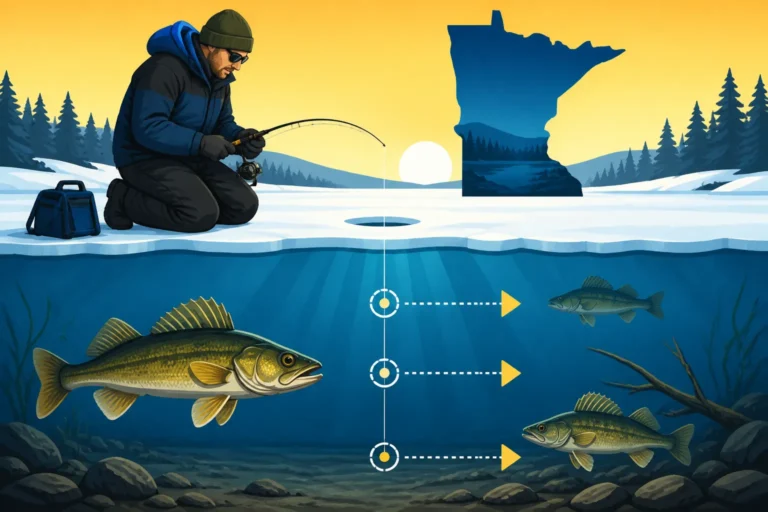
Ice fishing for Lake Sturgeon is a unique and challenging pursuit in Minnesota, not for the faint of heart! It requires specialized gear, patience, and a deep understanding of their winter behavior. While their metabolism slows significantly, they don't entirely stop feeding. They simply become much more localized and particular.
Locating Wintering Holes
When the ice covers the lakes and rivers, sturgeon retreat to their wintering holes. These are almost always the deepest parts of the water body, often associated with a strong current or natural springs that provide slightly warmer, more oxygenated water. In river systems, look for pronounced scour holes, deep channels, and areas where the current creates a natural "washout" on the bottom. On lakes, they'll be in the deepest basins, often near structural elements like old river channels or deep humps.
This is where good mapping software, like what you find on Navionics or LakeMaster chips, is absolutely invaluable. You need to precisely locate these deep-water sanctuaries. Drilling multiple holes to find the exact drop-off or channel edge can be crucial.
Ice Fishing for Sturgeon: A Unique Challenge
Ice fishing for sturgeon requires heavy-duty gear. Think about the equipment you'd use for big lake trout or even halibut, and you're getting close. You'll need a stout, heavy-action ice rod (many prefer longer rods, 40+ inches, for better leverage), a robust reel with a strong drag, and heavy braided line (50-80 lb test).
Baits remain similar: large chunks of cut bait (smelt, sucker, cisco) are preferred due to their scent. Some anglers will tip large jigging spoons with cut bait, while others opt for a deadstick setup with a heavy weight and a large circle hook. Patience is paramount; sturgeon bites in winter can be incredibly subtle, sometimes just a slight "mush" on the rod tip. If you're serious about taking on this winter challenge, exploring specialized ice fishing gear, including large tip-ups and sturdy ice augers, can be done through retailers like Marine General or other reputable local bait shops. Remember that Dark House Spearing in Minnesota: Rules & License is also an option for pike, but sturgeon are strictly hook-and-line.
It's a waiting game, but when that powerful head shake comes, there's nothing quite like landing a prehistoric giant through the ice. It's a testament to patience, preparation, and knowing the seasonal patterns for Lake Sturgeon in Minnesota.
Disclaimer
Fishing regulations, seasons, and limits can change frequently. Always consult the most current Minnesota Department of Natural Resources (DNR) fishing regulations booklet or website before heading out on the water. This guide is for informational purposes only and does not replace official regulations.