How to Catch Tullibee Through the Ice in Minnesota
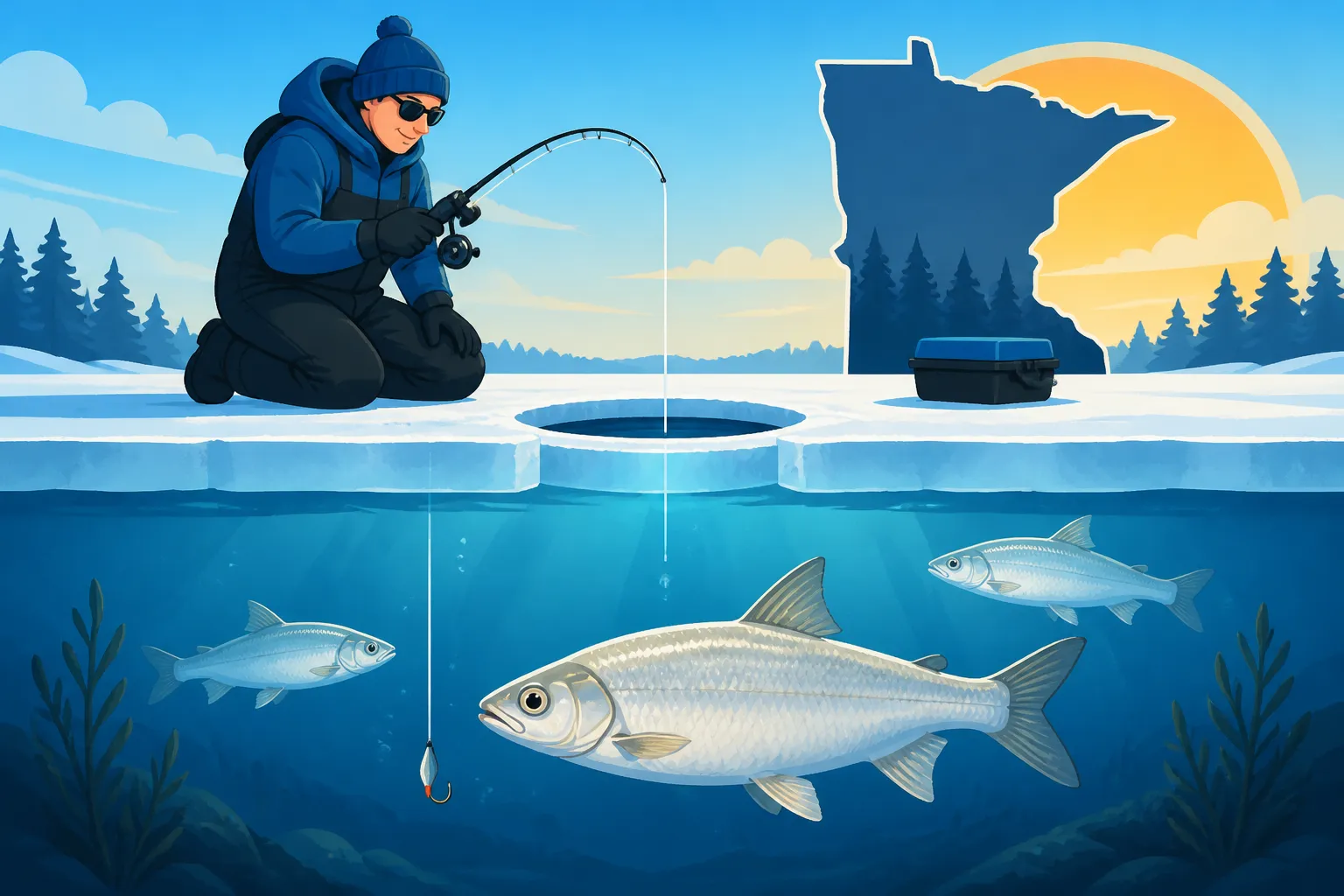
It can feel incredibly frustrating to be out on the ice, seeing fish on your sonar, but just not being able to coax a bite. Often, this happens when you're targeting popular species like walleye, but what you're seeing are actually tullibee, also known as cisco or lake herring. These schooling fish can be a ton of fun to catch and are excellent table fare, but they require a slightly different approach. This guide will help you understand and successfully target tullibee through the ice here in Minnesota, turning those mysterious marks into memorable catches.
The Elusive Tullibee: Understanding Your Quarry in Winter
Tullibee are often underestimated, overshadowed by their more famous counterparts like walleye or northern pike. But once you crack the code to finding and catching them through the ice, you'll discover a fast-paced, action-packed fishery that can really save a slow day. The key is understanding their habits and preferences, which differ quite a bit from typical game fish. If you're curious about different species you might encounter, check out our comprehensive guide on Whitefish & Tullibee (Cisco) in Minnesota.
Where Tullibee Hang Out in the Winter
Unlike many popular game fish that relate closely to structure like reefs, points, or weed lines, tullibee are largely pelagic, meaning they prefer the open water column. They're often found suspending over deep basins, sometimes in depths exceeding 50 feet, but they can be anywhere from 10 to 40 feet down in that water column. Their exact depth will vary based on light conditions, available food, and even the weather.
Think of it this way: if you're out on a big lake, and you find a large, deep basin with no obvious structure, that's often exactly where tullibee will be. They follow their food, which tends to move throughout the open water, so they're rarely stationary for long. This makes a good flasher or sonar unit absolutely essential for tracking their movements and staying on top of the schools.
What Tullibee Eat and How it Influences Your Bait Choice
Tullibee are primarily planktivores, meaning their diet consists mainly of zooplankton and small invertebrates. This is a crucial piece of information, as it dictates the size and type of lures you'll need. Forget those big walleye jigs or shiners; tullibee have small mouths and are incredibly finicky about presentation.
They're not aggressive predators in the same way a pike is. Instead, they gently "suck in" their food. This means your bait needs to be small, subtle, and mimic what they naturally feed on. Using baits that are too large or too active will often result in refusals, even if you're seeing tons of fish on your screen. Understanding their delicate feeding habits is the first step to successful tullibee fishing.
Tullibee Behavior and Schooling Patterns
One of the most exciting aspects of tullibee fishing is their schooling behavior. When you find one, you've often found many! They travel in large groups, sometimes hundreds strong. This means that when the bite is on, it can be absolutely phenomenal, with continuous action.
However, these schools are also highly mobile. They might cruise through an area, offering a flurry of bites, and then move on just as quickly as they appeared. This mobility is why covering water and constantly monitoring your electronics is so important. They're also quite sensitive to light and noise. Bright sunny days can push them deeper, and heavy foot traffic or loud drilling can scatter a school faster than you can say "fish on!" Being stealthy and observant will significantly increase your success rate.
Gearing Up: The Right Tackle and Tech for Ice Tullibee
Getting your gear dialed in for tullibee is paramount. You can't just use your standard walleye setup and expect consistent success. Sensitivity, subtle presentation, and the ability to detect light bites are the name of the game. If you're looking for a broader overview of essential winter gear, our Best Ice Fishing Gear for Minnesota (2027 Guide) is a great place to start.
Rods, Reels, and Line for Finicky Bites
For tullibee, you need gear that is ultra-sensitive. Think light to ultra-light action ice rods, typically 24 to 32 inches long, with a very soft tip. This sensitive tip acts like a spring bobber, helping you detect those incredibly subtle "inhale" bites that often feel like nothing more than extra weight on your line. Many anglers opt for specialized panfish rods, as they offer the perfect combination of sensitivity and backbone for these fish.
Pair these rods with small, lightweight spinning reels (500 to 1000 series) spooled with thin line. Fluorocarbon line in 2-4 pound test is an excellent choice for a main line, as it's nearly invisible underwater and has very low stretch, enhancing sensitivity. Alternatively, a good quality monofilament in the same weight class also works, especially if you prefer a little more stretch for fighting fish. Some anglers even prefer braid with a fluorocarbon leader for maximum sensitivity, especially when fishing deeper water. You can find a great selection of these specialized rods, reels, and lines on platforms like Amazon.
The Critical Role of Flashers and Sonar
If there's one piece of equipment that's absolutely non-negotiable for tullibee fishing, it's a good flasher or forward-facing sonar. Tullibee are constantly on the move, and without electronics, you're essentially fishing blind. A flasher like a Vexilar FLX-28 or a Humminbird Ice Helix will allow you to see your lure, monitor its depth, and, most importantly, detect incoming schools of tullibee. The moment you see those red or orange marks rising towards your bait, you know you're in business.
Forward-facing sonar, such as Garmin LiveScope, takes this to another level, allowing you to see schools approaching from a distance and adjust your position or presentation accordingly. While a significant investment, these units are game-changers for highly mobile, schooling fish like tullibee. Knowing How to Read a Flasher (Vexilar/Humminbird) effectively is key to maximizing your success.
Augers and Shelters: Mobility and Comfort
Since tullibee are constantly moving, being mobile is a huge advantage. A fast, efficient auger is essential for drilling many holes quickly to stay on top of the schools. Electric augers like the StrikeMaster Lithium 40V or ION are fantastic for their quiet operation and ease of use, making them perfect for stealthy approaches. Gas augers are also perfectly capable, though a bit louder. For more detailed information, consider our guide on Best Ice Augers for Minnesota: Electric vs Gas.
A portable ice shelter, whether a flip-over like those from Clam or Otter, or a hub-style shelter, provides much-needed warmth and protection from the elements. More importantly, it helps block out light, creating a darker environment under the ice which can make tullibee less wary. This subtle difference can lead to more consistent bites, especially on bright, sunny days.
Mastering the Technique: Jigging for Tullibee Through the Ice
Once you have the right gear, it's all about presentation. Tullibee bites are often incredibly light, and they're easily spooked. Developing a finesse approach is crucial to consistently putting these fish on the ice.
Finding the Right Depth and Presentation
Tullibee can suspend at almost any depth in the water column over deep basins, but they often favor the top third to half of the water column, especially during low light conditions or cloudy days. On sunny days, they might drop deeper. Start by jigging your lure just above the bottom and slowly work your way up, pausing every few feet, until you mark fish.
Once you see marks on your flasher, pay close attention to how they react to your bait. Are they rising aggressively, or are they just casually swimming by? If they're hesitant, try raising your bait slightly above them. Tullibee will often rise to hit a bait, but rarely dive down for it. Keep your jigging motions subtle. Think small twitches, slight lifts, and long pauses. Sometimes just holding your bait perfectly still is enough to trigger a bite.
Best Lures and Baits for Tullibee
When it comes to lures, smaller is definitely better. Here's what typically works:
- Small Jigging Spoons: Think 1/16th to 1/8th ounce spoons like a Clam Leech Flutter Spoon, Northland Forage Minnow Spoon, or a classic Swedish Pimple. Metallic colors like silver, gold, and glow patterns often work well. The flash and flutter mimic small injured baitfish or invertebrates.
- Tungsten Jigs: Tiny tungsten jigs, similar to what you'd use for crappie, are excellent. Pair these with a small piece of live bait or plastic.
- Dropper Rigs: This is a fantastic option. Tie a small bell sinker (1/8 to 1/4 ounce) to the end of your line, and then tie a small jig (1/32 to 1/16 ounce) on a dropper line about 6-12 inches above the sinker. The sinker gets your presentation down quickly, and the jig above it allows for subtle action.
For bait, a tiny piece of wax worm, a couple of maggot larvae, or even a small Gulp! waxie can be incredibly effective. The scent and natural movement can be the final trigger for a cautious tullibee. If you're out of these, even a tiny piece of perch eye or a small minnow head can work.
Deciphering the Subtle Bite and Setting the Hook
This is where the sensitive rod and thin line truly pay off. Tullibee bites are notoriously light. You might not feel a distinct "thump" like a walleye bite. Instead, look for:
- A slight slackening of your line.
- Your rod tip slowly loading or dipping.
- The feeling of "weight" when you lift your rod.
- On your flasher, your lure mark might disappear or merge with a fish mark.
When you detect one of these subtle signs, a quick, upward sweep of the rod is usually all that's needed to set the hook. Don't go for a massive, aggressive hookset; their mouths are delicate, and you can easily rip the hook out. It takes practice, but once you get the hang of it, you'll be amazed at how many fish you start catching.
Leveraging Multiple Lines Legally
In Minnesota, anglers are generally allowed to use two lines while ice fishing. This is a significant advantage when targeting schooling fish like tullibee. You can use one line with a jigging spoon for active fish and a second line with a more subtle presentation, like a tungsten jig tipped with a wax worm on a deadstick setup.
Many anglers like to set up a tip-up or a second rod nearby, just waiting for those opportunistic bites. Just remember to always keep a close eye on both lines and be aware of the specific How Many Lines Can You Use Ice Fishing in Minnesota? regulations in effect for the body of water you're fishing, as special regulations can apply.
Finding the Hot Spots: Where to Target Tullibee in Minnesota
Minnesota is blessed with thousands of lakes, and many of them hold healthy populations of tullibee. Knowing which lakes to target and how to find the specific spots within those lakes will significantly boost your success.
Prime Minnesota Lakes for Ice Tullibee
While tullibee are found in many of Minnesota's deeper, colder lakes, some stand out as consistent producers. Generally, you're looking for larger, deeper lakes with good water clarity. Here are a few notable lakes known for excellent tullibee fishing:
- Lake Superior: While a massive body of water, its Minnesota sections are known for excellent lake herring (tullibee) populations.
- Mille Lacs Lake: Often overlooked for tullibee, but they are present in its deeper basins, especially mid-lake.
- Lake Vermilion: Another large, deep lake with good tullibee numbers.
- Lake of the Woods: Especially in its deeper, central areas, tullibee can be abundant.
- Ten Mile Lake (Cass County): Known for its deep, clear water and good tullibee fishing.
- Lake Winnibigoshish: While famous for walleye, Winnie also holds tullibee in its deeper sections.
- Gull Lake (Brainerd Area): Another popular lake with a decent tullibee population.
These are just a few examples; many other deep, clear Minnesota lakes can hold fantastic tullibee fisheries. Before heading out, always check the current fishing reports and regulations for your chosen lake, as conditions and opportunities can change. For more ideas on where to fish, check out our guide to the Best Ice Fishing Lakes in Minnesota.
Utilizing Lake Maps and Online Resources
Before you even step on the ice, spend some time studying lake contour maps. Look for the deepest basins and identify areas where contours are widely spaced, indicating large, flat areas of deep water. These are prime starting points for tullibee. You can use apps like Navionics or LakeMaster, often available on Amazon, to pinpoint these locations digitally.
Online fishing forums and local bait shop reports can also be invaluable resources. While specific spots might be kept secret, you can often gather general information about depths where tullibee are being caught or sections of the lake that are producing. Don't be afraid to ask friendly anglers you meet on the ice; most are happy to share general advice.
Drilling and Searching: A Mobile Approach
Given their schooling and nomadic nature, covering water is key. Don't be afraid to drill many holes across a deep basin until you start marking fish on your flasher. A common strategy is to drill a grid or zigzag pattern across an area you suspect holds tullibee. Start fishing one hole, if you don't see activity on your screen within 10-15 minutes, move to the next.
Once you find a school and start catching fish, mark that spot on your GPS. However, be prepared for the school to move. Sometimes you can follow them by drilling new holes in the direction they seem to be heading. This active, mobile approach is often far more productive than simply waiting in one spot. Remember to always prioritize Minnesota Ice Fishing & Shelter Rules and ice safety when moving around.
Here's a quick reference table for common tullibee gear:
| Gear Type | Recommended Specification | Key Benefit | Where to Find |
|---|---|---|---|
| Ice Rod | Ultra-Light to Light, 24-32 inches, soft tip | Detects subtle bites, protects delicate mouths | Local tackle shops, Amazon |
| Ice Reel | Small Spinning Reel (500-1000 series) | Lightweight, smooth drag | Local tackle shops, Amazon |
| Fishing Line | 2-4 lb Fluorocarbon or Monofilament | Low visibility, high sensitivity, low stretch | Local tackle shops, Amazon |
| Flasher/Sonar | Vexilar FLX-28, Humminbird Ice Helix, Garmin LiveScope | Locates fish, shows lure, monitors depth/reaction | Specialty electronics retailers, larger sporting goods stores |
| Auger | Electric (StrikeMaster Lithium 40V, ION) or Gas | Fast, quiet hole drilling for mobility | Sporting goods stores, online retailers |
| Lures (Spoons) | 1/16 – 1/8 oz jigging spoons (e.g., Clam Leech Flutter) | Flash and flutter mimic prey | Local bait shops, Amazon |
| Lures (Jigs) | 1/32 – 1/16 oz tungsten jigs | Small profile for finicky eaters | Local bait shops, Amazon |
| Live Bait | Wax worms, maggots, small minnow heads | Scent and natural movement trigger bites | Local bait shops |
Remember, successful tullibee ice fishing often comes down to attention to detail – from your gear to your presentation and your willingness to move.
Disclaimer
Fishing regulations, season dates, and limits can change frequently. Always consult the most current Minnesota Department of Natural Resources (DNR) fishing regulations handbook before heading out on the ice. This guide is for informational purposes only and does not supersede official DNR regulations.