Lake Sturgeon Season & Limit in Minnesota
Trying to figure out the maze of fishing regulations can feel like a real puzzle, especially when you’re targeting a unique and powerful species like the lake sturgeon in Minnesota. It’s not just about knowing when to go, but also understanding the specific rules that protect these incredible, ancient fish. This guide is here to untangle all the complexities, so you can confidently plan your sturgeon adventure, whether you're hoping for a thrilling catch-and-release experience or a once-a-year harvest.
Understanding Lake Sturgeon Regulations in Minnesota
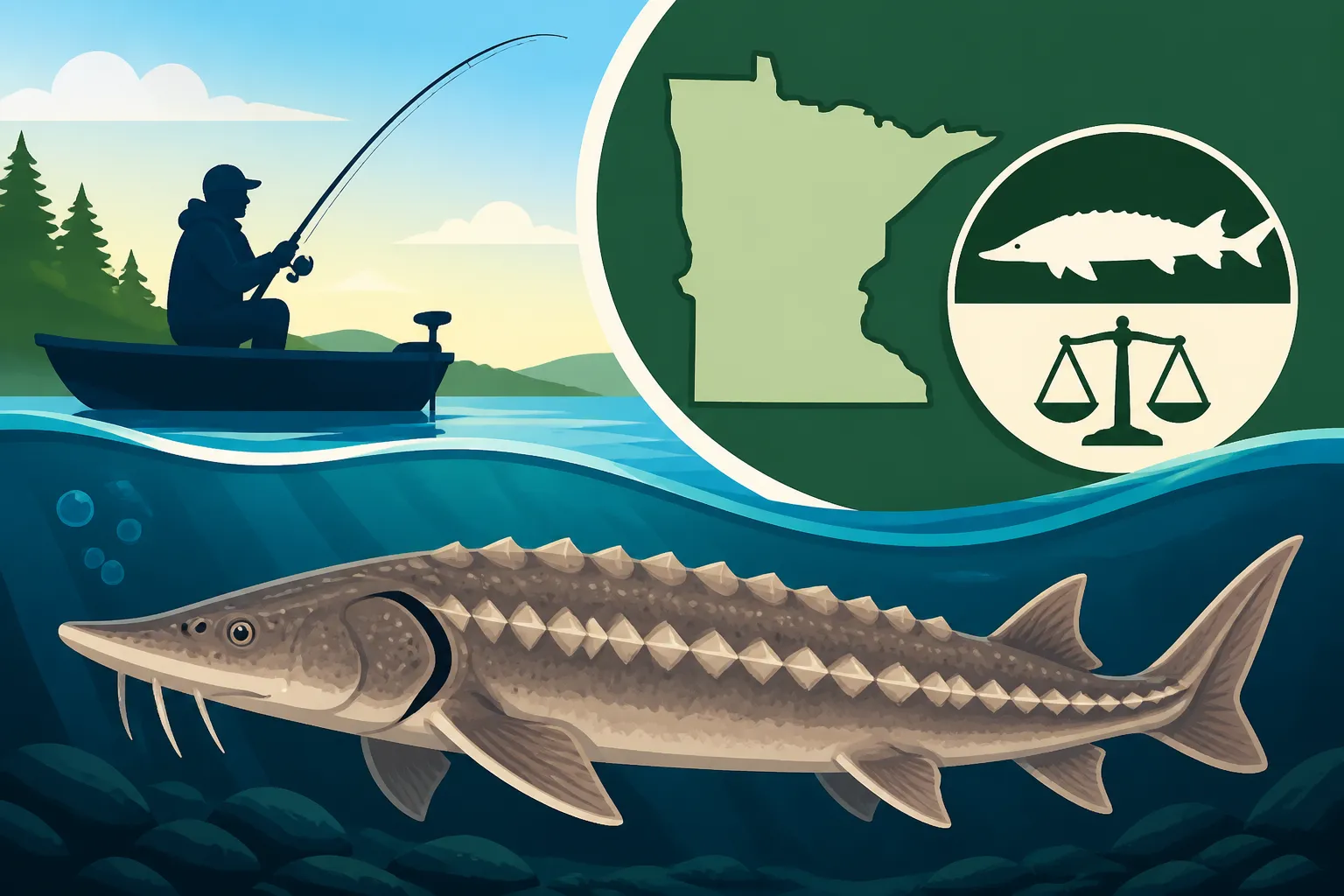
Lake sturgeon are truly a marvel of the freshwater world. They're Minnesota's largest fish, capable of growing to over 100 pounds and living for more than 150 years! But their slow growth and late maturity mean they need special protection, which is why the regulations around them are a bit more intricate than for other species. Fishing for sturgeon in Minnesota is often described as the best it has been since the late 1800s, thanks to significant conservation efforts, improved water quality, and dam removals.
Why the Specific Rules for Sturgeon?
The detailed rules for lake sturgeon aren't just there to make your life difficult; they're absolutely vital for the species' long-term survival and continued recovery. Imagine a fish that takes 20-30 years to reach sexual maturity and only spawns every four to six years! That's a huge commitment to nature, and it means every individual fish is incredibly important to the population. Intense commercial exploitation in the late 1800s and early 1900s decimated sturgeon populations, and it's taken decades of dedicated work from the Minnesota DNR and partners like the U.S. Fish and Wildlife Service, tribal governments, and local communities to bring them back.
These regulations, including specific seasons, size limits, and the requirement for a special tag for harvest, are designed to protect the breeding stock and allow younger fish to grow into mature adults. This careful management is why anglers today have such incredible opportunities to catch these "dinosaurs of the depths." Without these rules, the chances of experiencing the "best freshwater fight of your life" might not exist for future generations.
Key Water Bodies for Sturgeon Fishing
When you think about lake sturgeon fishing in Minnesota, a few places immediately come to mind as prime destinations. These are the waters where conservation efforts have truly paid off and where you have the best chance of encountering these giants.
The undisputed champions for sturgeon fishing are Lake of the Woods and its primary tributary, the Rainy River. The Rainy River, which forms part of the border between Minnesota and Canada, is particularly famous for its incredible spring sturgeon run, as fish migrate from Lake of the Woods to spawn. It's not uncommon to hook sturgeon weighing 20 to 40 pounds, with some reaching over 100 pounds. In fact, an 80-inch, estimated 165-pound lake sturgeon was certified as a new catch-and-release state record on the Rainy River in April 2026.
Beyond the Rainy River and Lake of the Woods, lake sturgeon can also be found in other significant Minnesota rivers, including the St. Croix River, St. Louis River, Kettle River, and the Red River of the North. Some inland lakes, like Otter Tail Lake and the Littlefork and Bigfork rivers, also have good numbers of lake sturgeon. However, it's crucial to remember that specific regulations, especially regarding harvest, often vary significantly between inland waters and these border waters. Always double-check the rules for the specific body of water you plan to fish. You can easily find out if lake sturgeon are present in a particular lake or river using the Minnesota DNR's LakeFinder tool online.
Lake Sturgeon Seasons Explained
Navigating the lake sturgeon seasons in Minnesota can be a little tricky because they differ between inland waters and border waters, particularly the highly popular Canada-Minnesota border waters like the Rainy River and Lake of the Woods. It's not a "one size fits all" situation, so paying close attention to the dates for your chosen fishing spot is paramount.
Spring & Early Summer Catch-and-Release Season
For the thrilling experience of hooking one of these powerful fish without the intent to harvest, Minnesota offers generous catch-and-release seasons.
On inland Minnesota waters, where many waters allow only catch-and-release, the season typically runs from June 16th until the following April 14th. This means there's a closed season from mid-April to mid-June, which coincides with the sturgeon spawning period. This closure is critical to minimize stress on the fish during their most vulnerable reproductive phase, ensuring the population continues to thrive. This catch-and-release opportunity extends to waters like Crane Lake, and parts of the Red, St. Louis, and Mississippi rivers.
For the Canada-Minnesota border waters like the Rainy River and Lake of the Woods, the catch-and-release season has a slightly different schedule: it generally runs from October 1st to April 23rd, and then again from May 8th to May 15th. There's a closed season from May 16th to June 30th where no sturgeon fishing is allowed. The early spring period, immediately after ice-out and up until the end of April, is often considered the best time to target sturgeon on the Rainy River as they migrate upstream.
Late Summer & Fall Harvest Season
If harvesting a lake sturgeon is on your bucket list, you'll need to focus on specific windows, primarily in the border waters, and be prepared with the necessary endorsement.
For the Canada-Minnesota border waters (Rainy River and Lake of the Woods), the harvest season is typically split into two periods. The first is a short window from April 24th to May 7th. The second, and often more popular, harvest season runs from July 1st to September 30th. During these periods, anglers with a special sturgeon endorsement can keep one fish per calendar year, provided it meets specific slot limits. We'll dive into those length restrictions shortly, but remember, possession without a valid endorsement is not allowed. This focus on limited harvest opportunities is a cornerstone of the successful sturgeon recovery in these waters.
Winter Ice Fishing Season
While not as widely publicized as the open water seasons, ice fishing for lake sturgeon is indeed possible in certain Minnesota waters, especially those that hold good populations. In border waters like Lake of the Woods and the Rainy River, the general fishing season technically allows for sturgeon fishing outside of the closed periods. However, the prime sturgeon bite typically occurs in open water.
For inland waters, the catch-and-release season extends into winter, running until April 14th, meaning you can fish for sturgeon through the ice. It's less common to specifically target sturgeon through the ice, but accidental catches can happen while fishing for other species. Always be prepared to handle these large fish carefully, even in cold conditions, if you happen to hook one. No matter the season, you should always consult the most current Minnesota DNR fishing regulations booklet or website for the exact dates and any last-minute changes, as regulations can sometimes be adjusted.
Lake Sturgeon Limits and Size Restrictions
This is where things get really specific, and rightly so, because these rules are designed to protect sturgeon across their incredibly long lifespan. It's not just about how many you can keep, but which ones you can keep, and the process you must follow if you choose to harvest.
The Importance of the Sturgeon Tag
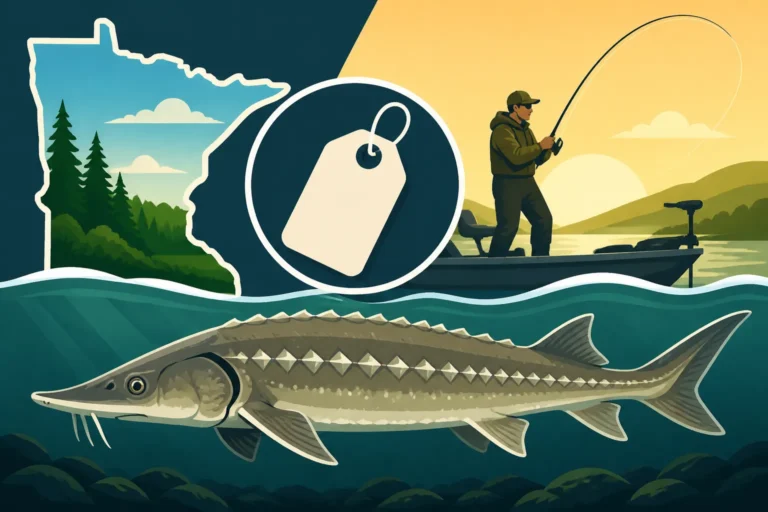
If you plan to harvest a lake sturgeon in Minnesota, particularly from the Canada-Minnesota border waters like the Rainy River or Lake of the Woods, purchasing a special sturgeon endorsement (often referred to as a tag) is non-negotiable. You cannot possess or transport a harvested lake sturgeon without this tag.
Here's how it generally works:
- One Fish Per Year: The endorsement allows you to take and possess only one lake sturgeon per calendar year.
- Non-Transferable: These tags are tied to your fishing license and cannot be transferred to another angler. No duplicates will be issued.
- Immediate Validation: As soon as you reduce a sturgeon to possession (meaning you decide to keep it), you must immediately validate your tag by marking the month, day, and time of the catch.
- Proper Attachment: The validated tag must then be securely attached to the caudal peduncle (the narrow part of the body just in front of the tail fin) using string, twine, or wire, in a way that it cannot be easily removed before the fish is consumed or processed.
- Registration: Harvested sturgeon must be registered with the Minnesota DNR within 48 hours of being caught. This step is vital for conservation, as it provides the DNR with crucial data for population management. You'll need to provide your tag holder information, date caught, fish length, and the name of the water body where it was taken.
- Transport Intact: Sturgeon must be transported fully intact (though gills and internal organs may be removed) until registered or at your permanent residence.
The tag system is a critical tool for managing the harvest of this slow-growing species, ensuring that the number of fish kept remains sustainable.
Slot Limits and Protected Lengths
Minnesota's sturgeon regulations use a "protected slot limit" system in the harvest waters to help conserve the population. This means there are specific size ranges of fish that must be immediately released, protecting sexually mature adults and allowing younger fish to grow.
For the Canada-Minnesota border waters (Rainy River, Lake of the Woods), if you have a valid sturgeon endorsement, the following size restrictions apply for harvest:
- Protected Slot: Any lake sturgeon between 45 and 50 inches (inclusive) or over 75 inches in length can be harvested.
- Mandatory Release: This means any sturgeon under 45 inches and those between 50 and 75 inches must be immediately returned to the water.
The idea behind this "trophy" regulation is to protect the middle-aged breeding fish (50-75 inches) that are vital for reproduction, while allowing for the harvest of smaller, younger fish (45-50 inches) and truly exceptional, very old fish (over 75 inches). These largest fish have often completed most of their reproductive life and represent a lifetime achievement for an angler.
Catch-and-Release Best Practices for Sturgeon
Given their long lifespan, slow growth, and often impressive size, proper catch-and-release techniques are essential when fishing for lake sturgeon, even if you intend to harvest. Many sturgeon anglers practice catch-and-release exclusively, and it's important to minimize stress on the fish.
Here are some key tips:
- Use Appropriate Gear: A heavy rod (like a heavy bass, catfish, or muskie rod), a bait-casting reel, and strong line are recommended. This helps you land the fish more quickly, reducing the fight time and stress on the sturgeon.
- Circle Hooks: Many experienced sturgeon anglers use circle hooks with a sturdy leader. Circle hooks are designed to hook in the corner of the fish's mouth, minimizing deep hooking and making release easier.
- Minimize Air Exposure: Try to keep the fish in the water as much as possible, especially if you're measuring or taking a quick photo. These large fish can be heavy, so support their full body weight.
- Handle with Care: Avoid dragging sturgeon over rough surfaces or rocks. If you must bring the fish into a boat, use a large, strong net or cradle. Be gentle with their delicate scutes (bony plates) and internal organs.
- Revive the Fish: If the fight was long, or the fish seems lethargic, hold it upright in the water by its tail and head, allowing water to flow over its gills until it regains strength and can swim away on its own.
- Report Tagged Fish: Lake sturgeon are often tagged by the DNR for research purposes. If you catch a tagged sturgeon, record the tag number (usually a small yellow disc under the dorsal fin) and report it to the DNR. Do not remove the tag if you plan to release the fish. You'll often receive information about that specific fish's history, which is pretty cool!
Practicing good stewardship ensures that these magnificent fish continue to thrive in Minnesota's waters for years to come. For more on safe release, check out our guide on Catch and Release Best Practices in Minnesota.
Essential Resources and Where to Find Official Regulations
Let's be real, regulations can change, and sometimes they're nuanced. The best way to ensure you're always compliant and ready for your sturgeon fishing trip is to go straight to the source.
Minnesota DNR Website: Your Go-To Source
The Minnesota Department of Natural Resources (DNR) website is the absolute authority for all fishing regulations, including those for lake sturgeon. You'll find the most current and official information there, often updated more frequently than printed booklets. While annual fishing regulation booklets are printed, special rules and last-minute changes for species like lake sturgeon are always posted online.
- Online Regulations: The DNR's fishing regulations page is where you'll find the most up-to-date seasons, limits, and special instructions. This is particularly important because border water rules, like those for the Rainy River and Lake of the Woods, are often subject to specific agreements and may differ from inland regulations.
- LakeFinder: Use the DNR's LakeFinder tool to research specific lakes and rivers. It can tell you what species are present and if there are any special local regulations for that body of water.
- Tagged Fish Reporting: If you catch a tagged sturgeon, the DNR website is the preferred and most efficient way to report it. You'll get valuable historical data about that fish in return.
- Sturgeon Tag Information: Details on how to purchase, validate, and register your sturgeon endorsement are all available on the DNR site.
It’s a good habit to check the DNR website just before any fishing trip, even if you think you know the rules, because things can always shift. For example, you can always find the latest updates on important regulation changes, such as those for Minnesota Fishing Regulations Changes for 2026.
Local Bait Shops and Guides: On-the-Ground Info
While the DNR website is the official word, local bait shops and experienced fishing guides are goldmines of practical, real-time information. These folks are on the water constantly and often have the most current insights into fishing conditions, hot spots, and any unwritten nuances of the regulations.
- Bait Shop Knowledge: A quick stop at a local bait shop in Baudette or International Falls before hitting the Rainy River can give you invaluable tips on bait choices, current flow, and local interpretations of regulations. They often hear about emergency closures or other changes before they make it into wider circulation. They can also point you to the best gear, like the right size no-roll sinker or circle hooks.
- Fishing Guides: Hiring a reputable fishing guide, especially for a trophy species like sturgeon, is an excellent investment. Guides not only know where the fish are and what they're biting on, but they're also experts on the regulations for their specific area. They can teach you proper fish handling for safe release and ensure you stay within the legal limits. For example, many guides on the Rainy River offer dedicated sturgeon trips, often focusing on catch-and-release.
Always remember that guides and bait shop owners are a fantastic resource, but for the definitive legal rules, the DNR's official regulations remain your ultimate guide.
Summary of Lake Sturgeon Seasons and Limits (Rainy River/Lake of the Woods)
To make it a bit easier to digest, here's a summary of the general lake sturgeon seasons and limits for the popular Canada-Minnesota border waters, such as the Rainy River and Lake of the Woods. Always refer to the most current Minnesota DNR regulations for precise dates and any potential updates.
| Season Period | Type of Fishing | Sturgeon Endorsement Required? | Size Limit for Harvest | Notes |
|---|---|---|---|---|
| April 24th – May 7th | Harvest & C&R | Yes | 45-50 inches (inclusive) OR over 75 inches | Release fish under 45" or between 50-75". One per calendar year. |
| May 8th – May 15th | Catch-and-Release Only | No | All fish must be released | Closed May 16th – June 30th (no sturgeon fishing allowed) |
| July 1st – September 30th | Harvest & C&R | Yes | 45-50 inches (inclusive) OR over 75 inches | Release fish under 45" or between 50-75". One per calendar year. |
| October 1st – April 23rd (next year) | Catch-and-Release Only | No | All fish must be released | Includes ice fishing season. |
Note: For inland waters, catch-and-release is generally open from June 16th to April 14th, with a closed season from April 15th to June 15th. Harvest is typically not allowed on inland waters.
Remember, having a valid Minnesota Fishing License: Cost, Types & How to Buy (2026) is the first step before you even think about sturgeon.
Disclaimer
Please note: Fishing regulations in Minnesota, especially for species like lake sturgeon which are actively managed, can change. While this guide is based on the most current information available for 2026, it is essential for every angler to consult the official Minnesota Department of Natural Resources (DNR) fishing regulations booklet or their website (mndnr.gov/fishing) before heading out on the water. This ensures you have the most up-to-date and accurate information for the specific body of water you plan to fish. Your adherence to these regulations helps protect Minnesota's natural resources for future generations.