Best Tackle for Brook Trout in Minnesota
There’s a special kind of thrill that comes with chasing brook trout in Minnesota’s pristine streams and tucked-away lakes, but let’s be real – these beautiful, wild fish aren't always easy to fool. Their habitats are often tight, brush-lined, and require a precise approach, which means generic fishing gear just won't cut it. This comprehensive guide is here to walk you through selecting the ideal tackle for brook trout, ensuring you're perfectly equipped to enjoy the rewarding experience of landing these vibrant, native gems.
Understanding the Brook Trout and Their Unique Demands
Before we dive into specific gear, it’s really helpful to understand what makes brook trout tick and why they demand a particular kind of tackle. Unlike their lake-dwelling cousins or even larger river trout, Minnesota's brook trout, especially in our cold, clear streams, are often smaller, incredibly skittish, and live in surprisingly tight quarters. Think about the Driftless Area trout streams in southeastern Minnesota, or those hidden gems up on the North Shore; these are often small, spring-fed brooks with abundant overhead cover and crystal-clear water.
This environment presents a few challenges. First, stealth is paramount. Any heavy-footed approach or clunky cast will send them scattering. Second, accuracy is key. You need to drop a small lure or fly into a tight pocket under a log or overhanging branch. Third, because they're often not huge, using overly heavy gear just takes away from the sport and can even harm the fish if you're practicing catch and release. The best tackle for brook trout in Minnesota is all about finesse, light presentation, and making sure every cast counts. Ignoring these factors is often why anglers struggle to connect with these elusive fish, wondering why their bass setup isn't producing.
Rod and Reel Combos: The Heart of Your Finesse Setup
When targeting brook trout, your rod and reel combo isn't just about casting; it's an extension of your arm, designed for delicate presentations and sensitivity. You're not looking for brute strength here, but rather a nimble, responsive tool.
Choosing the Right Rod Action and Length
For brook trout, an ultralight or light action spinning rod is your best friend. Why ultralight? Because it offers the sensitivity needed to detect the subtle takes of a small brook trout and the flexibility to cast tiny lures or baits accurately. A moderate-fast or fast action will give you enough backbone for hooksets while still allowing for a smooth cast.
Length is equally crucial, perhaps even more so when you're wading through brushy streams or casting in tight pockets. A rod between 4.5 and 6 feet is generally ideal. For those really overgrown, intimate streams, a 4.5 to 5-foot rod gives you incredible maneuverability and helps you avoid snagging on every backcast. If you're fishing slightly wider streams or small ponds where longer casts might be necessary, bumping up to a 5.5 or 6-foot rod can provide that extra reach without sacrificing too much precision. You really want to match the rod to the environment you expect to be fishing the most. Many anglers find a good quality ultralight rod from brands like St. Croix or Fenwick makes a world of difference. When you're fishing for brookies, especially when you consider the Seasonal Fishing Patterns in Minnesota, having the right rod for the conditions can significantly increase your success rate.
Selecting a Complementary Spinning Reel
Pair your ultralight rod with an equally small and lightweight spinning reel. Think about sizes in the 500 to 1000 range. These reels are designed to hold lighter line, balance perfectly with an ultralight rod, and have a smooth drag system. A smooth drag is incredibly important because even a small brook trout can put up a surprisingly strong fight on ultrallight tackle, and a sticky drag can lead to snapped lines or pulled hooks. Look for reels with a decent retrieve ratio (around 5.0:1 or 5.2:1 is usually fine) and minimal rotor wobble.
Don't feel like you need to break the bank, but investing in a reel from a reputable brand like Shimano, Daiwa, or Pflueger will ensure reliability and a consistent drag. You can find excellent options for both rods and reels at places like Bass Pro Shops, where you can often try out different combos to feel the balance, or browse a wide selection online through Amazon for competitive pricing.
Line and Leader Choices for Stealth and Strength
This is where many anglers make mistakes. Using heavy line designed for walleye or bass fishing is a surefire way to spook wary brook trout in clear water. Stealth and a low-visibility presentation are paramount.
Main Line Considerations
For your main line, 2-pound to 4-pound test monofilament or fluorocarbon is the sweet spot.
- Monofilament: This is often the go-to for many brook trout anglers. It has a good amount of stretch, which acts as a shock absorber against sudden runs, and it’s relatively inexpensive. Brands like Berkley Trilene XL or Stren Original are classic choices. The slight stretch can also be forgiving if your drag isn't perfectly set.
- Fluorocarbon: While a bit pricier and with less stretch than mono, fluorocarbon is virtually invisible underwater, which is a huge advantage in clear trout streams. It's also more abrasion-resistant, which can be a lifesaver when fishing around rocks and submerged wood. You can spool your entire reel with fluorocarbon, or use it solely for leaders.
Some anglers opt for very light braided line (e.g., 6-pound test, which has the diameter of 2-pound mono) for its incredible sensitivity and strength, but if you go this route, you absolutely must use a fluorocarbon leader. Braided line is highly visible and can spook fish if tied directly to your lure or bait. When thinking about Best Fishing Line for Walleye (Braid vs Mono vs Fluoro), the considerations are quite different compared to delicate brook trout.
The Importance of a Leader and Tippet
No matter what main line you choose, a leader is critical, especially when fly fishing or using braid as your main line.
- Fluorocarbon Leaders: These are almost always preferred for their low visibility. A 4-foot to 6-foot section of 2 to 4-pound test fluorocarbon leader tied to your main line (using a small swivel or a reliable knot like the Double Uni knot) will provide that crucial invisibility. This is especially true for the highly pressured waters that sometimes occur in the Driftless Area Trout Streams (Southeast Minnesota).
- Tippet (Fly Fishing): For fly anglers, a tapered leader ending in a fine tippet (often 5x, 6x, or even 7x for tiny flies and skittish fish) is standard. This allows for a delicate presentation of your fly. Matching your tippet size to your fly size and the size of the fish you expect to encounter is key. For example, a 7x tippet might be necessary for tiny size 20 dry flies on highly educated brookies.
Top Lures, Baits, and Flies for Minnesota Brook Trout
Now for the fun part – what to tie on! Brook trout aren't always picky, but they do have preferences, and presentation often trumps the specific lure.
Spinners and Spoons
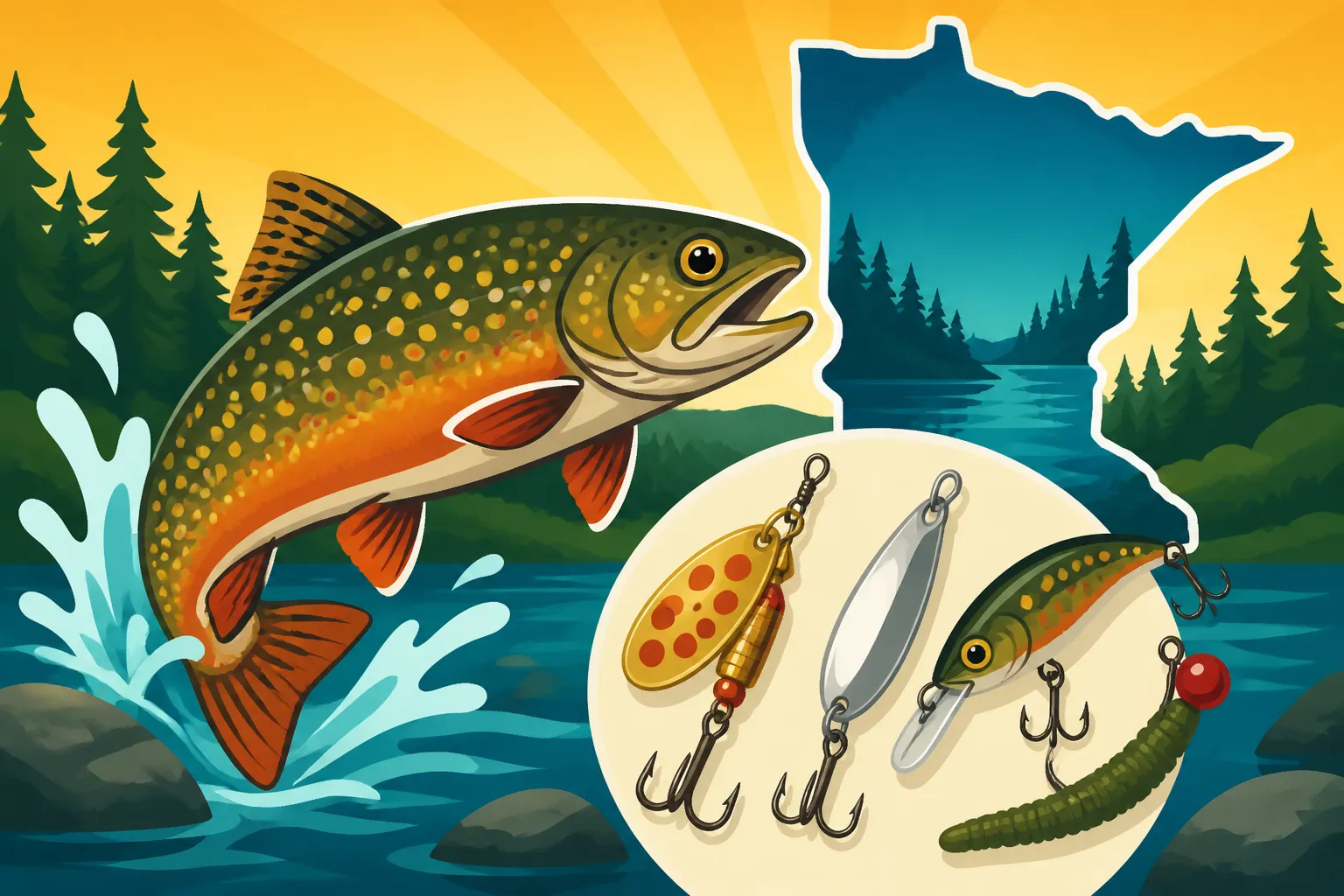
These are arguably the most popular and effective artificial lures for spin fishing brook trout. Their flash and vibration mimic small baitfish or aquatic insects, which are irresistible to hungry brookies.
- Inline Spinners: Brands like Mepps (especially the Aglia or Black Fury in sizes #00 to #1), Panther Martin, and Roostertail are legendary for a reason. Their spinning blade creates flash and vibration that fish simply can't ignore. Opt for natural colors like black, brown, or silver, but don't shy away from bright orange or chartreuse, especially in slightly off-color water.
- Small Spoons: Tiny spoons like the Kastmaster, Little Cleo, or Acme Phoebe in 1/16th to 1/8th ounce sizes can be incredibly effective. Their wobbling action is enticing, and they cast well for their size. Silver, gold, or copper finishes are usually best.
The trick with both spinners and spoons is to cast slightly upstream and retrieve just fast enough to get the blade or spoon working, letting it drift naturally downstream through prime holding water.
Natural Baits: The Old Reliables
Sometimes, nothing beats natural bait, especially for reluctant brook trout or when you're introducing a new angler to the sport.
- Worms: A small piece of a nightcrawler or a red wiggler presented on a tiny hook (size 10-14) under a small split shot or tiny bobber is often a brook trout killer. They are universally accepted by almost all fish species.
- Minnows: Small shiner or fathead minnows (1-2 inches) can be deadly, particularly for larger brook trout if they're present. Hook them lightly through the lips or back and let them drift naturally.
- Grubs and Larvae: Wax worms, mealworms, or even small aquatic insect larvae (like caddis larvae if you can find them) are fantastic choices. They are natural food sources for brook trout and are usually readily available at bait shops.
Flies for the Fly Angler
If you prefer fly fishing, a whole world of possibilities opens up. Brook trout are often eager to take a well-presented fly.
- Dry Flies: When trout are rising to insects, dry flies are exhilarating. Classic patterns like the Elk Hair Caddis, Adams, Parachute Adams, or a tiny ant pattern in sizes 14-20 are highly effective. Focus on matching the hatch if you see specific insects on the water.
- Nymphs: When fish aren't rising, nymphs are often the most consistent producers. Patterns like the Pheasant Tail, Hare's Ear, Prince Nymph, or small stonefly nymphs in sizes 12-18 are excellent choices. Fish them with a strike indicator and enough weight to get them down to the fish's feeding lane. For more detailed insights, check out How to Catch Stream Trout: Nymphs & Dries.
- Streamers: For larger brook trout or in higher flows, small streamers like a Woolly Bugger (black, olive, or brown) or a Grey Ghost in sizes 8-12 can imitate baitfish and provoke aggressive strikes.
Here’s a quick overview of popular tackle types:
| Tackle Type | Pros | Cons | Ideal Conditions |
|---|---|---|---|
| Inline Spinners | Highly attractive, easy to use | Can twist line, snags in heavy cover | Moving water, pockets, larger pools |
| Small Spoons | Casts well, erratic action | Less effective in very slow current | Ponds, wider streams, deep runs |
| Worms | Universal appeal, natural scent | Can be messy, fish swallow hook deeply | All conditions, especially for beginners |
| Minnows | Attracts larger fish | Requires keeping live, can be regulated | Larger streams, ponds, targeting bigger fish |
| Dry Flies | Exciting visual strike, light tackle | Requires specific insect hatch, technical | Calm water, rising fish, clear conditions |
| Nymphs | Consistent producer, sub-surface | No visual strike, can be hard to detect takes | All conditions, especially when fish aren't rising |
| Streamers | Aggressive strikes, imitates baitfish | Less effective for small, skittish fish | Faster water, targeting larger brook trout |
Essential Accessories for the Brook Trout Angler
Beyond your rod, reel, line, and lures, a few key accessories can make your brook trout fishing experience much more enjoyable and successful.
Landing Net and Release Tools
A small, fine-mesh landing net is invaluable. It protects the fish's delicate slime coat and fins, especially if you're practicing Catch and Release Best Practices in Minnesota. Look for rubberized or knotless nylon mesh to minimize harm. Forceps or needle-nose pliers are crucial for quickly and safely removing hooks, especially small treble hooks from spinners or deeply swallowed bait. Don't forget a pair of line clippers or a small knife for quick re-tying.
Waders, Boots, and Clothing
If you're serious about stream fishing, a good pair of waders and wading boots is a game-changer. They allow you to access prime spots, maintain stealth, and stay comfortable in cold water. Chest waders are often preferred for flexibility, while hip waders can suffice for shallower streams. Layer your clothing appropriately for the weather, even in summer, as stream water can be surprisingly cold. Remember a good hat and polarized sunglasses – the latter will help you spot fish and structure beneath the water's surface.
Tackle Storage and Navigation
You don't need a huge tackle box for brook trout. A small, lightweight vest or sling pack with a few small tackle trays is usually sufficient for carrying your lures, spare line, and tools. This keeps everything accessible without being cumbersome when you're moving upstream. For navigation, especially in unfamiliar areas or when exploring remote streams, a reliable GPS device or a fishing app like Fishbrain or Navionics on your phone can be a huge asset. These tools can help you find access points, track your movements, and mark productive spots.
Finally, always make sure you have your Minnesota Fishing License: Cost, Types & How to Buy (2026) and, critically, your Minnesota Trout Stamp & Trout Regulations with you. It's a small price to pay for the privilege of fishing these beautiful waters and supporting conservation efforts. Knowing the rules, like the Stream Trout Season & Limit in Minnesota, is also part of being a responsible angler.
Final Thoughts on Tackle for Brook Trout
Chasing brook trout in Minnesota is a truly special pursuit. It’s a chance to connect with wild nature, often in secluded, beautiful settings. By thoughtfully selecting your tackle – focusing on ultralight rods and reels, light and low-visibility lines, and appropriately sized lures, baits, or flies – you're not just buying gear; you're investing in a more effective, enjoyable, and ethical fishing experience. Whether you're a seasoned angler or just starting your journey into trout fishing, having the right setup will make all the difference in fooling these wary beauties.
Disclaimer
Fishing regulations and best practices can change. Always consult the latest Minnesota Department of Natural Resources (DNR) fishing regulations before heading out on the water to ensure compliance with current laws.