Best Tackle for Black Crappie in Minnesota
The search for the perfect black crappie tackle in Minnesota can feel like a never-ending quest. You spend hours on the water, trying lure after lure, only to come up empty-handed while someone else is pulling them in left and right. It's frustrating when you know these feisty panfish are lurking, but you just can't seem to crack the code. This guide is here to help you cut through the noise and equip you with the best tackle strategies for consistently catching black crappie across Minnesota's diverse waters.
Understanding Black Crappie Behavior and Habitat
Before we even talk about rods and reels, it's crucial to understand the elusive black crappie. These fish aren't just swimming aimlessly; they have distinct patterns of behavior and preferred habitats that dictate what tackle will be most effective. Getting inside their heads, so to speak, is the first step to filling your livewell.
Seasonal Movements and Preferred Depths
Black crappie are masters of adaptation when it comes to depth and location, constantly shifting with the seasons. In the crisp days of spring, especially as the ice melts and water temperatures hover in the 40s and 50s, crappie will often move surprisingly shallow. They're looking for warmer water and pre-spawn staging areas, congregating near reeds, submerged timber, or even under docks. A common scenario sees them in 4-8 feet of water, soaking up the sun's warmth. Once the spawn hits, usually when water temps reach the mid-60s, they'll move even shallower, often just a few feet deep, making them highly accessible for a brief window.
As summer fully takes hold and the sun beats down, black crappie typically retreat to deeper, cooler waters, often relating to the thermocline if a lake has one. You'll find them suspended over deep basins, around deep weed lines (especially coontail or cabbage beds), or relating to distinct underwater structure like humps, points, and brush piles in 15-30 feet of water. Their tendency to suspend means they might be 10 feet down in 25 feet of water, which requires different presentation strategies. When fall arrives, and water temperatures begin to drop, crappie will once again undergo a transition. They often move back toward deeper basins but will still associate with weed edges and available cover, preparing for the long winter. This can be a fantastic time to target them before the freeze-up.
Then comes winter, and the world of ice fishing for crappie. Under the ice, black crappie often hold in deep basins, suspending anywhere from just under the ice to a few feet off the bottom, or relating to specific structure like deep humps or the edges of substantial weed beds. Understanding these seasonal depth changes is paramount. Trying to catch them in 5 feet of water in August is usually a fruitless endeavor, just as trying to plumb 30-foot depths in April might be. Your tackle, especially your line choice and lure weight, needs to adapt to these varying depth requirements.
Forage and Feeding Habits
Black crappie are opportunistic feeders, but their diet primarily consists of smaller prey items, which directly influences the size of tackle you should be using. Their mainstays include tiny minnows (like fatheads or shiners), various insect larvae, small crustaceans, and zooplankton. This diverse menu means they're not always chasing big, aggressive baits.
Crucially, crappie have relatively small, delicate mouths. This isn't a walleye with a gaping maw built for gulping down large shiners. A crappie's mouth size necessitates smaller hooks and more compact lure profiles. Think subtle presentations, especially in clear or cold water. They're also notorious for their light bites; sometimes, it feels like nothing more than a slight "tick" or simply a feeling of added weight on your line. This is why super-sensitive tackle is not just a luxury but a necessity for consistently detecting those finicky crappie bites. Targeting these fish often means being out during low-light conditions, like dawn or dusk, or on overcast days, as their large eyes are adapted for excellent vision in dim light, giving them an advantage over their prey.
Essential Rod and Reel Setups for Black Crappie
Having the right rod and reel can truly make or break your crappie fishing success. It’s not about brute strength; it’s about finesse, sensitivity, and the ability to detect the lightest of bites. Many anglers make the mistake of using gear that’s too heavy, leading to missed opportunities and lost fish.
Rod Specifications: Length, Action, and Power
For open water crappie fishing in Minnesota, a rod length between 6 to 7 feet is generally ideal. This length provides enough casting distance for covering water, while still offering good control for precise jigging or slip bobber presentations. For ice fishing, however, you’ll want something much shorter, typically in the 24 to 30-inch range, which is perfect for working in the confines of an ice shelter or sitting over an open hole.
When it comes to action, a fast to moderate-fast action rod is usually preferred. "Action" refers to where the rod bends when pressure is applied. A fast action rod bends mostly in the tip, providing excellent sensitivity to detect those subtle crappie bites and offering quick hook sets. A moderate-fast action will bend a bit further down, giving a slightly softer feel which can be beneficial when crappie are particularly finicky or when using very light line.
Power is where many anglers go wrong. For black crappie, you absolutely want an ultra-light to light power rod. "Power" describes the rod's lifting strength. An ultra-light rod will load up even with a small crappie, absorbing head shakes and protecting your light line from breaking the crappie's delicate mouth. Using a medium or even medium-light power rod will feel like using a broomstick for crappie, making it nearly impossible to feel bites and often resulting in tearing the hook out of their soft mouths. Rods from brands like St. Croix or Fenwick offer fantastic sensitivity and come in the ideal powers for crappie fishing, and you can often find great deals on these at stores like Bass Pro Shops.
Reel Types and Line Choices
The perfect reel for black crappie fishing is typically a small spinning reel, often in the 500 or 1000 size category. These small reels are lightweight, balance perfectly with ultra-light rods, and most importantly, offer a very smooth drag system. A smooth drag is non-negotiable for crappie, as it allows the fish to pull line without putting excessive pressure on your light line or the hook in their soft mouth. Look for reels from reputable brands like Shimano, Daiwa, or Pflueger, which are known for their reliable drag performance.
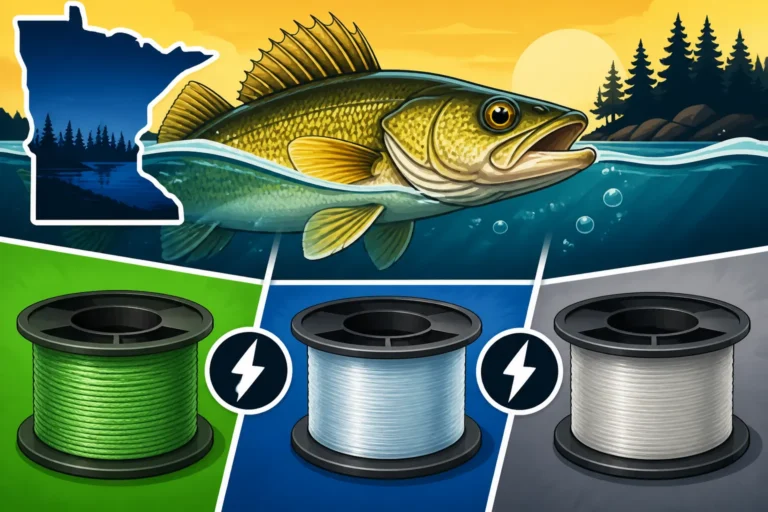
When selecting your fishing line, you have a few excellent options, each with its own advantages:
- Monofilament (Mono): Often in 2-4 pound test. Mono is very forgiving due to its stretch, which can be a real asset when crappie bite lightly or when you're using super small jigs that could otherwise tear out. It's also budget-friendly and floats, making it good for bobber fishing. The downside is reduced sensitivity.
- Fluorocarbon (Fluoro): Typically 2-4 pound test. Fluoro offers much better sensitivity than mono, has very low visibility underwater (which can be crucial in clear lakes), and sinks, which helps get your small baits down faster. The low stretch and high sensitivity mean you'll feel more bites, but it's less forgiving if you set the hook too hard.
- Braided Line with Fluorocarbon Leader: A popular choice for ultimate sensitivity. Use 4-6 pound braided line as your main line, tied to a 2-4 pound fluorocarbon leader (typically 18-36 inches long). The braid gives you incredible sensitivity and strength, while the fluoro leader provides invisibility and a bit of stretch for presentation. This combination allows you to feel the faintest taps and gives you a strong backbone for pulling through light weeds, making it a very versatile setup for crappie fishing in various conditions.
No matter your choice, ensure your line is fresh at the start of each season. Old, brittle line is a recipe for heartbreak, especially when you finally hook that slab crappie.
Top Lures and Baits for Minnesota Black Crappie
Now we get to the fun part: what to tie on! Black crappie are not overly picky, but they do respond best to certain presentations and bait types. The key is often matching the hatch – or at least, matching the size of their primary forage.
Jigs: Plastics, Hair Jigs, and Marabou
Jigs, in all their variations, are arguably the most effective lures for black crappie in Minnesota. Their small size and versatile presentation options make them irresistible.
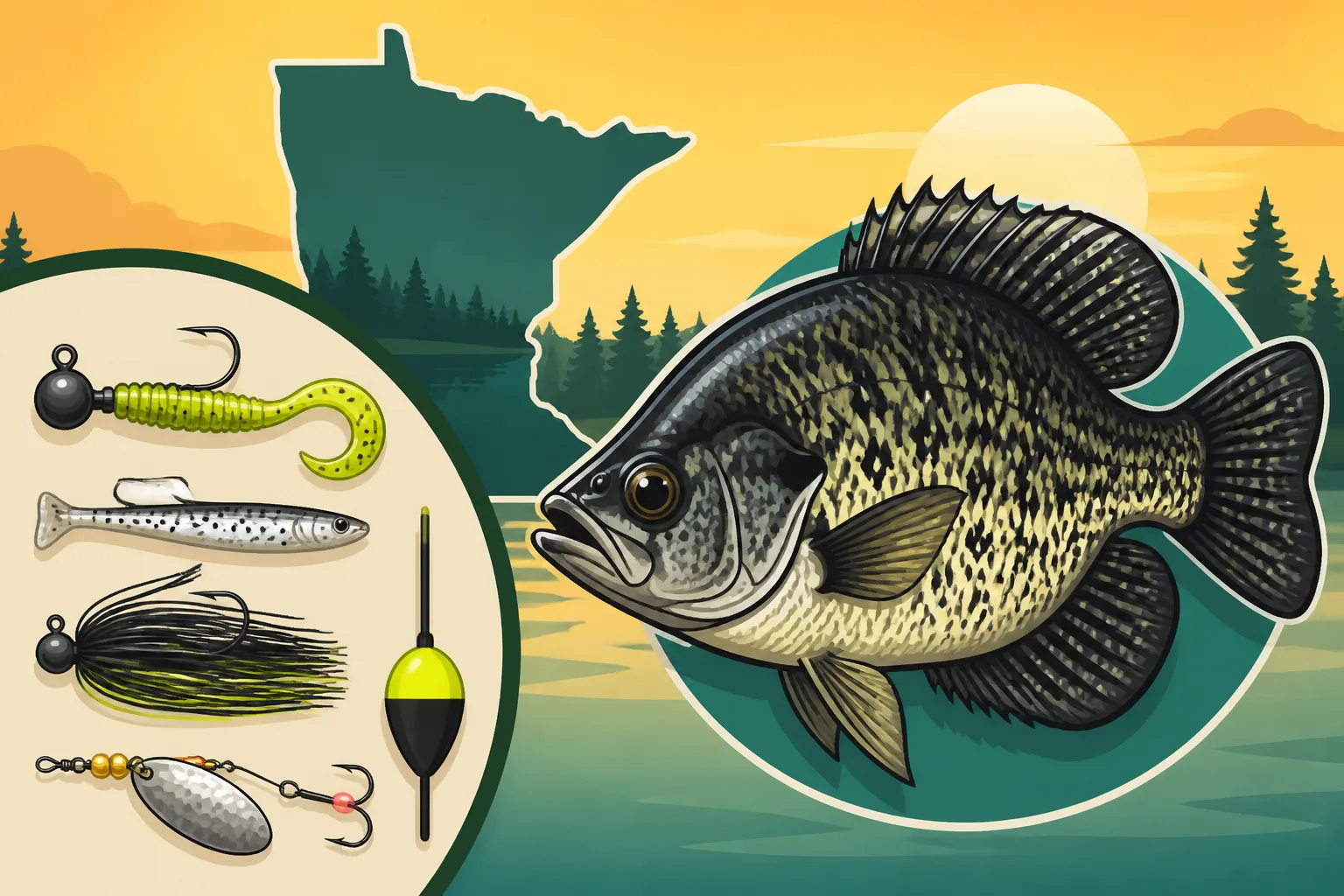
- Plastic Jigs: These are staples in any crappie angler's tackle box. Think tiny tube jigs, grubs (like a Mister Twister or a Kalin's Grub), and small swimbaits. Sizes typically range from 1/32 ounce to 1/16 ounce, though you might go as light as 1/64 ounce for extremely finicky fish or as heavy as 1/8 ounce for deeper water or windy conditions. Popular colors include chartreuse, white, electric chicken, and natural minnow patterns. The subtle action of a small plastic tail or the fluttering tentacles of a tube jig can perfectly mimic a struggling baitfish or insect. Brands like Bobby Garland’s Crappie Pro series offer a huge array of crappie-specific plastics that are consistently effective. You can stock up on a wide variety of colors and styles from retailers like Amazon.
- Hair Jigs and Marabou Jigs: These old-school favorites are experiencing a resurgence for a good reason – they simply work, especially when the crappie are lethargic or in cold water. Marabou jigs, made from soft, flowing feathers, have an incredibly lifelike action in the water, even with the slightest movement. The material "breathes" and expands on the pause, mimicking a dying baitfish or insect. Common sizes are again 1/32 to 1/16 ounce. Colors like black, olive, white, or chartreuse are often deadly. These jigs are best fished with a very slow, subtle retrieve, often with long pauses, allowing the marabou to do its magic. They are fantastic for vertical jigging and often outproduce plastics when the bite is tough.
- Presentation is Key: Whether you're using plastics or marabou, how you present the jig matters. For casting, a slow, steady retrieve with occasional twitches can be effective. When vertical jigging, whether from a boat or through the ice, a subtle "lift and drop" motion, often just a few inches, is frequently all it takes. Pay close attention to your line for any pauses or subtle movements that indicate a bite.
Live Bait Options: Minnows and Wax Worms
Sometimes, nothing beats the real thing. Live bait remains a highly effective option for black crappie, especially when the bite is slow or when fish are hunkered down.
- Minnows: Small crappie minnows, such as fatheads or rosy reds, are gold for black crappie. They provide natural scent, action, and profile that artificials can sometimes struggle to replicate. Hook them lightly through the top lip, or just behind the dorsal fin if you want them to swim a bit more actively. The goal is to keep them lively. Present them under a bobber or on a small jig head. A classic setup involves a small plain hook (size 6 or 8) tipped with a minnow, suspended at the crappie's depth. This is a go-to method for Crappie & Panfish Fishing Techniques especially for beginners or when fish are not chasing lures.
- Wax Worms and Maggots: These little critters are absolute crappie magnets, especially for ice fishing or during cold water periods in open water. Their high protein content and natural scent are irresistible. They're typically threaded onto a small jig (often a tungsten jig) or a tiny plain hook. They're fantastic for tipping plastics or marabou jigs, adding that extra bit of scent and appeal that can turn a looker into a biter. For delicate bites, two or three wax worms on a tiny jig are often all it takes to entice a crappie.
Bobber Systems: Slip Bobbers vs Fixed
Bobbers are an indispensable tool for crappie fishing, allowing you to present your bait at a precise depth and visualize even the lightest bites.
- Slip Bobbers: For targeting crappie that are suspended deeper than a few feet, a slip bobber system is absolutely essential. A slip bobber allows your line to "slip" through the bobber stopper, enabling you to fish at virtually any depth without having to constantly re-tie or struggle with long leaders. The typical setup involves a bobber stopper (string or rubber), a small bead, the slip bobber itself, a small split shot or two to get your bait down, and your hook or jig. Learning How to Use a Slip Bobber for Walleye & Crappie is a skill that will pay dividends for crappie and many other species. They allow for effortless casting, even when fishing in 15-20 feet of water, and are perfect for presenting live minnows or small jigs near structure or suspended schools.
- Fixed Bobbers: For shallower presentations, typically less than 8-10 feet, a fixed bobber is simpler and equally effective. These bobbers attach directly to your line with a spring clip or by sliding the line through an eyelet and securing it. They're excellent for fishing around shallow cover like lily pads, docks, or weed edges. Different styles exist, like small pencil bobbers for sensitive bites or tear-drop shaped bobbers for more stability in choppy water. When choosing a bobber, select one that's just buoyant enough to suspend your bait, as an oversized bobber will make it harder to detect light bites.
Specialized Tackle for Ice Fishing Black Crappie
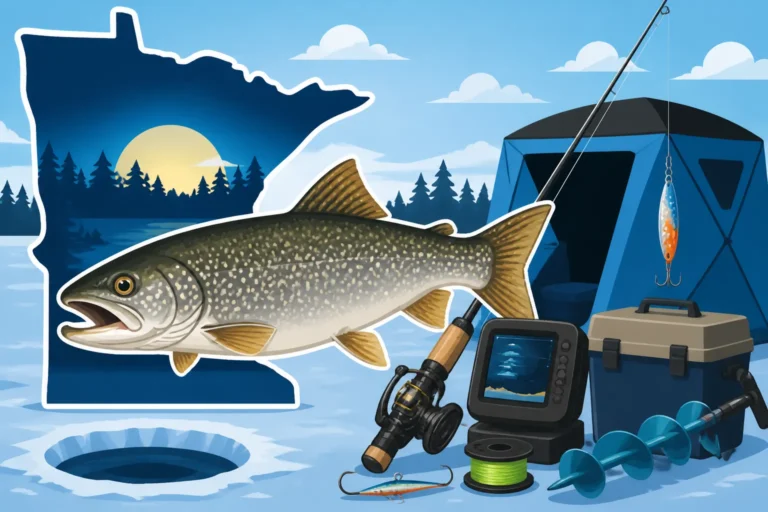
When winter wraps Minnesota in a blanket of ice, black crappie fishing shifts dramatically, and so too must your tackle. Ice fishing for crappie is a unique challenge and a deeply rewarding experience, often involving sophisticated techniques and specialized gear.
Ice Rods and Reels
Forget your open-water setup; ice fishing demands different tools. Ice rods for crappie are significantly shorter, typically ranging from 24 to 30 inches in length. This shorter length is crucial for fishing in tight spaces, like inside an ice shelter, and for maintaining precise control directly over your fishing hole. The power should still be ultra-light, but the action is often very fast, with many rods featuring a highly sensitive tip or even an integrated spring bobber. This super-sensitive tip acts as a visual bite indicator, often dipping or straightening out before you even feel a crappie's subtle tap. Brands like Thorne Bros. or St. Croix make excellent crappie ice rods specifically designed for this purpose.
For ice reels, small spinning reels (500-1000 size) are still very common. However, some ice anglers prefer inline reels, particularly for ultra-light presentations and preventing line twist. Inline reels spool the line directly onto a spool in line with the rod, eliminating twists and allowing for exceptionally smooth drops. They require a bit of practice but can be deadly effective for jigging tiny baits for crappie. Whether spinning or inline, ensure the reel has a smooth, finely adjustable drag, as ice fishing crappie bites can be incredibly light, and their mouths are still delicate even in cold water. For a comprehensive look at what you might need, check out our guide on Best Ice Fishing Gear for Minnesota (2027 Guide).
Micro Jigs and Tungsten
The world of ice fishing crappie jigs is dominated by small, yet effective, options.
- Tungsten Jigs: If you're serious about Ice Fishing for Crappie & Panfish, tungsten jigs are a game-changer. Tungsten is much denser than lead, meaning a tungsten jig can be significantly smaller in profile than a lead jig of the same weight. This rapid sink rate is vital for getting your bait down quickly to suspended crappie schools, especially if you're marking fish on your electronics that are moving through. The smaller profile also appeals to finicky crappie, who might shy away from larger presentations. Sizes from 1/50 ounce to 1/16 ounce are common, often tipped with a single wax worm, a couple of eurolarvae, or a tiny plastic tail. Popular tungsten jig brands include VMC, Northland Fishing Tackle, and Clam, all readily available at outdoor retailers like Bass Pro Shops.
- Jigging Spoons and Small Lures: While micro jigs dominate, small jigging spoons can also be very effective for aggressive crappie. Spoons like the Custom Jigs & Spins Slender Spoon or the Northland Forage Minnow Spoon, in sizes around 1/16 to 1/8 ounce, offer flash and vibration that can call in crappie from a distance. Often, they are tipped with a minnow head or a small plastic trailer. For active crappie, tiny jigging raps or lipless crankbaits in small sizes can also trigger strikes, especially when fish are in a chasing mood. Remember, subtle twitches and pauses are usually more effective than aggressive jigging.
Electronics for Locating Crappie
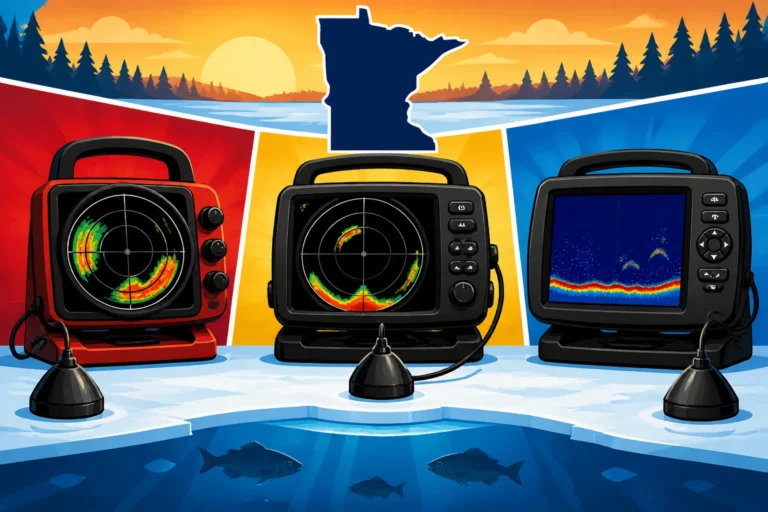
When Ice Fishing for Walleye: Tactics & Setups and crappie, electronics aren't just a nice-to-have; they're practically mandatory. Crappie are often suspended in the water column, not necessarily on the bottom, making them incredibly difficult to locate without the aid of a flasher or fish finder.
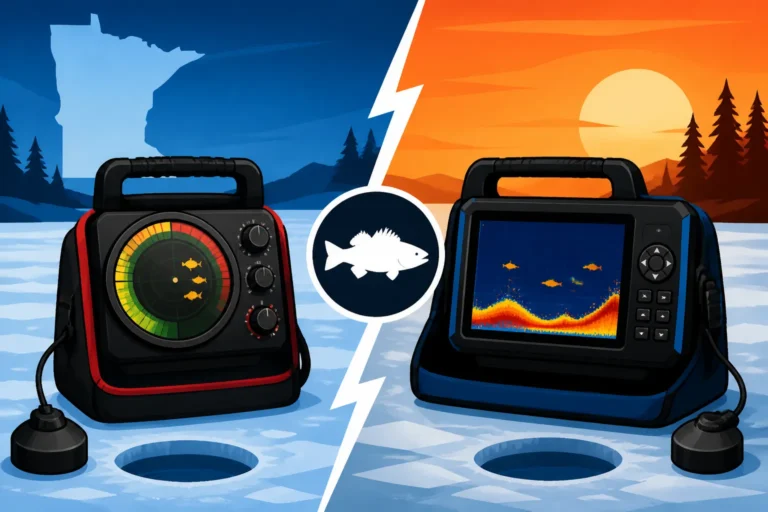
- Flashers (Vexilar, Humminbird Ice Helix, Garmin Striker): These devices are purpose-built for ice fishing and provide real-time information about what's directly beneath your hole. A flasher like a Vexilar FLX-28 or a Humminbird Ice Helix will show you your jig, its depth, and any fish that approach it. Crappie typically appear as faint, often fuzzy, marks or a "cloud" on the flasher screen, indicating a school of fish. Being able to see how fish react to your presentation allows you to adjust your jigging cadence, depth, and even lure choice instantly. It’s an invaluable tool for understanding How to Read a Flasher (Vexilar/Humminbird) and making those crucial real-time adjustments that lead to more bites.
- Benefits: With a good flasher, you can identify the exact depth crappie are holding, determine if they are rising or falling, and see if they are interested in your bait. If they approach and then turn away, you know it's time to change something – maybe a smaller jig, a different color, or a more subtle jigging motion. This immediate feedback loop is what makes ice fishing so dynamic and often more productive than blind fishing.
| Jig Type | Material | Key Characteristics | Best Use Cases | Tipping Options |
|---|---|---|---|---|
| Plastic Tube Jig | Soft Plastic | Mimics baitfish, versatile | Open water: vertical jigging, casting | Crappie minnow, wax worm |
| Grub Jig | Soft Plastic | Tail action, wide range of sizes | Open water: casting, slow retrieve | Crappie minnow, Gulp! |
| Marabou Jig | Feather/Hair | Slow, lifelike fall, subtle pulse | Fickle crappie, cold water, vertical | None (unless very small piece) |
| Tungsten Jig | Tungsten | Heavy for size, fast sink rate | Ice fishing, deep water, windy conditions | Plastics, wax worm, eurolarvae |
| Jigging Spoon | Metal | Flash and vibration, aggressive | Active crappie, deeper water, ice fishing | Minnow head, plastic tail |
Disclaimer
Fishing regulations can change frequently. Always consult the latest Minnesota Department of Natural Resources (DNR) fishing regulations handbook before heading out on the water. This guide provides general information and recommendations but does not supersede official regulations.