Best Gear for Ice Fishing Brown Trout in Minnesota
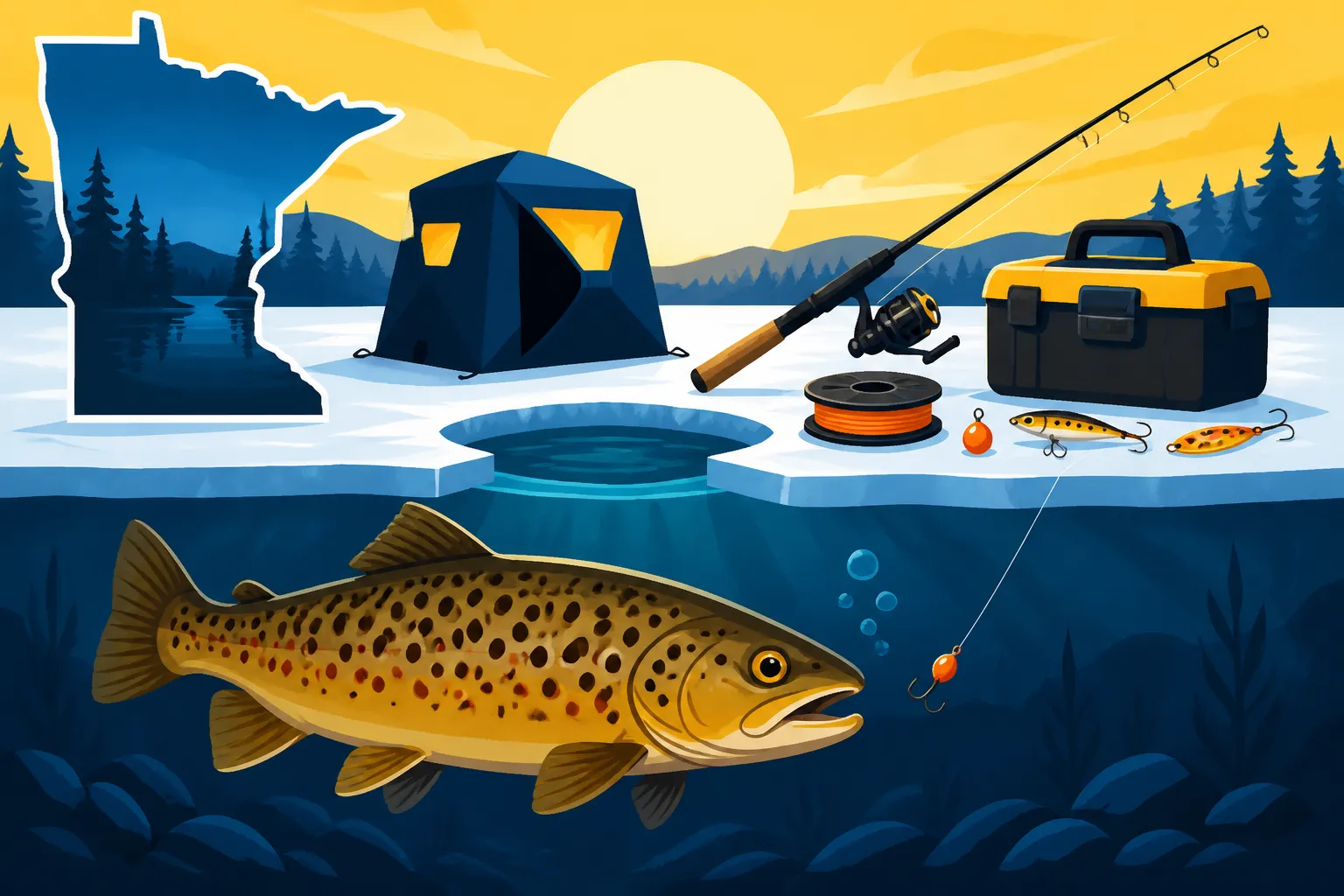
Trying to target brown trout through the ice in Minnesota can feel like chasing ghosts. Unlike their walleye or panfish cousins, brown trout often hang out in unique areas and demand a slightly different approach, making it frustrating for anglers who aren't quite dialed into their winter habits. This guide is dedicated to equipping you with the specific gear and strategies you need to confidently pursue and land these elusive, hard-fighting beauties through Minnesota's frozen waters.
Understanding Brown Trout Behavior Under the Ice
Before we even talk about rods and reels, it's crucial to get inside a brown trout's head. Knowing where they live and what makes them tick under a sheet of ice is half the battle won, and it profoundly influences your gear choices.
Preferred Habitats and Depths
During the open water season, brown trout are often found in cooler, well-oxygenated waters like streams, rivers, and deep, clear lakes. When the ice forms, this preference doesn't really change; they still seek out those comfortable, cold environments, usually in deeper sections of lakes, often near structure. You're generally looking for depths between 15 and 40 feet, though they can certainly suspend shallower or drop into even deeper holes depending on the specific lake and forage availability. Think about areas where an underwater point drops off sharply, or near sunken islands, rocky ledges, and transition zones between different bottom types. These spots offer cover, ambush points, and often hold baitfish. In some of Minnesota's stocked trout lakes, they might cruise slightly shallower during low-light periods, but their core daytime hangouts will usually be deeper.
Foraging Habits and Diet
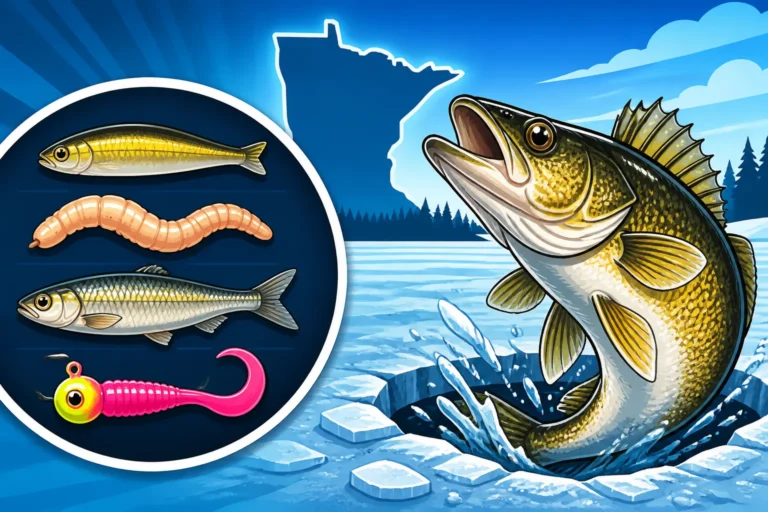
Brown trout are opportunistic predators, and this holds true in winter. Their diet largely consists of whatever small fish, insects, or crustaceans are readily available. In many Minnesota lakes, this means they'll be keying in on things like emerald shiners, cisco (tullibee), perch fry, and even smaller panfish. They’re not as picky as some species, but they are incredibly efficient hunters. This knowledge is vital because it tells us what kind of baits and lures to present. If they're primarily feeding on minnows, a minnow imitation lure or live minnow will be highly effective. If insects or smaller invertebrates are on the menu, smaller jigs tipped with plastics or wax worms might be the ticket. They often feed in bursts, especially around dawn and dusk, so understanding these peak feeding times can make a huge difference in your success rate.
Essential Ice Fishing Rods and Reels for Brown Trout
You can have the best lures in the world, but if your rod and reel aren't up to the task, you'll be missing bites and losing fish. Brown trout are strong, feisty fighters, especially when hooked through the ice, and they demand responsive gear.
Rod Selection: Length, Action, and Power
For brown trout, you're generally going to want a rod that offers a good balance of sensitivity and backbone. A rod between 28 and 36 inches is a sweet spot, providing enough length to fight fish without being cumbersome in a shelter. As for action, a fast or extra-fast tip is usually preferred. This allows you to detect subtle takes—which brown trout often have, especially in cold water—and quickly set the hook. The tip will be sensitive, but the mid-section and butt of the rod will have enough power to handle a hard-charging trout. A medium-light to medium power rod is typically ideal. Too light, and you risk breaking off on a strong run; too heavy, and you might not feel those lighter bites. For instance, a 30-inch medium-light rod with a fast action from a brand like St. Croix or Fenwick offers excellent sensitivity and the necessary power. This combination will let you feel the smallest bump and still have the leverage to turn a 20-inch brown trout away from cover.
Reel Selection: Smoothness and Drag System
A reliable spinning reel is usually the go-to for brown trout ice fishing. Size-wise, a 1000 or 2000 series reel is often perfect. The most critical feature to look for is a smooth, consistent drag system. Brown trout can make incredibly powerful, quick runs, especially in the tight confines of an ice fishing hole. A sticky or jerky drag will lead to broken lines or pulled hooks more often than not. You want a reel where the line peels off smoothly under pressure, without any hesitation. A good quality reel from companies like Shimano or Daiwa will offer the kind of performance you need. Pair this with a relatively fast gear ratio (around 5.0:1 to 6.0:1) to quickly retrieve slack line or reel a fish in when it's charging towards you. Don't skimp on your reel; it's your direct connection to the fish, and a few extra dollars here can save a lot of heartbreak.
Lures and Baits That Entice Winter Brown Trout
Once you've got your rod and reel sorted, it's time to talk about what you're actually putting down the hole. Brown trout are responsive to a variety of presentations, but having the right options on hand is key.
Jigs and Spoons: The Staples
Jigging spoons are incredibly effective for brown trout. They imitate baitfish well and have a fantastic flash and flutter on the drop that can trigger aggressive strikes. Sizes typically range from 1/8 oz to 1/4 oz, depending on the depth and wind conditions. Popular choices include the classic Swedish Pimple, Acme Kastmaster, or a Dardevle spoon. Experiment with colors: natural baitfish patterns like silver, gold, and perch are always good, but don't shy away from brighter, more aggressive colors like firetiger or glow patterns, especially in stained water or low light. Tungsten jigs, while often associated with panfish, can also be deadly for brown trout, especially when tipped with a small minnow head or wax worm. Their increased density allows them to get down quickly and present a smaller profile. For best results, vary your jigging cadence: sharp snaps, subtle quivers, and dead sticks can all trigger bites. Many anglers pick up their favorite spoons at local shops or through retailers like Bass Pro Shops, where you can find a wide variety of colors and sizes.
Live Bait and Soft Plastics
Sometimes, nothing beats the real thing. Live bait, especially small minnows (shiners, fatheads), can be irresistible to brown trout. Rig them on a plain hook or a small jig, suspended under a sensitive slip bobber. The natural movement of a struggling minnow often proves too tempting for a hungry trout. Another effective live bait is a nightcrawler or half a nightcrawler, especially if you suspect the trout are feeding on invertebrates. For artificial options, small soft plastic swimbaits or tube jigs can be highly effective, especially when paired with a light jig head. Look for plastics in natural baitfish colors or bright, eye-catching shades. These can be jigged aggressively or slowly reeled, mimicking a wounded baitfish. Carrying a variety of live bait and soft plastic options, along with the right hooks and jig heads, will ensure you're prepared for whatever mood the brown trout are in.
Tip-Ups and Deadsticking Strategies
While active jigging is fantastic, sometimes brown trout prefer a more subtle presentation. This is where tip-ups and deadsticking come into play, offering a passive yet highly effective way to target them. With tip-ups, you're essentially setting out multiple lines, increasing your chances of covering different depths and areas. Rigging a tip-up for brown trout often involves a medium-to-large shiner or sucker minnow hooked lightly through the back, allowing it to swim freely. Set the bait at varying depths, from suspended just below the ice to a few feet off the bottom, until you find the trout's preferred zone. A good quality braided line main line on your tip-up, followed by a fluorocarbon leader, provides strength and invisibility.
Deadsticking is similar but uses a rod, often just laid across a bucket or a portable rod holder, with a baited jig or minnow suspended motionlessly or with very subtle movements. This technique is particularly potent when brown trout are sluggish or spooky. They might ignore aggressive jigging but can't resist a seemingly easy, slow-moving meal. Some anglers use a small bell on the rod tip to signal a bite, but a sensitive rod tip will often dip noticeably. Both tip-ups and deadsticking are excellent ways to complement your active jigging efforts, allowing you to maximize your time on the ice and find those finicky trout.
Critical Electronics and Shelter for Comfort and Success
Beyond the immediate fishing gear, a few other items are absolute game-changers for brown trout ice fishing, enhancing both your comfort and your ability to locate and catch fish.
Flashers and Sonar: Locating Brown Trout
When chasing brown trout, flashers and modern sonar units are indispensable. These devices, like those from Vexilar, Humminbird, or Garmin, let you see what's happening beneath the ice in real-time. You can identify bottom structure, pinpoint baitfish schools, and most importantly, mark individual brown trout. Seeing how fish react to your lure, whether they rise to investigate or shy away, allows you to adjust your presentation instantly. For brown trout, which can often suspend or hold tightly to subtle structure, a good flasher or fish finder is your eyes underwater. Understanding How to Find Fish While Ice Fishing is drastically improved with a quality unit. Being able to distinguish a brown trout from smaller panfish on your screen based on its size and behavior helps you focus your efforts. Many anglers find great deals on these units through online retailers like Amazon, especially during off-season sales.
Ice Shelters and Apparel: Staying Warm and Mobile
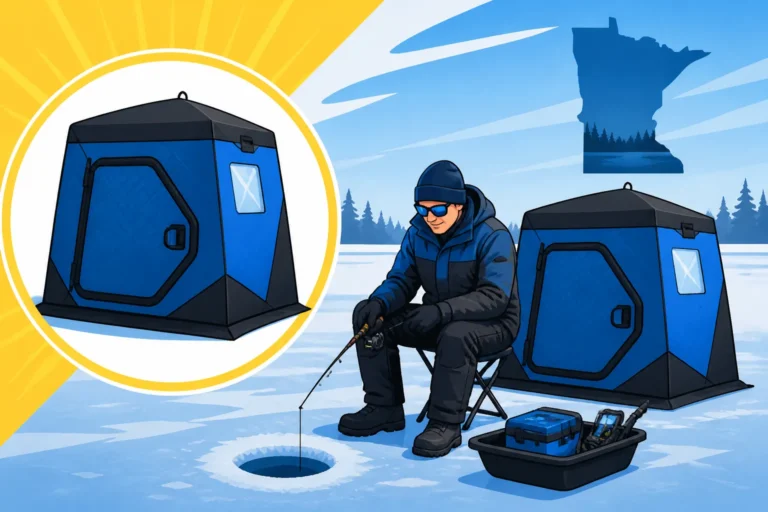
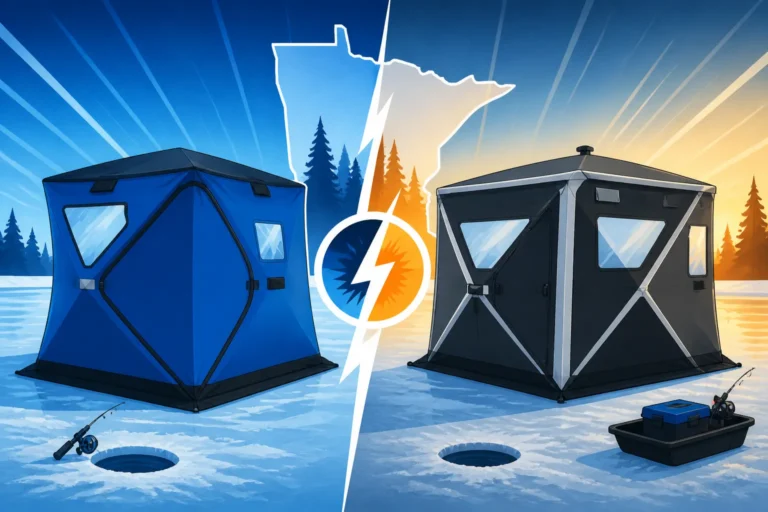
Minnesota winters are no joke, and comfort is key to extending your time on the ice and improving your focus. A good ice shelter, whether it's a portable flip-over or a hub-style pop-up, provides crucial protection from the biting wind and cold. Brands like Clam and Otter offer excellent shelters designed for mobility and warmth. For dedicated brown trout anglers who might be moving around to find active fish, a quick-setup, insulated shelter is invaluable. Beyond the shelter, proper layering of warm clothing is non-negotiable. Invest in quality thermal base layers, a good insulating mid-layer, and a waterproof, windproof outer shell. Best Ice Fishing Suits & Bibs (Float Suits) can offer not only warmth but also a critical safety feature. Warm boots, gloves, and a hat complete the ensemble. Being warm and comfortable means you can concentrate on fishing, not on shivering.
Augers and Essential Accessories
To get to those brown trout, you need to get through the ice. A reliable auger is paramount. For deep-drilling brown trout spots, an electric auger like a StrikeMaster Lithium 40V or a gas-powered auger offers power and efficiency. If you prefer a lighter, quieter option and aren't punching dozens of holes, a hand auger or a cordless drill conversion kit can work for thinner ice. For a comprehensive look, check out guides on Best Ice Augers for Minnesota: Electric vs Gas.
Beyond the auger, a few other accessories make a world of difference:
- Ice Scoop: Essential for keeping your holes clear of slush.
- Pliers/Forceps: For easily removing hooks and ensuring a healthy release if you're practicing catch-and-release.
- Sled: To transport all your gear across the ice.
- Headlamp: For early morning starts or late evening finishes.
- Minnow Bucket/Aerator: If you're using live bait, keeping them lively is crucial.
- Rod Holders: Keeps your rods organized and prevents them from falling down the hole.
Taking the time to equip yourself with these essential items will significantly improve your efficiency, comfort, and overall success when targeting brown trout through the ice.
Putting It All Together: Tactics and Best Practices for Brown Trout
Knowing your gear is one thing, but knowing how to use it effectively to target brown trout is where the real success lies. It's about combining your equipment with smart tactics and respecting the fish and environment.
Strategic Hole Placement and Movement
Brown trout can be roamers, especially in larger lakes. Don't be afraid to drill multiple holes and move around until you locate active fish. Start by targeting known structures like points, humps, or deep transition lines. If you're fishing a stocked lake, research where the DNR typically stocks them, as these areas can be good starting points. Using your flasher in "search mode" by dropping your transducer down a series of holes can help you quickly identify fish presence and depth. A common strategy is to start shallower in the morning and evening, then move to deeper water during the midday slump. Remember, brown trout can be quite sensitive to pressure, so sometimes moving a short distance, even just 20-30 feet, can put you on undisturbed fish. Don't be "hole-locked" – mobility is your friend, especially when brown trout are being finicky.
Mastering Presentation and Finesse
Brown trout bites can range from an aggressive thump to a subtle weightless feeling on your line. This is where your sensitive rod tip and good line choice come into play. Many anglers prefer a low-stretch monofilament or fluorocarbon line for jigging, typically in 4-6 lb test. For a deeper dive into line choices, check out Best Fishing Line for Walleye (Braid vs Mono vs Fluoro) – many principles apply to trout too. Experiment with your jigging motion: some days they want aggressive snaps, other days a slow, subtle lift-and-drop or just holding the lure perfectly still (deadsticking) is the key. Pay close attention to your electronics; if fish are showing interest but not biting, change your lure size, color, or presentation. Sometimes, the slightest twitch is all it takes. Often, a "kill switch" retrieve, where you reel up a few feet, then drop your lure back down quickly, can trigger a chase and strike.
Conservation and Regulations
As with all fishing in Minnesota, understanding and adhering to regulations is crucial for the health of our fisheries. Brown trout have specific bag and possession limits, and sometimes size restrictions, which can vary by lake or stream. Always consult the current Minnesota Fishing Regulations for the specific body of water you're fishing. For instance, some trout streams in the Driftless Area have special regulations. Practicing proper catch-and-release techniques, especially for larger, older brown trout, helps sustain the population. If you plan to release a fish, land it quickly, keep it in the water as much as possible, and use de-hooking tools. Brown trout are a valuable resource, and responsible angling ensures their future for all of us.
Conclusion
Ice fishing for brown trout in Minnesota is a rewarding challenge that requires a thoughtful approach to gear and strategy. By understanding their winter behavior, equipping yourself with sensitive rods and reels, versatile lures and baits, and essential electronics and comforts, you'll be well on your way to success. Remember to be mobile, experiment with your presentation, and always prioritize conservation. With the right preparation, those beautiful, hard-fighting brown trout will no longer be ghosts, but tangible triumphs on your next ice fishing adventure.
Disclaimer
Fishing conditions and regulations in Minnesota can change. Always consult the latest Minnesota Department of Natural Resources (DNR) fishing regulations before heading out on the ice. This guide is for informational purposes only and should not replace official sources. Stay safe and be aware of ice conditions.