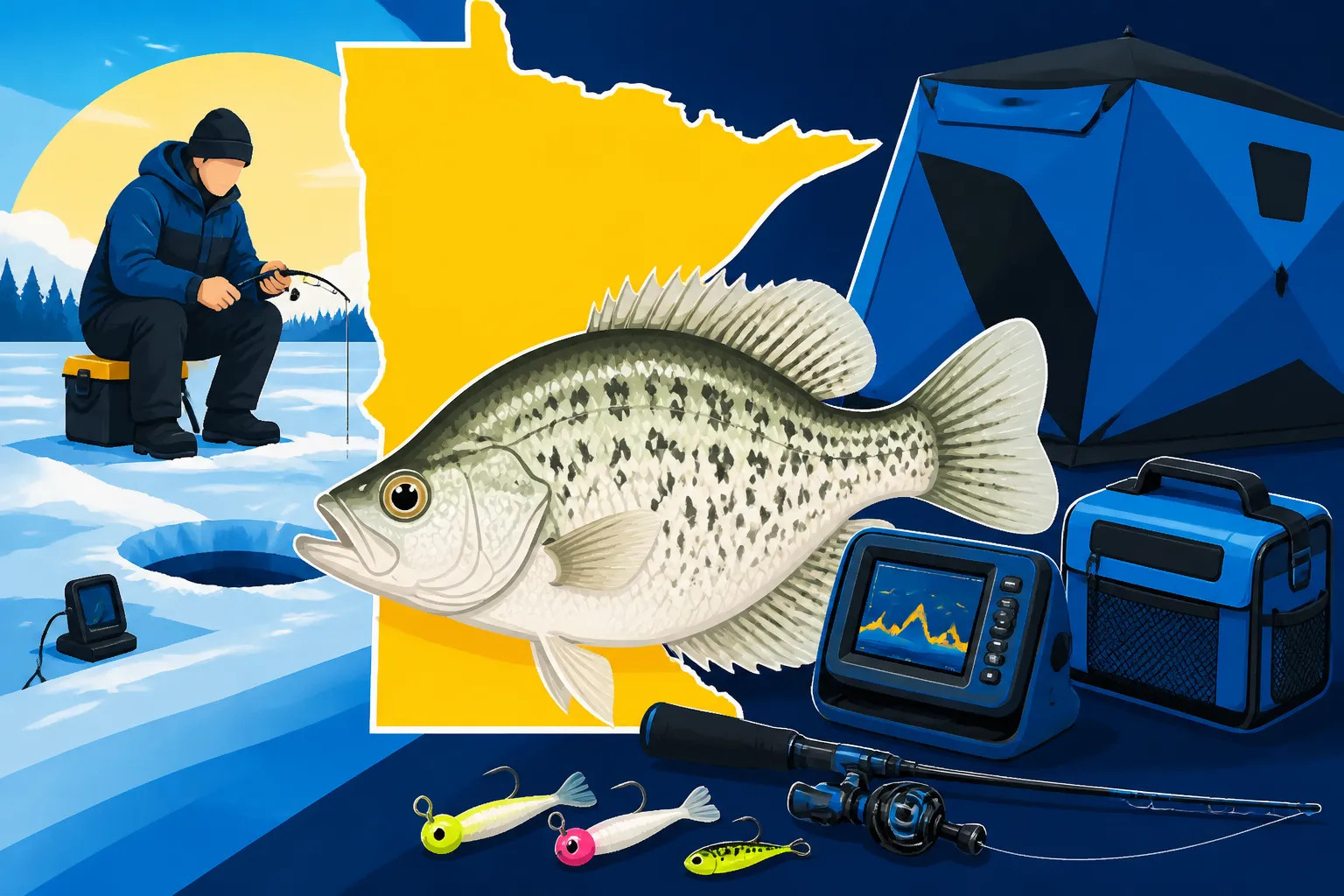
Best Gear for Ice Fishing White Crappie in Minnesota
The chill of a Minnesota winter, the crisp air, and the anticipation of a bite – ice fishing for white crappie can be incredibly rewarding, but it also comes with its share of frustrations. If you've ever spent hours staring at a hole, wondering why the fish aren't biting or if your gear is even up to snuff, you're not alone. This guide is here to cut through the confusion and equip you with the best gear to consistently find and catch white crappie in the frozen waters of Minnesota.
Understanding White Crappie Behavior Under the Ice
Before we even talk about rods and reels, it’s crucial to understand what makes white crappie tick when the lakes freeze over. These fish aren't just lounging around aimlessly; they have distinct patterns and preferences that, once understood, can dramatically increase your success. Ignoring these behaviors is like trying to find a needle in a haystack blindfolded, no matter how fancy your gear is.
Habitat and Preferred Depths for White Crappie
When winter sets in, white crappie often undergo a significant shift in their habitat. While you might find them in shallower weed beds during the open water season, ice fishing usually means searching deeper. They'll gravitate towards distinct structures like steep drop-offs, the edges of deep main-lake basins, or even suspend over the deepest parts of the lake where baitfish congregate. Think about subtle changes in contour or even submerged timber that offers them cover and an ambush point. Locating these depth transitions or suspended schools is half the battle.
It's not uncommon to find white crappie suspended anywhere from 10 to 30 feet down in 40+ feet of water. They're often chasing schools of baitfish, so if you mark bait, crappies are likely not far behind. Lakes like Lake Minnetonka and Lake Waconia are known for their great crappie populations, and understanding their deep-water winter patterns on these types of lakes is key. They might hug the bottom during periods of inactivity but will rise to feed. Being able to detect these movements with your electronics, which we’ll discuss later, becomes incredibly important for consistent catches.
Feeding Habits and Activity Levels
Crappie, like most cold-blooded fish, experience a slowdown in their metabolism during winter. This means they don't need to feed as aggressively or as frequently as they do in warmer months. However, they still need to eat, and they often become opportunistic feeders. Low-light periods, such as dawn and dusk, are prime times when their activity levels pick up. This is when they're most likely to move off structure or rise in the water column to actively pursue prey.
Their bites can also be incredibly subtle during these colder periods. Sometimes it's just a slight "mush" or a barely perceptible tick on your line, rather than a strong tug. This is why sensitive gear is non-negotiable for ice fishing white crappie. You'll often find them schooled up, so once you locate one, there's a good chance there are many more in the vicinity. Keeping an eye on your fish finder and observing how quickly they move in and out of your cone will give you valuable clues about their current feeding mood.
Essential Ice Fishing Rods and Reels for White Crappie
Having the right rod and reel combination is paramount to feeling those subtle crappie bites and successfully landing them. You wouldn’t use a muskie setup for panfish, and the same principle applies to ice fishing. The nuances of winter crappie require specialized tackle that maximizes sensitivity and gives you control.
Rod Selection for Crappie Ice Fishing
For white crappie, you're going to want an ultra-light to light action ice fishing rod. The key here is a highly sensitive tip that can detect the lightest of bites, almost like breathing on the line. Rod lengths typically range from 24 to 32 inches, offering a good balance between jigging control and maneuverability inside an ice shelter. A longer rod can provide a bit more leverage and line pick-up if you're fishing deeper or managing multiple holes.
Graphite blanks are generally preferred for their superior sensitivity, transmitting even the faintest taps directly to your hand. Some rods feature a spring bobber or a highly visible colored tip, which can be incredibly helpful when crappie are barely mouthing the bait. Brands like Thorne Bros or Fenwick offer excellent options that are specifically designed for panfish sensitivity. When you're fishing for "How Many Crappie Can You Keep in Minnesota?", having a rod that helps you detect every bite means you can maximize your catch within the legal limits.
Reel Selection for Crappie Ice Fishing
Pairing your sensitive rod with a small, smooth spinning reel is the way to go. A 500 or 1000 series reel is usually perfect. These smaller reels are lightweight, balance well with ultra-light rods, and have a small spool size ideal for thin ice fishing lines. A smooth drag system is incredibly important, even for panfish. White crappie can make surprising runs, especially when they first hit the cold air, and a sticky drag can lead to snapped lines or pulled hooks.
Look for reels with a decent retrieve ratio, allowing you to quickly get slack out of the line and bring fish up from deeper water efficiently. While some anglers might consider an inline reel for very light jigs, a quality spinning reel offers versatility and ease of use that's hard to beat for crappie. Many reliable brands offer excellent value in this category, ensuring you don't have to break the bank for a high-performing reel. Bass Pro Shops often has a wide selection of these smaller reels from brands like Pflueger or Shimano.
The Right Line, Lures, and Bait for White Crappie
Once you have your rod and reel, the next layer of specialization comes in your line, lures, and bait. This is where subtle choices can make a huge difference, especially when crappie are finicky or heavily pressured.
Fishing Line Choices for Ice Fishing
When targeting white crappie through the ice, your line choice can be a game-changer. You want something with low visibility, minimal stretch, and a small diameter. Two to four-pound test fluorocarbon line is often considered the gold standard. Its low visibility under water is a major advantage, making it harder for wary crappie to detect. Fluorocarbon also has less stretch than monofilament, which enhances sensitivity, allowing you to feel those delicate bites.
Some anglers opt for a small diameter braided line with a fluorocarbon leader. The braid provides even greater sensitivity and no stretch, while the leader keeps your presentation stealthy. However, braid can freeze to your reel in extreme cold if not properly managed. Monofilament, while having more stretch, can be a more forgiving option for beginners due to its knot strength and ease of handling. Whatever you choose, ensure it's specifically designed for cold weather to prevent it from becoming brittle or coiling excessively in freezing temperatures.
Lure Strategies and Types
The world of crappie ice fishing lures is vast, but some staples consistently produce. Small jigs, particularly those made of tungsten, are incredibly effective. Tungsten is denser than lead, allowing for a smaller profile lure that still sinks quickly. This is crucial when fishing deep or trying to get back down to an active school quickly. Popular tungsten jig sizes range from 1/32 to 1/16 ounce. Colors can vary based on water clarity and crappie mood, but glow, chartreuse, white, and black are often good starting points.
Jigging spoons, especially those with a small, fluttering action, can also be deadly. Brands like Northland Fishing Tackle offer various spoon designs that imitate small baitfish. Tipping these spoons with a small minnow head or a wax worm can add extra appeal. Beyond jigs and spoons, micro plastics designed for crappie, such as small tubes, grubs, or crappie minnows, can be rigged on bare jigs. The subtle action of these plastics can often entice bites when fish are hesitant. Experimentation is key; sometimes a slight change in lure profile or color can unlock a hot bite. For more ideas, check out some "Best Tungsten Jigs for Panfish".
Live Bait Options
While artificial lures are highly effective, sometimes live bait is simply irresistible to crappie. The natural scent and action can often trigger bites when all else fails. Small crappie minnows are perhaps the most popular choice. Hook them lightly through the lips or just behind the dorsal fin to keep them lively. Fathead minnows are readily available and work well.
Other excellent live bait options include wax worms, eurolarvae, or even small pieces of nightcrawler. These can be tipped onto jigs or small spoons to add extra enticement. The scent trail they leave in the water can draw crappie in from a distance. Always make sure your live bait is fresh and lively; sluggish bait is far less appealing to a finicky crappie. You can often find a great selection of live bait at local bait shops or larger retailers like Bass Pro Shops before heading out to the lake.
Critical Electronics and Augers
Modern ice fishing has been revolutionized by technology, and for good reason. Electronics help you find fish and understand their behavior, while a good auger ensures you can get to them quickly and efficiently. These tools are indispensable for serious white crappie anglers.
Fish Finders and Flashers
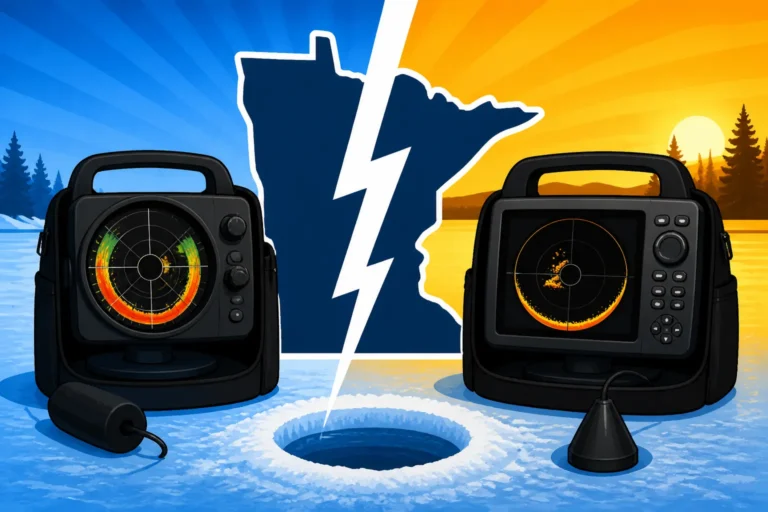
If you're serious about ice fishing for white crappie, a quality fish finder, specifically an ice flasher, is a non-negotiable piece of gear. Devices like the Vexilar FLX-28, Humminbird Ice Helix, or Garmin Striker series provide real-time feedback on what's happening beneath your hole. They show you your lure, the bottom, and most importantly, the fish. Seeing how crappie react to your presentation – whether they're rising to meet it, shying away, or ignoring it – allows you to adjust your jigging cadence and depth on the fly.
This immediate feedback is invaluable, especially when "Ice Fishing for Crappie & Panfish". You can identify suspended schools, tell if they're actively feeding or just curious, and know exactly when to set the hook. Without a flasher, you're essentially fishing blind, hoping a crappie swims by your bait. For a deep dive into options, consider guides like "Best Ice Fishing Flashers: Vexilar vs Humminbird vs Garmin". Even for beginners, the learning curve is quick, and the benefits are immense.
Ice Augers for Efficiency
Drilling holes through thick Minnesota ice can be a workout, but a good auger makes the process much easier, allowing you to be mobile and chase those crappie schools. Hand augers are lightweight and affordable, perfect for occasional use or thin ice, but they can be exhausting on thick ice or when drilling many holes. For dedicated crappie anglers who often "hole hop" to find active fish, an electric or propane auger is a game-changer.
Electric augers, like the StrikeMaster Lithium 40V, are quiet, fast, and environmentally friendly, with no fumes. They make quick work of even the thickest ice and are ideal for drilling dozens of holes throughout the day. Propane augers offer powerful performance comparable to gas models without the strong smell and finicky starting issues. When crappie are on the move, the ability to quickly and quietly drill a new series of holes to locate them is a massive advantage. For more on selecting the right one, check out "Best Ice Augers for Minnesota: Electric vs Gas".
Staying Warm and Comfortable on the Ice
Catching crappie is one thing, but enduring the brutal Minnesota winter while doing it requires proper preparation. Your comfort and safety on the ice are just as important as your fishing gear.
Portable Ice Shelters for Mobility
Portable ice shelters are essential for protecting yourself from the wind, snow, and extreme cold, allowing you to fish longer and more comfortably. For crappie anglers who frequently move to find active schools, lightweight hub shelters or flip-over shelters are ideal. Hub shelters, like those from Clam or Otter Outdoors, offer generous space once set up but require more effort to move. They're great if you find a hot bite and plan to stay put for a while.
Flip-over shelters, also popular from Clam and Otter, are designed for ultimate mobility. They are typically mounted on a sled, allowing you to pull your gear, flip the shelter over the hole, and start fishing in seconds. This makes "Ice Fishing in Minnesota: Complete Beginner-to-Pro Guide" much more enjoyable, especially when you need to be nimble to chase crappie. Having a warm, protected space allows you to concentrate on fishing, spot those subtle bites, and warm up your hands when needed. For a detailed comparison, see "Best Ice Shelters: Clam vs Otter (Flip vs Hub)".
Layering and Outerwear for Cold Weather
The biggest mistake an ice angler can make is underdressing. Layering is key to staying warm and regulating your body temperature. Start with a moisture-wicking base layer to draw sweat away from your skin. Follow with an insulating mid-layer, like fleece or down, to trap warmth. Your outer layer should be a high-quality, insulated, windproof, and waterproof suit. Many dedicated ice fishing suits, like those from Striker Ice or IceArmor by Clam, offer flotation technology for added safety, which is a huge plus on variable ice conditions.
Don't forget warm, waterproof boots, a good hat that covers your ears, and insulated gloves or mittens. Many anglers prefer fingerless gloves for dexterity while rigging bait, keeping a pair of heavy mittens nearby for when their hands get cold. Remember, you'll be sitting or standing still for extended periods in freezing temperatures, so investing in quality outerwear is not just about comfort; it's about safety. Amazon is a great place to find a wide variety of cold-weather apparel and accessories to complement your setup.
Recommended White Crappie Ice Fishing Gear Summary
To help you get started or upgrade your current setup, here's a quick reference table for the essential white crappie ice fishing gear:
| Category | Recommended Gear | Key Features & Why It Helps |
|---|---|---|
| Rod | Ultra-light to Light Action Ice Rod (24-32 inches) | Sensitive tip for subtle bites, good backbone for fighting fish. Graphite for sensitivity. |
| Reel | 500-1000 Series Spinning Reel | Small, lightweight, smooth drag for light lines, balances well with ultra-light rods. |
| Line | 2-4 lb Fluorocarbon or Braid (with fluoro leader) | Low visibility, minimal stretch for sensitivity, small diameter for light jigs. |
| Lures | Tungsten Jigs (1/32-1/16 oz), Small Jigging Spoons, Micro Plastics | Denser material for small profile and quick sink. Mimic baitfish, provide subtle action. |
| Bait | Small Crappie Minnows, Wax Worms, Eurolarvae | Natural scent and action to entice finicky crappie. |
| Electronics | Ice Flasher (Vexilar, Humminbird, Garmin) | Real-time fish location and depth, allows for active jigging adjustments. |
| Auger | Electric (e.g., StrikeMaster Lithium 40V) or Propane | Fast, quiet hole drilling for mobility and hole hopping. Essential for efficiency. |
| Shelter | Portable Hub or Flip-Over | Protection from elements, allows for longer, more comfortable fishing. Hub for space, flip-over for mobility. |
| Apparel | Layered System: Base, Mid, Insulated Outerwear (Float Suit) | Keeps you warm, dry, and safe. Essential for long days in cold weather. |
Getting yourself geared up for white crappie means focusing on sensitivity, stealth, and efficiency. With the right tackle, you'll be much better equipped to enjoy the fantastic "Crappie Season & Limit in Minnesota" and fill your bucket!
Disclaimer
Please remember that fishing regulations, including catch limits and seasons, can change. Always consult the most current Minnesota Department of Natural Resources (DNR) regulations before heading out on the ice. Stay safe and be aware of ice conditions at all times.