Lund vs Ranger: Which Walleye Boat Is Better?
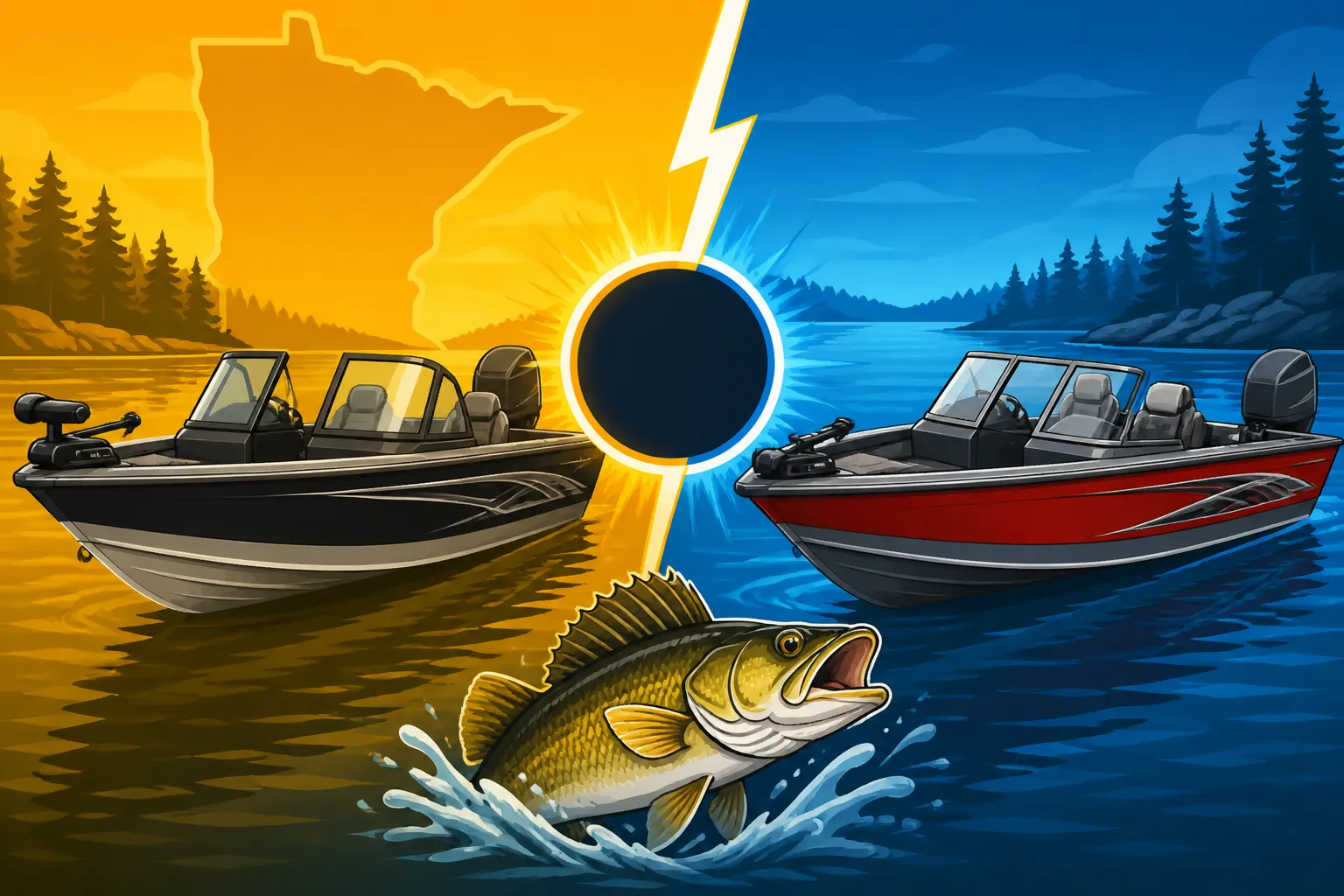
Deciding on a new walleye boat is a huge commitment, both emotionally and financially. It’s not just a purchase; it’s an investment in countless future memories, early mornings on the lake, and the thrill of the catch. For many serious anglers in Minnesota, the choice often boils down to two titans in the fishing world: Lund and Ranger. Both are legendary, both are proven, and both have legions of loyal fans. But how do you navigate the often-passionate debates and figure out which one is truly the best fit for your style of fishing, the waters you frequent, and your hard-earned money? This comprehensive guide will meticulously break down the differences and similarities, helping you make an informed decision for your next walleye machine.
Understanding the Fundamental Differences in Construction
When you're looking at a boat, especially one that's going to stand up to the rigors of Minnesota's diverse waters, the very first thing to consider is how it's built. This isn't just about aesthetics; it dictates everything from ride quality to long-term durability. Lund and Ranger take fundamentally different approaches, and understanding these is key.
Aluminum vs. Fiberglass Hulls
This is the quintessential debate when comparing Lund and Ranger walleye boats. Lund is synonymous with aluminum, specifically their IPS (Integrated Pro-V System) and IPS2 hulls. These are known for their strength-to-weight ratio and ability to handle various conditions. Ranger, on the other hand, is famous for its hand-laid fiberglass hulls, renowned for their smooth ride and solid feel.
Think about it this way: aluminum boats, like those from Lund, are generally lighter. This means they often require less horsepower to achieve good speeds and can be more fuel-efficient, which is a huge bonus when you're making long runs across Lake of the Woods or chasing a hot bite on Mille Lacs. They’re also less prone to damage from minor bumps against docks or submerged objects, often flexing rather than cracking. For anglers who launch and retrieve frequently or fish shallower, rockier areas, the robustness of an aluminum hull can be incredibly reassuring. However, in truly rough water, a lighter aluminum boat can sometimes feel like it's "bouncing" on top of the waves rather than cutting through them, leading to a bumpier ride.
Fiberglass boats, like the Ranger series, are heavier. This extra weight, combined with the material's inherent rigidity, allows them to slice through waves more effectively, providing a noticeably smoother and drier ride in choppy conditions. If you frequently fish large, open bodies of water known for getting rough, a Ranger's fiberglass hull can significantly reduce the pounding on your body and gear. The downside is that they require more horsepower to achieve similar performance, which means a larger initial engine investment and potentially higher fuel costs. While fiberglass is incredibly strong, it can be more susceptible to gel coat chips or cracks from impacts, which, while often cosmetic, can be more complex to repair than a dent in aluminum.
Riveted vs. Welded Aluminum Construction
Within the world of aluminum, Lund predominantly uses riveted construction for many of its popular walleye models, though they also offer welded options. Riveted hulls have a long-standing tradition of flexibility and durability, allowing the hull to "give" slightly with impacts and stress, which can prevent catastrophic failures. The argument for riveted hulls is their proven track record; boats built this way have been lasting for decades. However, some anglers express concern over potential rivet leaks over time, though modern manufacturing techniques and materials have greatly reduced this issue. Regular maintenance and visual checks are always a good idea.
Many other aluminum boat manufacturers, like some lines from Alumacraft or Crestliner, heavily feature welded hulls, touting them as stronger and leak-proof. While a properly welded hull can indeed be incredibly robust and less prone to specific types of leaks, it also offers less flex than a riveted design. This can mean that severe impacts might concentrate stress in certain areas, potentially leading to cracks if not designed and manufactured perfectly. Lund's use of riveting is a deliberate choice, leveraging decades of experience to create a highly durable and seaworthy package for the typical walleye angler.
Ergonomics and Thoughtful Interior Design
Beyond the hull, the interior layout of a walleye boat is where functionality truly comes to life. You’ll spend countless hours in this space, and a well-designed interior can make all the difference in comfort, efficiency, and overall enjoyment. Both Lund and Ranger excel in this area but approach it with slightly different philosophies.
Storage Solutions and Accessibility
Any serious walleye angler knows that you carry a lot of gear. Rods, tackle boxes, bait buckets, safety equipment, coolers, rain gear – the list goes on. Lund and Ranger both understand this, but their execution differs.
Lund boats are celebrated for their massive storage capacity, often featuring large, lockable rod lockers that can accommodate rods up to 8-9 feet, extensive bow storage, and numerous smaller compartments throughout the boat. They tend to make excellent use of every available inch, often with innovative layouts that keep tackle within easy reach. For example, their Pro-V series often features center rod storage that's easily accessible even when fishing, minimizing clutter on the floor. This focus on practical, abundant storage means you can bring everything you need and keep the deck clear for safe movement, which is critical when you're fighting a big walleye or navigating rough water. The sheer volume of storage in a Lund means you're rarely left wishing you had more space for that extra tackle bag or rain suit.
Ranger boats, with their fiberglass construction, offer incredibly clean and finished storage compartments. The molding process allows for custom-shaped bins with excellent seals, keeping your gear dry and protected from the elements. While the sheer volume might sometimes feel slightly less than in a comparable Lund, the quality and organization are top-notch. Ranger’s attention to detail means things fit perfectly, often with dedicated spaces for specific items. Their rod lockers are often gas-shock assisted and incredibly well-finished, providing superior protection for your expensive rods and reels. You’ll find things like integrated tool holders and convenient net slots, all contributing to a very polished and user-friendly experience. For those who prioritize a meticulous, organized, and bone-dry storage solution, Ranger often hits the mark perfectly.
Livewells and Baitwells
For a walleye boat, the livewell system isn't just a convenience; it's a necessity, especially if you plan to keep fish for dinner or participate in tournaments. Both brands offer exceptional livewell systems.
Lund's livewells are often very large, aerated, and easily accessible. They typically feature dual aerators, recirculation systems, and timers to ensure your catch stays healthy and lively. Many models include separate baitwells, which is a huge plus for keeping minnows or leeches happy throughout a long day on the water. The size and capacity of Lund livewells are often a talking point among anglers, allowing them to comfortably hold multiple limits of walleye or even larger fish if needed. The design is practical and robust, built to perform reliably season after season, crucial whether you're fishing a local lake or hitting a big tournament on Lake of the Woods.
Ranger's livewells are also outstanding, known for their innovative design and fish-keeping capabilities. They often feature unique baffling systems to keep fish calm in rough water and sophisticated pump systems for optimal aeration and recirculation. Ranger's commitment to tournament anglers means their livewell systems are rigorously tested and designed to keep fish in prime condition, which can be a make-or-break feature in competitive fishing. Like Lund, they usually offer separate baitwells and advanced controls for aeration and fill. The molded fiberglass construction allows for smoother interiors in the livewell, reducing scales and fin damage to fish. Many anglers swear by Ranger's livewell performance, stating that their catch remains incredibly healthy even after hours in the boat.
Ride Quality and On-Water Performance
This is where the rubber meets the road, or rather, the hull meets the water. The way a boat handles, rides, and performs can profoundly impact your fishing experience, especially on the larger, wind-swept lakes of Minnesota.
Rough Water Handling and Stability
Minnesota lakes can get angry, and when they do, you want a boat that inspires confidence. This is where the aluminum vs. fiberglass debate often gets most heated.
Ranger boats, with their deep V fiberglass hulls and heavier construction, are legendary for their ability to handle rough water. They tend to cut through waves rather than ride over them, providing an incredibly smooth, dry, and stable ride. When you're running across a three-foot chop on Lake Superior or navigating the big rollers on Leech Lake, a Ranger often feels like it's glued to the water. This translates to less fatigue for the occupants and a more comfortable journey to your fishing spots. The solid, quiet ride of a Ranger is a significant advantage for many anglers who prioritize comfort and safety in challenging conditions. However, their deeper V also means they can draw a bit more water and might not be ideal for extremely shallow backwaters.
Lund boats, particularly their larger Pro-V and Tyee models with the IPS2 hull, have made significant advancements in rough water performance. While they might not quite match the sheer smoothness of a fiberglass Ranger in truly enormous waves, they offer an incredibly competent and dry ride for an aluminum boat. The IPS2 hull design incorporates a wider, flatter running pad towards the stern, which helps with stability and allows the boat to get on plane quickly. In Minnesota's typical chop and moderate waves, a Lund delivers a highly respectable performance, getting you to your spot comfortably and efficiently. Their lighter weight also means they can be more nimble and responsive, especially at lower speeds or when maneuvering in tight spots. Plus, for anglers who want a boat that can be easily trailered and launched without a massive truck, the lighter weight of a Lund is a clear benefit.
Speed and Planing Characteristics
For many, getting to the fishing spot quickly is part of the game, especially in tournaments. Both brands offer excellent speed, though how they achieve it differs.
Lund's lighter aluminum hulls mean they often get on plane very rapidly, even with smaller engines, and can achieve impressive top-end speeds with appropriate horsepower. Their IPS and IPS2 hulls are designed to lift easily and run efficiently, which translates to good fuel economy. If you're running a 200HP Mercury Verado or Yamaha VMAX SHO on a 20-foot Lund, you can expect exhilarating performance and the ability to cover vast expanses of water quickly. The ability to plane quickly is also beneficial for fishing shallower waters, as it reduces the time the engine is digging in.
Ranger's fiberglass hulls, being heavier, typically require more horsepower to achieve similar planing performance and top speeds compared to an aluminum boat of the same length. However, once on plane, they maintain speed effortlessly and often feel incredibly stable and planted. A Ranger with a robust outboard, like a 250HP Yamaha SHO or a Mercury Pro XS, will absolutely fly across the water, and do so with a remarkably smooth and controlled feel. The solid fiberglass hull often minimizes hull flex at speed, contributing to that sensation of stability. The trade-off is often a slightly higher initial cost for a larger engine and potentially more fuel consumption, but for those who value the ultimate smooth and powerful ride, it's a worthwhile investment.
Durability, Longevity, and Maintenance
A fishing boat is a long-term investment. You want it to hold up season after season, surviving countless fishing trips, trailer miles, and encounters with the elements. Both Lund and Ranger have reputations for building durable boats, but their materials dictate different aspects of longevity and care.
Material Strength and Structural Integrity
Lund's aluminum construction is inherently tough and resilient. Dings and dents are often cosmetic rather than structural, and the flexibility of riveted aluminum allows it to absorb impacts that might cause more significant damage to a rigid material. Modern Lund hulls are built with robust internal stringer systems and thick gauge aluminum, designed to withstand years of abuse. The paint and decal systems are also very durable, though like any boat, they will show wear over time. The fundamental structure of a Lund is built to be a workhorse, a boat that will keep going even with rough treatment.
Ranger's fiberglass hulls are incredibly strong and rigid. The hand-laid construction with multiple layers of fiberglass and resin, often reinforced with composite materials, creates a hull that is virtually indestructible under normal fishing conditions. The gel coat finish, while beautiful, is the primary area that can show wear or damage. Small nicks, scratches, or spider cracks in the gel coat are not uncommon, especially if the boat is heavily used, but these are typically superficial and don't affect structural integrity. The underlying fiberglass is immensely tough. Ranger's Transom and stringer systems are often encapsulated in fiberglass, creating a single, incredibly strong unit that can handle the stresses of powerful outboards and rough water for decades.
Warranty and Dealer Support
Both brands offer excellent warranties, which speaks volumes about their confidence in their product. Lund typically offers a lifetime limited warranty on its hull and prorated warranties on other components. Ranger is known for its comprehensive "Five-Star Advantage" warranty, which covers many components for various lengths of time, often including a 10-year limited hull warranty for the original owner. Always read the fine print of any boat warranty, as coverage can vary by model and year.
Dealer support is also a critical factor. Both Lund and Ranger have extensive dealer networks across Minnesota and the entire Midwest. When comparing the two, consider your local dealer. Do they have a good service department? Are they responsive? Do they carry parts? A great boat is only as good as the service behind it. Brands like Lund, with its strong presence in Brainerd Lakes Area Fishing, or Ranger, popular among tournament anglers, often have dedicated and knowledgeable dealers. Checking online reviews or talking to existing owners about their local dealer experiences can provide invaluable insight. You can find both brands at large retailers like Bass Pro Shops, but also at many independent local dealers throughout the state.
Resale Value and Brand Perception
When you're making a substantial investment, thinking about what happens when you eventually sell or trade up is smart. Both Lund and Ranger hold their value exceptionally well, often commanding higher prices on the used market than many other brands.
Market Demand and Brand Recognition
Lund is practically a household name in Minnesota. For generations, they've been the walleye boat, and their brand recognition is unparalleled in the aluminum market. This translates directly to strong demand on the used market. A well-maintained Lund, especially a popular model like the Pro-V or Impact, will always find a buyer, often quickly and at a good price. The enduring popularity of Lund means that there’s a consistent pool of buyers looking for their boats, whether it's through online classifieds or a local dealership.
Ranger boats hold a similar, if not sometimes even stronger, status in the fiberglass bass and walleye boat markets. They are often perceived as a premium, high-performance brand, especially among serious tournament anglers. The Ranger name evokes images of quality, performance, and serious fishing. This elite perception ensures high demand for used Ranger boats. While they might have a slightly narrower niche than Lund due to their fiberglass construction and often higher price point, within that niche, their resale value is exceptionally robust. Many anglers dream of owning a Ranger, ensuring a steady market for pre-owned models.
Depreciation Over Time
While both brands depreciate slower than many competitors, there can be subtle differences. Generally, the higher initial investment in a Ranger fiberglass boat means that while it retains a high percentage of its value, the dollar amount of depreciation can still be significant. However, their reputation for longevity and premium features often softens this blow.
Lund aluminum boats, with their often slightly lower initial price point, can sometimes appear to depreciate less in raw dollar figures. However, their consistent demand ensures that the percentage of value retained is still very competitive. Ultimately, both brands are excellent investments from a depreciation standpoint. Factors like overall condition, engine hours, maintenance history, and customization will play a larger role in the exact resale price than the brand alone, but starting with a Lund or Ranger gives you a significant advantage. You can often find used models for sale on sites like Amazon (for accessories) or dedicated marine classifieds, but a local dealer often handles the boat sales directly.
Cost and Customization Options
Let's be real: budget plays a huge role in any major purchase. While both Lund and Ranger are premium brands, there are differences in their typical price points and how much customization you can expect.
Base Model Pricing and Value Proposition
Generally speaking, a Lund aluminum boat will have a lower starting price than a comparable length and equipped Ranger fiberglass boat. This is primarily due to the differences in manufacturing processes and material costs between aluminum and fiberglass. For instance, a new Lund Impact or Pro-V Bass will likely be more accessible than a Ranger Reata or Fisherman series boat of a similar size. This can make Lund a more attractive option for anglers looking for a top-tier walleye boat without breaking the bank quite as much as a fiberglass model. They offer tremendous value, providing robust performance and features that stand up to the best.
Ranger boats, especially their larger walleye models, typically start at a higher price point. This reflects the intensive, hand-laid fiberglass construction, the premium components, and the overall fit and finish. While the initial investment is higher, many Ranger owners view this as paying for superior ride quality, meticulous craftsmanship, and long-term durability. It's an investment in a luxury fishing experience that many find unparalleled. The value proposition here is about ultimate performance and refinement.
Customization and Options Packages
Both manufacturers offer a wide array of options and packages to tailor your boat to your exact fishing style. This includes everything from engine choice (Mercury, Yamaha, Evinrude) to electronics packages (Garmin LiveScope Review: Is Forward-Facing Sonar Worth It?, Humminbird, Lowrance), trolling motors (Best Trolling Motors: Minn Kota Buyer's Guide), shallow water anchors, and various seating configurations.
Lund offers a diverse range of models, from basic utility boats to fully rigged tournament machines. Their customization options allow you to choose specific features like rod holders, washdowns, different color schemes, and even various trailer upgrades. Many dealers offer pre-packaged "walleye bundles" that include popular accessories for a comprehensive fishing setup, ideal for those who want a ready-to-fish solution.
Ranger, being a premium brand, offers an equally impressive, if not more extensive, list of customization options. Their boats can be truly bespoke, with a vast selection of gel coat colors, custom upholstery, premium electronics, and specialized fishing features. You can often choose from a range of high-end finishes and accessories that cater to the most discerning angler. Whether you're selecting the exact color combination or configuring a complex network of electronics, Ranger provides the tools to build your dream boat. For those looking at Walleye Fishing in Minnesota: Complete Guide, having a boat tailored to your needs is incredibly beneficial.
| Feature / Aspect | Lund Walleye Boats (Aluminum) | Ranger Walleye Boats (Fiberglass) |
|---|---|---|
| Hull Material | Aluminum (primarily riveted, some welded) | Fiberglass (hand-laid) |
| Hull Strength | Tough, flexible, resistant to minor impacts, dents rather than cracks | Extremely rigid, strong, smooth finish, can chip/spider crack gel coat |
| Ride in Rough Water | Very competent, dry ride, can be bouncier in extreme chop | Legendary smooth, dry ride, cuts through waves |
| Stability | Excellent, especially with wider IPS/IPS2 hulls | Excellent, feels heavy and planted |
| Speed/Planing | Quick to plane, good top-end with less HP, fuel-efficient | Requires more HP to plane, maintains speed well, very stable at speed |
| Weight | Lighter, easier to trailer and launch | Heavier, requires more robust tow vehicle and launch facilities |
| Storage | Abundant, practical, often very large rod lockers | Excellent, meticulously finished, organized, dry, gas-shocked lockers |
| Livewells | Large capacity, dual aerators, separate baitwells | Innovative design, excellent fish health, advanced systems |
| Initial Cost | Generally lower | Generally higher |
| Resale Value | Excellent, high demand, strong brand recognition | Excellent, premium perception, strong demand, elite status |
| Maintenance | Dents easily repaired, less prone to gel coat issues | Gel coat requires more care, potential for cosmetic repairs |
| Typical Use Case | Versatile, frequent launching, mixed waters, good fuel economy | Large lakes, rough water, tournament fishing, premium experience |
Finding the Right Fit for Your Fishing Style
Ultimately, the "better" boat isn't about one brand definitively winning over the other; it's about which one aligns best with your specific needs, preferences, and fishing habits in Minnesota.
If you value a robust, versatile, and often more budget-friendly option that's easy to trailer, fuel-efficient, and can take a beating, a Lund is likely your champion. It’s the quintessential multi-species boat, perfect for chasing Walleye Fishing Techniques: Complete Minnesota Guide one day and muskie the next. If you're a serious multi-species angler who fishes everywhere from the Boundary Waters (BWCA) Fishing Guide to the smaller lakes of Central Minnesota, a Lund will serve you incredibly well.
However, if your priority is the absolute smoothest ride in rough conditions, a premium finish, unparalleled stability on big water, and you're willing to invest more for that top-tier experience, then a Ranger fiberglass walleye boat is probably your dream machine. For those who frequently brave the massive waves of Mille Lacs Lake or Rainy Lake, and demand the utmost in comfort and performance, a Ranger simply can't be beaten. Considering how much time serious anglers spend on the water, the added comfort of a Ranger can be a game-changer.
Think about the specific lakes you fish the most. Do you need a boat that handles the consistent chop of Lake Superior or the occasional wind-whipped waves of Lake Vermilion, or are you primarily on smaller, calmer bodies of water? Do you launch solo often, or do you always have a crew to help? What kind of tow vehicle do you have? These practical questions are just as important as the emotional draw of a brand.
Consider visiting local dealers for both brands. Sit in the boats, open all the compartments, imagine yourself fishing from them. Talk to owners of both Lund and Ranger boats – you'll find passionate advocates on both sides, and their real-world experiences can be incredibly valuable. Whether you're looking for the Best Walleye Rods & Reels to pair with your new boat or simply trying to decide on the right platform, taking the time to truly explore both options is the best way forward.
Final Considerations for Your Purchase
Before you make that final handshake, there are a few other aspects to keep in mind, regardless of whether you lean towards Lund or Ranger.
Engine Pairings and Performance Matching
The engine you choose for your boat is almost as important as the boat itself. Both Lund and Ranger boats are designed to be paired with leading outboard brands like Mercury Marine, Yamaha, and Evinrude (now BRP Rotax). It’s crucial to match the horsepower to the boat’s maximum rating and your intended use. Don't underpower your boat; it will negatively impact planing, speed, and fuel efficiency. Likewise, consider a kicker motor for trolling – an absolute must for many walleye anglers. This decision will directly influence your on-water performance, so research the Best Fishing Boats for Minnesota: Lund, Ranger & More by considering their engine options.
Trailer and Towing Capacity
A boat is only as good as the trailer it sits on. Both Lund and Ranger typically come with custom-matched trailers that fit the hull perfectly. Pay attention to features like surge brakes, swing-away tongues, LED lighting, and spare tires. Also, be honest about your tow vehicle's capacity. A heavier fiberglass Ranger will demand a more capable truck than a lighter aluminum Lund. Ensuring you have the correct towing setup is critical for safety and convenience, especially when traveling long distances to your favorite fishing destinations.
Electronics and Accessories
Modern walleye fishing relies heavily on electronics. Fish finders, GPS systems, and especially new technologies like forward-facing sonar are integral. Factor in the cost of these additions when budgeting for your boat. Many boats are sold "rigged," but ensure the electronics package meets your needs. Brands like Garmin, Humminbird, and Lowrance are staples, and understanding their capabilities can significantly enhance your fishing success. You can often buy supplementary gear, like specialized fishing apps for Minnesota, or small accessories online from retailers like Amazon, to round out your boat setup.
Choosing between a Lund and a Ranger for your walleye fishing adventures in Minnesota is a fantastic problem to have. Both represent the pinnacle of fishing boat design and manufacturing. By carefully considering their unique construction, interior layouts, on-water performance, and long-term value, you'll be well-equipped to select the vessel that will create countless cherished memories on the water for years to come.
Disclaimer
The information provided in this article is for general informational purposes only and does not constitute professional advice. Fishing regulations, boat specifications, and product availability can change. Always consult the latest Minnesota Department of Natural Resources (DNR) regulations and speak with authorized dealers for the most accurate and up-to-date information before making any purchasing decisions. Fishing involves inherent risks; always prioritize safety on the water.