Best Lakes for Lake Trout in the BWCA
For many Minnesota anglers, the Boundary Waters Canoe Area Wilderness (BWCA) represents the pinnacle of freshwater fishing, offering unparalleled serenity and the chance to chase truly wild fish. But for those dreaming of battling a hefty lake trout, the sheer vastness and remote nature of the BWCA can feel overwhelming when trying to pinpoint the best spots. This guide is here to cut through the confusion, offering a deep dive into the prime lake trout waters within this iconic wilderness, along with the strategies you'll need to succeed.
Understanding Lake Trout in the BWCA Ecosystem
Lake trout are a fascinating species, perfectly adapted to the cold, deep, and oxygen-rich waters found in many BWCA lakes. They're not your typical shallow-water fighters; these fish are creatures of habit, often holding to specific depths and structures throughout the season. Knowing their preferences is half the battle when you're paddling miles into the wilderness.
The Unique Habitat of BWCA Lake Trout
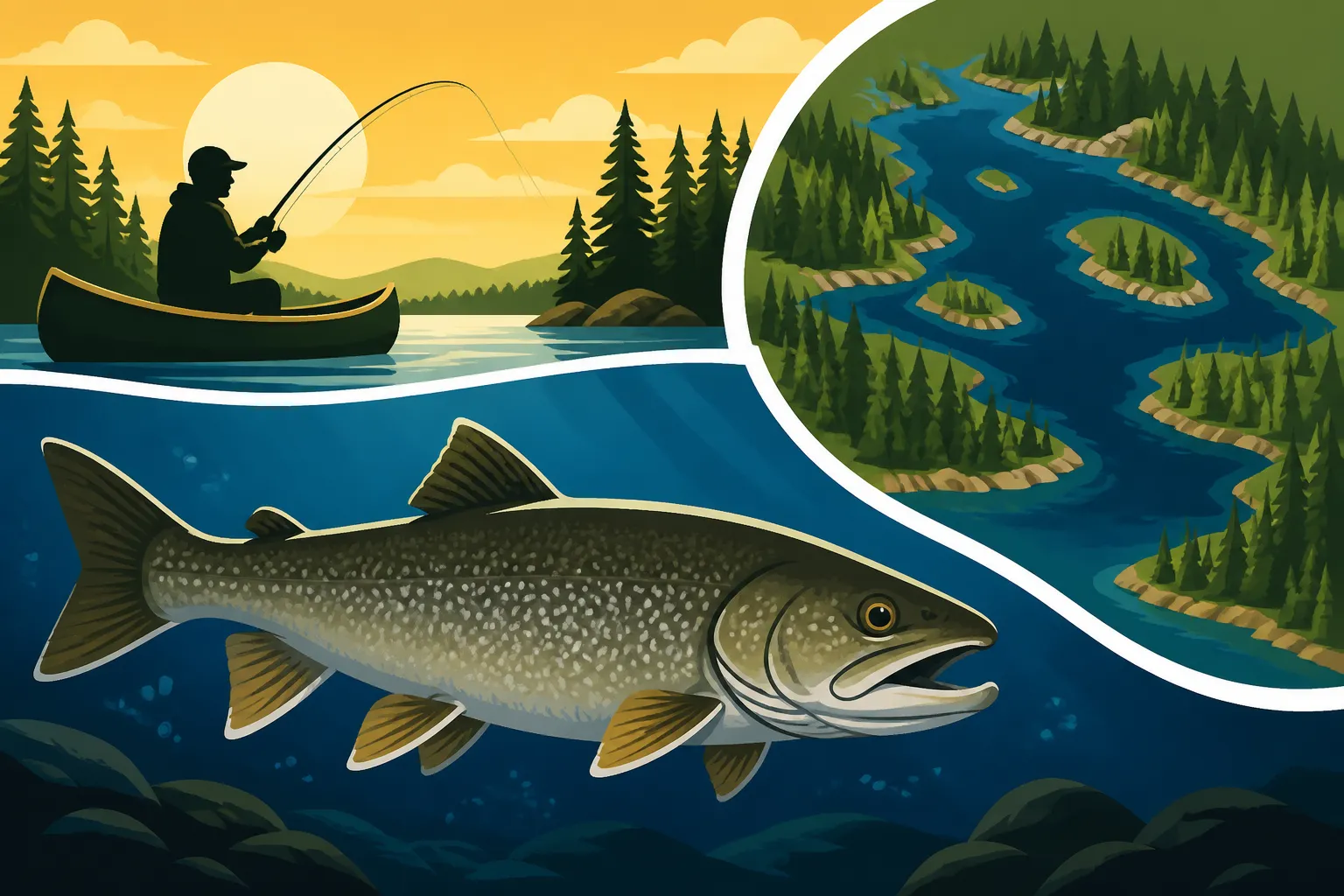
The BWCA's geology is a lake trout angler's dream, largely due to glacial activity that carved out countless deep, clear lakes. These lakes are characterized by steep drop-offs, underwater reefs, and expansive deep basins that maintain cold water temperatures year-round, even through the warmest summer months. This consistent cold water, combined with high oxygen levels, creates an ideal environment for lake trout to thrive, feeding on cisco (also known as tullibee) and whitefish, which are abundant in these waters.
When you're out on a BWCA lake, don't just look for shorelines; start thinking about what's under the water. Submerged islands, deep points extending into the abyss, and abrupt changes in bottom contour are all prime lake trout real estate. These fish will often patrol these structures, ambushing baitfish. Understanding the bathymetry (underwater topography) of a lake is absolutely crucial for success, especially in a canoe where you might not have advanced electronics.
Seasonal Movements and Feeding Habits
Lake trout behavior shifts significantly with the seasons, impacting where and how you should target them. In early spring, shortly after ice-out, lake trout are often found shallower than any other time of year. They'll cruise near rocky points, reefs, and even shallow bays, eager to feed after a long winter. This is a fantastic time for shore casting or shallow trolling with spoons or crankbaits.
As the water warms in late spring and early summer, they begin their descent to deeper, cooler waters. You'll find them concentrating around main lake points, sharp break lines, and deep rock piles. During the peak summer, they'll retreat to the deepest parts of the lake where the water remains consistently cold, often suspended over deep basins or tightly hugging deep structure. This is when downriggers become incredibly useful if you're in a boat on border waters, or heavy jigs and specialized trolling techniques from a canoe. In the fall, as water temperatures begin to drop again, they'll move shallower once more, especially during their spawning period in late autumn, often congregating on rocky shoals and reefs. Understanding these Seasonal Fishing Patterns in Minnesota is key to finding them.
Top BWCA Lakes for Lake Trout
While virtually any deep, cold BWCA lake could hold lake trout, some truly stand out for their consistent populations, trophy potential, and overall fishing experience. These lakes offer varied challenges and rewards, catering to different adventure styles.
Deep Water Giants: Saganaga and Knife Lake
Saganaga Lake, often simply called "Sag," is one of the crown jewels for lake trout in the BWCA, straddling the US-Canada border. Its immense size and incredible depth (over 300 feet in some spots) make it an ideal sanctuary for massive lake trout. Anglers frequently report catching fish in the 10-20 pound range, with larger ones not uncommon. The lake is dotted with hundreds of islands and boasts an intricate structure of underwater reefs, ledges, and deep basins. Access points like Sag Lake Public Access on the American side make it relatively easier to get a boat in, allowing for more extensive trolling opportunities. Because of its size, having a good map and a quality fish finder is almost a necessity here, even if you're just paddling, to pinpoint those critical deep-water structures. Fishing is often best by trolling large spoons, deep-diving crankbaits, or even vertical jigging heavy tube jigs or spoons over marked fish or structure.
Another legendary lake for deep-water giants is Knife Lake. Located deep within the BWCA, Knife requires more effort to reach, usually involving multiple portages, but the rewards are often worth it. Knife Lake is known for its clear, cold water and a healthy population of both lake trout and trophy smallmouth bass. Its deep trenches and rocky structures provide perfect habitat. Anglers here often employ a combination of jigging with heavy spoons or bucktail jigs, or slowly trolling with weighted lines and minnow imitations. Because of its remoteness, the fish often see less pressure and can be more aggressive. Landing a big laker from a canoe in Knife Lake is a truly memorable experience.
Remote Gems: Trout and Crooked Lake
For those seeking a more secluded, quintessential BWCA experience, Trout Lake (north of Lake Vermilion) and Crooked Lake are exceptional choices for lake trout. These lakes embody the wilderness spirit, offering fantastic fishing away from the more traveled routes.
Trout Lake, accessible via several portages from Vermilion, is known for its pristine waters and robust lake trout population. It's not uncommon to hook into several respectable lake trout in a single day here. The lake is characterized by numerous deep bays and submerged humps that provide excellent holding areas for trout. Many anglers find success by focusing on depths between 30-60 feet, using natural bait like ciscoes or large minnows if legal, or artificials that mimic their forage. The quiet solitude of Trout Lake allows you to really connect with the wilderness while patiently waiting for that tell-tale tug.
Crooked Lake, another large border water, offers a diverse fishery including excellent lake trout prospects. Reaching Crooked usually involves a significant paddle and portage journey, but its remoteness helps maintain its thriving fish populations. The lake boasts depths exceeding 100 feet in many areas and features a classic shield lake environment with numerous islands and rocky shorelines. Lake trout in Crooked are often found near deeper points and along the edges of underwater structure. Trolling spoons or stickbaits, often with the aid of a depthfinder to stay on contour, can be very effective. It's a lake that demands respect and preparation but offers incredible fishing and breathtaking scenery in return.
Accessible Adventures: Clearwater and Bearskin Lake
Not every BWCA lake trout adventure needs to be an epic, multi-day deep-wilderness trek. Lakes like Clearwater Lake and Bearskin Lake offer more accessible options while still delivering fantastic lake trout fishing.
Clearwater Lake, located near the Gunflint Trail, is known for its stunning cliffs and clear, deep waters. It's a moderately sized lake that holds a strong population of lake trout. The lake's relatively easy access from designated entry points means you can launch a canoe or small boat and be fishing for lakers within a reasonable paddle. Focus your efforts on the deepest sections of the lake and along drop-offs, especially in summer. Vertical jigging with heavy spoons or plastic tubes can be very effective when you locate fish on your sonar. Clearwater is a popular destination, so respect for other paddlers and anglers is key.
Bearskin Lake, also off the Gunflint Trail, is another excellent option for those looking for a slightly less strenuous trip. While it might not boast the sheer size of Saganaga, Bearskin offers consistent lake trout action in a beautiful, classic BWCA setting. The lake has several deep basins and rocky structures where trout congregate. Many anglers do well here by trolling medium-sized spoons or lipped crankbaits that dive to moderate depths, especially in the spring and fall. Even in summer, you can find them in the deeper, cooler pockets. These more accessible lakes are a great way to introduce newer anglers to the thrill of BWCA lake trout fishing without the daunting logistics of deeper wilderness trips. You might even find opportunities for a Boundary Waters (BWCA) Fishing Guide through local outfitters here.
Essential Gear and Techniques for BWCA Lake Trout
Fishing for lake trout in the BWCA is a unique experience. While you're limited by what you can portage, smart gear choices and refined techniques can make all the difference between a tough trip and a triumphant one.
Rods, Reels, and Line for Lake Trout
When battling a powerful lake trout, especially one that might be lurking in 50 feet of water, your tackle needs to be robust. A medium-heavy to heavy action spinning or baitcasting rod, typically 6'6" to 7'6" long, is ideal. This length provides good casting distance and enough backbone to handle strong runs and deep-water hooksets. Pair this with a reliable reel spooled with 20-30 pound braided line. Braided line has minimal stretch, which is crucial for feeling subtle bites in deep water and ensuring solid hooksets. A fluorocarbon leader of 12-20 pound test is often recommended for its invisibility and abrasion resistance against sharp rocks.
Remember, you'll be doing a lot of paddling and portaging, so weight and durability are key considerations. Choose a setup that can take a beating and isn't overly cumbersome. For specific species, you might be interested in our guide on Best Walleye Rods & Reels, but the principles of strength and sensitivity apply across the board.
Baits and Lures for BWCA Success
Lake trout are primarily piscivorous, meaning they eat other fish. Mimicking their natural forage is the most effective strategy.
- Spoons: Classic trolling spoons like Dardevles, Little Cleos, or Swedish Pimples in silver, gold, or bright colors (chartreuse, orange) are absolute staples. Sizes range from 3 to 5 inches.
- Crankbaits/Stickbaits: Deep-diving crankbaits or stickbaits that imitate ciscoes or minnows are excellent for trolling. Rapala Deep Tail Dancers, Storm ThunderSticks, or Bomber Long A models can be very effective, especially in spring and fall.
- Jigs: Heavy tube jigs (3/4 oz to 2 oz) in white, pearl, or smoke colors, often tipped with a piece of cut bait or a soft plastic trailer, are deadly for vertical jigging. Metal jigs like the Northland Macho Minnow or Johnson Silver Minnow are also popular for their flash and flutter.
- Live Bait (if allowed): Where legal, live bait such as large minnows (sucker minnows or shiners) or cut cisco can be incredibly effective when still-fishing or slow-trolling. Always check current Minnesota Fishing Limits: Bag & Possession (2026) and regulations regarding live bait in the BWCA, as rules can vary and often prohibit the use of live bait in certain areas to prevent the spread of aquatic invasive species.
Navigating and Finding Structure
In the BWCA, where electronics can be limited to small, battery-powered fish finders or even just a depth map and a compass, finding fishable structure requires careful navigation. Detailed lake maps showing contours are invaluable. Many outfitters provide waterproof maps like those from McKenzie or Fisher. Look for pinch points, deep saddles between islands, points that extend far into the lake, and offshore humps.
When paddling, pay attention to depth changes, even subtle ones. A small, portable depth finder can be a game-changer. Troll along suspected drop-offs or zig-zag over deeper basins. If you mark fish, stop and vertical jig. During summer, lake trout will often suspend, so look for arches not just on the bottom, but in the middle of the water column. Many experienced anglers also pay close attention to the wind, as it can push baitfish and, consequently, hungry lake trout into predictable areas.
Planning Your BWCA Lake Trout Expedition
A successful BWCA lake trout trip requires meticulous planning, from permits to provisions. The wilderness is unforgiving, so preparation is paramount.
Permits, Routes, and Regulations
Before you even pack your first dehydrated meal, securing the proper permits is non-negotiable. Entry into the BWCA requires a quota permit, which must be reserved in advance, especially for popular entry points and during peak season. You'll need to specify your entry point, date, and exit point. The BWCA is managed by the U.S. Forest Service, and all rules and regulations must be strictly followed, including group size limits, can restrictions, and Leave No Trace principles.
Fishing regulations are also critical. Always consult the most current Minnesota fishing regulations booklet for specific lake trout seasons, possession limits, and any special regulations for individual lakes or border waters. For instance, the Lake Trout Season & Limit in Minnesota varies slightly from other species. Keep an eye out for any specific size restrictions or slot limits that might be in place to protect the fishery. Remember, you might also need a RABC (Remote Area Border Crossing) permit if your route takes you into Canadian waters.
Guided Trips and Outfitting Options
For those new to the BWCA, or simply looking to maximize their chances of catching lake trout without the hassle of planning every detail, a guided trip or professional outfitting service can be a fantastic investment. Outfitters, often based in towns bordering the BWCA like Ely or Grand Marais, can provide everything from canoes, paddles, and portage packs to food, tents, and expert advice on routes and fishing spots.
Many outfitters also offer guided fishing trips, where an experienced guide will lead you to productive lake trout waters, provide fishing knowledge, and even handle camp chores. This can be particularly beneficial for targeting elusive species like lake trout, as guides often have years of accumulated knowledge about specific lakes and their seasonal patterns. Websites like FishingBooker can be a great resource to find reputable guides and outfitters specializing in BWCA lake trout trips, allowing you to compare services and book directly. Utilizing such a service can significantly reduce the learning curve and increase your enjoyment, ensuring you're focused on the fishing rather than the logistics. Even if you're not booking a guide, outfitters are an invaluable resource for current conditions, bait advice, and local tips, often available through a quick call or visit before you enter the wilderness.
Comparing Prime BWCA Lake Trout Lakes
To help you visualize the differences and choose the perfect destination for your next lake trout adventure, here’s a quick overview of some of the top lakes mentioned.
| Lake Name | Primary Access / Location | Key Features for Lake Trout | Typical Depth Range (feet) | Portaging Difficulty | Notes |
|---|---|---|---|---|---|
| Saganaga Lake | Gunflint Trail (Boat Access) | Massive, hundreds of islands, deep basins, forage rich | 50-300+ | Easy to Moderate | Trophy potential, often trolled. FishingBooker lists local charters. |
| Knife Lake | Ely/Isabella (BWCA Interior) | Clear, deep, rocky structure, remote | 40-100+ | Moderate to Difficult | Less pressure, good jigging. |
| Trout Lake | Lake Vermilion (BWCA Interior) | Pristine, numerous deep bays & humps, consistent action | 30-80 | Moderate | Secluded experience, good for slower tactics. |
| Crooked Lake | Ely/Gunflint (Border Water) | Large, diverse fishery, deep trenches, remote | 50-150+ | Moderate to Difficult | Excellent structure, requires significant travel. |
| Clearwater Lake | Gunflint Trail (Canoe/Boat) | Stunning cliffs, clear water, deep basins, accessible | 40-90 | Easy | Good for day trips or shorter excursions. |
| Bearskin Lake | Gunflint Trail (Canoe/Boat) | Consistent action, multiple deep basins, relatively accessible | 30-70 | Easy | Family-friendly option, good for spring/fall trolling. |
Remember that while these lakes are known for lake trout, many of them also offer fantastic fishing for other species like smallmouth bass, northern pike, and walleye, adding to the diversity of your BWCA experience. Before you finalize your plans, confirm current regulations, as Minnesota Fishing Regulations Changes for 2026 can occur.
Final Thoughts on BWCA Lake Trout Fishing
Chasing lake trout in the Boundary Waters is more than just fishing; it's an immersive wilderness experience. The silence, the pristine waters, the rugged beauty of the landscape—it all contributes to the allure. While the fish themselves can be challenging, the reward of hooking into a powerful lake trout against such a backdrop is truly unparalleled.
Take the time to plan your trip, understand the specific regulations for your chosen lake, and prepare your gear for the unique demands of a portage-intensive adventure. Whether you opt for a fully guided experience found through services like FishingBooker or venture out on your own, the BWCA offers some of the finest lake trout fishing anywhere. Don't forget your camera, and practice Catch and Release Best Practices in Minnesota to help preserve this incredible fishery for future generations.
Disclaimer
The information provided in this guide is for general informational purposes only and is subject to change. Fishing regulations, seasons, and limits are set by the Minnesota Department of Natural Resources (DNR) and can vary by year, body of water, and specific species. Always consult the official Minnesota DNR fishing regulations booklet or website before heading out on the water. Following all local, state, and federal regulations, including BWCA permit requirements and wilderness ethics, is the sole responsibility of the angler. Fishing carries inherent risks, and participants should take appropriate safety precautions.