Lake of the Woods NW Angle Fishing
Getting ready for a fishing trip to the Lake of the Woods can be incredibly exciting, but when you start looking at the Northwest Angle, things can get a little… confusing. Between the border crossings, unique regulations, and the sheer remoteness, it’s easy to feel overwhelmed. This guide is here to untangle all that, giving you the full scoop on what makes fishing the Northwest Angle a truly bucket-list experience and how to navigate it like a seasoned pro.
The Unique Allure of the Northwest Angle Fishery
The Northwest Angle isn't just another corner of Minnesota; it's a truly special place, a geographic anomaly born from an old surveying error that left a little piece of the U.S. jutting up into Canada. This distinctive location, combined with the vast, wild waters of Lake of the Woods, creates a fishing environment unlike anywhere else. It’s where the solitude of the northern wilderness meets some of the most productive multi-species fishing found in North America.
Geographic and Ecological Wonders
Imagine a place where the air smells of pine and fresh water, where eagles soar overhead, and the only sounds are the lapping of waves against the shore and the occasional splash of a jumping fish. That’s the Northwest Angle. It’s a mosaic of countless islands, intricate shorelines, and expansive open water, all teeming with life. The sheer amount of undeveloped shoreline and diverse underwater structure, from rocky reefs to sprawling weed beds and deep main-lake basins, provides perfect habitat for a wide variety of fish. This area is less pressured than many other parts of Lake of the Woods, meaning fish often see fewer lures and can be more aggressive, making for truly exciting days on the water.
The ecological health of the Northwest Angle is exceptional. Its relatively pristine condition contributes to robust fish populations, which is something every angler appreciates. You'll find a healthy food chain here, with abundant baitfish supporting thriving populations of predators. It’s a place where the ecosystem is balanced, allowing species to flourish and providing sustained fishing opportunities for generations.
Why It Stands Out from Other Lake of the Woods Areas
While the entire Lake of the Woods is phenomenal for fishing, the Northwest Angle holds a distinct edge for those seeking adventure and solitude. First, its remote nature means fewer boats and less competition on the water. You can truly feel like you have entire sections of the lake to yourself, especially on weekdays. This isn't your average crowded fishing hole; it's a wilderness experience with world-class fishing as a bonus.
Secondly, the specific regulations governing the Angle can differ slightly, and understanding these nuances is key to a successful trip. This includes understanding the border crossing requirements, which we’ll dive into shortly. But beyond the rules, it's the sheer diversity of fishing opportunities that truly sets it apart. Whether you’re casting for a monster muskie, jigging for walleye, or searching for jumbo perch, the Angle delivers. It requires a bit more planning to get there, but the rewards are absolutely worth it. Many anglers find the extra effort adds to the sense of accomplishment when they finally drop a line in these incredible waters.
Premier Fish Species and Prime Fishing Seasons
The Northwest Angle is a multi-species angler's dream, offering incredible opportunities for several highly sought-after fish. Understanding what bites when is crucial for planning your ultimate trip.
Walleye: The Main Event
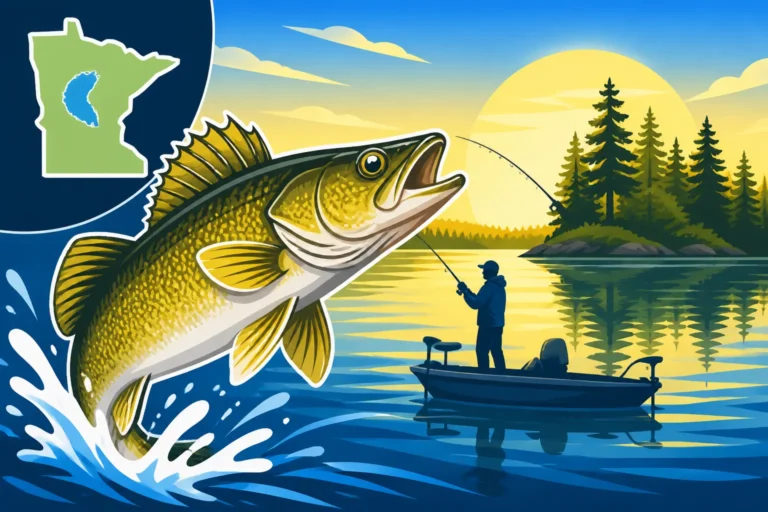
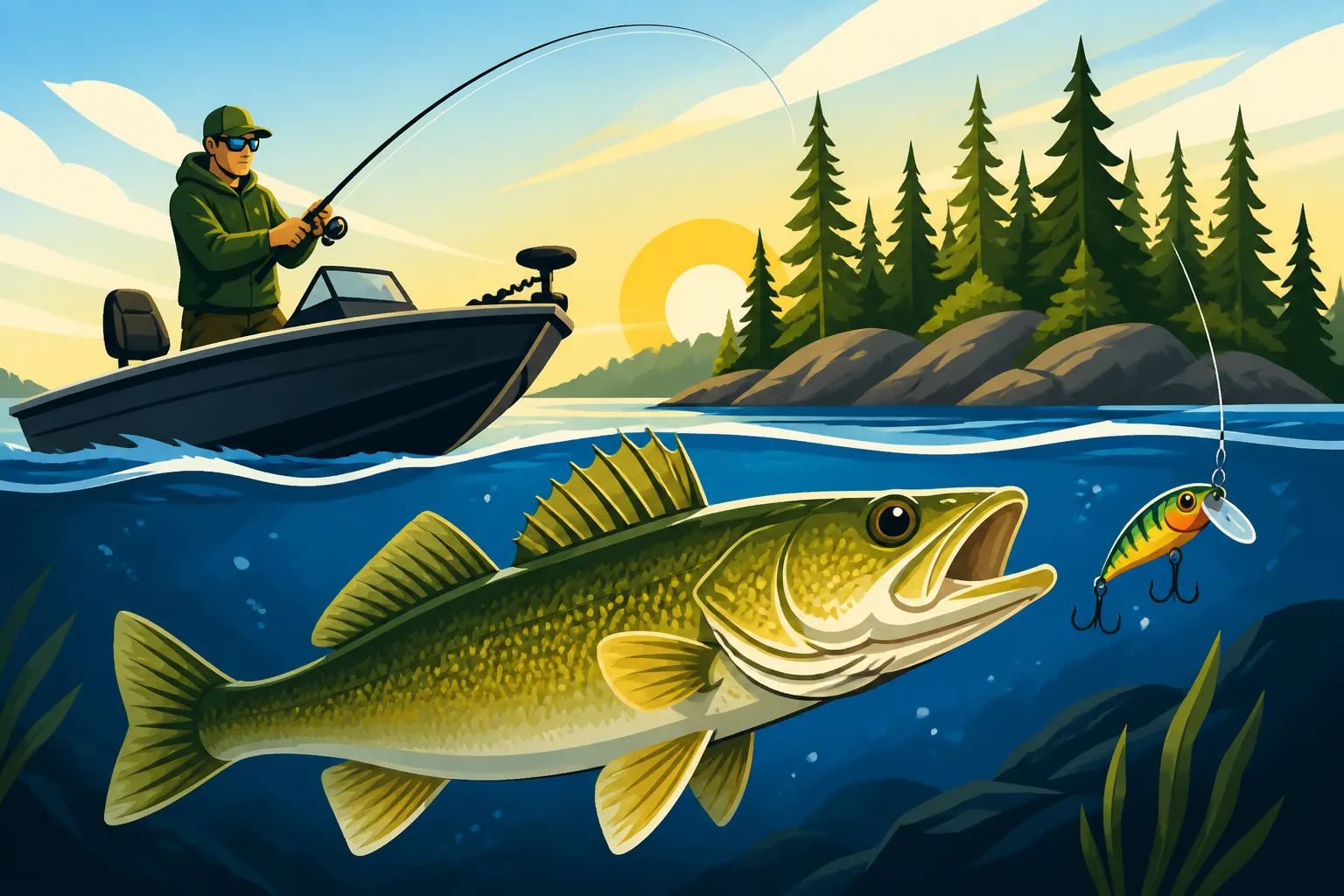
Let’s be honest, for most anglers heading to Lake of the Woods, walleye are the undisputed kings. The Northwest Angle boasts an incredible walleye fishery, known for both quantity and quality. You’ll find them in abundance, and there’s always a chance at a true trophy.
- Spring (Walleye Opener to Mid-June): After the ice goes out and the official Minnesota Fishing Seasons & Opener Dates (2026) arrive, walleye move into shallower waters, especially around rocky points, current areas, and new weed growth, to feed aggressively post-spawn. This is a fantastic time for jigging with minnows or plastics, and sometimes shallow-running crankbaits. The fish are hungry, and often relatively easy to locate. Focus on depths of 6-15 feet.
- Summer (Mid-June to August): As water temperatures rise, walleye typically transition to deeper structures. Think mud flats, humps, and the edges of main lake reefs. This is prime time for Walleye Fishing Techniques: Complete Minnesota Guide, including pulling bottom bouncers with crawler harnesses or trolling crankbaits over expansive flats. They'll also hold on cooler, deeper breaks, making them accessible to vertical jigging or even slip bobber rigs with leeches or crawlers.
- Fall (September to Ice Up): This can be a magical time for trophy walleye. As the water cools, walleye begin to feed heavily in preparation for winter. They'll often move back shallower during low-light conditions but will also school up in deeper main lake basins. Large minnows, jigging spoons, and aggressive trolling with bigger crankbaits can be highly effective. This is when you often see some of the biggest fish of the year come over the gunwales.
The Minnesota Walleye Limit & Size Rules apply here, so always be sure to check the current regulations for Lake of the Woods, as they can sometimes have specific slot limits or possession rules.
Muskie and Northern Pike: Thrills and Fights
If you're looking for a serious adrenaline rush, the Northwest Angle's muskie and northern pike populations will not disappoint. These apex predators thrive in the lake's rich ecosystem.
- Muskie: Known as the "fish of 10,000 casts," muskie fishing in the Angle is legendary. These magnificent fish grow to immense sizes here, and the extensive rocky reefs, deep weed edges, and vast open water areas provide ideal habitat. The muskie season generally opens later in June, and the summer and fall are prime times. Early summer often sees them cruising shallower rocky areas or green weed beds. As summer progresses, they'll relate to deeper structure and suspended baitfish. Fall is big fish time, with many anglers throwing large baits for a shot at a true giant. Exploring areas around larger islands and along significant depth changes can be productive. If you're targeting muskie, a reputable guide found through a service like FishingBooker can be invaluable for finding those elusive spots.
- Northern Pike: The Angle is home to an incredible abundance of northern pike, including many trophy-sized specimens. They are less finicky than muskie and provide explosive action throughout the open water season. Early season pike are often found in shallow bays and around newly emerging weeds. As summer progresses, they'll relate to deeper weed lines, rocky points, and even suspend in open water chasing bait. Large spoons, spinnerbaits, and swimbaits are always excellent choices. For more specific advice, check out our guide on Northern Pike Fishing Techniques for Minnesota Anglers. Even during the ice fishing season, large pike are frequently targeted with tip-ups.
Panfish and Other Species: Crappie, Perch, and Sturgeon
While walleye and pike get most of the glory, the Northwest Angle also offers fantastic opportunities for other species.
- Crappie: The crappie fishing in the Angle can be exceptional, especially in specific bays and areas with good submerged timber or brush piles. Spring and fall are generally the best times, with fish schooling up aggressively. Summer crappie fishing often involves targeting them over deep basins or suspended baitfish, requiring a good fish finder. A simple How to Use a Slip Bobber for Walleye & Crappie setup with a small jig and minnow or plastic can be deadly.
- Yellow Perch: Jumbo perch are a frequent bycatch while walleye fishing and can be targeted specifically in certain areas. They often inhabit similar areas to walleye, especially around mud flats and deeper weed edges. These feisty fish are fantastic table fare.
- Lake Sturgeon: While not directly in the Northwest Angle, the nearby Rainy River, which feeds into Lake of the Woods, is world-renowned for its lake sturgeon population. Anglers often combine a trip to the Angle with some sturgeon fishing on the Rainy River, particularly in spring and fall. These prehistoric giants are catch-and-release only in most instances, providing a truly unique angling experience. If you’re interested in targeting these massive fish, you’ll want to look into Lake of the Woods Sturgeon Fishing Rainy River regulations and techniques.
| Species | Prime Seasons | Typical Depths (Open Water) | Best Baits/Lures | Notes |
|---|---|---|---|---|
| Walleye | Spring, Summer, Fall | 6-30 feet | Minnows, Leeches, Crawlers, Jigs, Cranks | Minnesota's favorite, abundant and large. |
| Muskie | Summer, Fall | 10-40 feet | Large Bucktails, Jerkbaits, Topwater | Trophy potential, requires dedication. |
| Northern Pike | Spring, Summer, Fall, Winter | 5-25 feet | Spoons, Spinnerbaits, Swimbaits, Minnows | Aggressive, fun fight, plenty of action. |
| Crappie | Spring, Fall | 10-30 feet | Small Jigs, Minnows, Plastics, Slip Bobbers | Excellent eating, often in schools. |
| Yellow Perch | Spring, Summer, Fall, Winter | 8-25 feet | Small Jigs, Minnows, Worms, Ice Jigs | Great table fare, good numbers. |
Navigating the Northwest Angle: Logistics and Border Crossing
The Northwest Angle is geographically connected to Canada, with the only land access from the U.S. requiring two border crossings. This unique situation means a bit more planning, but it's totally manageable.
The Border Crossing Process Explained
This is where many anglers get nervous, but it’s actually quite straightforward once you understand the system. Because the Northwest Angle is part of Minnesota but only accessible by land through Manitoba, Canada, you’ll be crossing into Canada and then back into the U.S.
- Into Canada: When driving from the lower 48 states to the Northwest Angle, you'll first cross the U.S.-Canada border into Manitoba. You’ll need a valid passport or an enhanced driver’s license. Be prepared to answer standard border questions about your purpose of visit, duration, and what you're bringing into the country. Ensure you declare any fishing bait (e.g., live minnows are usually prohibited unless certified to be disease-free and meet specific Canadian regulations – check ahead!), firearms, or anything else that might be restricted. Don't forget, you will need to purchase an Ontario fishing license if you plan to fish in Ontario waters, even if you’re just passing through on your way to the Angle.
- Into the Northwest Angle (U.S.): After driving through a section of Manitoba, you'll reach the unique border crossing back into the U.S. at the Northwest Angle. This is where the Remote Area Border Crossing (RABC) permit system, or the more modern "ROAM" app, comes into play. The old way involved calling a phone number from a designated video phone at the border to speak with a U.S. Customs and Border Protection (CBP) officer. The newer, more convenient method is using the CBP ROAM (Reporting Offsite Arrival – Mobile) app on your smartphone. You'll submit your information, answer a few questions, and receive clearance, all without needing to physically see a border agent. It’s highly recommended to download and register for the ROAM app before your trip, as cell service can be spotty in remote areas.
This two-step process means you’re essentially "entering" Canada and then "re-entering" the U.S. It might sound complex, but millions do it every year. It’s critical to have your documents ready and be honest with border officials. For Nonresident Fishing in Minnesota: Licenses & Rules, make sure you have your Minnesota license purchased and accessible.
Accessing the Angle: Boat, Plane, or Driving Through Canada
How you choose to get to the Northwest Angle depends on your preference for adventure and convenience.
- Driving Through Canada (The Land Bridge): This is the most common method for those bringing their own vehicles and boats. You'll drive north through Manitoba, following signs for the Northwest Angle. The roads are generally well-maintained, but it's a journey through some sparsely populated areas. Ensure your vehicle and trailer are in good working order, and carry extra fuel if you're concerned about gas station availability. This route offers the most flexibility for bringing all your gear. Remember to have your passports or enhanced IDs, and use the ROAM app for the final U.S. customs check.
- Boating Across Lake of the Woods: For many, the ultimate way to access the Angle is by boat from a U.S. port like Baudette or Warroad. This avoids the land border crossings entirely. You're simply navigating within U.S. waters. However, it requires a capable boat, good navigation skills (Lake of the Woods is vast and can get rough quickly), and a solid understanding of the lake's many hazards. Plan your route carefully, use reliable GPS and mapping software (like Navionics or LakeMaster chips), and always check weather conditions before departing. If you don't have your own boat, charter services are available from Warroad or Baudette. You can often find reputable charters through online platforms like FishingBooker that specialize in ferrying anglers and their gear.
- Flying In: For the quickest and most scenic route, some resorts in the Northwest Angle offer fly-in service directly to their docks. This is often done via floatplane from places like Kenora, Ontario, or even some U.S. hubs. This option is generally more expensive but maximizes your fishing time and offers incredible aerial views of the lake. It's often preferred by international visitors or those on shorter trips.
When planning your trip, consider the Aquatic Invasive Species (AIS) Rules for Boaters if you're bringing your own vessel. Minnesota takes AIS prevention very seriously, and you’ll need to follow all guidelines for draining, cleaning, and drying your boat to protect the pristine waters of Lake of the Woods.
Planning for a Successful Northwest Angle Fishing Trip
A trip to the Northwest Angle is an adventure, and like any good adventure, it benefits from thorough planning. From choosing your accommodations to understanding the specific rules, being prepared makes all the difference.
Choosing Your Base: Resorts and Lodging
The Northwest Angle offers a range of lodging options, primarily centered around fishing resorts. These establishments are usually all-inclusive or offer packages that include lodging, meals, guide services, and boat rentals.
- Full-Service Resorts: Many resorts cater specifically to anglers, providing everything you need for a fantastic trip. Places like Angle Outpost Resort, Young's Bay Resort, or Flag Island Resort offer comfortable cabins, boat docking, and often excellent meal plans. They are usually well-versed in the border crossing procedures and can provide valuable assistance and up-to-date information on local fishing conditions. Some even offer guides who know the local waters like the back of their hand. When researching, don't hesitate to check out reviews or use platforms like FishingBooker to compare options and find the perfect fit for your group and budget.
- Houseboat Rentals: For a truly unique experience, consider renting a houseboat. This allows you to explore different areas of the Angle and bring your accommodation with you. It's a great option for larger groups or families who want the flexibility to anchor in secluded bays and fish right from their temporary floating home. Companies often offer fully equipped houseboats that make for a memorable experience.
- Camping: While less common directly in the Angle, there are some primitive camping opportunities on certain islands within the Lake of the Woods. This is for the most adventurous and self-sufficient anglers who want a raw wilderness experience. Always check with local authorities for permits and regulations regarding island camping.
When booking, ask about what's included, especially concerning boat rentals, guide services, and meal plans. Many resorts provide comfortable amenities, but some maintain a rustic charm that’s part of the Angle’s appeal.
Essential Gear and Local Regulations
Even the best fishing spots require the right gear and knowledge of the rules. The Northwest Angle is no exception.
- Fishing Gear: For walleye, a medium-light to medium action spinning rod with 6-8 lb test line is versatile for jigging, rigging, and light trolling. For pike, step up to a medium-heavy rod with heavier braided line (30-50 lb test) and steel leaders to prevent bite-offs. Muskie anglers will need specialized heavy-duty casting gear, including stout rods, baitcasting reels, and 80-100 lb braided line, along with a large landing net and jaw spreaders for safe handling. Always bring plenty of lures, as the rocky bottom can claim its share. Don't forget your fishing license – a valid Minnesota fishing license is required for U.S. waters.
- Navigation Equipment: Given the vastness and complexity of Lake of the Woods, reliable GPS with detailed lake maps (like those offered by Humminbird's LakeMaster or Garmin's Navionics) is absolutely critical. A quality depth finder will help you locate structure and fish. A marine radio is also a smart idea for communication and weather updates, especially if you venture into remote areas.
- Safety Equipment: Life jackets for everyone on board are non-negotiable. Also carry a first-aid kit, spare propeller, tools, bailing bucket, paddle, whistle/horn, and a charged cell phone (though service can be spotty). The weather on Lake of the Woods can change rapidly, turning calm waters into rough seas in a matter of minutes. Be prepared for all conditions.
- Regulations: Beyond your Minnesota fishing license, always check the current Lake of the Woods Fishing Regulations (2026) specifically for the Northwest Angle. These regulations are managed by the Minnesota Department of Natural Resources (DNR) and can include specific slot limits, possession limits, and special regulations for certain species or times of the year. For instance, the walleye limit on Lake of the Woods might differ from other Minnesota lakes to protect the fishery. If you inadvertently stray into Canadian waters, you will need an Ontario fishing license and must adhere to Ontario regulations, so having knowledge of the Border Water Fishing Rules Minnesota-Ontario, Wisconsin is a definite plus. Local resorts and guides are excellent resources for the most up-to-date information.
| Item Type | Description |
|---|---|
| Documents | Valid Passport/Enhanced DL, Minnesota Fishing License, ROAM app registration (or RABC permit), Boating Safety Card (if applicable) |
| Fishing Gear | Rods/Reels (medium-light to heavy, depending on target species), Tackle box with variety of lures (jigs, cranks, spoons, spinnerbaits), Live bait (minnows, leeches, crawlers, if allowed and sourced legally), Leaders |
| Navigation & Safety | GPS with up-to-date lake maps, Depth finder/Fish finder, Marine radio, Life jackets, First-aid kit, Anchor, Paddles, Bailing bucket, Tools, Spare prop, High-quality rain gear, Sunscreen, Bug spray |
| Clothing | Layers (weather can change rapidly), Waterproof outerwear, Warm hat, Gloves, Waterproof boots |
| Miscellaneous | Cooler, Snacks/Drinks, Camera, Fillet knife, Ziploc bags for fish, Headlamp/Flashlight |
Hiring a Fishing Guide
For many, especially first-timers to the Northwest Angle, hiring a professional fishing guide is money well spent. These guides are intimately familiar with the local waters, fish patterns, and current regulations. They can save you countless hours of searching, put you on fish, and teach you valuable techniques.
- Local Expertise: A good guide knows the hot spots, what baits are working, and how to adjust to changing conditions. They can navigate the complex island chains and hidden reefs with ease, ensuring your safety and maximizing your fishing time. They're also a wealth of knowledge about the history and ecology of the region.
- Equipment and Convenience: Most guides provide all the necessary fishing gear, bait, and a fully equipped boat. This is a huge advantage if you’re flying in or don’t want to haul all your own equipment. They'll also handle the fish cleaning at the end of the day, a welcome perk after a long day on the water.
- Booking: It's highly recommended to book guides well in advance, especially for peak seasons. You can often find guides through the local resorts or by searching online platforms like FishingBooker, which lists many experienced Lake of the Woods guides. Read reviews and communicate your expectations clearly before booking to ensure a good match for your fishing goals. Whether you’re chasing a Minnesota State Record Muskie or simply want to fill a livewell with walleye, a guide can significantly increase your chances of success.
A trip to the Northwest Angle is more than just fishing; it’s an immersive experience in one of Minnesota's most wild and beautiful places. With a little preparation and respect for its unique charm, you're set for an unforgettable adventure.
Disclaimer
Fishing regulations, seasons, and licensing requirements are subject to change. Always consult the official Minnesota Department of Natural Resources (DNR) website and the Canadian Border Services Agency (CBSA) or U.S. Customs and Border Protection (CBP) websites for the most current and accurate information before planning your trip. This guide is for informational purposes only.