Minnesota Bass Season (New 2026 Catch-and-Release)
It can be incredibly frustrating trying to keep up with fishing regulations in Minnesota. Just when you think you've got a handle on the season dates and limits for your favorite fish, things shift! Bass fishing, in particular, has seen a lot of discussion around conservation, and for 2026, there are some exciting developments, especially regarding new catch-and-release periods, that every angler needs to understand to stay legal and help protect our valuable fisheries. This comprehensive guide will walk you through everything you need to know about the Minnesota bass season, with a special focus on the anticipated new catch-and-release guidelines for 2026.
Understanding Minnesota's Bass Species
Before we dive into the nitty-gritty of regulations, it's important to recognize the two main types of bass you'll encounter in Minnesota waters: the largemouth bass and the smallmouth bass. While both offer incredible angling opportunities and a thrilling fight, they have distinct characteristics and often prefer different habitats. Understanding these differences will not only help you identify your catch but also refine your fishing strategies.
Largemouth Bass: The Greenbacks of Minnesota
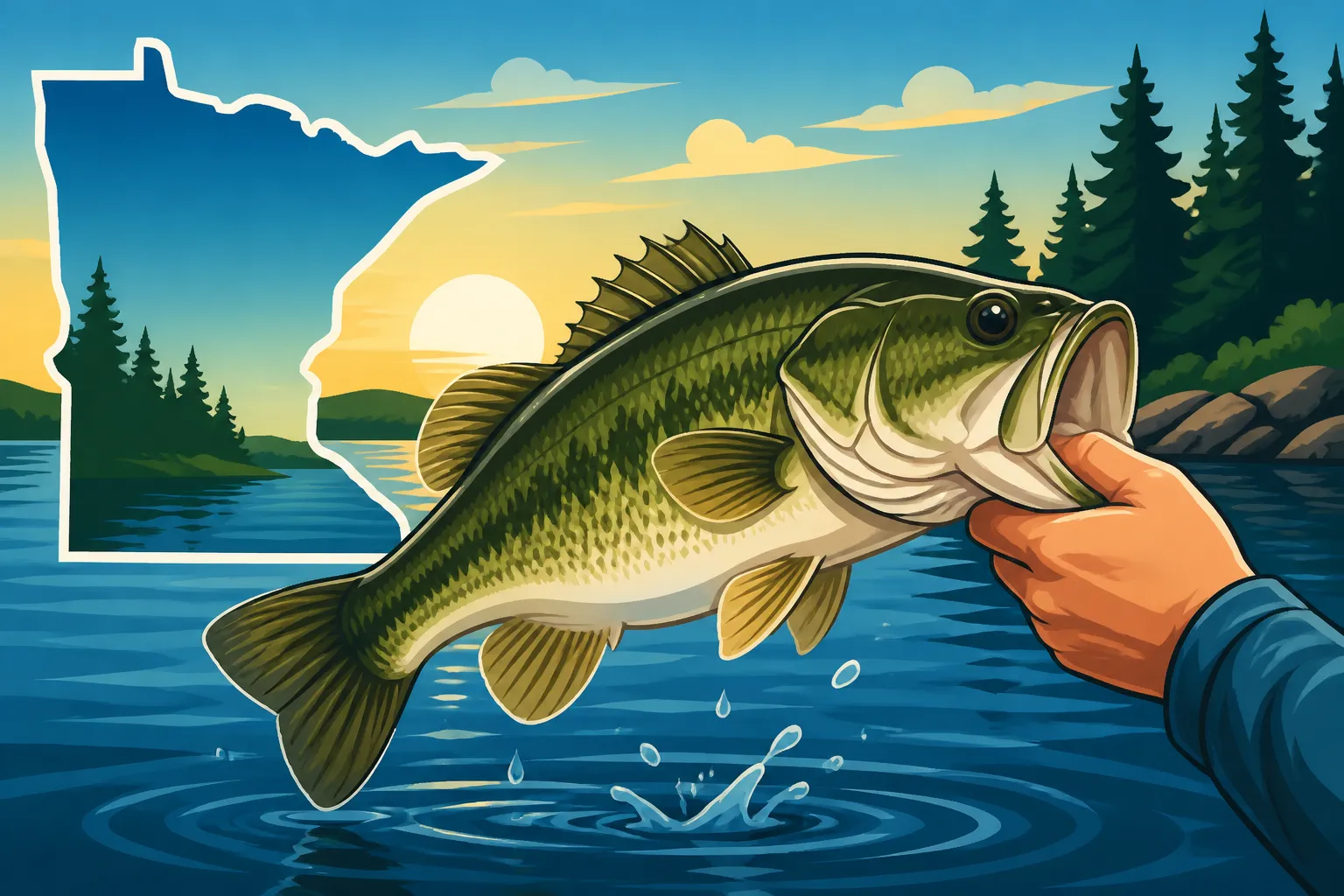
The largemouth bass, often affectionately called "greenbacks" or "bucketmouths," are perhaps the most iconic sport fish in North America, and they thrive in many of Minnesota's lakes and slow-moving rivers. These fish are easily identifiable by a few key features: their jaw extends beyond the back of their eye, and they typically have a prominent dark, horizontal stripe or blotchy pattern running along their sides. Their color can vary from dark green to almost black on the back, fading to lighter green or white on the belly, often influenced by the clarity of the water they inhabit.
Largemouth bass are creatures of cover. You'll generally find them lurking in shallow, weedy areas, around lily pads, submerged timber, docks, and overhanging trees. They're ambush predators, patiently waiting for an unsuspecting minnow, frog, or crawfish to swim by before exploding with a powerful strike. Lakes like Minnetonka, Prior Lake, and portions of the Mississippi River are well-known for their thriving largemouth populations. When you're targeting largemouth, think about throwing topwater frogs near thick weeds, Texas-rigged worms into heavy cover, or spinnerbaits along weed lines. Their aggressive nature and acrobatic jumps make them a blast to catch, providing an exciting challenge for anglers of all skill levels.
Smallmouth Bass: River and Rock Dwellers
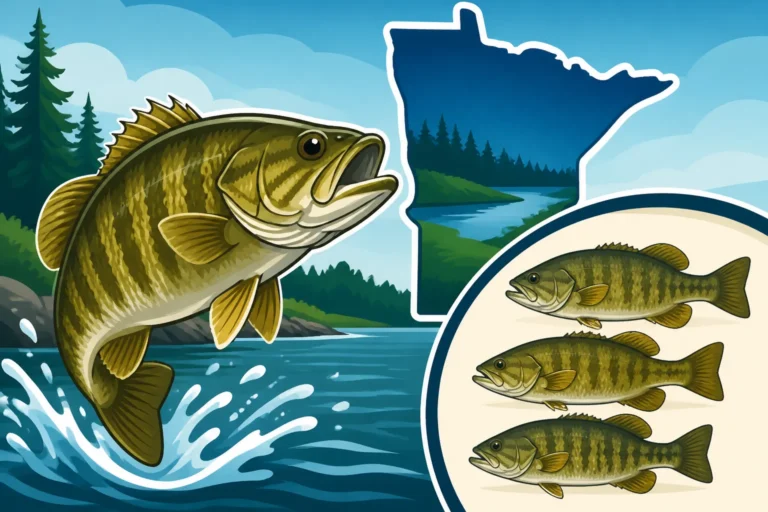
In contrast to their largemouth cousins, smallmouth bass prefer cooler, clearer waters with rocky bottoms, gravel, and sandy areas. They are abundant in many of Minnesota's larger, deeper lakes and numerous river systems. Distinguishing features of the smallmouth include a jaw that generally does not extend beyond the back of the eye, and vertical bars or stripes on their sides rather than a horizontal one. Their coloration typically ranges from bronze to brownish-green, giving them a more rugged, "bronzeback" appearance, which helps them blend into their rocky surroundings.
Smallmouth bass are often found around rocky points, ledges, humps, and current breaks in rivers. They're incredibly strong fighters for their size, known for their powerful runs and aerial acrobatics. Lakes like Mille Lacs, Lake Vermilion, and the St. Croix River are renowned smallmouth fisheries, offering incredible opportunities to hook into a trophy. Techniques for smallmouth often involve working baits near rocky structure, using tube jigs, grubs, jerkbaits, or drop-shot rigs. Their preference for hard structure means you'll often be fishing in different areas than where you'd target largemouth, but the reward of their spirited fight is well worth the effort.
The New Catch-and-Release Bass Season
Minnesota's Department of Natural Resources (DNR) consistently evaluates fish populations and angling pressure to ensure sustainable fisheries for future generations. The angling community has long advocated for measures that support healthy bass populations, especially during critical spawning periods. For 2026, the discussion and implementation of new catch-and-release provisions are a testament to these ongoing conservation efforts, aiming to protect the valuable bass fishery during its most vulnerable time.
Why the Change? Conservation Efforts
The primary driver behind any regulation change, especially those focusing on catch-and-release, is conservation. Bass, particularly largemouth, are known for building and guarding their nests during the spring spawning period. During this time, they are highly susceptible to being caught, as they aggressively protect their eggs and fry. Removing a male bass from its nest, even for a short period, can leave the eggs vulnerable to predators like sunfish, crappie, or even other bass, significantly impacting the reproductive success of the population.
By implementing specific catch-and-release windows, especially during the crucial pre-spawn and spawn phases, the DNR aims to minimize this disturbance. This strategy helps ensure that a maximum number of bass successfully reproduce, leading to stronger year classes and ultimately, a more robust and exciting fishery in the long term. It's a proactive step to balance angler enjoyment with ecological responsibility, reflecting a growing understanding of fish biology and the impact of angling pressure. This also aligns with general principles for Catch and Release Best Practices in Minnesota.
Statewide Catch-and-Release: What It Means for Anglers
The new 2026 catch-and-release period is designed to provide anglers with the opportunity to fish for bass during the early season while ensuring the fish are returned to the water immediately and unharmed. This typically means that from the statewide walleye opener (which is usually in mid-May) until the start of the regular bass season (which often falls a few weeks later in late May or early June), all bass caught must be promptly released. This allows anglers to get out on the water and enjoy targeting bass, but with a strict mandate to prioritize the fish's welfare and reproductive cycle.
For you, the angler, this means a slight shift in mindset during this early period. You can still enjoy the thrill of the fight, experiment with different lures, and scout new fishing spots. However, your goal shifts from harvesting fish for a meal to purely sport and conservation. It's a fantastic opportunity to practice your skills and appreciate the fight without the pressure of keeping a limit. Always be prepared with the right tools for quick and safe release, as outlined later in this guide, to give every bass the best chance of survival.
Navigating Regular Bass Seasons and Limits
Beyond the specific catch-and-release period, Minnesota also has a traditional bass season with established bag and possession limits. These regulations vary slightly from year to year and sometimes by specific water body, but understanding the general framework is crucial. Always double-check the latest Minnesota DNR Fishing Regulations handbook, available online or at license vendors, as regulations can change. This is the single most important resource to ensure you are fishing legally and responsibly.
Key Dates for the Regular Bass Season
While the early season may be dedicated to catch-and-release, the regular bass season usually opens a few weeks later. Historically, the regular bass season in Minnesota typically opens on a Saturday between late May and early June and extends through late February of the following year. For 2026, anglers can anticipate the regular season to open around the last Saturday in May or the first Saturday in June. This is when harvest is generally permitted, subject to the statewide and special regulations.
It's vital to mark these dates on your calendar. Fishing before the regular opener with the intent to keep bass, or even accidentally keeping a bass during the catch-and-release period, can result in significant penalties. The specific dates for Minnesota Bass Season (New 2026 Catch-and-Release) are always a hot topic of discussion each year, so keep an eye on official DNR announcements as the new year approaches.
Statewide Bag and Possession Limits
Once the regular season opens, general statewide regulations for bass usually apply. For both largemouth and smallmouth bass combined, the statewide daily bag limit is generally six fish. The possession limit typically mirrors the daily bag limit, meaning you cannot have more than six bass on your person or in your possession, regardless of when or where they were caught, unless they are at your primary residence. This is further explained in the article on Minnesota Possession Limits Explained.
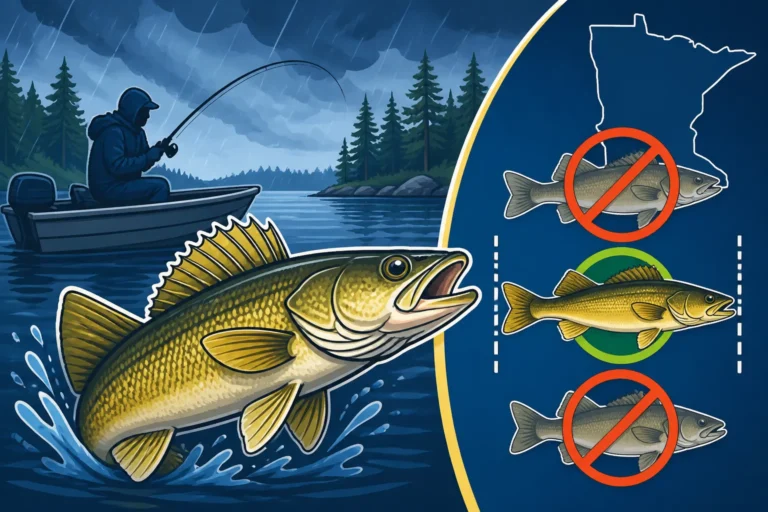
However, there are also length limits to consider. Often, bass between certain lengths, like 13 to 17 inches, might need to be immediately released, with only one fish over the protected slot limit allowed in your daily bag. This "slot limit" is a common management tool designed to protect prime breeding-size fish, ensuring they remain in the population to reproduce. For example, some lakes might have a "no bass between 13 and 17 inches may be kept, with only one over 17 inches" rule. These specific size restrictions are crucial and can vary, so always consult the current regulations for the body of water you're fishing.
Special Regulations on Specific Lakes
Minnesota is home to thousands of lakes, and while many adhere to statewide regulations, some specific water bodies have special regulations tailored to their unique fisheries. These special regulations are put in place to address specific conservation needs, improve fish quality, or manage unique situations. For instance, some lakes known for producing trophy-sized bass might have more restrictive length limits or even year-round catch-and-release mandates for bass.
A prime example is Mille Lacs Lake, renowned for its smallmouth bass fishery. While its walleye regulations get a lot of attention, its bass rules can also be unique. Other lakes might have specific rules if they are part of a research project or have a unique ecological balance. Before heading out, especially to a new lake or one known for its exceptional fishing, always check the individual lake regulations within the Minnesota DNR fishing guide. Ignorance of the law is never an excuse, and game wardens take these special regulations seriously. Always assume statewide regulations apply unless explicitly stated otherwise for your chosen fishing spot.
Here’s a summary of typical bass season parameters, though always confirm with official DNR regulations for 2026:
| Regulation Type | Early Catch-and-Release Period (Approx.) | Regular Season (Approx.) |
|---|---|---|
| Start Date | Mid-May (Walleye Opener) | Last Saturday in May / First Saturday in June |
| End Date | Until Regular Season Opener | Late February of following year |
| Daily Bag Limit | 0 (Catch-and-Release Only) | 6 (Combined Largemouth & Smallmouth) |
| Possession Limit | 0 (Catch-and-Release Only) | 6 (Combined Largemouth & Smallmouth) |
| Length Limits | N/A | Often a slot limit (e.g., 13-17 inches protected, 1 over 17 inches allowed), check specific waters |
Essential Gear and Techniques for Minnesota Bass
Successfully targeting bass in Minnesota requires a thoughtful approach to gear and techniques. While the basic principles of bass fishing remain consistent, adapting your setup to whether you're chasing largemouth in thick cover or smallmouth on rocky ledges will greatly increase your success. Having the right tools and knowing how to use them can make all the difference between a frustrating day and a memorable one.
Top Gear for Largemouth Bass
For largemouth bass, especially when fishing around heavy cover, a medium-heavy to heavy power casting rod, typically 6'6" to 7'6" in length, is your best friend. This provides the backbone needed to pull big fish out of weeds or submerged timber. Pair this with a baitcasting reel spooled with 15-20 lb fluorocarbon or 30-50 lb braided line. Braided line is particularly effective in heavy cover due to its strength and lack of stretch, which helps you feel subtle bites and set hooks through vegetation.
When it comes to lures, a diverse tackle box is key. Topwater baits like frogs (e.g., Livetarget frogs) are exhilarating to fish over lily pads and thick mats. Soft plastic baits, such as Texas-rigged worms, creature baits, and senkos, are incredibly versatile for pitching into cover or working along weed lines. Spinnerbaits and chatterbaits are excellent for covering water and triggering reaction strikes, especially around scattered weeds or submerged wood. Don't forget crankbaits for exploring different depths and jigs (both pitching and swim jigs) for a more targeted approach. Many of these effective lures are covered in more detail in our Best Bass Lures for Minnesota Lakes guide.
Effective Strategies for Smallmouth Bass
Smallmouth bass fishing often calls for a slightly different approach, prioritizing finesse and understanding structure. A medium to medium-heavy spinning rod, around 6'8" to 7'2" in length, paired with a 2500 or 3000 series spinning reel, is a fantastic all-around setup. Spool it with 6-10 lb fluorocarbon or a light braid (10-15 lb) with a fluorocarbon leader. The sensitivity of this setup helps detect light bites, and the lighter line allows for more natural bait presentation.
Techniques for smallmouth often revolve around mimicking their prey and working rocky environments. Tube jigs, grubs, and finesse worms rigged on a drop-shot or shaky head are incredibly effective for probing rocky points, humps, and ledges. Jerkbaits are fantastic for calling smallmouth from a distance, especially in clear water, while crankbaits that dive to different depths can entice bites from fish feeding on crawfish. In rivers, current breaks, eddies, and submerged boulders are prime targets for these aggressive fish. Learning how to read your electronics to identify underwater structure, such as those found on Mille Lacs Lake Map: Mud Flats & Structure, can significantly improve your smallmouth success.
Best Lures and Baits for Minnesota Bass
Choosing the right lure can feel overwhelming with the sheer number of options available. However, a few staples consistently produce for Minnesota bass anglers.
- Jigs: From weedless jigs tipped with creature baits for largemouth in slop to finesse football jigs for smallmouth on rocky bottoms, jigs are incredibly versatile.
- Soft Plastics: Senkos, worms (Texas-rigged, wacky-rigged, Neko-rigged), creature baits, and swimbaits are essential. Experiment with colors that match the local forage or stand out in stained water.
- Crankbaits: Square bills for shallow largemouth cover, medium-diving cranks for exploring weed lines, and deep-diving cranks for smallmouth on offshore structure.
- Topwater: Frogs, poppers, and walking baits (like a Heddon Zara Spook) offer exciting surface strikes in low light or calm conditions.
- Spinnerbaits & Chatterbaits: Great for covering water quickly and generating reaction strikes, particularly around sparse cover.
Live bait, while not always the first choice for experienced bass anglers, can be highly effective, especially for beginners. Large shiner minnows or leeches can be deadly on a slip bobber rig, especially during cooler water periods. However, for most bass fishing, artificial lures provide a more active and engaging experience.
Catch and Release Best Practices: Protecting Minnesota's Bass Fishery
With the increasing emphasis on conservation, particularly with the new 2026 catch-and-release measures during certain seasons, mastering proper catch-and-release techniques is more important than ever. Our goal as anglers is to enjoy the resource responsibly, ensuring that the fish we release have the best possible chance of survival and can contribute to future generations of bass.
Handling Bass Minimizing Stress
The way you handle a bass after it's caught significantly impacts its survival rate. The key is to minimize stress and physical damage.
- Land the Fish Quickly: Don't play the fish to exhaustion, especially if it's a larger one. Get it to the boat or shore efficiently.
- Use a Net: A rubberized, knotless landing net is ideal. It cradles the fish, protects its slime coat (which is its first line of defense against disease), and prevents fins from getting tangled or broken. Avoid coarse, knotted nets.
- Minimize Air Exposure: Fish cannot breathe air. Keep the bass in the water as much as possible, especially during photos. If you must lift it, do so quickly and return it to the water within seconds.
- Support the Fish: When holding a bass, especially a large one, support its weight horizontally. Never hold a large bass vertically by just its jaw, as this can dislocate its jaw or damage internal organs. Use one hand to grip the lower jaw (thumb inside, fingers outside) and the other hand to support its belly.
- Avoid Squeezing: Don't squeeze the fish's belly or gills. This can damage internal organs or gill filaments, which are essential for respiration.
These practices are critical components of Catch and Release Best Practices in Minnesota for all species, but especially during designated catch-and-release seasons.
Tools for a Successful Release
Having the right tools on hand makes the release process smoother, quicker, and less stressful for the fish.
- Long-Nose Pliers or Hemostats: These are invaluable for quickly and safely removing hooks, especially if they are deeply set. Avoid tearing flesh. If a hook is swallowed and can't be easily removed, it's often better to cut the line as close to the hook as possible rather than attempt to rip it out. Non-stainless steel hooks will eventually rust away.
- Line Cutters: Small, sharp line cutters are perfect for snipping lines when a hook is too deep or difficult to remove.
- Fizzing Tool (Optional, for Deep Water): If you're catching bass from deep water (e.g., 25 feet or more) and they show signs of barotrauma (swollen belly, bulging eyes, stomach coming out of mouth), a fizzing tool can relieve the pressure. However, this is an advanced technique and should only be performed by experienced anglers who know how to do it correctly, as improper fizzing can be fatal. For most Minnesota bass fishing depths, it's not typically needed.
- Gloves: Some anglers prefer to use specialized fish-handling gloves to protect their hands and provide a better grip, reducing the chance of dropping the fish.
By being prepared and practicing these techniques, you're not just following regulations; you're actively participating in the conservation of Minnesota's incredible bass fisheries. Every successful release contributes to a healthier ecosystem and more exciting fishing opportunities for everyone.
Where to Find Trophy Bass in Minnesota
Minnesota is a land of lakes, and many of them hold fantastic bass fishing opportunities. While you can catch bass almost anywhere, certain lakes consistently produce bigger fish and more consistent action. Knowing where to focus your efforts can drastically improve your chances of hooking into that trophy largemouth or smallmouth you've been dreaming about.
Top Largemouth Lakes
For those seeking robust largemouth bass, Minnesota offers some truly exceptional waters. These lakes often feature abundant shallow cover, fertile waters, and healthy forage bases that allow largemouth to grow large.
- Lake Minnetonka: This sprawling metro lake, located just west of Minneapolis, is perhaps Minnesota's most famous largemouth fishery. Its vast acreage, diverse structure including docks, weed beds, and submerged humps, makes it a prime location. Anglers consistently pull out chunky largemouth here, and it's a popular tournament destination. The sheer size means you can spend days exploring and still find new honey holes.
- Prior Lake: Another excellent metro option, Prior Lake, boasts healthy largemouth populations and is known for producing quality fish. Its numerous bays, points, and weed lines offer ideal largemouth habitat.
- Gull Lake (Brainerd Lakes Area): A popular vacation destination, Gull Lake also offers fantastic largemouth fishing, especially in its shallower bays and around its many islands and points. The diverse cover makes it a rewarding lake to explore.
- Portions of the Mississippi River: The pools and backwaters of the Mississippi River, particularly south of the Twin Cities, hold incredible populations of largemouth bass. These areas are often overlooked but can provide some of the most exciting action. Our guide on Mississippi River Pool Fishing in Minnesota delves deeper into these opportunities.
These lakes are not just about numbers; they have the potential for truly large largemouth that will test your gear and your angling skills.
Premier Smallmouth Fisheries
If the hard-fighting smallmouth bass is your passion, Minnesota's clearer, rockier lakes and rivers will call your name. These waters often mimic the smallmouth's preferred cooler, rocky environments.
- Mille Lacs Lake: Often called a "world-class smallmouth fishery," Mille Lacs is legendary. Its vast rocky reefs, main-lake points, and offshore structure are prime smallmouth habitat. Anglers from across the country flock here for a chance at a true giant. While much attention is given to its walleye, the smallmouth fishing is equally, if not more, impressive. Learn more about Mille Lacs Smallmouth Bass: World-Class Fishery.
- Lake Vermilion: Tucked away in northern Minnesota, Lake Vermilion is another gem for smallmouth. Its clear waters, countless islands, rocky shorelines, and deep structure provide ideal conditions for smallmouth to thrive. This lake offers a true wilderness fishing experience along with exceptional bass action.
- St. Croix River: Forming part of the border with Wisconsin, the St. Croix River is a stunning and productive smallmouth river. Its rocky bottom, current breaks, and diverse habitat make it a fantastic place to target bronze backs from a boat or even by wading in certain areas. Details on Border Water Fishing Rules (Minnesota-Ontario, Wisconsin) can be helpful here.
- Lake of the Woods: While primarily known for its walleye and muskie, the Minnesota side of Lake of the Woods, especially around its many islands and rocky areas, holds a healthy population of smallmouth bass, particularly in the clearer waters of the Big Traverse Bay.
Each of these destinations offers a unique challenge and the potential for unforgettable smallmouth bass fishing experiences. Remember to always consult the current regulations for the specific body of water you plan to fish, as rules can vary to protect these valuable resources.
Disclaimer
Fishing regulations, including seasons, limits, and special provisions, are subject to change by the Minnesota Department of Natural Resources (DNR). While this guide provides the most up-to-date information available at the time of writing for the 2026 Minnesota bass season, it is crucial for all anglers to consult the official Minnesota DNR Fishing Regulations Handbook or their website for the most current and definitive information before heading out on the water. This content is for informational purposes only and does not constitute legal advice regarding fishing regulations.