Lake Bemidji Walleye Fishing Tips
Lake Bemidji, a gem in northern Minnesota, can be both incredibly generous and frustratingly finicky when it comes to walleye. Many anglers, myself included, have spent days staring at a blank fish finder screen, wondering where those golden beauties have gone. This guide is here to cut through that frustration, offering tried-and-true tips and techniques specific to Lake Bemidji to help you consistently put walleye in the boat, or on the ice, year-round.
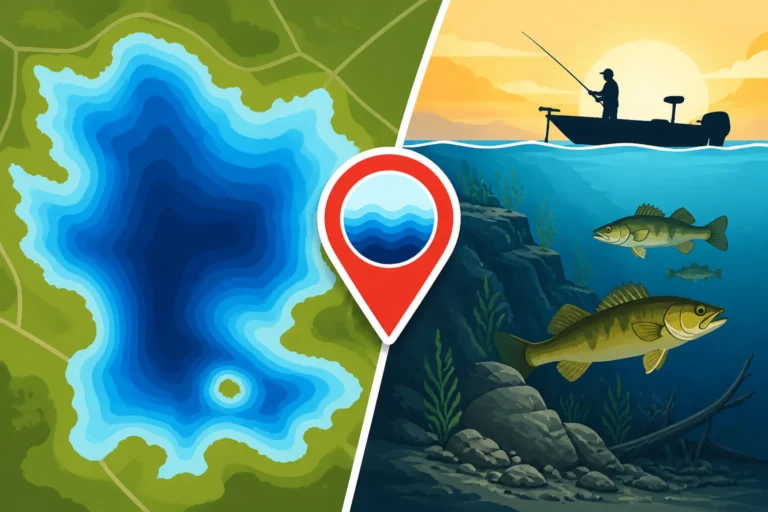
Understanding Lake Bemidji's Walleye Habitat
Lake Bemidji is a diverse fishery, offering a mix of shallow bays, deep main lake basins, and plenty of structure that walleye absolutely love. Understanding these different habitats and how walleye relate to them throughout the year is your first step to consistent success. It’s not just about dropping a line anywhere; it’s about knowing where they should be.
Key Structures and Depth Zones
Bemidji boasts a variety of structural elements that act as walleye magnets. You've got everything from sharp breaks and submerged points to expansive mud flats and weed beds. The key is knowing which structures are active during different conditions and times of year. For instance, the transition areas where hard bottom meets soft bottom can be incredibly productive, as baitfish often congregate there, and walleye follow.
Consider the prominent features like Diamond Point, which offers a classic breakline from shallow to deep water, creating excellent ambush points for walleye. The deeper basins, especially in the north and central parts of the lake, hold fish during the summer months when they often suspend over the mud or relate to subtle humps. Don't forget the shallow bays like Nymore and Wolf Lake Bay, which warm up quickly in spring and offer important spawning and early feeding grounds before walleye move to deeper, cooler water. The confluence with the Mississippi River near the narrows is also a significant area, creating current and depositing nutrients that attract forage.
Seasonal Movements of Walleye in Bemidji
Walleye in Lake Bemidji are creatures of habit, yet their habits change dramatically with the seasons. As the water temperature fluctuates, so do their preferred depths, structures, and feeding patterns. Missing this crucial understanding means you're often fishing where the walleye were, not where they are.
In spring, immediately after ice-out and especially during the Walleye Season & Limit in Minnesota opener, walleye are shallow, often holding on sandy or rocky points and shorelines where they spawn. They’re recovering and actively feeding, making them vulnerable to shallow presentations. As summer progresses and water temperatures rise, many walleye retreat to deeper, cooler water. They'll often be found suspended over mud flats or relating to deep breaklines and humps, feeding on Cisco and perch. Fall brings cooler water again, and walleye often move back shallower, aggressively feeding in preparation for winter. This is a prime time for trophy fish. Winter ice fishing sees them congregating on specific structures, often deep humps or near river channels, providing unique challenges and rewards. Understanding these broad movements is key to patterning the fish.
Top Walleye Fishing Techniques for Lake Bemidji
Fishing Lake Bemidji for walleye isn't a one-trick pony. You need a versatile approach, adapting your tactics to the specific season, conditions, and where the walleye are holding. What works in May won't necessarily work in August, and vice-versa.
Early Season Strategies Opener to Early Summer
The walleye opener on Lake Bemidji is an exciting time, but it can also be challenging if you don't adjust to post-spawn fish. Many walleye will be transitioning from spawning areas to shallow feeding grounds. Focus on the shallower breaks, 6-15 feet, especially areas with current or fresh green weeds.
One highly effective technique is jigging with a minnow or a soft plastic. A 1/8 to 1/4 ounce jig tipped with a shiner or rainbow minnow is often irresistible to hungry walleye. Cast it out, let it sink, and use a slow lift-fall retrieve. Another excellent choice is slip bobber fishing with leeches or fathead minnows around weed edges or emerging submerged structure. This allows you to present bait subtly at a precise depth. The key during this time is patience and working those prime shallow areas thoroughly. Don't be afraid to target areas where you see baitfish flickering on your electronics, as walleye are almost certainly nearby. For more detailed insights, you might want to read our guide on Early Season Walleye After the Opener.
Mid-Summer Tactics Deep Water and Night Fishing
As summer heat sets in, Lake Bemidji's walleye will typically move deeper to find cooler, more oxygenated water and abundant forage. This means adapting your techniques to target fish in 20-35 feet, sometimes even deeper. Trolling becomes a highly effective method during this period.
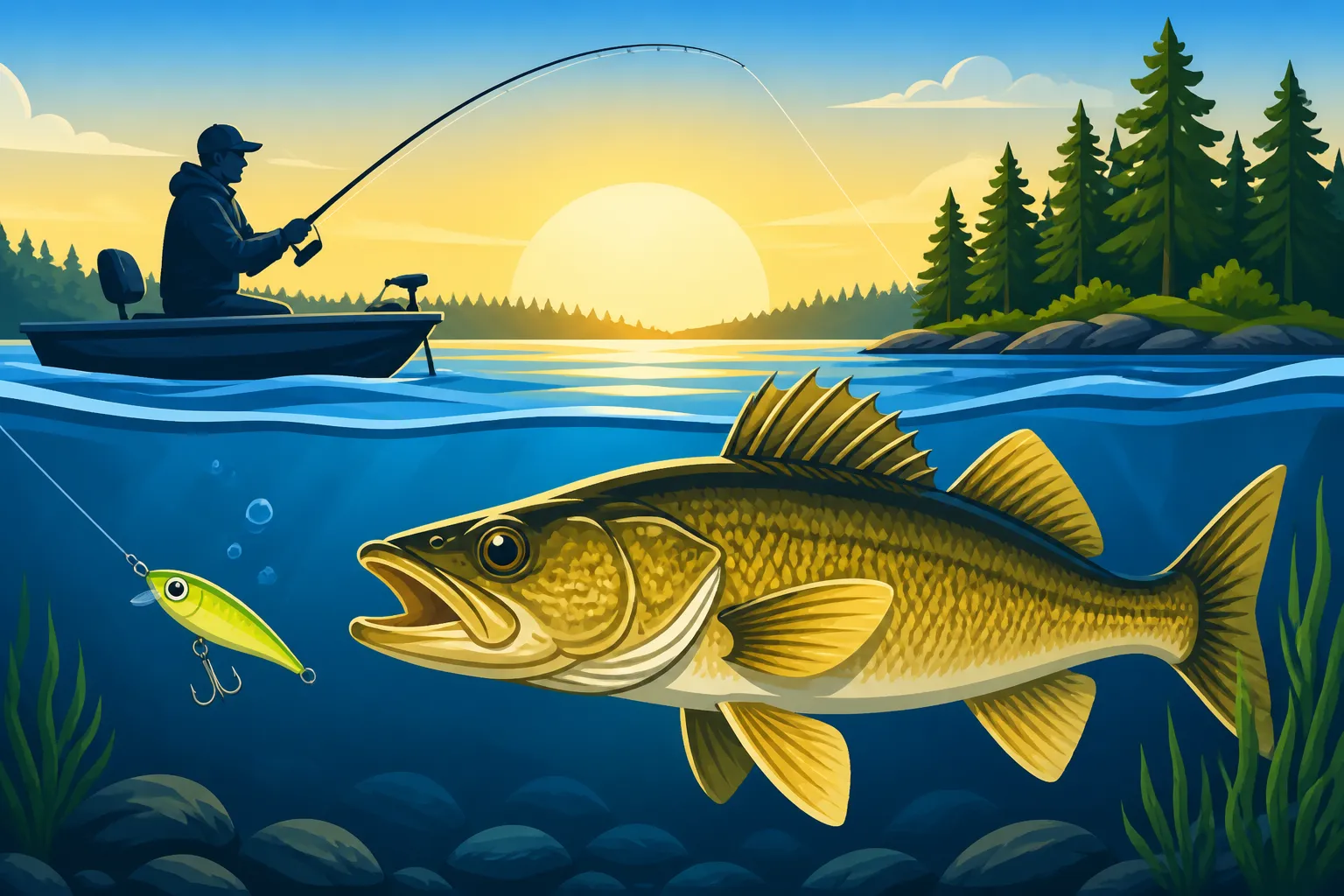
Bottom bouncers paired with spinner rigs, tipped with nightcrawlers or leeches, are classic mid-summer walleye producers. Use a trolling motor to move slowly (0.8-1.5 mph) along deep breaklines, over offshore humps, and across the main lake basin. Look for areas where the depth changes rapidly or where your fish finder shows schools of baitfish. Crankbaits are another excellent choice, especially at night when walleye move shallower to feed. Shallow-running crankbaits can be trolled over 10-20 foot flats after dark, mimicking baitfish. Many guides, often found through services like FishingBooker, specialize in these night tactics and can provide invaluable local knowledge. Don't underestimate the power of jigging spoons or blade baits vertically over deep structure when you mark fish directly beneath the boat.
Fall Fishing for Trophy Walleye
Fall on Lake Bemidji is a prime time for big walleye. As water temperatures cool, walleye go on a feeding frenzy, bulking up for the winter ahead. They often move back to shallower depths, sometimes as shallow as 10-15 feet, especially during low-light conditions.
Trolling large crankbaits is a go-to tactic, often targeting deep weed edges or rocky points and reefs. Bigger baits can attract bigger fish. Consider using Rapala Deep Tail Dancers or Berkley Flicker Shads in perch or firetiger patterns. Jigging with heavier jigs (3/8 to 1/2 ounce) tipped with large shiner minnows is also incredibly effective, especially when worked slowly along deep breaks or humps. The fish are less active, but more inclined to hit a substantial meal. Focus your efforts during prime feeding windows, typically dawn, dusk, and cloudy days. This is when those larger, more wary walleye are most likely to bite. Our guide on Fall Walleye Fishing: Turnover & Cold Water offers more insights into this productive season.
Essential Gear and Bait for Bemidji Walleye
Having the right tools for the job can make all the difference, especially on a lake as dynamic as Bemidji. While you don't need to break the bank, investing in quality gear tailored for walleye fishing will certainly enhance your experience and success rate.
Recommended Rods, Reels, and Line
For general walleye fishing on Lake Bemidji, a versatile medium-light to medium power spinning rod, 6'6" to 7' long, is a fantastic starting point. This setup is ideal for jigging, slip bobbers, and even casting lighter crankbaits. Pairing it with a reliable 2000 or 2500 series spinning reel spooled with 8-10 pound braided line, and a 6-8 pound fluorocarbon leader, gives you sensitivity, strength, and stealth.
If you plan on doing a lot of trolling with bottom bouncers or heavier crankbaits, a medium-heavy baitcasting rod, 7' to 8'6" in length, is a better choice. Match it with a line counter reel spooled with 10-15 pound monofilament or leadcore line. This setup allows for better control of heavier presentations and more precise depth management. For specific recommendations, check out our guide on the Best Walleye Rods & Reels. Having a couple of different setups ready can save valuable time on the water as you adapt to changing conditions and techniques.
Best Lures and Live Bait Options
Live bait is often king for walleye, and Lake Bemidji is no exception. Shiner minnows are a perennial favorite, especially for jigging or under a slip bobber. Leeches are incredibly effective from late spring through summer, particularly when the water warms. Nightcrawlers, usually on a spinner rig or Lindy Rig, are also excellent all-around choices. Always check with local bait shops for what's currently working best; they're an invaluable resource.
When it comes to artificial lures, a diverse tackle box is your friend. Here's a breakdown:
- Jigs: 1/8 to 3/8 ounce jigs in colors like chartreuse, orange, white, and pink. Tipping them with soft plastics (paddle tails, curly tails) or live minnows is often key.
- Crankbaits: Shallow-diving models for early season or night fishing (e.g., Rapala Shad Rap, Berkley Flicker Shad). Deep-diving models for trolling in summer and fall (e.g., Rapala Deep Tail Dancer, Bandit Walleye Deep). Experiment with natural baitfish patterns and brighter, more aggressive colors.
- Spinner Rigs: Often called crawler harnesses, these are fantastic for trolling. Choose blades in various colors and sizes (Colorado, Indiana, Willow Leaf) and pair them with bright beads.
- Blade Baits & Jigging Spoons: Effective for vertical jigging over deep structure or through the ice. Brands like Sebile, Jigging Rap, and Northland Tackle offer excellent options.
The important thing is to have a selection and be willing to experiment until you find what the walleye are keying in on that particular day. Sometimes, a subtle change in color or size can make all the difference.
Navigating Bemidji's Challenges and Maximizing Success
Every popular fishing lake has its quirks and challenges, and Lake Bemidji is no different. Dealing with boat traffic, understanding local nuances, and leveraging technology are all part of the game to consistently find walleye.
Dealing with Fishing Pressure and Boat Traffic
Lake Bemidji is a popular destination, especially during peak seasons, meaning you'll often encounter other anglers and recreational boaters. This pressure can make walleye wary and push them off traditional spots. The key is to adapt.
When popular spots are crowded, don't be afraid to explore lesser-known areas or target periods when traffic is minimal, such as early mornings, late evenings, or during weekdays. Sometimes, moving just a short distance from the crowds to a similar, less obvious piece of structure can yield fantastic results. Focus on subtle humps, inside turns on breaklines, or less accessible weed pockets. Also, learn to fish efficiently when you do encounter pressure. Make precise casts, minimize noise, and move stealthily with your trolling motor. Consider hiring a local guide through a platform like FishingBooker for a day; they often know hidden gems or how to navigate crowded waters effectively. Their expertise can provide a significant advantage.
Reading the Lake Electronics and Local Knowledge
Modern electronics are invaluable tools for walleye fishing on Lake Bemidji. A good fish finder with GPS and mapping capabilities (like those from Humminbird or Garmin) can help you identify structure, mark baitfish, and locate individual walleye. Pay close attention to depth contours, breaks, and changes in bottom composition. The "Lake Bemidji Walleye Fishing Tips" often come down to interpreting what your electronics are telling you.
However, electronics are only part of the puzzle. Local knowledge, gained from experience or by talking to seasoned anglers and bait shop owners, is gold. They can provide real-time updates on what's biting, where, and what specific baits or techniques are working. Keep an eye on local fishing reports, too. Combining your understanding of fish behavior with detailed maps, sonar readings, and current local intelligence will dramatically increase your chances of success. It's about putting all the pieces together for a comprehensive understanding of the lake and its inhabitants.
Seasonal Walleye Tactics for Lake Bemidji
Here's a quick reference for common walleye tactics on Lake Bemidji, adapting to the changing seasons:
| Season | Primary Depths (Feet) | Preferred Baits/Lures | Go-To Techniques | Key Structures to Target |
|---|---|---|---|---|
| Spring | 6-15 | Minnows (Shiner, Rainbow), Leeches, Small Jigs | Jigging, Slip Bobbers, Shallow Cranks | Shallow Points, Current Areas, Sand Flats, Emerging Weeds |
| Early Summer | 12-25 | Leeches, Nightcrawlers, Cranks, Spinners | Slip Bobbers, Lindy Rigs, Trolling Spinner Rigs | Breaklines, Deeper Weed Edges, Submerged Humps |
| Mid-Summer | 20-35+ | Nightcrawlers, Larger Cranks, Jigging Spoons | Trolling Bottom Bouncers/Cranks, Vertical Jigging | Deep Mud Flats, Offshore Humps, Deep Breaklines |
| Fall | 10-30 | Large Minnows, Cranks, Jigging Spoons | Trolling Large Cranks, Heavy Jigging, Live Bait Rigs | Deep Weed Edges, Rocky Points, Hard Bottom Reefs |
| Winter (Ice) | 15-40 | Minnows, Jigging Raps, Spoons, Tungsten Jigs | Vertical Jigging, Deadsticking, Tip-Ups | Deep Humps, Main Lake Basins, River Channels, Structure Transitions |
Remember, these are general guidelines, and walleye can always surprise you! Always be willing to adapt. If you're looking to explore more about fishing through the ice, our comprehensive guide on Ice Fishing in Minnesota: Complete Beginner-to-Pro Guide is a great resource.
Getting Started on Lake Bemidji
Whether you're a seasoned walleye angler or just starting out, Lake Bemidji offers incredible opportunities. The journey of learning a new lake and its fish is part of the fun, but armed with these tips, you'll be well on your way to a more successful and enjoyable experience.
For those eager to dive deeper into general walleye strategies, our article Walleye Fishing Techniques: Complete Minnesota Guide provides a broader overview of tactics applicable across the state. And if you're keen on finding out what the current bite is like, remember that local bait shops and online resources, including fishing reports often shared by guides found on platforms like FishingBooker, can offer valuable real-time updates. Don't forget to review the specific Lake Bemidji Fishing Regulations (2026) before you head out, as limits and slot sizes can change.
Beyond walleye, Lake Bemidji also offers fantastic fishing for other species. Many anglers enjoy targeting Northern Pike in Minnesota: Identification & Where to Catch or even dabble in Crappie & Panfish Fishing Techniques when the walleye bite slows. The important thing is to get out there, enjoy the beauty of northern Minnesota, and make some memories on the water.
Disclaimer
Fishing conditions and regulations can change frequently. Always consult the latest Minnesota Department of Natural Resources (DNR) fishing regulations before heading out on the water. This guide provides general information and tips based on common angling practices.