Lower Red Lake Fishing Report & What’s Biting
It's incredibly frustrating, isn't it? You've got your gear packed, the boat hitched, and that eager anticipation building for a trip to Lower Red Lake, only to realize you're not quite sure what the fish are actually doing out there. The conditions change constantly – yesterday's hot bite might be today's dead zone. This guide is your up-to-the-minute look at the fishing situation on Lower Red Lake, designed to arm you with the knowledge you need to hit the water with confidence and, hopefully, come back with a cooler full of memories and fish.
Understanding Lower Red Lake's Unique Fishery
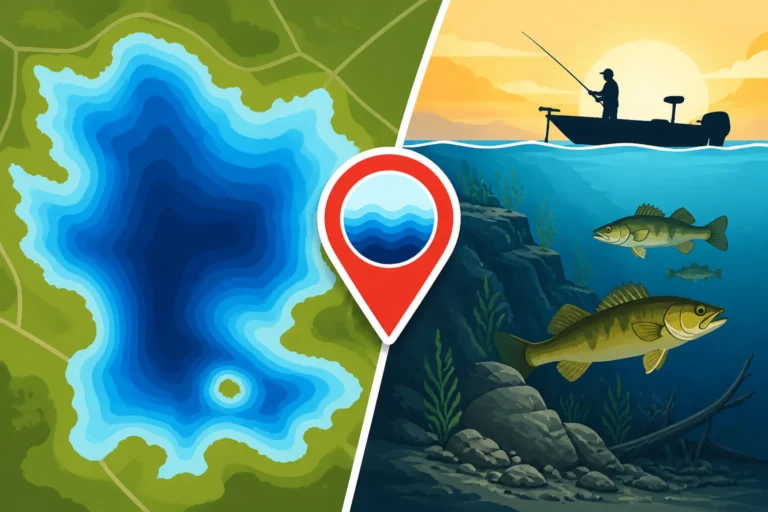
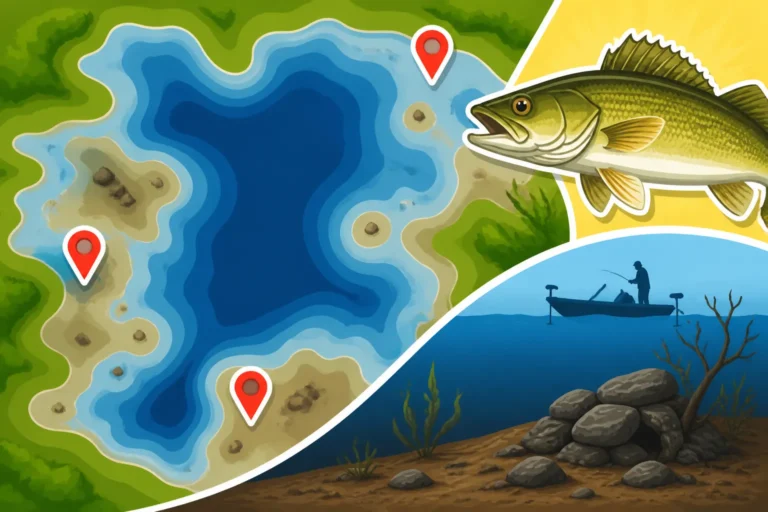
Lower Red Lake, often overshadowed by its larger twin, Upper Red Lake, holds its own as a premier fishing destination in Minnesota. It's a vast, shallow basin, averaging only about 10-12 feet deep, which creates a dynamic environment for fish and a unique challenge for anglers. The lake bed is generally soft and silty, but subtle contours, scattered rock piles, and submerged vegetation become critical structure for holding fish. Don't let its seemingly featureless expanse fool you; there's a lot going on beneath the surface.
The Walleye Powerhouse Reputation
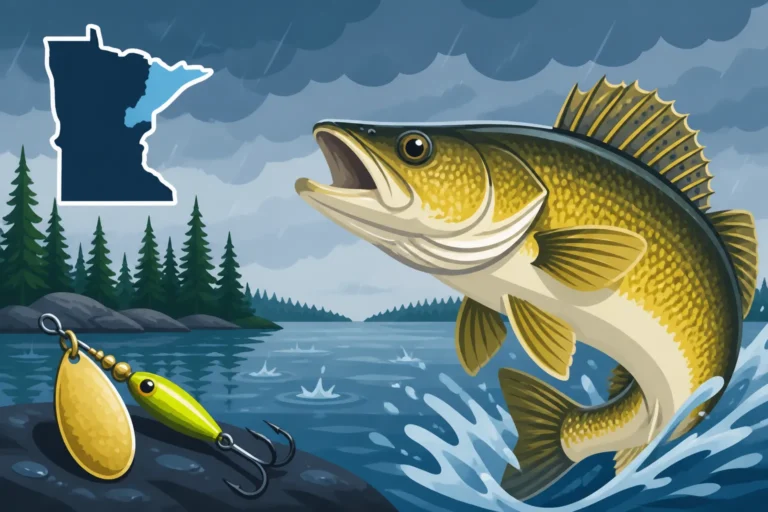
Let's be real, most folks head to Lower Red Lake for one reason: walleye. This lake is legendary for its consistent walleye population and the opportunity to catch good numbers of eaters. The shallow nature means that walleye can be found almost anywhere, from the vast main lake basin to the edges of emerging weed lines, often in surprisingly shallow water. Unlike some of Minnesota's deeper, more complex walleye lakes, Red Lake often simplifies the search, making it a fantastic spot for both seasoned pros and those newer to the walleye game. It’s truly a walleye factory, with the Red Lake Band of Chippewa Indians and the Minnesota DNR managing it as a co-managed fishery. This unique arrangement helps ensure a healthy, sustainable population for future generations of anglers.
Beyond Walleye: Pike, Crappie, and Perch
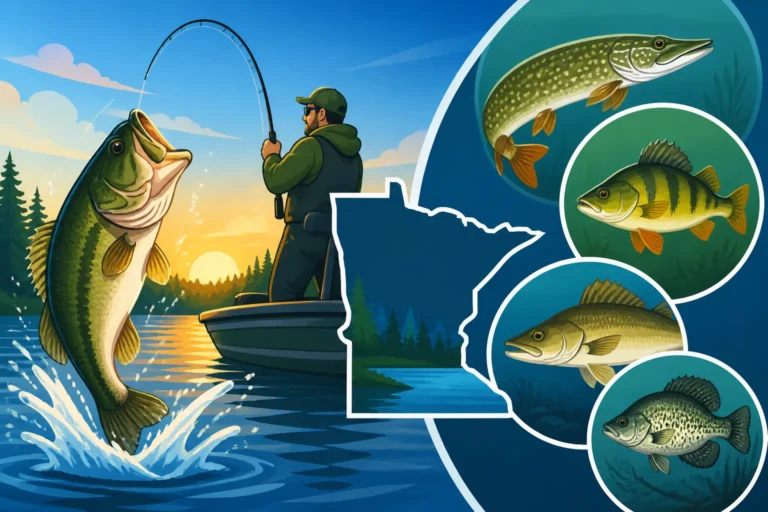
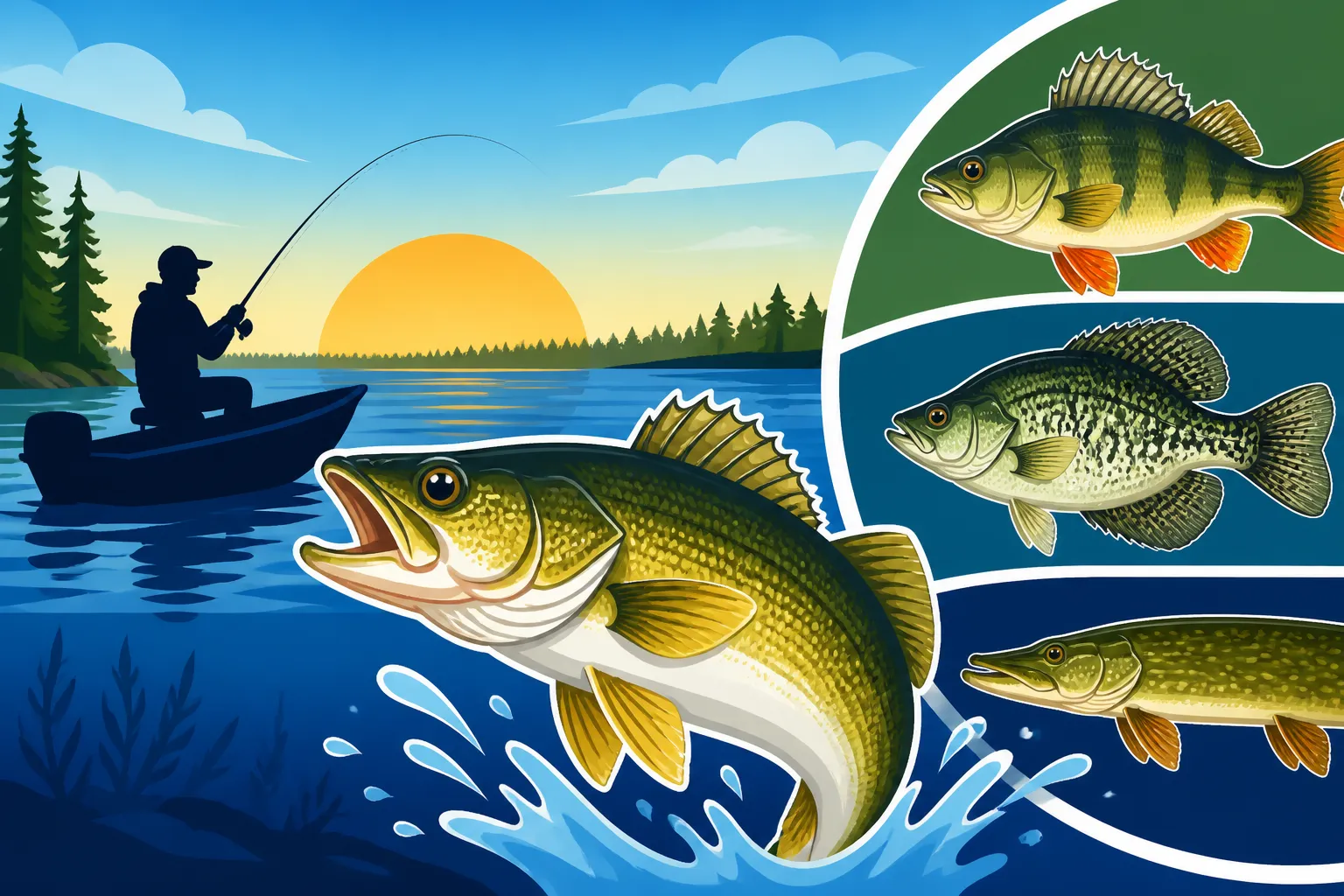
While walleye definitely steal the spotlight, Lower Red Lake offers a diverse fishery that often gets overlooked. If you’re willing to branch out, you can find some fantastic action with other species. Northern pike are abundant and can offer exciting fights, especially if you're looking to target a larger predator. And don't forget the panfish! Crappie and yellow perch populations can be robust, providing excellent opportunities, especially during specific times of the year. While not always the primary target, catching a jumbo perch or a slab crappie can be a fantastic bonus and a great way to fill out a mixed bag for a fish fry. Exploring these other species can add a whole new dimension to your Lower Red Lake fishing adventure.
Current Fishing Conditions on Lower Red Lake
Staying on top of the current conditions is paramount for success on Lower Red Lake. This isn't just about what bait to use, but where to even start looking. The shallow depth means the water temperatures can fluctuate more rapidly than in deeper lakes, directly impacting fish behavior and location. Pay close attention to these details; they're your best friends when planning your attack.
Water Temperatures and Depths
Given Lower Red Lake's shallow average depth, water temperatures play a huge role in where fish are holding. In spring, after the ice out (you can find details on Minnesota Fishing Seasons & Opener Dates (2026) here), the lake warms quickly, bringing walleye into shallow bays and along shorelines for spawning and then feeding. As summer progresses, the whole lake warms up, and fish might spread out or relate more to subtle deeper contours (even if "deep" is only 12-14 feet) or emerging weed beds. In the fall, as temperatures drop, fish will once again become more active and concentrate, feeding heavily before winter. The key is to remember that even a one-degree difference in surface temp across different parts of the lake can concentrate baitfish and, consequently, predator fish.
For current reports (as of late spring/early summer 2024), surface temperatures across Lower Red Lake are typically in the upper 50s to low 60s Fahrenheit. These moderate temperatures mean fish are active and moving. Walleye are still relatively shallow, often found in 6-10 feet of water, especially near areas with new weed growth or subtle breaks. Northern pike will also be cruising these shallower zones, often tucked into vegetation. Panfish might be found a bit shallower, especially crappie, which will often school up in bays as they transition from spawning.
Weather Impact and Recent Trends
Weather, especially wind, has a monumental impact on Lower Red Lake. Being a large, open body of water, it can get incredibly rough very quickly. Strong winds can create powerful waves that muddy the water on wind-blown shores, making fishing difficult in those areas but often concentrating baitfish and active walleye on the opposite side of the lake or on main lake reefs that are getting pounded. A consistent south or west wind for a few days can really stack up the walleye on north or east-facing breaks.
Recent trends suggest that variable spring weather has kept the fish somewhat unpredictable, but as we move into more stable summer patterns, expect fish to settle into more consistent locations. Look for periods of stable weather, especially those with light winds, as these often provide the most comfortable and productive fishing conditions. However, don't shy away from a little chop; a "walleye chop" can actually be your best friend, breaking up the surface and making walleye feel more secure to feed aggressively. It’s all about adapting to what Mother Nature throws your way.
What's Biting: Species-Specific Reports
Alright, let's get down to the brass tacks: what's actually hitting the lines out there? Knowing which species are active and where to find them is the key to a successful day. Lower Red Lake has its stars, and then it has its unsung heroes. We'll cover both so you're prepared for whatever you encounter.
Walleye: The Main Event
Right now, walleye fishing on Lower Red Lake is good to excellent. Anglers are consistently reporting decent numbers of eater-sized walleye, typically in the 14-18 inch range, with opportunities for larger fish as well. The shallow nature of the lake means that walleye are often found spread out, but they do tend to congregate around subtle changes in depth, emerging weed beds, and areas with hard bottom.
The primary depth for walleye right now is between 6 and 12 feet. On calmer days, they might pull back slightly to the deeper side of these zones, while on windy, choppy days, they'll push shallower, even into 4-6 feet of water, especially on points or flats exposed to the wind. Look for "walleye roads" – slight depressions or channels in the soft bottom, or areas where current subtly washes over rock or sand spots. Remember to check the specific Lower Red Lake Walleye Limit & Slot for 2026 to ensure you're compliant with regulations.
Northern Pike: Aggressive Opportunists
Northern pike are always present and willing on Lower Red Lake, often providing a welcome fight between walleye bites. They are typically found in similar areas to walleye, especially around any significant weed growth. These fish are aggressive predators, and they love to ambush baitfish from cover.
Reports indicate that pike are active, particularly in the 4-8 foot range, cruising the edges of bullrushes and submerged cabbage beds. If you’re targeting them specifically, using larger spoons, spinnerbaits, or even dead bait under a bobber can be very effective. Many anglers catch pike incidentally while walleye fishing, and it’s always a thrill to feel that powerful strike! You can learn more about Northern Pike in Minnesota: Identification & Where to Catch if you're interested in really dialing in on these toothy critters.
Crappie and Perch: Panfish Action
While not the primary draw for many, crappie and yellow perch can offer some fantastic panfish action on Lower Red Lake, especially if you know where to look. Crappie tend to be more active in the spring and fall, but they can be found year-round. Perch, often considered a bycatch while walleye fishing, can also be targeted specifically for some delicious fillets.
Crappie are schooling fish, and when you find one, you've likely found a whole pile. They tend to relate to submerged wood, deeper weed lines, and sometimes even suspension over slightly deeper basins. Current reports suggest crappie are grouping up in certain bays and deeper channels, often found in 8-15 feet of water. Jumbo yellow perch are often found mixed in with walleye on the main lake flats and subtle breaks. They love to scour the bottom for invertebrates. For specific tactics, take a look at our Crappie & Panfish Fishing Techniques guide.
Here's a quick summary of what's biting:
| Species | Primary Depths (Feet) | Preferred Baits/Lures | Hot Spots (General) | Notes |
|---|---|---|---|---|
| Walleye | 6-12 | Jig & Minnow, Leeches, Crankbaits, Bottom Bouncers | Main lake flats, subtle breaks, emerging weeds | Active and widespread, good numbers of eaters. |
| Northern Pike | 4-8 | Spinnerbaits, Spoons, Large Minnows | Weed edges, bullrush lines, shallow points | Aggressive, often caught as bycatch. |
| Crappie | 8-15 | Small Jigs (plastics/minnows), Small Spoons | Deeper bays, submerged brush, channels | Schooling fish, look for concentrations. |
| Yellow Perch | 6-12 | Small Jigs (worms/plastics), Minnows, Crawler pieces | Main lake flats, mixed in with walleye, soft bottom | Great eating, often caught while walleye fishing. |
Tactics and Gear for Current Success
With the fish biting, the next step is to make sure you're using the right tools and techniques. Lower Red Lake isn't necessarily complicated, but employing proven tactics will significantly increase your odds. Don't be afraid to experiment, but having a solid starting point is always a huge advantage.
Top Baits and Lures to Try
For walleye on Lower Red Lake right now, live bait presentations are almost always a solid bet. A classic jig and minnow combo is hard to beat, especially with a lively shiner or fathead. Try using brightly colored jigs like chartreuse, orange, or white in stained water, and more natural colors like brown or black in clearer conditions. Leeches under a slip bobber are also highly effective, particularly as water temperatures stabilize and walleye become more active throughout the day. If you're drifting or trolling, a Lindy Rig with a lively crawler or leech is a deadly presentation, allowing you to cover water slowly and effectively.
When it comes to artificials, crankbaits that run shallow (5-10 feet) can be fantastic for trolling along breaking depths or flats. Think Rapala Shad Raps, Berkley Flicker Shads, or Salmo Hornets in natural baitfish patterns or bright colors. For pike, a simple red and white spoon, a chartreuse spinnerbait, or even a larger soft plastic jerkbait retrieved erratically near weed lines will often trigger strikes. Don't forget the power of a good old-fashioned crawler harness behind a bottom bouncer for walleye, especially when fish are spread out across the flats.
Recommended Techniques and Rigging
Drifting or slow-trolling with a jig and minnow or a Lindy Rig is a consistently productive method on Lower Red Lake. The shallow, expansive nature of the lake makes covering water important. Use your electronics to identify subtle depth changes, scattered rock, or isolated weed patches, and then focus your efforts there. If you're jigging, a slow, methodical lift-drop can be very effective, especially when fish are less aggressive. Pay attention to how the boat is moving with the wind; sometimes drifting with the wind across a flat is more productive than fighting it.
For targeting crappie, a small jig tipped with a tiny plastic grub or a crappie minnow under a small bobber is the way to go. Focus on submerged structure like brush piles or the edges of dense weed beds. For perch, a small jig or a simple plain hook with a piece of nightcrawler or a small minnow fished tight to the bottom will yield results. Don't forget that Minnesota allows for a generous number of lines when fishing open water, so you can increase your odds by setting out a few different presentations. Understanding How Many Lines Can You Fish in Minnesota? can help you optimize your setup. If you're looking for deeper insights into getting those walleye to bite, check out our guide on Best Walleye Fishing Tactics in Minnesota.
Navigating Lower Red Lake: Access and Resources
Getting on and off Lower Red Lake, and knowing who to talk to once you're there, can make or break your trip. It's a big lake, and having good access points and reliable local knowledge is crucial.
Public Access Points and Resorts
Lower Red Lake offers several public access points managed by the DNR, allowing anglers to launch their boats. However, many anglers also rely on the excellent services provided by the resorts around the lake. These resorts often have well-maintained boat ramps, ample parking, and sometimes even guide services or bait shops right on site. Popular options include those found on the southern and eastern shores of the lake. These facilities often provide real-time updates on fishing conditions directly from their guests and guides, making them invaluable resources.
Before you head out, always double-check the ramp conditions, especially during early spring or late fall, as water levels can fluctuate. Remember to comply with all Aquatic Invasive Species (AIS) rules for boaters, thoroughly cleaning and draining your boat before launching and after pulling out. This helps protect the amazing fishery we all enjoy.
Hiring a Local Guide or Charter
If you're new to Lower Red Lake, or just want to maximize your time and learn the ropes quickly, hiring a local fishing guide is an absolute game-changer. These folks spend countless hours on the water and know the lake's nuances like the back of their hand. They'll put you on fish, teach you the most effective techniques for the current conditions, and even handle the bait and tackle. It's an investment that often pays off with a fantastic experience and a cooler full of fish.
Finding a reputable guide is easier than ever. Online platforms like FishingBooker connect anglers with local guides who specialize in Lower Red Lake. You can browse profiles, read reviews, and even book your trip directly through their platform, taking a lot of the hassle out of the planning process. Many of these guides run comfortable, well-equipped boats perfect for navigating Red Lake’s waters. It’s an excellent way to fast-track your learning curve and ensure a productive day, especially if your time on the water is limited.
Seasonal Outlook and Pro Tips
Fishing on Lower Red Lake is truly a year-round affair, transitioning from open water to hardwater seamlessly. Knowing what to expect in the coming weeks and adhering to important regulations will keep you productive and compliant.
Anticipating Upcoming Changes
As we transition further into summer, expect walleye to potentially spread out a bit more across the vast main lake basin, often relating to more subtle structure. The bite might become more consistent during low-light hours or on windy days. Crappie will continue to school, but might move into slightly deeper water or relate to offshore structure. Pike will remain active in and around weed beds.
Heading into fall, as water temperatures begin to drop, both walleye and pike will start their aggressive feeding binges, bulking up for winter. This can lead to some truly epic fishing as fish become more concentrated and willing to chase baits. And of course, once the ice forms, Lower Red Lake transforms into an ice fishing paradise, famous for its incredible walleye bite through the hard water. You can often find some of the Best Ice Fishing Lakes in Minnesota here. Always keep an eye on local fishing reports as the seasons change; they'll provide the most precise details for your trip.
Conservation and Regulation Reminders
Responsible angling is critical to maintaining Lower Red Lake as a world-class fishery. Always adhere to catch limits and size restrictions, especially for walleye. The Red Lake Band of Chippewa Indians and the Minnesota DNR work together to set these regulations to ensure a healthy, sustainable future for the fish population. It’s always a good idea to refresh your memory on the specific Lower Red Lake Walleye Limit & Slot before your trip.
Additionally, practice proper catch and release techniques for any fish you intend to send back, especially larger breeding-stock walleye or trophy pike. Handle fish gently, minimize their time out of the water, and use appropriate tools like needle-nose pliers for hook removal. And, of course, ensure you have your Minnesota Fishing License: Cost, Types & How to Buy (2026) before casting a line. Protecting this incredible natural resource is a shared responsibility, and every angler plays a part.
Disclaimer
Fishing conditions can change rapidly due to weather, fish movements, and biological factors. This report is based on general trends and available information at the time of writing. Always consult the most current local regulations and advisories from the Minnesota Department of Natural Resources (DNR) and the Red Lake Band of Chippewa before heading out. Safety first!