Fishing in Voyageurs National Park
Voyageurs National Park, with its intricate network of interconnected lakes and wilderness, presents a truly unique and often intimidating challenge for anglers. The sheer scale and remote nature of these waters can leave even seasoned fishermen scratching their heads about where to start, what to target, and how to navigate the specific rules of a National Park. This comprehensive guide will demystify fishing in Voyageurs, offering insights into its diverse fisheries, essential techniques, and crucial planning tips to help you experience some of Minnesota's most pristine angling.
Understanding Voyageurs National Park's Unique Waters
Voyageurs National Park isn't just one lake; it's a vast aquatic ecosystem spanning over 218,000 acres, with 40% of that being water. This makes it an incredibly dynamic and often overwhelming destination for those unfamiliar with its geography. Understanding how these waters are structured and managed is your first step to a successful trip.
The Interconnected Lake System
The park is dominated by four major lakes: Rainy Lake, Kabetogama Lake, Namakan Lake, and Sand Point Lake, all linked by waterways and flowing into Rainy Lake. These aren't just separate entities; they form a continuous, dynamic system with diverse depths, structures, and fish populations. Rainy Lake, for instance, is massive, boasting over 160 square miles of water, countless islands, and intricate shorelines, offering endless opportunities but also demanding careful navigation. Kabetogama Lake is slightly smaller but equally rich in structure, with numerous reefs, points, and bays. Namakan and Sand Point lakes are known for their deeper, colder waters, often harboring different species or larger specimens of common fish.
This interconnectedness means that fish can move freely between these bodies of water, influenced by seasons, forage availability, and spawning instincts. An understanding of these movements can greatly enhance your success. For instance, walleye might congregate in the shallower, warmer bays of Kabetogama early in the season, then transition to deeper structures in Rainy Lake as summer progresses. The sheer size and wild nature of these lakes mean you’re often fishing untouched waters, far from the typical crowds found on many Minnesota lakes.
Border Water Regulations United States and Canada
One of the most critical aspects of fishing in Voyageurs National Park is that it lies directly on the international border with Canada. This means that parts of Rainy Lake, Namakan Lake, and Sand Point Lake are shared waters, and special rules apply that can be incredibly confusing if you're not prepared. While the core of the park's major lakes are generally considered Minnesota waters, knowing precisely where the border lies, especially in the more convoluted sections, is paramount.
Crossing into Canadian waters, even inadvertently, without the proper licenses and documentation can lead to significant penalties. This isn't just about having a Canadian fishing license; it also involves understanding customs and immigration requirements if you plan to land on Canadian soil or even just anchor there for a bit. Always carry your Minnesota fishing license, and if you plan to venture anywhere near the international boundary, strongly consider getting a Canadian non-resident fishing license for Ontario and understand their specific bag and possession limits, which can differ greatly from Minnesota's. Most anglers stick to the clearly marked U.S. side of the border to avoid these complexities, but it's essential to be aware. Familiarize yourself with the exact location of the international boundary by using reliable GPS charts, like those provided by Navionics or LakeMaster, which clearly delineate the line. This careful preparation ensures your fishing adventure remains enjoyable and penalty-free.
Top Fish Species to Target in Voyageurs
Voyageurs National Park is renowned for its diverse fishery, offering anglers a chance to catch a variety of sought-after species. While some fish are ubiquitous across Minnesota, the sheer size and wilderness character of Voyageurs often mean healthier populations and the potential for truly trophy-sized catches.
Walleye and Northern Pike The Mainstay
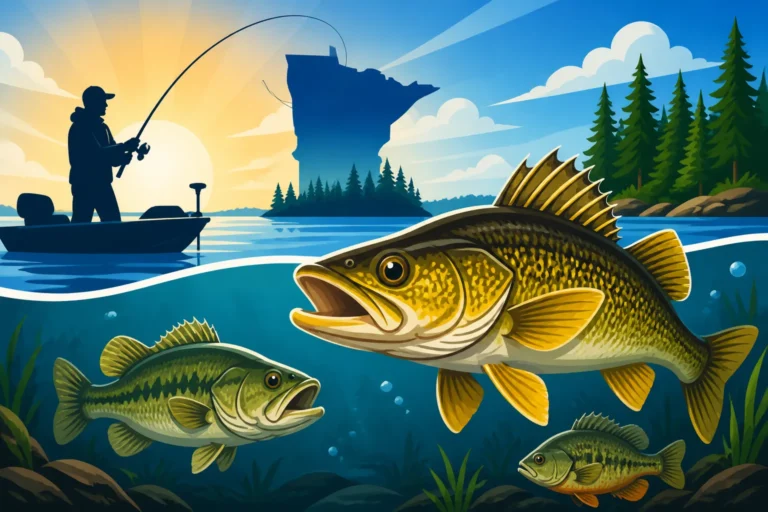
It’s no secret that walleye are king in Minnesota, and Voyageurs National Park is no exception. These golden-eyed beauties thrive in the park’s expansive, food-rich lakes. Kabetogama Lake and Rainy Lake are particularly famous for their walleye populations, offering consistent action throughout the open water season. Anglers can expect to find walleye on a variety of structures, from deep humps and reefs to weed lines and rocky points, depending on the time of year. The nutrient-rich waters support a strong forage base of ciscoes and yellow perch, leading to robust walleye growth. If you're planning a trip focused on catching walleye, studying the lake maps to identify key structural elements like main lake points, sunken islands, and rock piles will be incredibly beneficial.
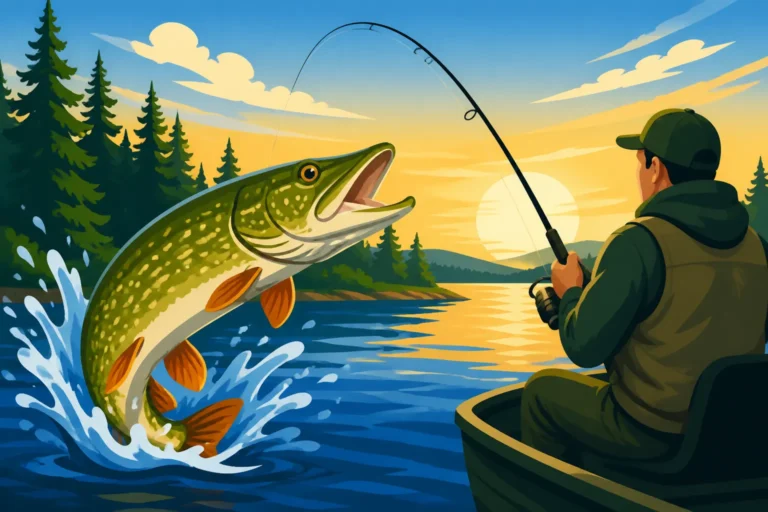
Northern pike are another dominant species in Voyageurs, and they grow huge here. The park's abundant shallow bays, rich with aquatic vegetation and access to deeper feeding grounds, provide ideal habitat for these toothy predators. It's not uncommon to hook into northern pike in the 35-inch range, with much larger fish caught regularly. These aren't your typical hammer-handle pike; many are true trophy fish, offering an exciting fight on appropriate gear. Rainy Lake and Namakan Lake, in particular, are known for their impressive pike fisheries. When fishing for them, be prepared with wire leaders, as their sharp teeth will make short work of monofilament or fluorocarbon lines. For more detailed insights into targeting this species, check out our guide on Northern Pike in Minnesota: Identification & Where to Catch.
Smallmouth Bass and Lake Trout Other Exciting Catches
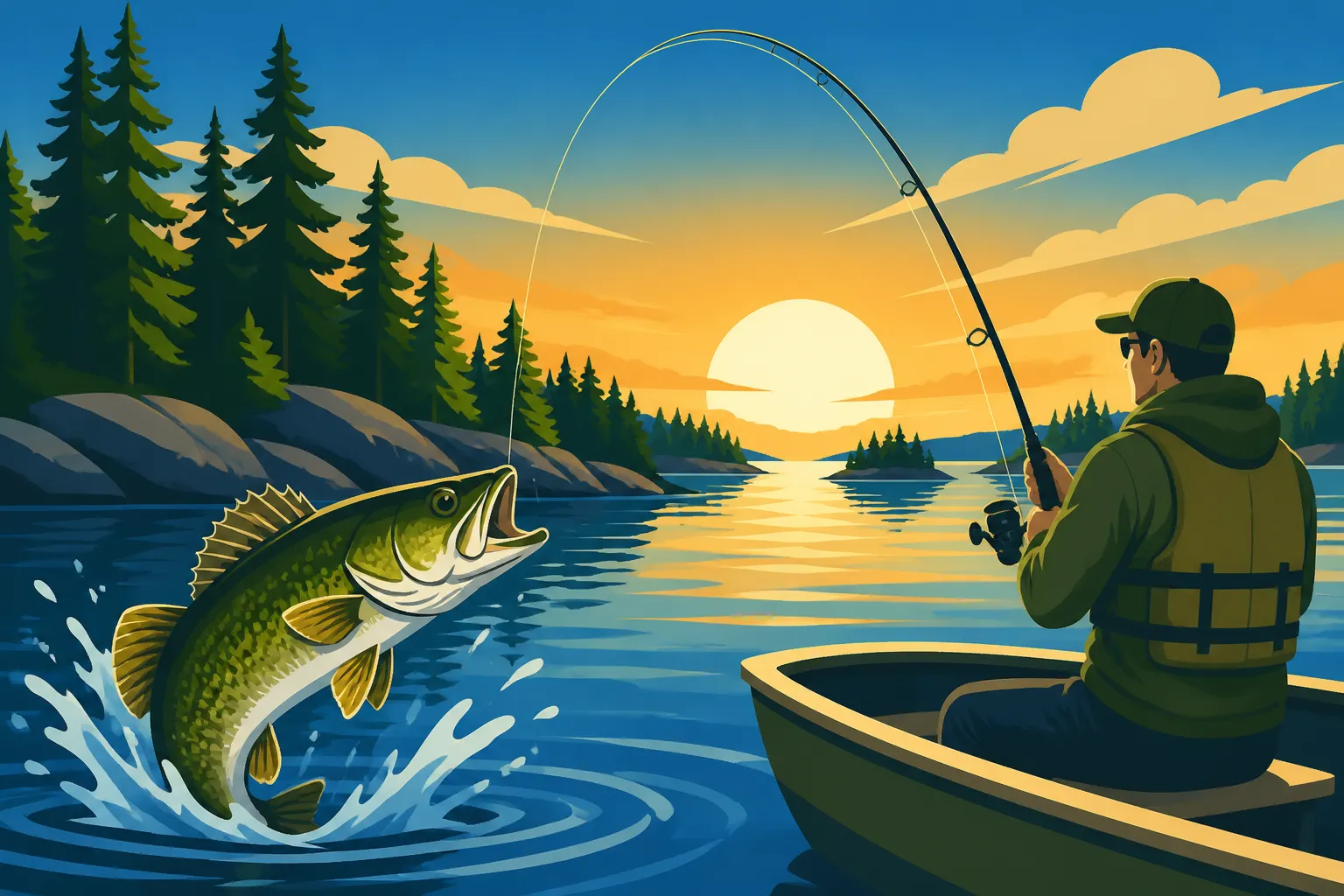
While walleye and pike often grab the headlines, Voyageurs National Park also offers exceptional opportunities for other game fish. Smallmouth bass have found a perfect home in the park’s rocky shorelines, boulder fields, and main lake points. These acrobatic fighters are a blast to catch, offering spirited battles that can often surprise anglers. Many of the rocky islands and submerged structures throughout Rainy and Kabetogama lakes hold excellent smallmouth populations. They are aggressive feeders, often willing to hit a variety of lures, from topwater baits to crankbaits and jigs. The clearer waters of Voyageurs really let these fish thrive, providing challenging but rewarding sight-fishing opportunities on calm days.
For those seeking a different kind of thrill, lake trout reside in the deeper, colder waters of Namakan and Sand Point Lakes. These powerful fish are a true cold-water species, often found suspended over deep basins or near steep drop-offs. Catching a lake trout can be a memorable experience, as they combine impressive size with incredible strength. Early in the season, they might be found closer to the surface, but as summer progresses, they move to cooler, deeper water, often requiring specialized techniques like downrigging or heavy jigging. Understanding their seasonal movements and preferred depths is key to success. Our resource on Lake Trout Season & Limit in Minnesota offers more specific details about regulations.
Panfish, Crappie, and Perch
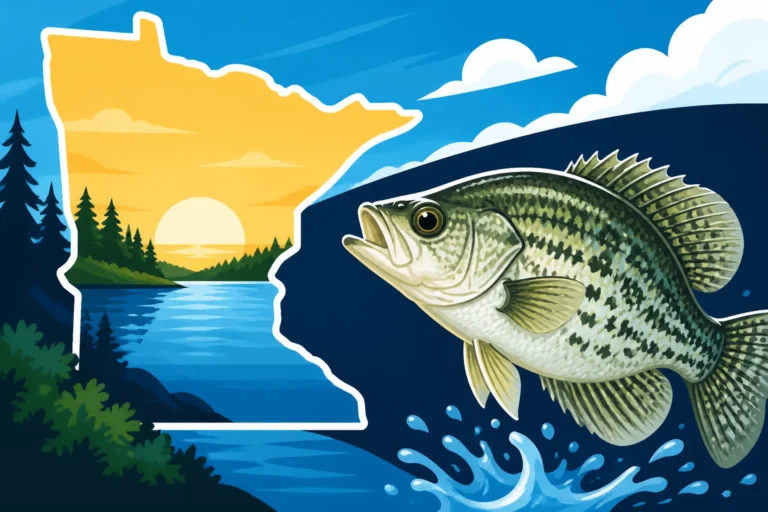
Don't overlook the panfish opportunities in Voyageurs National Park. While perhaps not as famous as the walleye or pike, the park's waters hold healthy populations of black crappie, bluegill, and yellow perch. These species can provide fantastic action, especially for families or anglers looking for a more relaxed day on the water. Crappie often gather in schools around submerged timber, brush piles, or weed edges in bays and protected areas. Rainy Lake's many coves and back bays are prime crappie territory.
Yellow perch are a common forage fish but also grow to respectable sizes in Voyageurs, offering excellent table fare and consistent bites. They are often found on sand flats, near weed lines, or relating to the same rocky structures as walleye. Bluegill, while perhaps less prominent than in some southern Minnesota lakes, can still be found in the shallower, weedy areas. Targeting these species can be a great way to introduce beginners to fishing or simply enjoy a day of consistent catches. Light tackle, small jigs, and live bait like minnows or worms are usually all you need for a fun panfish outing in Voyageurs.
Essential Fishing Techniques for Voyageurs' Diverse Habitats
Fishing in Voyageurs National Park requires a versatile approach due to the sheer size and variety of its waters. What works for walleye in a deep basin might not work for pike in a shallow bay, so having a range of techniques in your arsenal is crucial.
Navigating Structure and Depth for Walleye
Walleye fishing in Voyageurs often revolves around understanding the lake's vast underwater topography. The park's main lakes are riddled with humps, reefs, rock piles, and dramatic depth changes, all of which can hold walleye. In spring and early summer, walleye often relate to shallower transition areas where soft bottoms meet rock, or near inflowing rivers, as they recover from spawning. As summer progresses, they tend to move deeper, holding on the tops and sides of submerged reefs and humps in 20-40 feet of water.
Techniques like jigging with a live minnow or a soft plastic, especially on windy days that create a walleye chop, are highly effective. A classic Lindy Rig or slip bobber presentation with a leech or nightcrawler can also be deadly when fished slowly along contours or over suspended fish. Trolling with crankbaits like Rapalas or Berkley Flicker Shads is another popular and effective method, allowing you to cover large areas and pinpoint active fish, particularly during mid-day or when fish are scattered. Utilizing modern electronics, like a quality fish finder, is almost essential here to locate these subtle underwater structures and schools of baitfish. For more in-depth knowledge, refer to our comprehensive guide on Walleye Fishing in Minnesota: Complete Guide.
Targeting Pike in Weeds and Shallow Bays
Northern pike in Voyageurs thrive in the park's numerous shallow, weedy bays and protected areas. These areas provide both ambush points and abundant forage. Targeting pike often means focusing on the edges of extensive weed beds, emergent lily pads, and submerged timber. Early in the season, right after ice-out, they'll be very shallow, often in just a few feet of water, soaking up the sun and looking for easy meals. As summer heats up, they might retreat slightly deeper into the cooler, denser parts of the weed beds or move to deeper drop-offs adjacent to these areas.
Casting large spoons, spinnerbaits, or topwater lures is incredibly effective for aggressive pike. Baits like a Johnson Silver Minnow or a Pike Buster can trigger ferocious strikes. For trophy pike, don't shy away from throwing truly oversized jerkbaits or swimbaits. Remember to use a strong leader, preferably a steel or heavy fluorocarbon leader, to prevent bite-offs. Trolling large crankbaits along weed lines or across expansive bays can also produce big fish, especially during periods when they are actively feeding. The beauty of pike fishing in Voyageurs is the sheer abundance and size of these fish, making it an action-packed experience.
Techniques for Lake Trout and Bass
Lake trout, being cold-water residents, require different tactics. In the spring, shortly after ice-out, they can sometimes be found in shallower waters (10-30 feet) near rocky points or shoals as they feed on baitfish. During this time, casting or trolling spoons and crankbaits can be productive. However, as the water warms, lake trout move to deeper areas, often suspending over basins or hugging deep structure in 50-100+ feet of water. Vertical jigging with heavy spoons, tube jigs, or soft plastics can be effective, as can downrigging with large spoons or minnow-imitating plugs. Patience and good electronics to mark fish and bait are paramount when targeting lake trout.
Smallmouth bass fishing in Voyageurs is often about covering water and targeting rocky structures. Look for them around rocky shorelines, points, reefs, and island complexes. Clear water often means smallmouth can be spooky, so longer casts are advisable. Topwater lures like poppers or walking baits are incredibly exciting during low light conditions or on calm mornings. When bass are deeper or less active, tube jigs, drop shots, or Ned Rigs fished along rocky bottoms can be very effective. Crankbaits that mimic crawfish or small baitfish also work well when retrieved over rocky areas. Smallmouth in Voyageurs are known for their strong fights and willingness to chase, making them a favorite target for many anglers. If you're looking to learn more about bass, our guide on Smallmouth & Largemouth Bass in Minnesota offers a wealth of information.
Planning Your Voyageurs Fishing Trip
A successful fishing trip to Voyageurs National Park hinges greatly on thorough planning. The park's remote nature and vast waters mean you can't just show up and expect to figure it all out on the fly. From understanding access to deciding on lodging and necessary gear, every detail matters.
Access Points and Permitting
Voyageurs National Park is primarily water-based, meaning access is largely by boat. There are several main public access points, with some of the most popular being the Kabetogama Lake Visitor Center, Ash River Visitor Center, and Rainy Lake Visitor Center. These locations provide boat launches, parking, and essential information services. Unlike many National Parks, there are no entrance fees to Voyageurs, but if you plan to camp on one of the park's designated campsites, a permit is required and reservations are highly recommended, especially during peak season. These backcountry campsites are only accessible by boat and offer a truly immersive wilderness experience.
It’s also important to note that while the park is open year-round, road access and facilities can be limited during the winter months, especially in extreme conditions. Always check the official National Park Service website for current conditions, alerts, and any specific permitting requirements before you head out. Understanding the logistics of launching your boat, navigating the lakes, and adhering to park regulations will set the stage for a smooth trip.
Lodging and Guide Services
When it comes to lodging, Voyageurs National Park offers a range of options outside the park boundaries, primarily concentrated around the towns of International Falls, Ash River, and the Kabetogama Lake area. You’ll find everything from rustic cabins and fishing resorts to more modern hotels. Many resorts cater specifically to anglers, offering boat rentals, bait and tackle shops, and even fish cleaning facilities. Choosing accommodation that provides easy access to your preferred fishing lake is a good strategy.
For those who are new to the park or want to maximize their chances of success, hiring a local fishing guide is an excellent investment. These guides possess invaluable knowledge of the intricate waterways, seasonal fish patterns, and specific techniques that work best. They can quickly put you on fish, teach you the ropes, and ensure you comply with all local and international regulations. Companies like FishingBooker offer a convenient way to find and book experienced guides operating in the Voyageurs region, connecting you with local experts who can tailor a trip to your preferences, whether you're chasing trophy walleye, giant pike, or acrobatic smallmouth bass. This can save you countless hours of trial and error on such a vast and complex fishery. Even for seasoned anglers, a day with a guide can provide insights that will benefit future trips.
Gear Essentials and Packing Tips
Given the remote nature and potential for rapidly changing weather in Voyageurs, packing the right gear is critical. For fishing, ensure you have a variety of rods and reels suitable for the species you intend to target. Medium-heavy spinning combos are great for walleye and smaller pike, while a stout baitcasting setup is a must for trophy northern pike or lake trout. Don't forget a selection of lures, including jigs, crankbaits, spoons, and soft plastics, along with plenty of extra line, leaders, and hooks. Live bait, such as minnows, leeches, and nightcrawlers, can be purchased at bait shops near the park entrances. Our guide on Best Walleye Rods & Reels can help you choose the right gear for your target.
Beyond fishing gear, consider the practicalities of wilderness travel. A reliable map and GPS unit (dedicated or on your smartphone with downloaded offline maps) are non-negotiable for navigation on these expansive lakes. Pack appropriate layers of clothing, including rain gear, as weather can shift quickly. Sunscreen, insect repellent, a first-aid kit, and plenty of water and snacks are also essential. If you're bringing your own boat, ensure it's in top working order, equipped with all necessary safety gear (life jackets, signaling devices, fire extinguisher), and has a full tank of gas, plus extra. Many of the best fishing spots are far from marinas, so self-sufficiency is key. Finally, familiarize yourself with Aquatic Invasive Species (AIS) Rules for Boaters to ensure you don't accidentally introduce or spread unwanted organisms.
Navigating Regulations and Conservation
Fishing in a National Park, especially one that shares an international border, comes with a unique set of regulations designed to protect the natural resources while still allowing for recreational enjoyment. Understanding these rules is not just about avoiding fines; it's about being a responsible angler and contributing to the long-term health of the fishery.
Minnesota State vs. National Park Rules
While Voyageurs National Park is managed by the National Park Service, the fishing regulations within its waters primarily follow Minnesota state fishing laws. This means you will need a valid Minnesota fishing license and must adhere to the state’s specific bag limits, possession limits, and size restrictions for each species. It’s crucial to obtain a copy of the current Minnesota Fishing Regulations handbook, either in print or digitally, before your trip. This document outlines everything from season dates to specific lake regulations.
However, there can be subtle differences or additional recommendations within the park to enhance conservation efforts. For instance, while Minnesota might have a general walleye limit, the park might encourage catch-and-release of larger trophy fish to maintain a healthy breeding population. Always check with the park visitor centers or the official Voyageurs National Park website for any park-specific advisories or regulations that might supersede or complement state laws. These typically relate more to usage of park lands, camping, or specific conservation efforts, rather than directly changing fish limits, but it’s always best to be informed. Our articles on Minnesota Fishing Limits: Bag & Possession and Minnesota Fishing Seasons & Opener Dates (2026) are excellent resources to consult.
Aquatic Invasive Species AIS Prevention
The threat of Aquatic Invasive Species (AIS) is a serious concern for all Minnesota waters, and Voyageurs National Park is particularly vulnerable due to its interconnectedness with other lake systems and its status as a popular destination. The park is committed to preventing the introduction and spread of AIS, and all boaters are required to follow strict protocols.
The "Clean, Drain, Dry" initiative is paramount. Before launching and after removing your boat from any body of water, you must:
- Clean: Remove all visible aquatic plants and prohibited invasive species from your boat, trailer, and fishing gear.
- Drain: Drain all water from your boat, including the bilge, livewell, and baitwell, before leaving the access site. Remove the drain plug and leave it out during transport. This is a critical legal requirement in Minnesota.
- Dry: Allow your boat and equipment to dry thoroughly for at least five days, if possible, before entering another body of water. If you can’t dry it for five days, you may need to decontaminate it.
Failing to comply with AIS regulations can result in significant fines and penalties. Park rangers are vigilant about enforcing these rules to protect the pristine waters of Voyageurs. It is not just a suggestion; it's a legal obligation for every angler. Learn more about How to Decontaminate Your Boat (AIS) to ensure you're fully compliant and doing your part to protect these incredible fisheries.
Seasonal Fishing Opportunities in Voyageurs
One of the great joys of fishing in Voyageurs National Park is that it truly offers year-round opportunities, with each season presenting unique challenges and rewards. Understanding the seasonal patterns of the fish will significantly increase your chances of success and help you plan the optimal time for your visit.
Spring and Summer Fishing
Spring in Voyageurs begins shortly after ice-out, typically in late April or early May, and kicks off with the highly anticipated walleye and northern pike openers. During this period, fish are often found in shallower water, particularly in bays and areas near inflowing rivers, as they recover from spawning and seek warmer water. Walleye will be aggressive, hitting jigs and live bait presentations near rocky points and shallow breaks. Pike will be cruising the newly emerging weed lines, ready to ambush prey. This is an excellent time for consistent action, but the weather can be unpredictable, ranging from calm, sunny days to cold, windy conditions.
As summer progresses, the lakes warm up, and fish move to deeper, more predictable structures. Walleye will transition to main lake reefs, humps, and deep points, often requiring techniques like trolling crankbaits or deep jigging. Smallmouth bass become incredibly active around rocky shorelines and islands, offering exciting topwater action in the mornings and evenings. Panfish, like crappie and perch, will school up in predictable areas, often near submerged timber or large weed flats. Summer is also prime time for exploring the vastness of the park, with longer days and generally more stable weather, making it ideal for extended boat trips and camping on remote islands.
Fall Fishing Trophy Season
Fall fishing in Voyageurs National Park is often considered "trophy season" by serious anglers. As water temperatures begin to drop, many species go on a feeding frenzy, bulking up for the long winter ahead. Walleye become incredibly aggressive, often moving shallower again during low light conditions or holding on distinct deeper structures during the day. This can be a fantastic time for larger fish, especially on Rainy Lake and Kabetogama.
Northern pike also become exceptionally active in the fall. The cooler water revitalizes these cold-water predators, and they can be found in a variety of depths, from the edges of dying weed beds to deeper transition areas. Casting large spoons, jerkbaits, and big swimbaits can entice truly massive pike. Lake trout, too, become more accessible as they move to shallower depths for spawning later in the fall. The crisp air, stunning fall foliage, and fewer crowds make autumn an incredibly rewarding time to fish in Voyageurs, though you must be prepared for colder temperatures and potentially rougher water conditions.
Ice Fishing Adventures
When the vast waters of Voyageurs National Park freeze over, a whole new world of fishing opportunities opens up, transforming the park into an ice angler's paradise. Typically, safe ice forms by late December or early January, lasting through March. Ice fishing here offers a unique solitude and beauty, far from the bustling crowds of other ice fishing destinations. You can access remote areas by snowmobile or by utilizing local ice road systems provided by resorts, allowing you to target fish in spots that are difficult to reach during open water season.
Walleye and northern pike are prime targets through the ice. Walleye are often found on main lake points, humps, and mud flats, biting best during low light periods. Jigging with minnows or using tip-ups with live bait are standard methods. Northern pike can be caught using tip-ups set with large dead baitfish in shallower, weedy bays. Crappie and perch also provide excellent action, often schooling in deep holes or suspended over structure, biting on small tungsten jigs tipped with wax worms or plastics. Be prepared with appropriate gear, including a quality ice auger, a dependable flasher (like a Vexilar or MarCum), and a warm ice shelter, as conditions can be severe. For beginners, our Ice Fishing in Minnesota: Complete Beginner-to-Pro Guide provides essential information to get started, and if you're specifically targeting walleye, check out How to Catch Walleye Through the Ice in Minnesota.
| Fish Species | Best Season | Typical Depth | Recommended Lures/Bait | Notes |
|---|---|---|---|---|
| Walleye | Spring, Summer, Fall | 10-40 ft | Jigs (minnows, plastics), Crankbaits, Lindy Rigs | Focus on structure (reefs, humps, points) |
| Northern Pike | Spring, Summer, Fall, Winter | 5-30 ft | Spoons, Spinnerbaits, Large Jerkbaits, Live Bait (tip-ups) | Weeds, shallow bays, adjacent to drop-offs |
| Smallmouth Bass | Summer, Early Fall | 5-25 ft | Topwaters, Tube Jigs, Crankbaits, Drop Shots | Rocky shorelines, islands, boulder fields |
| Lake Trout | Spring, Summer, Fall | 30-100+ ft | Heavy Spoons, Tube Jigs, Trolling (downriggers) | Deep, cold lakes (Namakan, Sand Point) |
| Black Crappie | Spring, Summer, Fall, Winter | 10-25 ft | Small Jigs (minnows, plastics), Slip Bobbers | Submerged timber, brush piles, weed edges |
| Yellow Perch | All Seasons | 5-30 ft | Small Jigs (wax worms), Live Bait | Sand flats, weed edges, transition zones |
Disclaimer
Fishing regulations, seasons, and limits are subject to change. Always consult the official Minnesota Department of Natural Resources (DNR) fishing regulations and the Voyageurs National Park website before planning your trip to ensure you have the most current and accurate information. This guide is for informational purposes only and does not supersede official regulations.