Minnesota Trout Stamp & Trout Regulations
Let's be honest, trying to navigate all the fishing regulations in Minnesota can sometimes feel like you need a law degree just to wet a line! It's especially true when you're talking about something as specific and often nuanced as trout fishing. You've got your general fishing license, sure, but then there's this extra "trout stamp" thing, plus different rules for streams versus lakes, and don't even get me started on special regulations for specific bodies of water. It can be a real headache trying to figure out if you're doing everything right, and nobody wants to inadvertently break the rules, especially when it comes to preserving our beautiful trout fisheries. This guide is here to untangle all that, giving you a clear, comprehensive look at Minnesota's trout stamp and all the essential trout fishing regulations so you can focus on the joy of the catch.
Understanding the Minnesota Trout Stamp
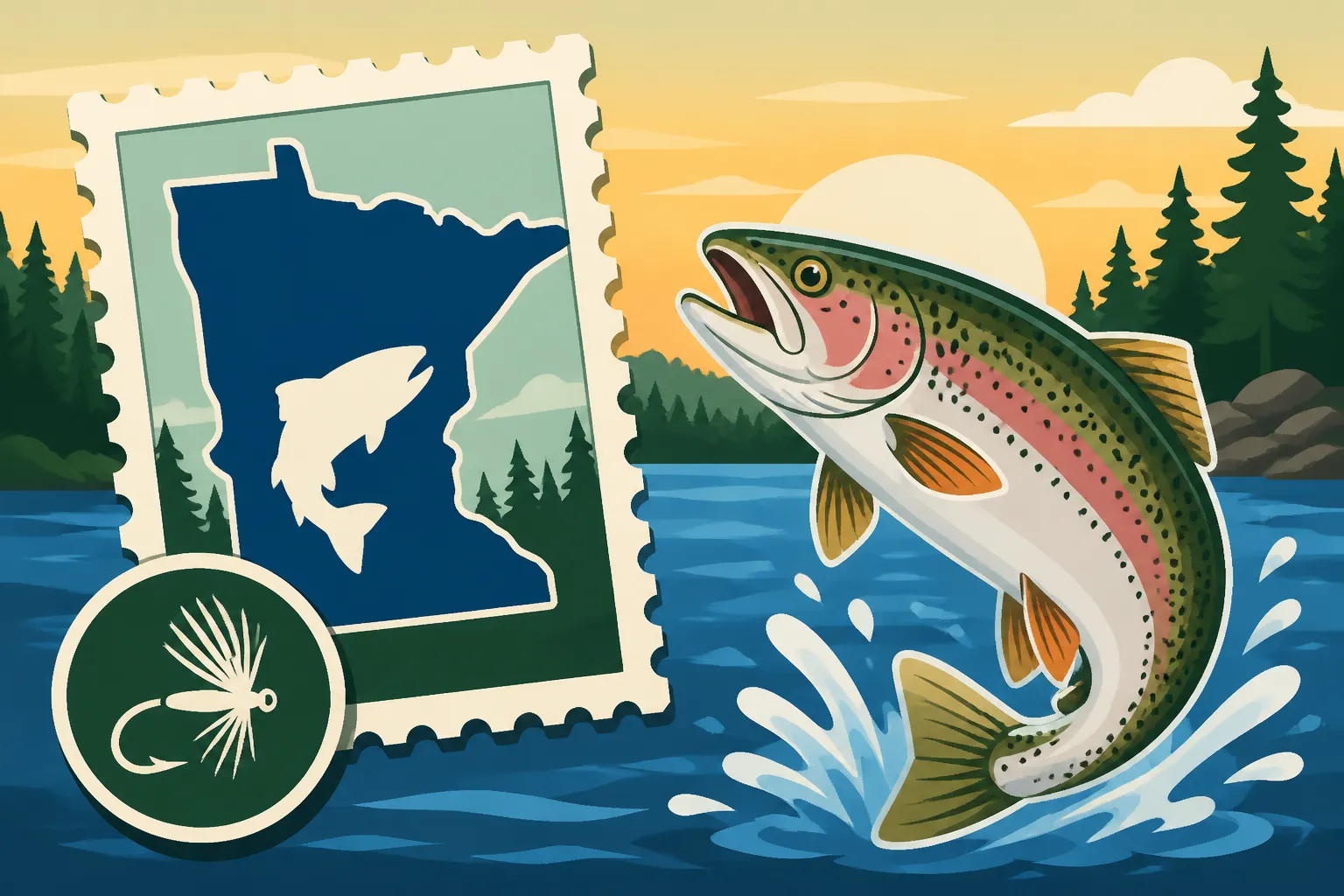
So, you've got your regular Minnesota fishing license, right? That's your base entry fee to the wonderful world of angling in our state. But if you're planning to target trout or salmon in designated trout waters, there's an additional requirement: the Minnesota Trout Stamp. It's not just another fee; it's a vital part of keeping these unique fisheries healthy and thriving for generations to come. Thinking about getting into trout fishing? Make sure you understand this crucial piece of the puzzle.
Do You Really Need a Trout Stamp?
This is a question I hear all the time, and it's a valid one! The simple answer is, yes, if you are 18 years of age or older and plan to fish for trout or salmon in waters designated as "trout waters," you need a Minnesota Trout Stamp. It's an endorsement on your regular fishing license, not a separate license entirely. This applies whether you're fly-fishing a small stream in the Driftless Area, casting for Lake Trout on the deep waters of Lake Superior, or even trying your luck for Rainbows in a stocked pond. If you're under 18, you're in luck – you don't need to purchase a trout stamp, even if you're fishing in designated trout waters, as long as you possess a valid fishing license (which is usually free or inexpensive for youth). Similarly, if you're fishing in general waters where trout might occasionally be caught by accident, but you're not specifically targeting them, you likely don't need the stamp. However, to avoid any issues, if there's any chance you'll be specifically targeting trout or fishing in a known trout water, it's always best to err on the side of caution and get the stamp. It’s a small price to pay for peace of mind and contributing to a great cause.
The "Why" Behind the Stamp: Conservation in Action
Ever wonder where your fishing license money actually goes? In the case of the trout stamp, it's pretty direct. The funds generated from the sale of Minnesota Trout Stamps are specifically earmarked for trout and salmon management and habitat improvement projects across the state. This isn't just a general pot of money; it's dedicated to making your trout fishing experience better. Think about it: the DNR uses these funds for things like restoring stream banks, improving water quality, stocking trout in lakes and streams where natural reproduction is limited, and conducting important research to monitor fish populations and ensure sustainable fishing practices. For instance, sections of streams in southeastern Minnesota's Driftless Area, known for its incredible Stream Trout Season Dates & Streams opportunities, benefit directly from these efforts. When you buy a trout stamp, you're not just buying a piece of paper; you're investing in the future of Minnesota's coldwater fisheries, helping to ensure that these delicate ecosystems can continue to support vibrant trout populations. It's conservation in action, and every angler who purchases a stamp plays a direct role.
General Trout Regulations in Minnesota
Beyond the stamp, there are a whole host of regulations that govern when, where, and how you can fish for trout in Minnesota. These rules are designed to protect trout populations, especially during vulnerable times like spawning, and to ensure fair distribution of the resource among anglers. Ignoring them isn't just risky in terms of fines; it can also have a real impact on the health of our fisheries.
Statewide Trout Season Dates
Unlike some other fish species that have a single, universal opener, trout seasons in Minnesota can be a bit more segmented, depending on whether you're fishing a stream or a lake, and even which lake or stream. Generally, stream trout season in designated streams in the southeast, northeast, and central regions typically opens in mid-April and runs through mid-October, with some variations. For specific Minnesota Trout Season Dates & Streams you'll always want to consult the most current Minnesota DNR fishing regulations booklet. Lake Trout seasons, particularly for inland lakes, often open around the same time as walleye and northern pike in May, extending through the fall and even into the winter for ice fishing. Lake Superior, being its own unique fishery, has slightly different seasons for various salmon and trout species, often with year-round opportunities for certain species and specific zones. It's crucial to check the specific regulations for the body of water you intend to fish, as these dates can shift slightly year to year based on environmental conditions and management goals. Don't just assume; always confirm!
Daily & Possession Limits for Trout
Understanding daily and possession limits is absolutely critical. A "daily limit" refers to the maximum number of fish of a certain species you can keep in a 24-hour period, typically from midnight to midnight. "Possession limit" refers to the maximum number of fish you can have in your possession at any time, whether it's in your livewell, cooler, freezer at home, or in your vehicle. For most general trout waters in Minnesota, the statewide daily and possession limit for stream trout (Brook, Brown, Rainbow) combined is 5, with no more than 1 fish over 16 inches. For Lake Trout, the general limit is 2. However, and this is where it gets tricky, many specific lakes and streams have special regulations that supersede these general rules. For example, some trophy waters might have a 1-fish limit, or a slot limit that requires you to release fish within a certain size range. Over the years, the DNR has implemented these nuanced limits to manage specific populations more effectively, protect larger breeding fish, or promote quality fishing experiences. Always, always verify the specific lake or stream's regulations before you start fishing. Getting caught with an over-limit or a fish outside a slot limit can lead to hefty fines and loss of fishing privileges. To learn more about statewide rules, check out the comprehensive guide on Minnesota Fishing Limits: Bag & Possession (2026).
Specific Regulations for Stream Trout
Stream trout fishing in Minnesota, particularly in the southeastern "Driftless Area" and the North Shore streams flowing into Lake Superior, is a truly special experience. But with that special status comes a set of highly specific regulations designed to protect these delicate ecosystems and ensure sustainable fishing. It's not a "one size fits all" situation out there.
Designated Trout Streams and Their Special Rules
Minnesota is blessed with hundreds of miles of designated trout streams, primarily concentrated in the beautiful bluffs and valleys of the southeast, and the rugged terrain of the northeast. These streams are carefully managed by the DNR to support populations of Brook, Brown, and Rainbow Trout. What makes them "designated" isn't just the presence of trout; it's the specific management strategies, stocking programs, and, yes, specialized regulations applied to them. Many of these streams have unique rules regarding bag limits, size restrictions, and even gear. For example, some sections might be catch-and-release only, while others might have a reduced daily limit or a protected slot limit (e.g., all fish between 12-16 inches must be released). It's not uncommon to find signs posted at access points detailing these specific rules, and they are always listed in the annual DNR fishing regulations booklet. Before you head out to a favorite spot like the Root River or a tributary of the Whitewater River, take a moment to confirm the precise regulations for that specific stretch of water. It's the only way to ensure you're compliant and contributing to the health of that fishery.
Gear Restrictions and Artificial Lures
Another common area of special regulation on designated trout streams involves gear restrictions. To enhance the fishing experience and minimize harm to trout, especially in catch-and-release areas, many streams (or portions thereof) are restricted to "artificial lures only" or even "fly-fishing only." "Artificial lures only" generally means you can't use live bait, dead bait, or any scented soft plastics. This includes things like worms, minnows, or commercially prepared dough baits. Instead, you're limited to flies, spinners, spoons, and hard plastic baits. "Fly-fishing only" is even more restrictive, typically requiring the use of a fly rod, fly reel, fly line, and artificial flies only. The rationale behind these restrictions is multi-faceted: it often results in higher release rates of fish, as artificial lures tend to hook fish in the mouth, leading to less injury compared to a trout swallowing a live bait. It also promotes a certain type of angling, often considered more sporting, in these sensitive environments. Always read the signage at access points and consult the regulations for the specific stream you plan to fish. You don't want to get all the way out there only to find your bait isn't legal for that stretch! This attention to detail is part of what makes How to Catch Stream Trout: Nymphs & Dries such a rewarding challenge.
Specific Regulations for Lake Trout
Lake Trout fishing in Minnesota is a whole different ballgame compared to stream trout. These are true coldwater giants, often found in the deepest, clearest lakes of northern Minnesota and, of course, the vast expanse of Lake Superior. Their slow growth rates and longevity mean they are particularly sensitive to overfishing, necessitating specific management strategies.
Lake Trout Seasons and Designated Lakes
Minnesota boasts a number of beautiful inland lakes that support self-sustaining or stocked Lake Trout populations. These pristine waters are primarily found in the Arrowhead Region, stretching from the Boundary Waters Canoe Area Wilderness (BWCA) up to the Canadian border, and include iconic lakes like Lake Vermilion, Saganaga Lake, and many others within the BWCA itself. The general season for Lake Trout on inland lakes typically opens in mid-May, coinciding with the walleye opener, and extends through late September. However, many of these lakes, especially those designated as "trophy" Lake Trout waters or within the BWCA, will have their own distinct season dates and regulations. Lake Superior has a more complex year-round season, with specific closure periods for certain species and areas to protect spawning fish. It's crucial to check the regulations for each individual lake you plan to fish for Lake Trout. A generic statewide rule simply won't cut it, and you'll often find these details buried in the special regulations section of the DNR booklet. For a deeper dive, consider reviewing Lake Trout Season & Limit in Minnesota to understand the nuances.
Special Regulations on Trophy Lake Trout Waters
The Minnesota DNR actively manages some lakes to create "trophy" Lake Trout opportunities. These waters often have more restrictive regulations designed to allow fish to grow to exceptional sizes, providing a unique challenge for anglers. Common special regulations on these trophy waters might include:
- Reduced Daily Limits: Instead of the general 2-fish limit, you might find a 1-fish limit.
- Protected Slot Limits: This is common, where fish within a certain size range (e.g., 20-30 inches) must be immediately released. This protects prime breeding-age fish and allows younger fish to grow into the slot, while still allowing anglers to keep a smaller fish or a true giant outside the slot.
- Increased Minimum Size Limits: Instead of a general size minimum, a trophy lake might have a higher minimum size, ensuring only larger, mature fish are kept.
An excellent example of a trophy Lake Trout fishery is Lake Superior, especially certain deep-water areas where anglers target massive fish. Similarly, many lakes within the BWCA and Voyageurs National Park have specific regulations aimed at preserving their pristine Lake Trout populations. These rules are in place because Lake Trout grow slowly and can live for many years, making their populations vulnerable to overharvest. By implementing these special regulations, the DNR aims to provide both sustainable fishing and the chance for anglers to hook into a truly memorable fish.
Here's a quick overview of typical trout limits, but remember to always check the specific lake/stream regulations:
| Species | General Daily Limit | General Possession Limit | General Length Restriction (if applicable) |
|---|---|---|---|
| Stream Trout | 5 (combined) | 5 (combined) | No more than 1 over 16 inches |
| Lake Trout | 2 | 2 | Varies greatly; often 1 fish over 20" or slot limits |
Note: This table provides general guidelines. Special regulations on specific waters always supersede these general rules. Always consult the current Minnesota DNR fishing regulations for the body of water you intend to fish.
Special Trout Programs and Exceptions
Minnesota's trout management isn't just about general rules; it also includes specialized programs and exceptions designed to meet specific conservation goals or provide unique angling opportunities. These can range from waters where no fish can be kept to programs aimed at getting new anglers involved.
Catch-and-Release Only Waters
Throughout Minnesota, you'll find designated "catch-and-release only" trout waters. These are often highly productive streams or lakes where the DNR wants to maximize the angling experience without impacting the fish population through harvest. The idea is simple: you catch the fish, enjoy the fight, and then carefully release it back into the water unharmed. This allows fish to grow larger and provides more opportunities for other anglers to catch them. These waters are often also subject to "artificial lures only" or "fly-fishing only" restrictions to further minimize harm to the fish. Examples can be found in various regions, including some popular spots in the southeast Driftless Area, where a focus on catch-and-release helps maintain a high-quality fishery. The success of these programs relies heavily on anglers practicing proper Catch and Release Best Practices in Minnesota. This means handling fish minimally, keeping them in the water as much as possible, using barbless hooks, and reviving them fully before letting them go. It's a testament to our commitment to ethical angling and ensuring these special places remain vibrant.
Youth and Disability Fishing Exceptions
Minnesota is great about encouraging fishing for everyone, including our youngest anglers and those with disabilities. When it comes to trout fishing, there are a few notable exceptions to the general rules that make it more accessible. As mentioned earlier, anglers under 18 years of age do not need to purchase a Minnesota Trout Stamp, even when fishing in designated trout waters, provided they have their free or youth fishing license. This is a fantastic way to introduce kids to the joys of trout fishing without the added cost. Additionally, Minnesota offers various programs and exemptions for individuals with certain disabilities, which can sometimes include reduced license fees or other accommodations. It's always best to check the current DNR regulations or contact the DNR directly for the most up-to-date information on these specific exceptions. The goal is to remove barriers and allow as many people as possible to experience the beauty and thrill of Minnesota's trout fisheries. If you have a young angler in your life, you might find more helpful information on Minnesota Fishing License for Kids & Youth.
Aquatic Invasive Species (AIS) and Trout Fishing
Trout habitats are particularly sensitive, and the introduction of Aquatic Invasive Species (AIS) can be devastating. From zebra mussels to Eurasian watermilfoil, these invaders can outcompete native species, disrupt ecosystems, and make fishing more difficult. As trout anglers, we have a critical role to play in preventing their spread.
Preventing the Spread of AIS on Trout Waters
Because many trout streams are interconnected or lead into larger lake systems, preventing the spread of AIS is paramount. The general "Clean, Drain, Dry" message applies to all waters, but it's especially critical when moving between different trout streams or from a lake to a stream. "Clean" means removing all aquatic plants, mud, and debris from your boat, trailer, waders, and fishing gear before leaving the access. "Drain" means draining all water from your boat, livewell, and bait buckets. For waders and boots, this means vigorously shaking them out. "Dry" means allowing all equipment to thoroughly dry for at least 5 days before using it in another body of water. If you can't dry for that long, consider power washing with high-pressure, hot water. Many trout streams have smaller access points without dedicated washing stations, so the responsibility falls squarely on the angler. Imagine unknowingly introducing a harmful invasive species into a pristine stream; it could irreversibly alter the delicate balance that allows trout to thrive. For more information, please check out the guide on How to Decontaminate Your Boat (AIS).
Proper Decontamination Practices for Gear
It's not just about boats and trailers when you're trout fishing; your waders, boots, nets, and even your fly box can harbor AIS. Here’s a detailed approach for trout anglers:
- Waders and Boots: After each outing, thoroughly rinse your waders and boots, removing all visible mud and plant material. Pay special attention to felt soles (if you still use them) as they are notorious for trapping invasives. For felt, a stiff brush and a bleach solution (1/2 cup bleach per gallon of water) or a strong virucidal disinfectant can be used, followed by thorough rinsing. Air dry them completely in sunlight if possible, and ensure they are dry for at least 5 days. Many anglers are switching to rubber-soled wading boots to mitigate this risk.
- Nets: Rinse your net thoroughly and allow it to dry completely. A rubber or silicone net is easier to clean and dries faster than traditional nylon mesh.
- Rods, Reels, and Lines: Rinse off any mud or debris. For fly lines, pull out a good length and clean it with a damp cloth. Allow reels and lines to air dry.
- Flies and Lures: Inspect all your flies and lures for any plant material or hitchhiking organisms. If you've been in waters with known invasives, a quick dip in hot water (140°F/60°C for 10 seconds) can help.
- Coolers and Bait Buckets: Thoroughly clean and dry all bait containers and coolers. Never transport live bait from one water body to another if it contains water from the original source.
By adopting these rigorous decontamination practices, you become a frontline defender of Minnesota's trout fisheries. It takes a little extra time, but it's a small effort to protect the waters we cherish. Remember the Minnesota AIS Drain Plug Law Explained even applies to small watercraft and gear, emphasizing the widespread impact of these rules.
Navigating the Regulations: Tools and Resources
With so many specific rules and variations, staying compliant can feel like a full-time job. Thankfully, the Minnesota DNR provides excellent resources to help anglers navigate the complexities. Don't rely on old hand-me-down advice; go straight to the source.
Official DNR Resources and Apps
Your absolute best friend for staying current with Minnesota fishing regulations is the official Minnesota Department of Natural Resources (DNR) website and their annual fishing regulations booklet.
- DNR Website: The DNR website is constantly updated with the latest regulations, including special regulations for specific lakes and streams. You can often find interactive maps showing designated trout waters and their specific rules. This is particularly useful for checking last-minute changes or experimental regulations.
- Annual Fishing Regulations Booklet: This physical (or downloadable PDF) booklet is the authoritative source for all regulations. It's available wherever fishing licenses are sold, and a digital version can be found on the DNR website. It details statewide rules, specific water body regulations, and even illustrations to help identify various fish species. Always keep a copy (digital or physical) with you when fishing.
- Mobile Apps: While not an official DNR app, applications like Fishbrain or Navionics often integrate DNR data, providing digital maps with regulation overlays. While these can be incredibly convenient, always cross-reference with the official DNR regulations, as third-party apps may not always be instantly updated with the absolute latest changes. Still, they can be great tools for general navigation and pre-trip planning.
Making it a habit to review these resources before each trout fishing trip will save you headaches and ensure you're fishing legally and responsibly.
Understanding Border Water Rules
Minnesota shares extensive borders with neighboring states and Canada, and these "border waters" often have their own unique set of fishing regulations agreed upon by all jurisdictions. This is especially relevant for trout fishing if you're venturing into waters like Lake Superior (shared with Wisconsin and Michigan) or the Rainy River/Lake of the Woods region (shared with Ontario, Canada).
- Lake Superior: For Lake Superior, there are specific regulations that vary depending on whether you are in Minnesota, Wisconsin, or Michigan waters. These often involve differences in seasons, limits for various trout and salmon species, and even gear restrictions. Always consult the specific border water regulations detailed in the Minnesota DNR booklet, or the equivalent for the state you are in.
- Boundary Waters (BWCA) and Quetico Provincial Park (Canada): If you're planning a trip to the BWCA that involves crossing into Canada's Quetico Provincial Park, the regulations become even more complex. You will need a Canadian fishing license and will be subject to Ontario's fishing regulations while in Canadian waters. It's imperative to understand these rules before you go, as they can differ significantly from Minnesota's.
For anyone fishing these shared waters, a detailed read of the Border Water Fishing Rules (Minnesota-Ontario, Wisconsin) is essential. It's not enough to know just Minnesota's rules; you must understand the rules of all jurisdictions you plan to fish in. Ignoring border water regulations can lead to serious legal consequences, including fines and confiscation of equipment, so always do your homework.
Fishing for trout in Minnesota is a truly rewarding experience, offering everything from serene fly-fishing on a small stream to battling a monstrous Lake Trout in the depths of Superior. But like any truly special pursuit, it comes with responsibilities. Understanding and respecting the Minnesota Trout Stamp requirements and the detailed fishing regulations isn't just about avoiding fines; it's about being a good steward of our natural resources. Every stamp purchased and every regulation followed contributes to the health, sustainability, and quality of our trout fisheries. So arm yourself with knowledge, practice good conservation, and get out there to enjoy the amazing trout fishing opportunities our great state has to offer. Happy fishing!
Disclaimer
Please note that fishing regulations are subject to change. While this guide provides a comprehensive overview of Minnesota's trout stamp and trout regulations based on current publicly available information, it is your responsibility as an angler to consult the most recent official Minnesota Department of Natural Resources (DNR) fishing regulations booklet or website before heading out on the water. This article is for informational purposes only and should not be considered a substitute for the official regulations.