Are Catfish Good to Eat?
Minnesota catfish flavors, handling tips, and cooking methods for channel and flathead species explained, detailing taste, textures, sizes, and recipes.
Know what’s on the line.
Gamefish and panfish profiles — identification, behavior, feeding habits, and species-specific strategies for every catch.
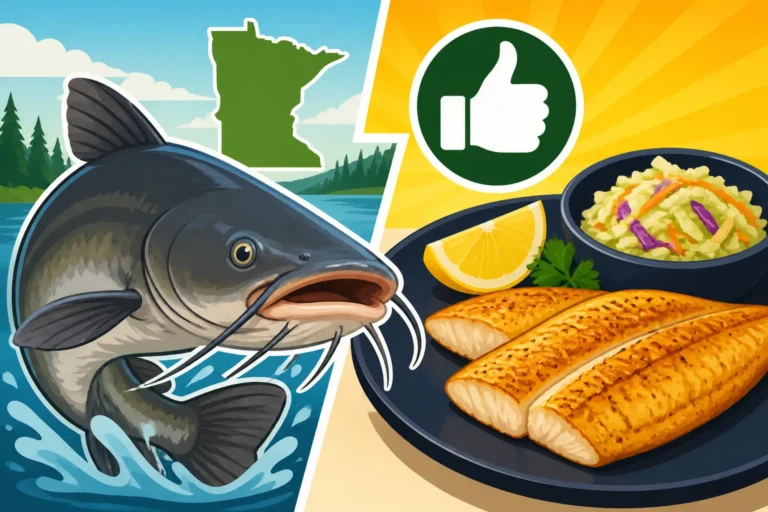
Minnesota catfish flavors, handling tips, and cooking methods for channel and flathead species explained, detailing taste, textures, sizes, and recipes.
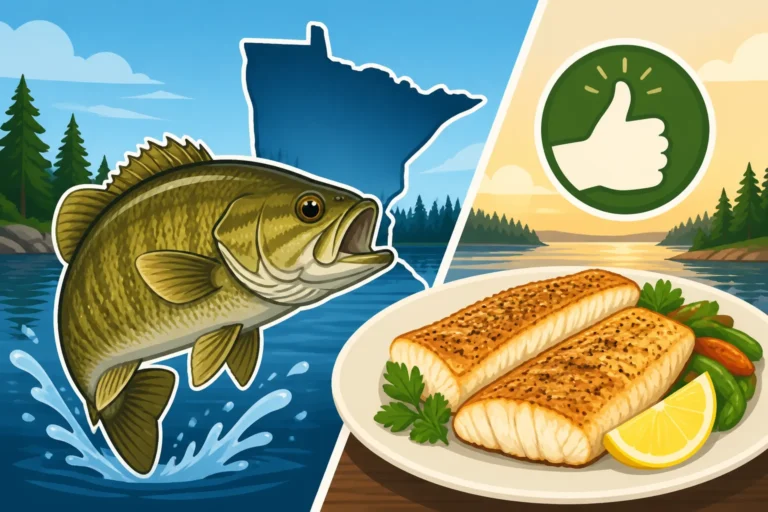
Smallmouth bass offer a firm, mild, and sweet flavor when properly handled, making them a delicious alternative to walleye in Minnesota.
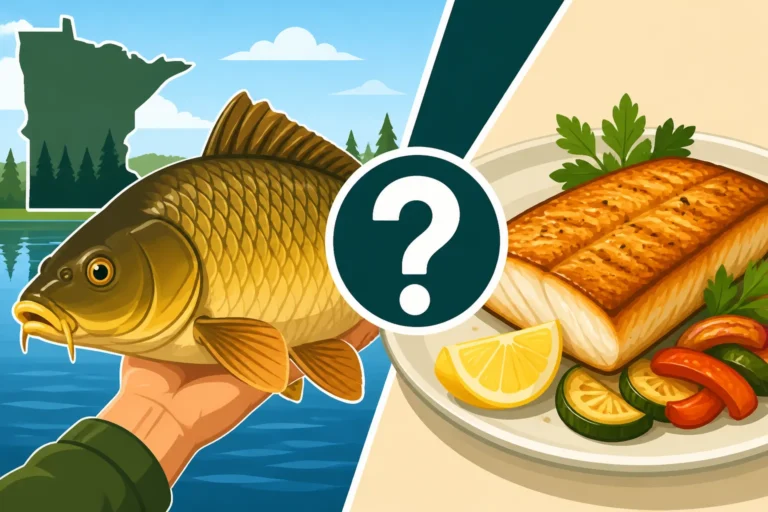
Common carp in Minnesota waters offer a sustainable protein source when anglers properly handle, clean, and cook their catch.

Minnesota whitefish offer a mild flavor and firm texture, providing anglers with delicious and healthy table fare from cold waters.
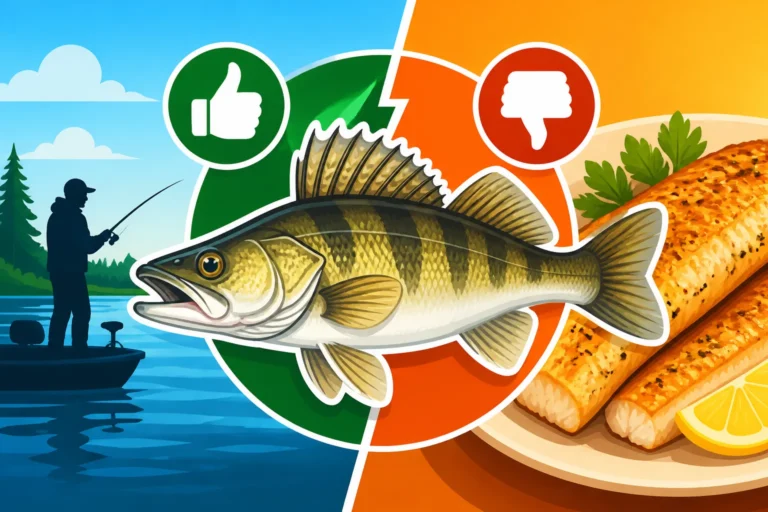
Sauger culinary quality and preparation methods offer anglers delicious, mild, and flaky white meat comparable to walleye.
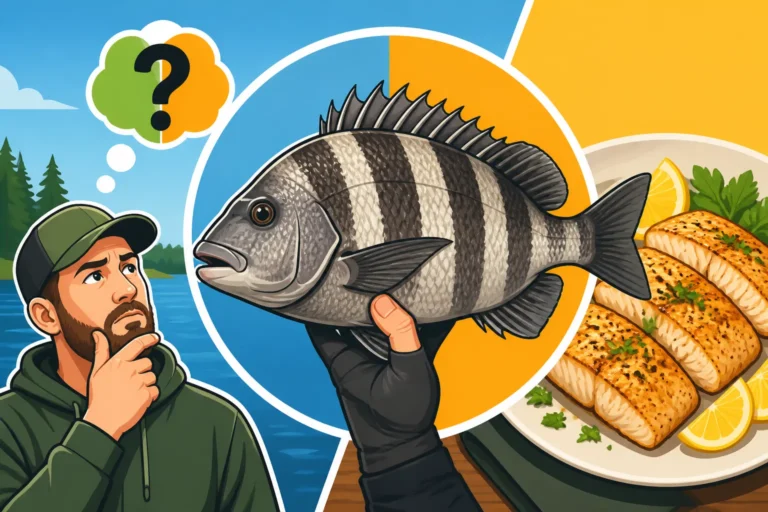
Freshwater drum, commonly called sheepshead, offer firm, mild white flesh and a sweet flavor when properly bled and iced after catching.
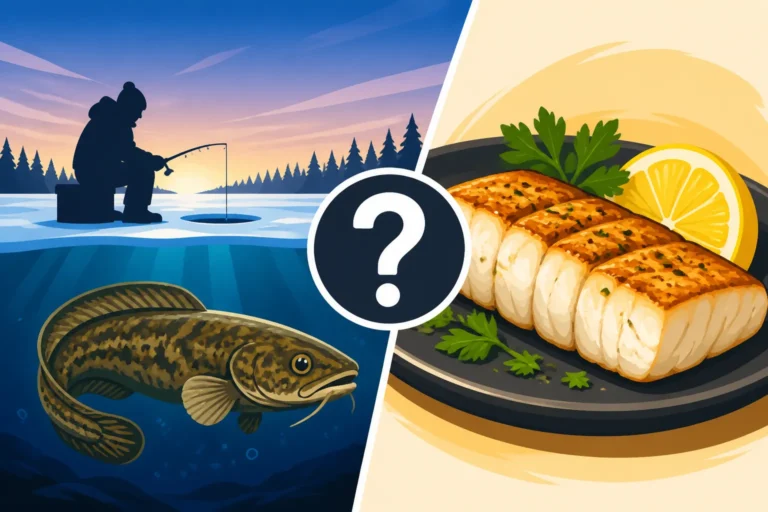
Burbot provide firm white meat with a mild flavor, offering Minnesota anglers a delicious table fare known as poor man’s lobster.
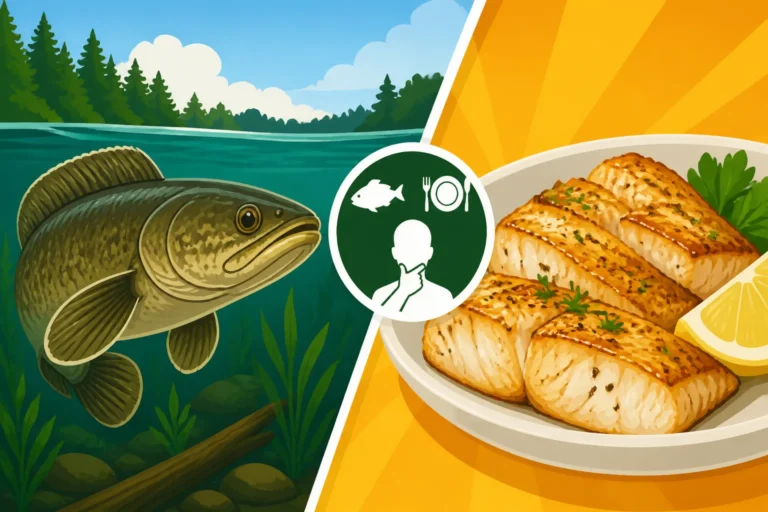
Minnesota bowfin preparation requires immediate bleeding and icing to ensure firm, mild fillets suitable for boiling, frying, or smoking.

Muskie consumption involves mercury advisories, catch-and-release traditions, complex bone removal challenges, and strict Minnesota fishing regulations.
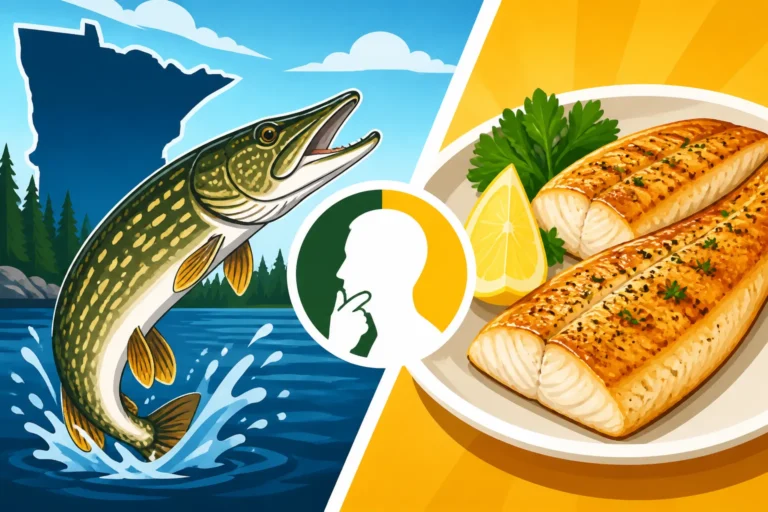
Northern Pike offer firm white meat with a mild flavor when you use proper filleting techniques to remove the pesky Y-bones.