How to Catch Bowfin in Minnesota
Many anglers in Minnesota often overlook the bowfin, affectionately (or sometimes not-so-affectionately) known as the "dogfish." Perhaps it's their prehistoric looks, or the mistaken belief that they're a nuisance, but whatever the reason, most folks don't realize what a phenomenal fight these fish put up. If you're tired of the usual suspects and want to experience a truly tenacious freshwater battle, this guide will walk you through everything you need to know about finding, catching, and appreciating bowfin in the Land of 10,000 Lakes.
Unmasking Minnesota's Bowfin: The "Dogfish" Demystified
Before you can effectively target bowfin, it's crucial to understand what makes them tick. These ancient fish are often misunderstood, but once you get to know them, you'll find a deep respect for their tenacity and resilience. They're a true survivor, thriving in environments where other fish might struggle.
Bowfin ID and Unique Traits
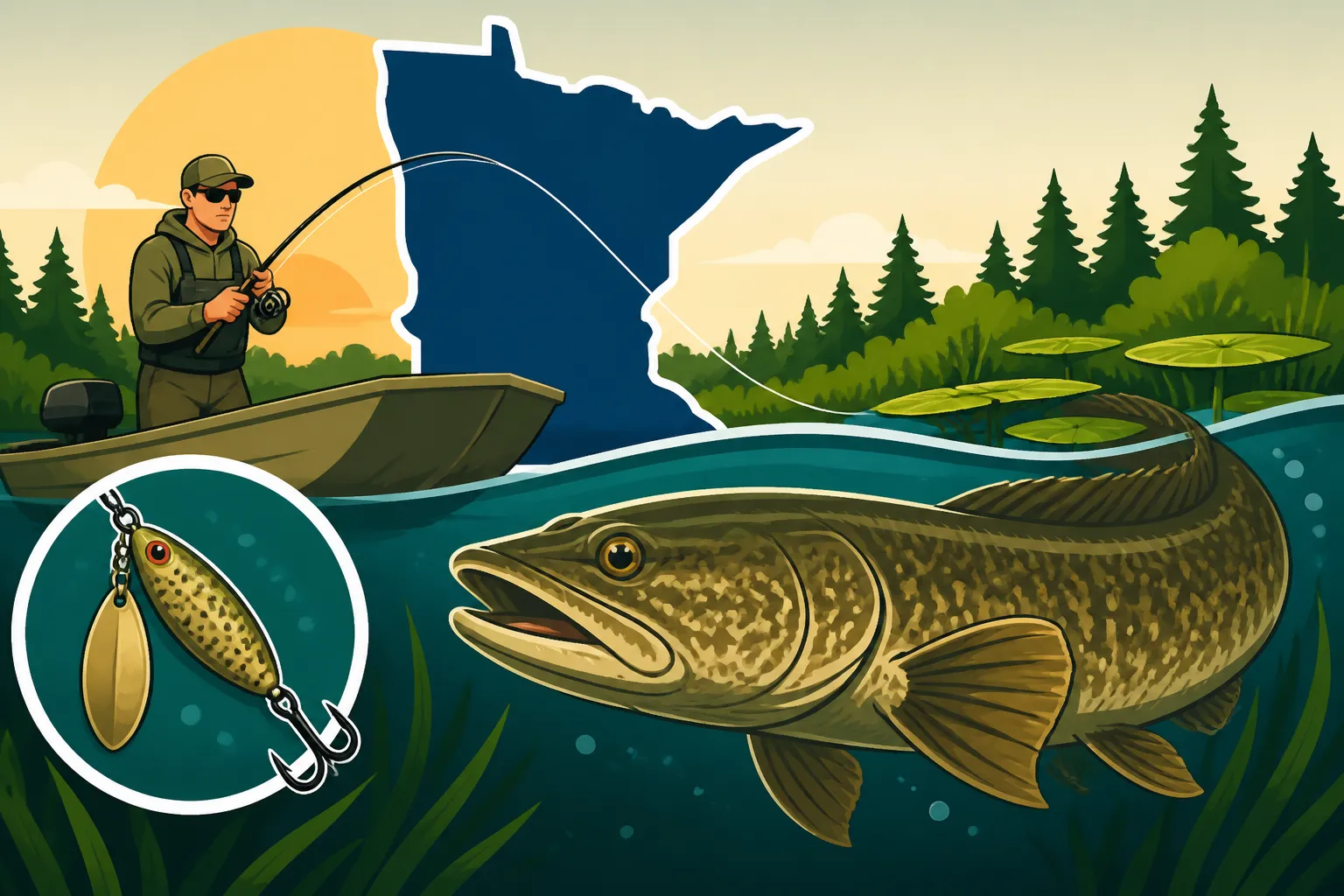
The bowfin (Amia calva) is a living fossil, with a lineage stretching back millions of years, and it looks every bit the part of a prehistoric survivor. They have a long, cylindrical body, mottled olive-brown coloration, and a distinctive long dorsal fin that runs almost the entire length of their back, which they undulate hypnotically as they swim. Perhaps their most striking feature is their hard, bony head and the prominent gular plate – a single, large bony plate on the underside of their lower jaw – which is unique among North American freshwater fish. You'll also notice a dark, often black, spot with a yellowish-orange halo at the base of their tail, particularly noticeable on males, which gives them a bit of a reptilian or perhaps even feline look.
Their mouths are filled with sharp, conical teeth, perfectly adapted for grasping and holding onto prey. When you encounter a bowfin up close, you'll immediately understand why a robust leader is non-negotiable. They also possess a highly vascularized swim bladder that functions much like a lung, allowing them to gulp air from the surface. This remarkable adaptation enables them to survive in oxygen-depleted waters that would be lethal to most other fish, giving them a significant advantage in certain Minnesota habitats.
Beyond their looks, their power is unmistakable. They're built like muscle-bound torpedoes, and they use every ounce of that power during a fight. Forget what you might have heard about them being "sluggish" or "easy to catch"; a big bowfin will test your gear and your angling skills, making powerful runs and violent head shakes. Their aggressive nature and impressive strength are why they’re quickly gaining a reputation as a legitimate sportfish among those who dare to give them a try.
Preferred Haunts Across Minnesota
Bowfin aren't found in every lake and river in Minnesota, but they're surprisingly widespread in certain types of environments. Their unique ability to breathe air means they can thrive in places other fish can't, making them a fascinating target if you know where to look. They absolutely love shallow, warm, heavily vegetated waters. Think of stagnant backwater sloughs, marshy lakes, and slow-moving river systems with extensive lily pad fields, cattails, and submerged weed beds.
In Minnesota, you'll find them predominantly in the central and southern portions of the state, particularly in the backwaters and sloughs of the Mississippi River, its tributaries, and many of the warmer, shallower lakes. Lakes and river sections with soft, mucky bottoms are also prime real estate for these fish, as these areas often support the dense vegetation they prefer. For instance, sections of the Minnesota River and its associated oxbow lakes, or the extensive weed beds in some of the shallower lakes in counties like Stearns, Wright, or even some parts of the Brainerd Lakes Area (though less common in clear, deep lakes), can hold healthy populations.
These fish are ambush predators, so they use the dense cover to their advantage, lying in wait for an unsuspecting minnow, frog, or even a small panfish to swim by. They're incredibly hardy and can tolerate a wide range of water conditions, including low oxygen levels and high water temperatures that send other species packing for deeper, cooler haunts. If you're exploring a new body of water, look for those overgrown, often ignored pockets of water, particularly during the warmer months, and you'll likely be on the right track for finding bowfin.
The Bowfin's Role in the Ecosystem
For far too long, bowfin have been unfairly labeled as "trash fish" or "nuisance species" by some anglers, a reputation that couldn't be further from the truth. The reality is, bowfin are a completely native and vital part of Minnesota's aquatic ecosystems, playing a crucial role as apex predators in their preferred habitats. They aren't an invasive species that disrupts the natural balance; they've been here for millennia, coexisting with and predating upon other native fish populations.
Their diet consists primarily of smaller fish, frogs, crayfish, and insects. By preying on these organisms, they help maintain the health and balance of the food web, much like a pike or a bass. In fact, in some environments, bowfin can help control populations of prolific species, contributing to a healthier overall fish community. Dismissing them as "rough fish" or believing they harm game fish populations is largely based on outdated information and a lack of understanding of their ecological significance.
Encouraging anglers to target bowfin for sport, and to understand their place in the ecosystem, is important for promoting a more holistic appreciation of Minnesota's diverse fisheries. They are a testament to evolutionary success, thriving in niche environments and contributing to the rich biodiversity of our waters. Next time you hook one, remember you're battling a piece of living history, a powerful and important predator that deserves respect, just like any other native species in our lakes and rivers. This understanding also ties into general Minnesota Fishing Regulations Changes for 2026 which often focus on ecosystem health.
Gearing Up for a Bowfin Battle
When it comes to bowfin, don't bring a knife to a gunfight. These fish are incredibly strong, possess sharp teeth, and often live in unforgiving environments. You need gear that can withstand their power and the heavy cover they inhabit. Skimping on tackle will only lead to frustration and lost fish.
Rods, Reels, and Line Strength
To effectively battle a bowfin, you'll want a heavy-action rod. A rod in the 7-foot to 7-foot 6-inch range is ideal, whether you prefer a baitcasting or a spinning setup. This kind of backbone gives you the leverage needed to set hooks firmly and, more importantly, to turn a fish that's trying to bury itself in thick weeds or wrap around submerged timber. Look for rods rated for at least 1/2 to 1 1/2 ounces in lure weight, giving you the versatility to cast larger baits and jigs that bowfin readily strike. Brands like St. Croix or Fenwick offer durable rods that can handle the abuse.
Pair your heavy-action rod with a robust reel. If you're using a baitcaster, opt for a model with a strong drag system and a decent line capacity, perhaps a 200 or 300 size. For spinning setups, a 3000 to 4000 series reel with a smooth, powerful drag is essential. Remember, these fish make powerful, short runs, and a sticky drag can quickly lead to snapped lines or broken components. The reel should be able to hold a good amount of heavy line.
Speaking of line, braided line is absolutely non-negotiable for bowfin fishing. Its zero-stretch properties ensure solid hooksets even at a distance, and its incredible abrasion resistance is crucial when fishing around heavy cover and dealing with their sharp teeth. A good starting point is 30 to 50-pound test braided line, but don't hesitate to go up to 65-pound test, especially if you're targeting truly large fish or fishing in exceptionally thick vegetation. Brands like PowerPro or Sufix 832 are excellent choices. Monofilament and fluorocarbon mainlines simply won't cut it for the main line; the lack of stretch and durability of braid is key to success.
Baits and Lures That Excite Bowfin
Bowfin are opportunistic and aggressive feeders, which means they'll strike a variety of presentations. However, some baits and lures consistently outperform others, catering to their predatory instincts and their preferred habitats. For natural bait enthusiasts, live bait is often king. Large minnows, such as shiners or chubs, suspended under a bobber or fished on the bottom, are incredibly effective. A plump nightcrawler or even cut bait, particularly from oily fish like shad, can also be irresistible, as the scent trail draws them in from a distance. Frogs, whether live or artificial, are another top-tier choice, as bowfin frequently patrol shallow, lily-pad-laden areas where frogs are abundant.
When it comes to artificial lures, focus on presentations that create a lot of vibration, flash, or commotion. Spinnerbaits, particularly those with large Colorado or willow blades, are deadly when retrieved through sparse weeds or along weed lines. Their flash and thumping vibration mimic struggling baitfish or even a curious critter. Chatterbaits or bladed jigs, like those from Z-Man, are another fantastic option, offering an erratic, swimming action combined with a strong vibration that bowfin just can't resist. These are especially effective when worked just above submerged vegetation.
Topwater lures, like prop baits, frogs, or walking baits, can also provide explosive strikes, especially during low-light conditions or over dense, submerged mats of vegetation where bowfin will explode from below. Don't be afraid to experiment with brighter colors like chartreuse, white, or firetiger, especially in stained or murky water, as these colors provide excellent visibility. Just like with pike or muskie, the bigger the profile, the better, often triggering a more aggressive response from these powerful predators. If you're looking for more general options, our guide on the Best Lures & Baits for Minnesota by Species might offer some crossover ideas.
Essential Terminal Tackle and Tools
Given the bowfin's toothy grin and powerful jaw, your terminal tackle needs to be as robust as your main line. Weak hooks, flimsy swivels, or inadequate leaders are a recipe for disappointment. Starting with leaders, you'll need something to prevent bite-offs. While bowfin aren't as notorious as northern pike for slicing through line, their teeth are sharp and their bony mouths can easily abrade standard fluorocarbon or monofilament. A 30 to 50-pound test fluorocarbon leader, 12-18 inches long, is a good compromise, offering a balance of stealth and abrasion resistance. Some anglers even opt for a light wire leader in particularly challenging conditions, similar to what you might use for Northern Pike Fishing Tips for Minnesota Anglers.
For hooks, ditch the flimsy stuff. Whether you're using live bait or rigging soft plastics, opt for strong, heavy-gauge hooks. Offset worm hooks or wide gap hooks in sizes 3/0 to 5/0 are excellent for live bait and for Texas-rigging soft plastic frogs or creature baits, making them more weedless. Ensure your treble hooks on spinnerbaits and crankbaits are high-quality and sharp, capable of penetrating their bony mouth. Swivels and snaps should also be heavy-duty to prevent failure under the strain of a powerful fight.
Beyond the actual tackle, carrying the right tools for handling bowfin is crucial, both for your safety and the fish's well-being. A sturdy pair of long-nose pliers or a dedicated hook remover is essential for extracting hooks from their formidable jaws, keeping your fingers safe. Lip grippers (like a BogaGrip or similar tool) are highly recommended. These allow you to safely control the fish while keeping it in the water or for a quick photo, minimizing direct contact with its teeth and powerful body. Finally, a large, rubberized landing net is invaluable for securing the fish, especially when dealing with a feisty bowfin at boatside or on shore. The rubberized mesh protects their slime coat and minimizes tangles, making for a smoother release.
Mastering Bowfin Fishing Techniques
Catching bowfin isn't just about having the right gear; it's about understanding their behavior and presenting your bait in a way that triggers their aggressive instincts. These fish are masters of ambush, and your techniques should reflect that.
Targeting Weedy Environments
Bowfin are creatures of cover. They love dense vegetation because it provides both sanctuary and the perfect ambush points for their prey. This means your fishing strategy needs to revolve around working these weedy environments effectively. When casting artificial lures, focus on weed edges, pockets within lily pad fields, and lanes through submerged grass beds. These are the highways and intersections where bowfin cruise and lay in wait.
An effective technique is to cast your spinnerbait or chatterbait tight to the cover, then retrieve it with varying speeds. Sometimes a fast, erratic retrieve will trigger a reaction strike; other times, a slower, more deliberate retrieve with pauses might be necessary to entice a less aggressive fish. Don't be afraid to bump your lure off submerged vegetation – this often simulates a struggling baitfish and can provoke a strike. For topwater presentations, cast them directly onto lily pads or thick mats and walk them across, pausing at open pockets, waiting for that explosive, heart-stopping blow-up.
If you're fishing with live bait, positioning is key. Use a slip bobber rig to suspend a large minnow just above or right at the edge of a weed line, or in a clear pocket surrounded by dense growth. This allows your bait to swim naturally in a high-traffic zone without getting constantly snagged. Alternatively, a bottom rig with cut bait or a nightcrawler can be effective in deeper weed edges or channels within shallow areas, letting the scent spread and draw fish in. Remember, the goal is to present your offering where the bowfin feel secure and ready to pounce.
Presentation Strategies for Success
While targeting the right habitat is critical, how you present your bait or lure often seals the deal. Bowfin are aggressive, but they're not always mindless eaters; sometimes a subtle tweak in your presentation makes all the difference. For live bait, ensure your minnow or frog is lively and hooked in a way that allows it maximum natural movement. Hooking a minnow through the lips or dorsal fin will give it the most natural action and keep it alive longer, attracting more attention. When using a bobber, observe how the fish takes the bait; bowfin often "run" with it before fully committing, so resist the urge to set the hook too early. Let them take it and turn before setting firmly.
With artificials, varying your retrieve is paramount. A steady retrieve can work, but adding pauses, twitches, and sudden bursts of speed can mimic a wounded or panicked baitfish, which is often irresistible to an ambush predator like the bowfin. For spinnerbaits and chatterbaits, experiment with fast cranking, then letting the lure flutter on a semi-slack line before resuming. Topwater lures, particularly walking baits, benefit from a "walk-the-dog" retrieve, creating a side-to-side motion that calls fish from a distance.
Don't underestimate the power of scent, especially in murky waters where visibility is limited. Applying a scent spray or gel to your artificial lures or even live bait can significantly increase your strike rate. Products from brands like Pro-Cure or Berkley Gulp! can add that extra olfactory appeal. The goal is to make your presentation as enticing and believable as possible, whether through visual appeal, vibration, or scent, ensuring the bowfin doesn't pass up an easy meal.
Fighting and Safe Release
Hooking a bowfin is just the beginning of the adventure; landing it is another story entirely. These fish are renowned for their powerful, bulldog-like fight. When you feel that initial strike, set the hook hard and keep your rod tip high to maintain pressure. Bowfin are famous for their violent head shakes, especially as they get closer to the boat or shore. During these head shakes, they often try to throw the hook or use the leverage to break your line, so maintain constant tension and let your reel's drag do its job.
When a bowfin makes a run, don't try to stop it entirely. Let your drag smoothly give line, but be ready to reel furiously to gain line back as soon as the fish pauses. Their runs are often shorter but incredibly powerful, and they will try to dive into the nearest weed bed or wrap your line around any submerged structure. Your heavy-action rod will be crucial here, allowing you to steer the fish and prevent it from reaching heavy cover. It's a test of strength and endurance, both for you and your gear.
Once you get the fish boatside or to shore, use your lip grippers to safely control it. Avoid grabbing a bowfin directly by the gill plate or mouth, as their teeth are sharp, and their powerful jaws can deliver a nasty bite. With the fish secured by the lip grippers, use your long-nose pliers or hook remover to carefully extract the hook. If the hook is deeply embedded, you may need to cut the line and leave the hook in place to minimize harm to the fish. When releasing, gently place the fish back in the water, supporting its belly until it's ready to swim off on its own. Practicing Catch and Release Best Practices in Minnesota is vital for all species, including these hardy fighters, ensuring they can continue to thrill future anglers.
When and Where to Find Your Next Bowfin
Knowing when to fish for bowfin is almost as important as knowing how to fish for them. Their activity levels are strongly tied to water temperature and environmental conditions, making certain times of year and day particularly productive.
Seasonal and Daily Activity Peaks
Bowfin are primarily warm-water fish, which means their activity levels peak during the warmer months in Minnesota. Late spring, throughout the summer, and into early fall are generally the most productive times to target them. As water temperatures rise, bowfin become more active, feeding aggressively and spending more time in the shallower, vegetated areas they prefer. During the colder months, they tend to become more lethargic and retreat to deeper water, making them much harder to locate and entice.
Within the prime warm-water season, you'll find that bowfin can be active throughout the entire day. Unlike some species that have very specific feeding windows, bowfin are opportunistic and will strike whenever an easy meal presents itself. However, like many predators, they often exhibit heightened activity during low-light periods – early morning and late evening – when their ambush tactics are most effective. Overcast days, or even periods of light rain during the summer, can also trigger feeding frenzies, as the reduced light penetration makes them feel more secure in open areas.
Don't rule out bright, sunny afternoons entirely, especially if you're targeting heavily vegetated areas. Bowfin are well-adapted to these conditions, and their air-breathing capability allows them to remain active even when oxygen levels might dip in stagnant backwaters. It's truly a species that can surprise you, so while focusing on the generally accepted "best times" is smart, being on the water whenever you can is often the best strategy for encountering one of these unique fighters. You might find some parallels with other Seasonal Fishing Patterns in Minnesota.
Identifying Productive Waters
Finding productive bowfin waters in Minnesota requires a keen eye for habitat. They aren't going to be swimming in every clear, deep, rocky lake. Instead, you need to look for specific characteristics that cater to their unique biology and predatory style. Shallow bays, especially those with extensive lily pad fields, wild rice, or cattail stands, are absolute magnets for bowfin. These areas offer dense cover, abundant ambush points, and often harbor the smaller baitfish, frogs, and insects that make up their diet.
Look for areas with soft, mucky bottoms, which often go hand-in-hand with heavy vegetation. River backwaters, oxbow lakes, and slow-moving channels, particularly along the Mississippi and Minnesota River systems, are prime examples of productive bowfin habitat. These areas often warm up quickly, develop dense vegetation, and can experience lower oxygen levels during hot spells – all conditions where bowfin thrive. Think about those "hard-to-reach" spots that might not look appealing for walleye or bass; these are often the hidden gems for bowfin.
Using tools like mapping apps (such as Navionics or LakeMaster, available on your fish finder or phone) to identify shallow, vegetated areas can significantly narrow down your search. Look for contours that indicate gradual slopes into shallow flats, especially those marked with vegetation symbols. When you arrive at a potential spot, observe the water for signs of life – baitfish schooling, frogs jumping, or even subtle disturbances on the surface that could indicate a lurking predator. Once you find a productive area, chances are you'll find multiple bowfin, as they often inhabit the same optimal spots.
The Unique Thrill of Bowfin Angling
Anglers often categorize fish, and bowfin have, for a long time, been unfairly lumped into the "rough fish" category. However, a growing number of fishing enthusiasts are starting to recognize the incredible sporting value these ancient predators offer.
Beyond the "Rough Fish" Label
Let's be real: when you say "dogfish," many anglers picture something slimy, bottom-dwelling, and generally undesirable. This couldn't be further from the truth for the bowfin. While they might not be the prettiest fish in the lake to some, their fighting ability is truly world-class. When you hook into a sizable bowfin, you're not just reeling in a fish; you're locked in a powerful tug-of-war with a creature that has been refined by millions of years of evolution to survive and dominate.
The fight is raw, unyielding, and absolutely exhilarating. They don't give up easily, exhibiting powerful runs, violent head shakes, and often a surprising aerial display. Many experienced anglers compare their fight to that of a smallmouth bass on steroids, or a northern pike that refuses to be led. It's a genuine challenge that demands your full attention and respects your gear. This tenacity is what makes them such an incredible sportfish, offering a different kind of thrill than the more traditionally sought-after species.
Embracing bowfin angling means looking past superficial appearances and appreciating the intrinsic value of every species in our waters. It's about celebrating the diversity and challenge that Minnesota fishing offers, rather than limiting ourselves to a select few. The "rough fish" label is a disservice to these magnificent creatures and a missed opportunity for anglers seeking a unique and unforgettable battle. It’s a good reminder that Minnesota Fish Species: Identification Guide can help us appreciate the variety of fish we have.
Adding Bowfin to Your Minnesota Species List
If you've spent years chasing walleye, bass, and pike, and you're looking for a new challenge, adding bowfin to your target species list is a fantastic idea. It forces you to explore different types of water, experiment with new techniques, and ultimately, become a more versatile and well-rounded angler. The satisfaction of successfully locating, hooking, and landing one of these prehistoric powerhouses is a reward in itself, offering a sense of accomplishment that's often different from catching a limit of panfish.
Furthermore, targeting bowfin often leads you to explore overlooked and wilder parts of Minnesota's waterways. These are the places where nature feels a bit more untamed, and the experience goes beyond just the catch. You'll witness diverse wildlife, hone your understanding of aquatic ecosystems, and develop a deeper appreciation for the less-celebrated inhabitants of our lakes and rivers. It’s an adventure waiting to happen.
So, next time you're planning a fishing trip, consider dedicating some time to the elusive, yet incredibly spirited, bowfin. You might just discover a new favorite species and a whole new dimension to your Minnesota fishing adventures. They might not be the typical table fare (though some do enjoy them, check out Are Bowfin Good to Eat? for more), but for pure sport and a memorable fight, the bowfin stands alone.
Disclaimer
Fishing regulations can change frequently. Always consult the latest Minnesota Department of Natural Resources (MNDNR) fishing regulations handbook or their official website before heading out on the water. This guide is for informational purposes only and does not supersede state fishing laws.