Minnesota State Record Muskie
Few fishing endeavors in Minnesota stir the imagination quite like the pursuit of a state record muskie. For many anglers, the thought of wrestling with a true freshwater giant—a fish that could rewrite the history books—is the ultimate dream, a test of skill, patience, and sheer will. This guide isn't just about the numbers; it's about the legacy, the chase, and everything you need to know about Minnesota's most legendary muskie.
The Quest for Minnesota's State Record Muskie
The allure of the state record muskie is almost mythical. It represents the pinnacle of fishing achievement in Minnesota, a testament to both the angler's dedication and the incredible natural resources we're so fortunate to have. But what exactly does that record look like, and why has it stood for so long?
The Current All-Tackle State Record Holder
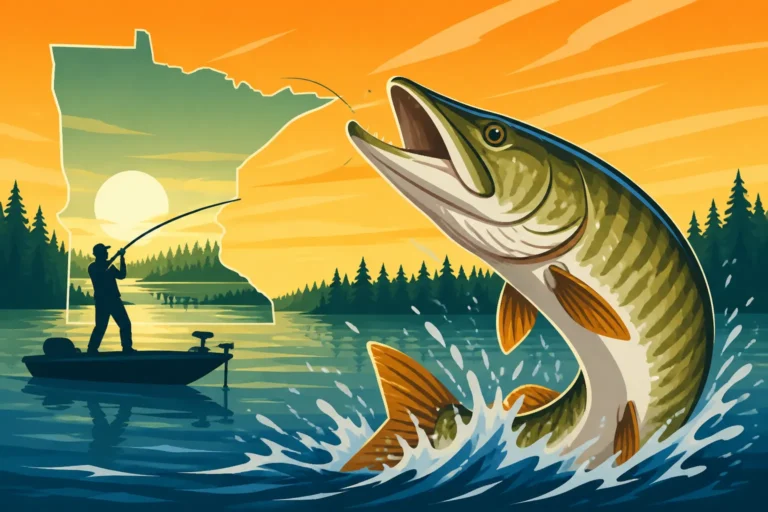
Let's talk about the big one. The undisputed king of Minnesota's muskie records for weight is a truly monumental fish. This colossal muskie weighed in at an astounding 61 pounds, 12 ounces, and stretched an impressive 57 inches long. It was caught way back on September 22, 1957, by a dedicated angler named Dale Sperling. And the lake that produced this behemoth? None other than the legendary Mille Lacs Lake. Imagine the excitement and the sheer struggle of bringing a fish of that magnitude into the boat with the gear of the era! It’s a record that has stood the test of time, a benchmark that every serious muskie angler secretly hopes to eclipse.
This particular catch represents an almost unbelievable feat. To put it into perspective, a 60-pound muskie is an absolute anomaly, even in today's best fisheries. The conditions on Mille Lacs Lake that day, and the fish's sheer age, must have been just right. For over six decades, Dale Sperling's muskie has been the ultimate challenge, a ghost that haunts the dreams of those who dedicate countless hours to chasing these elusive predators across Minnesota's waters. It really makes you wonder what secret spots and perfect presentations led to such a historic catch.
Why Muskie Records Are So Coveted
The muskie has earned its nickname, "the fish of 10,000 casts," for a reason. These aren't your everyday panfish. They are apex predators, notoriously difficult to trick, and when you do hook one, they fight with an unparalleled ferocity. It's this difficulty, combined with their imposing size and majestic appearance, that makes a record muskie such a coveted prize. Anglers spend years, even decades, honing their skills, investing in specialized gear, and logging countless hours on the water, all for the chance at one of these magnificent creatures.
Catching a truly giant muskie is more than just luck; it's often the culmination of meticulous planning, understanding muskie behavior, and an unwavering commitment to the chase. The prestige associated with holding a state record muskie is immense, placing an angler in an elite fraternity. It's about earning your stripes, pushing your limits, and ultimately, making a tangible mark in the storied history of Minnesota fishing. The sheer size of these fish, often dwarfing other freshwater species, means that every encounter with a legitimate trophy muskie is an adrenaline-fueled experience you'll never forget, whether it breaks a record or not.
Historical Perspective: Changes in Muskie Management
It’s fascinating to consider how much fishing practices and fisheries management have evolved since 1957. Back then, catch-and-release was far less common, and many large fish were harvested without a second thought. Today, the Minnesota Department of Natural Resources (DNR) places a strong emphasis on muskie conservation, with strict size limits and a pervasive catch-and-release ethic among muskie anglers. This shift in philosophy directly impacts the potential for future records.
While the all-tackle record from 1957 remains a testament to past giants, modern management aims to ensure a healthy, self-sustaining population of trophy-sized fish for generations to come. The DNR has also been proactive in expanding muskie fisheries into new lakes, providing even more opportunities for anglers. You can read more about some of the broader changes in the state's fishing rules in our guide on Minnesota Fishing Regulations Changes for 2026. These efforts contribute to the overall health of the muskie population, increasing the chances for any angler to encounter a fish of a lifetime, even if breaking the 61-pound mark remains an extreme challenge.
Understanding Muskie Growth and Longevity in Minnesota
To truly appreciate the magnitude of a state record muskie, it helps to understand the life history of these incredible fish. Their journey to immense size is a slow and arduous one, shaped by their environment and their genetics.
Factors Influencing Muskie Size
A muskie's journey to becoming a true leviathan is a complex interplay of several crucial factors. First and foremost is the forage base. A lake needs an abundant supply of large, protein-rich prey fish like cisco (tullibee), suckers, and substantial perch to fuel the rapid growth of muskie. Lakes like Mille Lacs and Lake Vermilion are famous for their healthy populations of these baitfish, which are essentially superfoods for growing muskie. Without this rich diet, a muskie simply cannot pack on the pounds necessary to reach record-breaking dimensions.
Beyond food, habitat quality plays a critical role. Large, diverse lakes with ample weed beds, deep-water structure, rocky reefs, and extensive open water areas provide ideal hunting grounds and cover for muskie. Water quality and temperature also contribute significantly to their health and growth rates. Lastly, genetics are undeniable. Some strains of muskie simply have the genetic potential to grow larger than others. Minnesota's diverse muskie populations, including the native strains in certain river systems and the stocked Leech Lake strain, all have varying growth potentials, making the chosen fishery a key component in the quest for a true giant.
The Slow Growth and Long Life of a Muskie
Unlike many faster-growing fish species, muskies are incredibly slow growers and possess remarkable longevity. It takes many, many years for a muskie to reach trophy size, let alone state record dimensions. A muskie might take 5-7 years just to reach the minimum legal size of 40-50 inches in some lakes, and a fish approaching 50 inches or more could easily be 15-20 years old, or even older. The 57-inch record muskie from Mille Lacs was likely a truly ancient fish, possibly well over 20 years old.
This slow growth rate emphasizes why protecting these fish is so vital. Every time a large muskie is released, it gets another chance to continue growing, contributing to the overall health of the fishery and potentially offering another angler the chance to catch a fish of a lifetime. This is why the practice of Catch and Release Best Practices in Minnesota is so strongly advocated within the muskie community. When you realize a fish you're holding could be older than some of your children, the responsibility to release it carefully becomes even more profound.
The Importance of Catch and Release
For muskie anglers, catch and release isn't just a suggestion; it's a deeply ingrained ethic. With such slow growth rates and the relatively low numbers of truly giant fish, keeping a large muskie can have a significant impact on the trophy potential of a lake. While the all-tackle state record required harvesting the fish for an official weight, the modern approach to trophy muskie fishing prioritizes the future of the fishery.
Many anglers now target "length records" or participate in programs like the DNR's Master Angler program, which celebrates exceptional catches that are released alive. The goal is to maximize the chances for these fish to spawn multiple times and continue their slow journey to enormous sizes. This conservation mindset has allowed lakes like Lake Vermilion to consistently produce 50-inch plus muskie, proving that releasing these giants benefits everyone. Without a strong catch-and-release culture, the dream of breaking any muskie record would quickly become a fantasy.
Key Lakes for Trophy Muskie Potential in Minnesota
While the current record came from Mille Lacs, Minnesota boasts several world-class muskie fisheries that consistently produce fish of immense size, and certainly, the next state record could come from any of them.
Legendary Waters: Mille Lacs Lake and Lake Vermilion
When you talk about trophy muskie in Minnesota, two lakes almost always come up first: Mille Lacs Lake and Lake Vermilion. Mille Lacs, as the home of the current state record, holds a special place in muskie history. Its vast, shallow basin, extensive rock reefs, and abundant forage base—especially its healthy population of tullibee—create an ideal environment for muskie to thrive and grow massive. While Mille Lacs is famous for its walleye, its muskie fishery is equally impressive, drawing anglers from across the globe. Our detailed Mille Lacs Lake Fishing Guide: Walleye, Bass & More covers just how diverse and productive this lake is.
Lake Vermilion, nestled in the scenic Arrowhead Region, has earned its reputation as a consistent producer of truly giant muskies, even holding the state catch-and-release length record. Its deep, clear waters, complex structure of islands, reefs, and bays, and a strong cisco population allow muskie to grow to incredible lengths. Anglers often report seeing fish over 50 inches here, and the potential for a new all-tackle record is ever-present. The challenging yet rewarding nature of fishing Lake Vermilion makes it a favorite among dedicated muskie hunters, and our Lake Vermilion Fishing Guide offers a deeper look at this incredible fishery.
Other Premier Muskie Destinations
Beyond these two giants, Minnesota is blessed with several other top-tier muskie lakes that offer fantastic opportunities for trophy fish. Leech Lake, for instance, is another legendary fishery, particularly known for its own unique strain of muskie, often referred to as "Leedchers." This lake’s expansive weed beds, diverse structure, and solid forage base support a robust muskie population with excellent growth potential. If you're looking for an unforgettable muskie experience, our Leech Lake Muskie Fishing guide offers some fantastic insights.
Then there's Lake of the Woods, a truly immense body of water straddling the U.S.-Canadian border. Its sheer size, countless islands, and rich ecosystem provide endless opportunities for muskie to grow and hide. Anglers targeting Lake of the Woods often report encounters with multiple large fish in a single day. Other notable lakes include Cass Lake and Lake Winnibigoshish, both offering excellent habitat and strong muskie populations that consistently yield impressive catches. These lakes are perfect proving grounds for anglers seeking to test their skills against truly large muskie.
Emerging and Lesser-Known Muskie Fisheries
While the giants get all the glory, the Minnesota DNR has been working diligently to expand and improve muskie fisheries across the state. This means there are many smaller, sometimes less pressured, lakes that are emerging as exciting muskie destinations. These lakes, often stocked with muskie fingerlings, are slowly maturing and developing their own trophy potential. It might take some time for these fisheries to consistently produce record-class fish, but the opportunity for a surprise giant is always there.
For example, lakes like the Detroit Lakes Area or parts of the Brainerd Lakes Area are increasingly offering good muskie fishing. These waters might not have the historical notoriety of a Mille Lacs or Vermilion, but they represent the future of muskie fishing in Minnesota. Exploring these lakes requires a bit more research and scouting, but the reward of finding an unpressured monster can be immense. Staying up-to-date with local fishing reports and DNR stocking programs can give you an edge in discovering these hidden gems before they become widely known.
Here's a quick look at some top Minnesota muskie lakes and their potential:
| Lake Name | Known For | Record Potential | Key Forage Base | Typical Trophy Size (Inches) |
|---|---|---|---|---|
| Mille Lacs Lake | Current State Record (weight), High Numbers | High | Tullibee, Perch, Suckers | 48-55+ |
| Lake Vermilion | State Length Record, Consistent Giants | High | Cisco, Suckers, Perch | 50-58+ |
| Leech Lake | Unique "Leedcher" Strain, Big Fish | High | Tullibee, Perch, Whitefish | 45-55+ |
| Lake of the Woods | Vastness, Remote Trophies | High | Tullibee, Sauger, Perch | 50-56+ |
| Cass Lake | Strong Population, Diverse Habitat | Medium-High | Cisco, Perch | 40-50+ |
| Lake Winnibigoshish | Excellent Growth Rates, Structure | Medium-High | Tullibee, Perch, Suckers | 45-53+ |
| Pelican Lake | Growing Fishery | Medium | Panfish, Smaller Forage | 40-50 |
Gear and Tactics for Pursuing Record-Class Muskie
Chasing a state record muskie isn't just about finding the right lake; it's about being prepared with the right equipment and employing proven strategies. These fish are powerful, and your tackle needs to match their strength and size.
Essential Heavy-Duty Equipment
When you're targeting muskie that could potentially break a state record, your gear needs to be absolutely top-notch and heavy-duty. Forget your bass rods and crappie reels; we're talking about serious tackle. Muskie rods are typically 8 to 10 feet long, with a heavy or extra-heavy power rating and a fast action to handle monstrous lures and the violent head shakes of a big fish. Brands like St. Croix and Daiwa offer excellent muskie-specific rods designed for this kind of abuse. Pairing this with a robust baitcasting reel, often with a low gear ratio for cranking large baits and a high line capacity, is crucial. Reels from companies like Abu Garcia or Shimano, built for big game, are common choices.
Line selection is equally important. Most muskie anglers opt for braided line, typically in the 80 to 100-pound test range, for its strength, lack of stretch, and abrasion resistance. At the business end, a heavy-duty fluorocarbon or wire leader (150-200 pound test) is non-negotiable to prevent bite-offs from those razor-sharp teeth. Don't skimp on terminal tackle either; extra-strong split rings and treble hooks are a must to avoid failures when that record-breaking fish finally strikes. You can find more specific recommendations in our guide on the Best Muskie Lures (Bucktails, Jerkbaits, Topwater).
Effective Techniques for Giant Muskie
Catching a truly giant muskie often comes down to a blend of presentation, persistence, and knowing when and where to be. Trolling large baits, such as oversized crankbaits or bucktails, is a highly effective method, especially on expansive lakes like Mille Lacs or Lake of the Woods. This allows you to cover vast amounts of water, targeting specific depths and structures where big muskie might be lurking. Varying your speed and occasionally making sharp turns can often trigger a follow or strike.
Casting oversized lures, including massive bucktails, jerkbaits, and topwater presentations, is another primary tactic. This is a physically demanding approach, requiring hundreds, if not thousands, of casts in a day. Precision casting around weed edges, rocky points, and submerged structures is key. And then there's the famous "figure-eight" at the boat maneuver, which is absolutely critical. Many muskie follow a bait right to the boat, and performing a wide, aggressive figure-eight in the water beside your boat can often provoke a strike from a hesitant fish. Our article on the Muskie Figure-8 Technique goes into detail on how to master this essential move.
The Role of Guides and Local Knowledge
While anyone can, theoretically, catch a state record muskie, many of the largest fish are caught by, or with the help of, highly experienced muskie guides. These professionals dedicate their lives to understanding muskie behavior, seasonal patterns, and specific lake nuances. They know which lures are hot, which depths are productive, and where the big fish tend to congregate on any given day. Their boats are rigged for muskie, and they have the stamina and mental fortitude required for relentless casting or long hours of trolling.
Hiring a reputable muskie guide for a day or two can dramatically shorten your learning curve and increase your chances of encountering a trophy. They provide invaluable local knowledge, insights into current conditions, and access to premium gear. While not a guarantee, a good guide can put you in the best position to succeed, sharing wisdom that can take years to accumulate on your own. For a fish as challenging as the muskie, tapping into this expertise can be the difference between a memorable day and another "fish of 10,000 casts" without a bite.
The Official Process for Certifying a State Record
So, you've battled a giant muskie to the boat, and it looks like it could be the one. What now? The process for certifying a state record fish in Minnesota is rigorous and designed to ensure accuracy and legitimacy.
DNR Requirements and Documentation
If you believe you've caught a potential state record muskie, the first thing to do (after securing the fish, of course, if you intend to keep it for an all-tackle record) is to contact the Minnesota Department of Natural Resources (DNR) immediately. They have specific protocols that must be followed to validate a record. This includes getting the fish officially weighed on a certified scale, having it measured for length and girth, and taking clear, high-quality photographs.
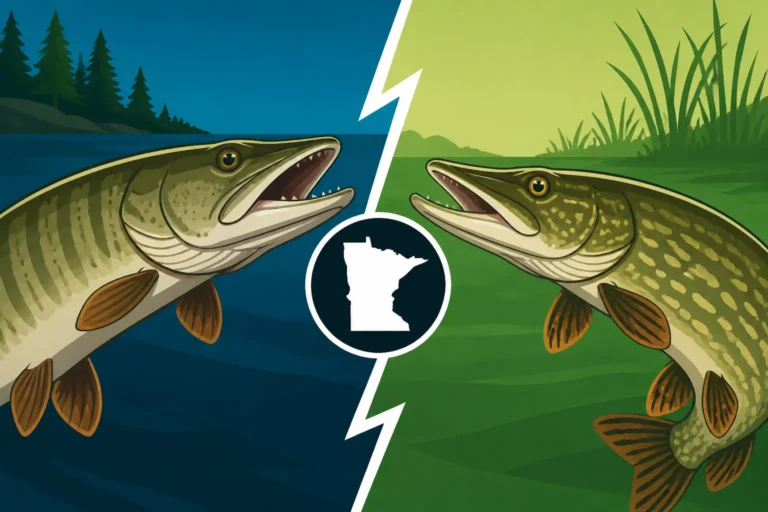
You’ll also need witnesses to verify the catch, preferably someone unrelated to you. The DNR will need to confirm the species identification, often requiring a biologist to examine the fish, especially with species that can be easily confused, such as distinguishing a muskie from a northern pike. While most muskie anglers can tell the difference, the DNR takes no chances when it comes to state records. Our guide on Muskie vs Northern Pike: How to Tell the Difference offers some helpful pointers. Collecting all this documentation promptly and accurately is paramount to getting your claim approved.
The Importance of a Certified Scale
This is perhaps the most critical step for an all-tackle weight record. The fish must be weighed on a scale that has been certified by the state's Department of Weights and Measures. This isn't just any old bathroom scale or even a high-quality personal fishing scale. Publicly accessible certified scales are typically found at bait shops, resorts, or meat lockers that deal with commercial measurements. Before you even head out, it's wise to know where the nearest certified scale is located to your fishing spot.
When the fish is weighed, it's essential that the scale is clean, zeroed out, and that the process is witnessed. The weight recorded must be exact, down to the ounce, as even a slight discrepancy could invalidate the claim. Transporting a potentially record-breaking muskie to a certified scale while keeping it in good condition (if it’s to be released) or preserving its weight (if harvested) adds another layer of challenge to an already incredible feat. This meticulous attention to detail ensures that the record is beyond reproach.
Respecting the Resource: Live Release of Potential Records
While the official all-tackle weight record traditionally requires the harvest of the fish for precise weighing, there's a growing emphasis on catch and release, even for potential records. Many anglers now prefer to measure and photograph potential record fish and release them alive, knowing that the experience and the fish's survival are more important than a place in a record book. The Minnesota DNR recognizes this shift with its catch-and-release length-based records, which encourage anglers to release their giants while still being recognized for monumental catches.
If you are pursuing an all-tackle weight record, you must be prepared to harvest the fish. However, for most anglers, the thrill comes from the battle and the magnificent fish itself. Carefully measuring length and girth, taking clear photos, and then performing a successful release is often the preferred outcome. This approach ensures the sustainability of our trophy muskie fisheries, allowing these incredible fish to continue their life cycle and potentially grow even larger for future generations of anglers. It's a balance between celebrating individual achievement and upholding our responsibility to the environment.
Disclaimer
Please note that fishing regulations, including record requirements, seasons, and limits, can change. Always consult the official Minnesota Department of Natural Resources (DNR) website or the current fishing regulations handbook before heading out on the water. This guide is for informational purposes only and does not constitute legal advice regarding fishing regulations.