Best Eating Fish in Minnesota Lakes
One of the most satisfying parts of a successful fishing trip, beyond the thrill of the catch itself, is knowing you’ve brought home some truly delicious fish for dinner. But with so many species swimming in Minnesota’s 10,000 lakes, it can be tough to know which ones offer the best table fare and how to properly prepare them. This guide is here to cut through the confusion and help you identify the best eating fish in Minnesota, ensuring your next meal is as rewarding as your day on the water.
Minnesota’s Golden Standard: Walleye
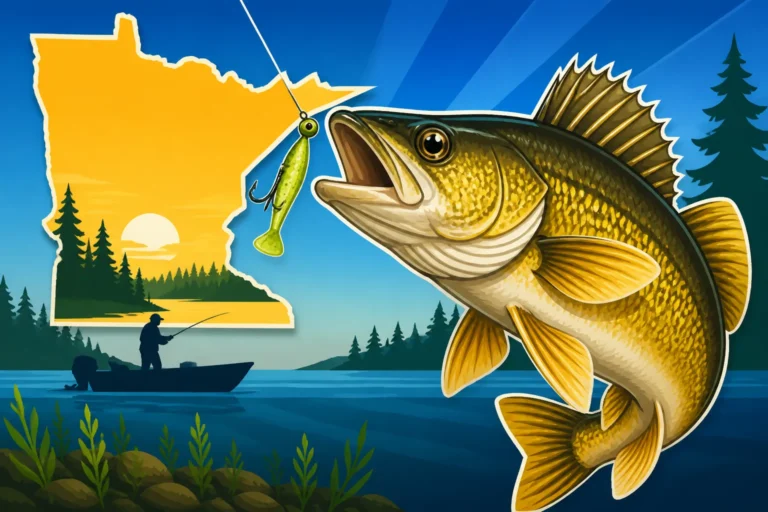
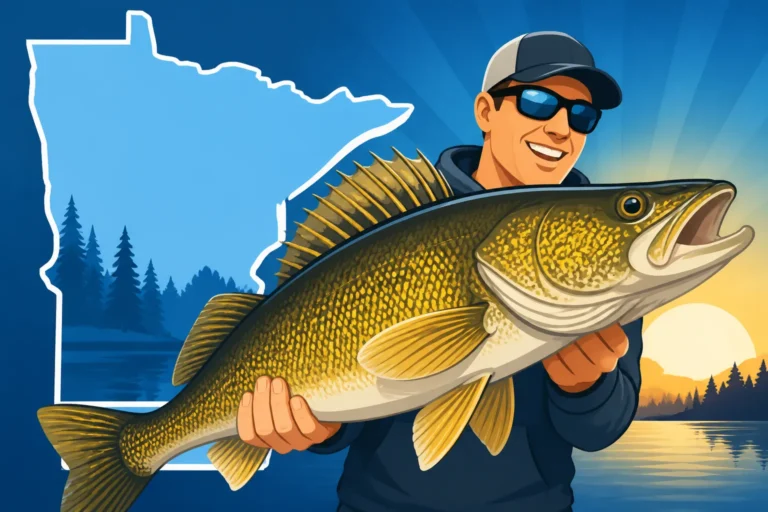
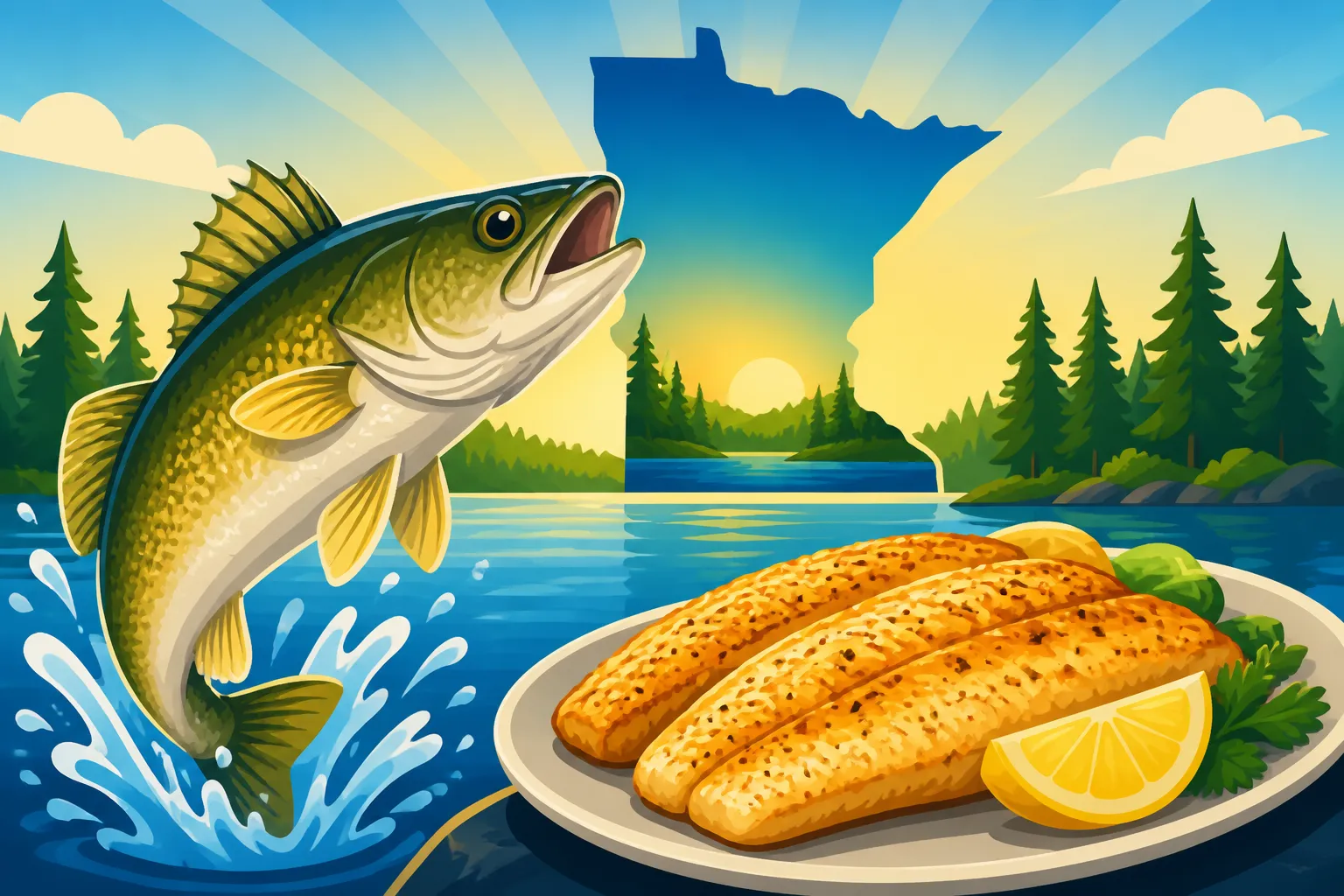
Let's be honest, when most Minnesotans think about eating fish, one species immediately comes to mind: the walleye. It's not just a cliché; there’s a very good reason why the walleye is often considered the king of the dinner plate here. Its delicate, flaky white meat and mild flavor make it incredibly versatile and universally loved.
Why Walleye are so Prized for the Table
The walleye's reputation as a premium eating fish is well-earned. The flesh is firm but tender, with a subtle sweetness that isn't overly "fishy." This makes it appealing even to those who might be hesitant about seafood. The texture holds up beautifully to a variety of cooking methods, from pan-frying to baking. Furthermore, walleye are known for their clean taste, which many attribute to the cold, clear waters they inhabit in many of Minnesota's deep, pristine lakes. When you’re reeling in a beautiful walleye, you’re not just catching a fish; you’re catching a culinary experience. Whether you're targeting early season walleye after the opener or casting for them in summer on deep structure, their quality remains consistent.
Filleting and Cooking Tips for Walleye
To truly enjoy a walleye, proper handling and preparation are key. First and foremost, get those fish on ice as quickly as possible after catching them. This preserves the freshness and quality of the meat. When it comes to filleting, walleye are relatively straightforward. Their bones are easy to navigate, and a sharp fillet knife makes quick work of separating the meat from the skeleton. Aim for clean, boneless fillets, which typically results in four pieces of meat from a larger fish – two from each side.
For cooking, classic pan-frying is a favorite. A simple breading of seasoned flour or a mixture of cracker crumbs and cornmeal, cooked in butter until golden brown, highlights the walleye's natural flavor perfectly. Many anglers swear by shore lunches, where freshly caught walleye are cooked lakeside. However, walleye also excel when baked with herbs and lemon, grilled, or even deep-fried for a crispy treat. Don't forget to check out our comprehensive guide on How to Fillet a Walleye (Step by Step) to master your technique.
Panfish Perfection: Crappie, Bluegill, and Perch
While walleye might wear the crown, the unsung heroes of many Minnesota fish fries are undoubtedly the panfish. These smaller, abundant species offer fantastic eating, are often easier to catch, and provide endless opportunities for family fun on the water. They are the backbone of many a memorable summer evening meal.
Crappie: A Delicate Delight
Black and white crappie are truly a joy to catch and an even bigger joy to eat. Their flesh is incredibly tender, white, and flaky, with a very mild, sweet flavor that rivals even the walleye for some palates. Crappies are particularly popular in the spring when they move into shallow, warmer waters for spawning, making them accessible to shore anglers and boaters alike. Many anglers cherish the experience of a Spring Crappie Fishing in Minnesota trip, knowing the reward waiting for them.
The delicate nature of crappie fillets means they cook quickly. A light breading or batter and a hot pan are all you need. They're perfect for tacos, fish sandwiches, or simply served with a squeeze of lemon. When preparing crappie, gentle handling is important to keep those tender fillets intact. They’re a fantastic choice for those who prefer a lighter, less robust fish flavor. Remember that Minnesota Crappie & Sunfish Limits are in place to help manage these popular species, so always check the regulations for your specific lake.
Bluegill & Sunfish: Family Favorites
Bluegill and other sunfish species (like pumpkinseed and green sunfish) are the quintessential "kid fish" in Minnesota, but don't let their small size fool you. What they lack in bulk, they make up for in flavor. These fish have sweet, firm, white meat that holds up wonderfully to pan-frying. They are incredibly abundant in most Minnesota lakes and ponds, making them an easy target for anglers of all ages and skill levels.
Cleaning a pile of sunfish might seem daunting due to their size, but with a good sharp fillet knife and a little practice, you can quickly get two small, boneless fillets from each fish. For a true taste of Minnesota summer, nothing beats a platter of crispy, golden-fried bluegill fillets. They're excellent as appetizers or as the main event with some classic coleslaw and baked beans. Learning How to Catch Bluegill: Easy Beginner Tactics is a great way to ensure you're bringing home plenty for the fryer.
Yellow Perch: Sweet & Flaky
Yellow perch are another panfish superstar, offering a delicious, mild flavor and firm, white, flaky meat. They're often found alongside walleye and crappie and are particularly popular targets during the ice fishing season. Many anglers specifically target them, looking for the jumbo perch that provide substantial fillets. Their consistent quality makes them a reliable choice for any fish fry.
Perch fillets are a bit thicker than crappie or bluegill, making them very forgiving to cook. They shine when pan-fried, but they're also fantastic baked or broiled. The mild flavor means they readily absorb seasonings, allowing you to experiment with different spices and herbs. If you're looking for a delightful meal that's easy to catch and prepare, yellow perch should definitely be on your list. Discover the best locations to find Yellow Perch: Where to Find Jumbo Perch in Minnesota.
Often Overlooked Gems: Northern Pike and Lake Trout
Sometimes, the best eating fish are the ones that get a bad rap or are simply less commonly kept for the table. In Minnesota, two species that fall into this category, but deserve a second look for their culinary potential, are Northern Pike and Lake Trout.
Northern Pike: Overcoming the Y-Bone Myth
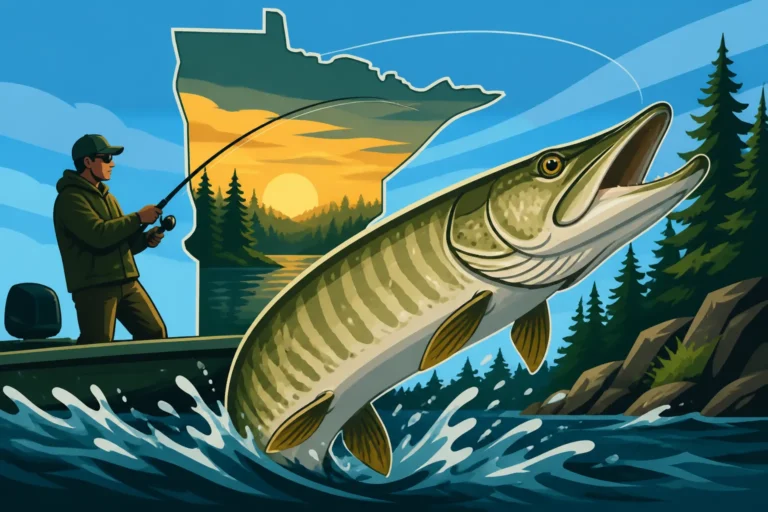
Ah, the northern pike. Often considered a "rough fish" by those unfamiliar with proper filleting techniques, the pike is actually a fantastic eating fish. Its meat is firm, white, and famously low in fat, giving it a clean, almost chicken-like flavor. The main deterrent for many anglers is the infamous "Y-bones" – a series of intramuscular bones that can make filleting challenging. However, with a bit of practice and the right technique, these bones are easily removed, leaving you with beautiful, boneless fillets.
Once you master the art of removing those Y-bones, a whole new world of culinary possibilities opens up. Grilled pike, baked pike, or even pike made into fish cakes are absolutely delicious. Many anglers argue that larger pike, say over 30 inches, have a coarser texture, making the smaller "hammer handles" (around 24-28 inches) the ideal size for eating. Don't let the Y-bone myth keep you from enjoying this exciting fish; learning How to Fillet a Northern Pike (Remove Y-Bones) is a skill every Minnesota angler should possess. For more tips on catching these toothy critters, check out our guide on Northern Pike Fishing Tips for Minnesota Anglers.
Lake Trout: A Northern Delicacy
Lake trout, typically found in the deeper, colder waters of Minnesota’s northern lakes and Lake Superior, offer a richer, more robust flavor profile than their stream-dwelling cousins. Their flesh can range from a vibrant orange-red to a pale pink, depending on their diet (often heavy on tullibee or other baitfish). This oilier content means they’re incredibly flavorful and moist, making them a favorite for those who enjoy a heartier fish.
Lake trout are excellent baked, broiled, or smoked. The richness of their meat stands up well to stronger seasonings and marinades. If you're lucky enough to catch a lake trout from a pristine northern lake like Lake Superior or one of the deeper Boundary Waters lakes, you're in for a true treat. Smaller lake trout tend to have a milder flavor, while larger ones can be quite rich. When preparing lake trout, remember their oil content, as this will influence cooking times and methods. Find out more about where to catch these magnificent fish in our Lake Trout Fishing in Minnesota: Streams & Lakes guide.
River and Lake Delights: Catfish and Whitefish
Beyond the usual suspects, Minnesota's waters hold a few other delicious fish that might surprise you. These species, found in specific habitats, offer unique flavors and textures that are well worth exploring.
Channel Catfish: Bottom-Dwelling Bounty
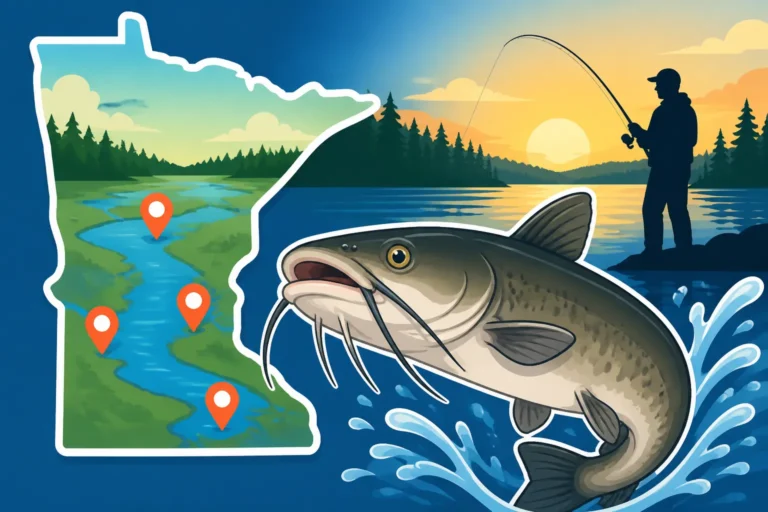
Often associated with muddy rivers, channel catfish in Minnesota's cleaner rivers and lakes are excellent eating. Their firm, white meat has a distinctive, savory flavor that isn't at all muddy if caught from good water. Catfish are robust fighters, providing an exciting angling experience, especially in larger rivers like the Mississippi or Red River of the North. Many anglers specifically target Channel Catfish Season & Limits in Minnesota, knowing they're in for a good fight and an even better meal.
Catfish are incredibly versatile in the kitchen. They hold up exceptionally well to deep-frying, often served with tartar sauce and hushpuppies for a classic southern-style meal. They can also be grilled, baked, or stewed. When preparing catfish, it's best to skin them rather than scale, which is quite easy with a pair of pliers and a sharp knife. The texture is meaty and satisfying, making them a fantastic alternative to the more delicate whitefish. For those interested in pursuing these whiskered warriors, check out our guide on How to Catch Catfish in Minnesota Rivers.
Whitefish & Tullibee: Cooler Water Culinary Stars
Whitefish, and their smaller cousins tullibee (also known as cisco), are highly prized in Minnesota, especially by those who appreciate a more delicate, oily fish. Found primarily in deep, cold, oxygen-rich lakes, these fish have a high fat content that translates to rich, flavorful meat. They are particularly popular during the winter ice fishing season when they can be targeted in deeper waters.
The flesh of whitefish and tullibee is wonderfully flaky and moist. They are exceptional when smoked, where their natural oils absorb the smoky flavors beautifully. They're also fantastic baked, broiled, or pan-fried. Many specialty delis and fish markets in Minnesota offer smoked whitefish, a testament to their culinary appeal. If you're looking for a fish with a robust, yet clean flavor, whitefish and tullibee are definitely worth seeking out. Learn more about these fascinating fish in our guide to Whitefish & Tullibee (Cisco) in Minnesota.
Seasonal Specialties and Surprises: Bass and Smelt
Sometimes, the best eating fish are seasonal delights or species that offer a different kind of culinary experience. Minnesota's waters provide a few more options for the adventurous angler and eater.
Smallmouth & Largemouth Bass: The Sporting Choice
While renowned for their fighting prowess, both smallmouth and largemouth bass are also very good to eat. Their meat is white, firm, and flaky, with a clean flavor when harvested from cool, clear waters. Often, they are released by anglers who prefer to chase them for sport, but don't hesitate to keep a few within the legal limits for a tasty meal. The flavor profile can be somewhat similar to walleye, though perhaps a touch firmer.
Bass fillets are excellent pan-fried, grilled, or baked. Many find that soaking the fillets in a saltwater brine or milk for an hour before cooking can further enhance their mildness. Because bass are so prevalent across Minnesota, they offer an accessible and plentiful option for the dinner table. Remember to always check the specific regulations for the lake you are fishing, as some lakes have special slot limits for bass. Our guide on Bass Fishing Techniques for Minnesota Lakes can help you land some delicious ones.
Smelt: A North Shore Tradition
While not a lake fish in the traditional sense, rainbow smelt are a highly anticipated seasonal delicacy along Minnesota's North Shore of Lake Superior. These small, silvery fish make their annual spawning runs up tributary rivers and shallow areas of Lake Superior, typically in April and May, drawing crowds of "smelters" armed with nets and buckets.
Smelt are small, averaging 6-9 inches, and are typically eaten whole after being cleaned, gutted, and often having their heads removed. They are almost exclusively deep-fried, resulting in crispy, bite-sized fish with a distinct, slightly sweet flavor. A traditional smelt fry is a communal event, and for those who enjoy this unique taste, it's a highlight of the spring season. It's a different experience than filleting larger fish, but equally rewarding in its own way.
A Comparative Look at Minnesota's Best Eating Fish
To help you decide what to keep for your next meal, here's a quick overview of our top picks for table fare in Minnesota.
| Fish Species | Flavor Profile | Texture | Common Preparation Methods | Ideal Size for Eating | Notes |
|---|---|---|---|---|---|
| Walleye | Mild, sweet, clean | Flaky, firm | Pan-fry, bake, grill, deep-fry | 15-20 inches | Minnesota's favorite, versatile. |
| Crappie | Very mild, delicate, sweet | Very flaky, tender | Pan-fry, light batter | 8-12 inches | Excellent for delicate dishes, quick cooking. |
| Bluegill/Sunfish | Sweet, clean, mild | Firm, white | Pan-fry, deep-fry | 6-9 inches | Family-friendly, abundant, small fillets. |
| Yellow Perch | Mild, sweet, clean | Flaky, firm | Pan-fry, bake, broil | 8-12 inches (jumbos) | Consistent quality, great for fish frys. |
| Northern Pike | Mild, clean, low-fat | Firm, white | Bake, grill, pan-fry, fish cakes | 24-28 inches | Requires Y-bone removal; excellent once filleted. |
| Lake Trout | Rich, robust, oily | Firm, moist | Smoke, bake, broil, grill | Smaller are milder (under 25") | Heartier flavor, good for smoking. |
| Channel Catfish | Savory, distinct | Firm, meaty | Deep-fry, grill, bake, stew | 16-24 inches | Best from clean waters; skin before cooking. |
| Whitefish/Tullibee | Rich, delicate, oily | Flaky, moist | Smoke, bake, broil, pan-fry | 12-20 inches | High fat content makes them great for smoking. |
| Smallmouth/Largemouth Bass | Mild, clean, slightly sweet | Firm, flaky | Pan-fry, grill, bake | 12-16 inches | Good table fare, often caught for sport. |
| Rainbow Smelt | Distinct, slightly sweet | Tender, whole | Deep-fry (eaten whole) | 6-9 inches | Seasonal North Shore delicacy, often a social event. |
The Importance of Proper Fish Handling
No matter which species you choose to keep, the quality of your meal starts long before you reach the kitchen. Proper fish handling immediately after the catch is paramount to ensure the best possible flavor and texture.
Getting Fish on Ice Quickly
This cannot be stressed enough: get your fish on ice as soon as they hit the bottom of the boat or come off the hook on the ice. A cooler filled with ice is your best friend. Rapidly cooling the fish slows down spoilage and helps to firm up the flesh, preventing it from becoming soft or mushy. Warm fish develop a "fishy" taste much faster. If you’re planning a long day on the water, consider investing in a high-quality cooler or bringing along plenty of ice to keep your catch in pristine condition.
For ice fishing, many anglers simply let their fish freeze on the ice, which is effective in cold weather, but it’s still best practice to put them in a cooler with snow or ice to maintain a consistent cold temperature and prevent freezer burn if you plan to keep them for a while before processing.
Cleaning and Storage for Optimal Freshness
Once you're off the water, clean your fish promptly. Freshly filleted fish are far superior to those left whole for too long. Remove all skin and bones, and rinse the fillets thoroughly in cold water. Pat them dry with paper towels to remove excess moisture, which can degrade texture during storage.
For short-term storage, place the fillets in airtight bags or containers in the refrigerator, and plan to cook them within 1-2 days. For longer storage, vacuum sealing is the absolute best method for freezing fillets. This removes air, preventing freezer burn and preserving the quality for several months. If you don't have a vacuum sealer, wrap fillets tightly in plastic wrap, then aluminum foil, and store them in freezer bags. Proper storage ensures that even months later, you can enjoy a taste of Minnesota’s fantastic fishing.
Enjoying the Bounty of Minnesota Lakes
Ultimately, the "best" eating fish in Minnesota comes down to personal preference. While walleye certainly holds a special place, don’t shy away from exploring the delicious potential of crappie, bluegill, perch, pike, lake trout, catfish, or whitefish. Each offers a unique flavor and culinary experience, reflecting the rich biodiversity of our state’s incredible waterways.
So next time you're out on the lake, whether you're jigging for walleye on Mille Lacs or casting for panfish on a local pond, consider keeping a few for the frying pan. With proper handling and preparation, you're guaranteed a meal that's as memorable as the catch itself. The bounty of Minnesota fishing is truly something to savor.
Disclaimer
The information provided in this guide is for general informational purposes only and is not intended as legal or professional advice. Fishing regulations in Minnesota can change, and it is the responsibility of each angler to consult the latest Minnesota Department of Natural Resources (DNR) regulations and advisories before fishing. Always prioritize safety and environmental stewardship while on the water.