Best Seasonal Pattern for Bluegill in Minnesota
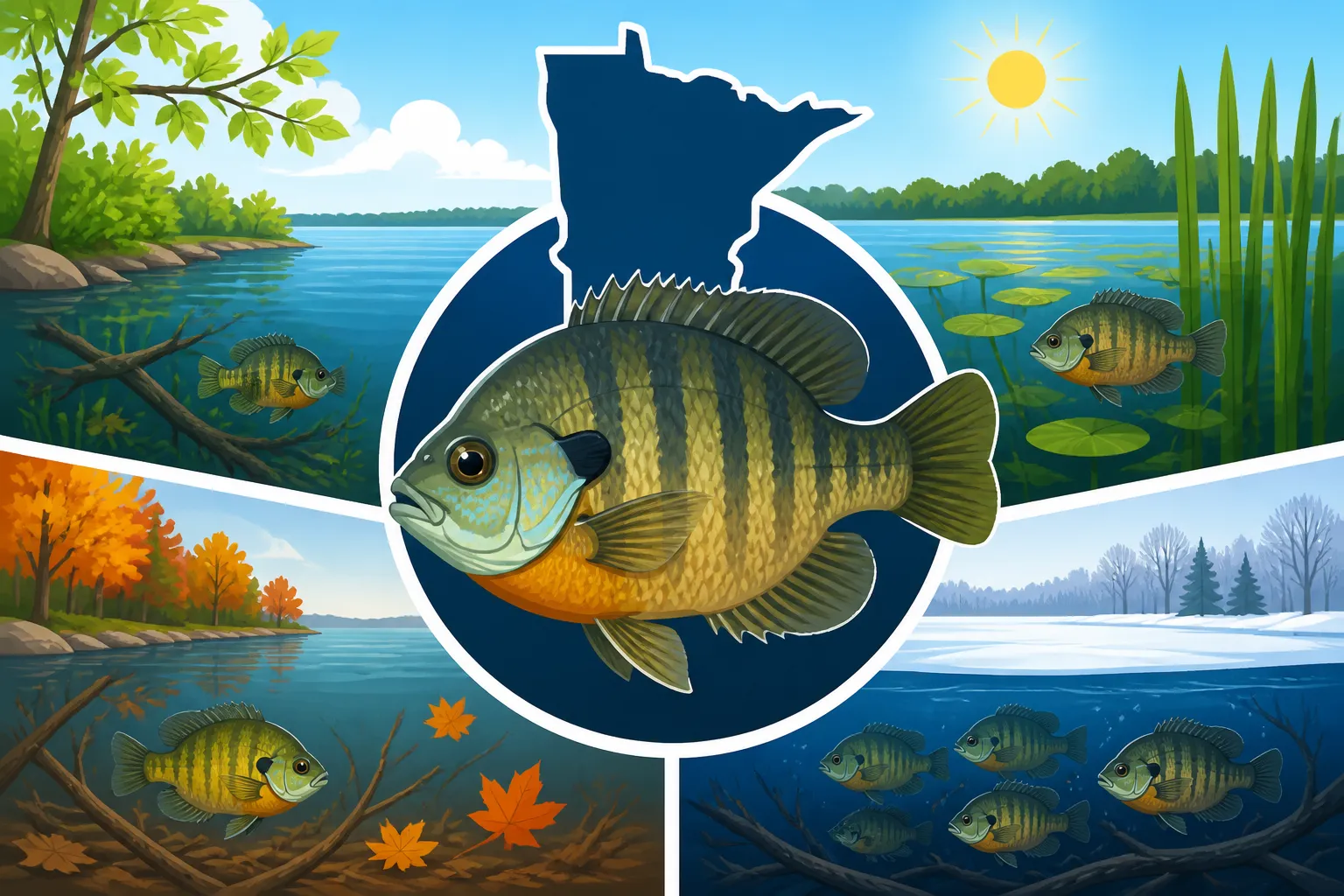
It can feel like a real puzzle trying to consistently find those big, feisty bluegill here in Minnesota, especially if you're chasing those true dinner-plate panfish. One day they're everywhere, and the next, it's like they've vanished into thin air! The truth is, bluegill, much like any other fish, have distinct seasonal patterns that dictate where they'll be and what they'll be willing to bite. This comprehensive guide will break down those seasonal movements, helping you unlock the secrets to better bluegill fishing year-round.
Understanding Bluegill Behavior Through the Seasons
To truly master bluegill fishing in Minnesota, you need to think like a bluegill. Their entire lives revolve around two main drivers: food and spawning. As the seasons change, so do their priorities and, consequently, their locations and feeding habits. It’s not just about tossing a worm in the water; it’s about understanding the nuances of their seasonal migrations.
The Importance of Water Temperature
Water temperature is the undisputed king when it comes to influencing bluegill behavior. These cold-blooded creatures' metabolism speeds up or slows down directly with the water temperature. In colder water, they're sluggish, conserving energy, and less likely to chase a bait. In warmer water, they're active, hungry, and full of fight. This fundamental principle dictates their movement from shallow to deep water and vice-versa throughout the year. For instance, in spring, as the sun warms the shallow bays, bluegill are drawn to these areas like magnets, fueling up after a long winter and preparing for the spawn. Conversely, in the heat of summer, they'll seek out cooler, deeper havens or dense cover.
Forage and Structure Preferences
Beyond temperature, bluegill are constantly on the hunt for food and safety. Their diet consists of small insects, larvae, tiny crustaceans, and even smaller minnows. This means they'll always be near areas that provide a buffet of these food sources. Structure, whether it's submerged logs, rock piles, docks, or especially weed beds, offers both shelter from predators and a concentrated food supply. Learning to identify the right kind of structure at the right time of year is key. A lush green weed line that held bluegill in July might be barren in October as the weeds die off. Pay attention to changes in vegetation, bottom composition, and available cover as the seasons progress.
Spring Bluegill: The Post-Spawn Feast and Nesting Frenzy
Spring in Minnesota is a time of awakening, and for bluegill, it's a period of intense activity driven by warming water and the impending spawn. After the long, cold winter under the ice, they're ready to eat and reproduce.
Early Spring Warm-Up
As soon as the ice melts and open water returns to our Minnesota lakes, bluegill begin to stir. Their first move is typically into the shallowest, warmest sections of the lake. Think of those dark-bottomed bays, northern shorelines, or areas with emerging vegetation that absorb the sun's rays more effectively. These spots warm up several degrees faster than the main lake, signaling an influx of insect activity and creating a comfortable environment for sluggish bluegill. You might find them cruising in water as shallow as 2-5 feet.
During this period, bluegill are still a bit lethargic from winter, so a subtle presentation is often best. Small jigs, often 1/64 to 1/32 ounce, tipped with a small piece of live bait like a wax worm or a tiny plastic tail, are deadly. Cast these baits out, let them sink slowly, and retrieve them with a very gentle, almost imperceptible twitch. Ultralight rods and reels spooled with 2-4 pound monofilament line are perfect for detecting those light bites. Keep an eye on those sunny, sheltered spots, as this is where the action will begin. For more tips on early season fishing, check out our guide on how to catch bluegill in Minnesota.
The Spawning Spectacle
Late spring, typically from late May through June, brings the highly anticipated bluegill spawn in Minnesota. This is arguably the most exciting time to target them, as they become incredibly aggressive and territorial. You'll find them congregated in shallow water, creating circular "beds" or nests on firm bottoms, usually sand, gravel, or even hard clay, in depths ranging from 1 to 6 feet. These spawning colonies can be massive, with hundreds of beds packed together, often in the same warm, sheltered bays they frequented in early spring.
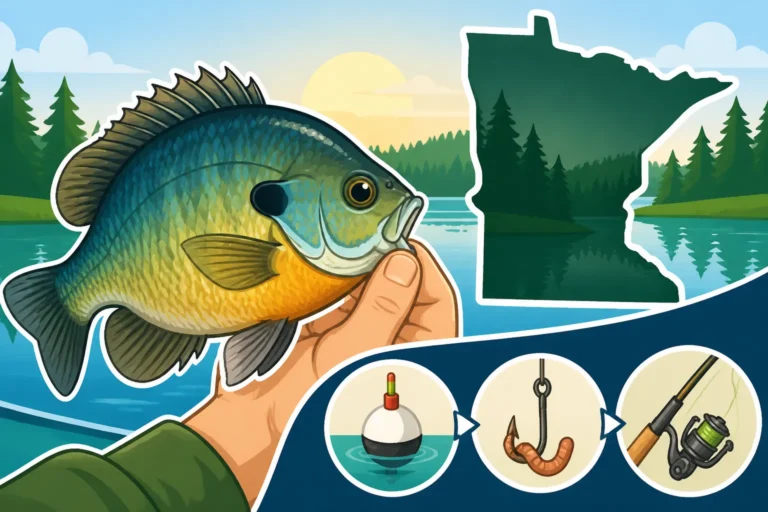
Sight fishing for bedding bluegill can be incredibly rewarding. Look for groups of saucer-shaped depressions on the bottom. The males, often identifiable by their vibrant colors and aggressive fin displays, guard these nests fiercely. A tiny jig or hook baited with a piece of garden worm, a small minnow, or even a fly pattern like a popper or a small nymph cast near a bed will often elicit an immediate, angry strike. You can find a fantastic selection of small fishing lures and live bait at many local tackle shops or even on Amazon if you're stocking up from home. Just remember to practice responsible angling and consider releasing the larger, healthier fish to ensure strong future populations.
Summer Bluegill: Deepwater Retreats and Weedline Wonders
As Minnesota's summer progresses and water temperatures soar, bluegill shift their patterns significantly. The shallow spawning grounds that were so productive in spring become less hospitable, prompting a move to deeper, cooler water and dense cover.
Post-Spawn Dispersion and Mid-Summer Patterns
After the spawning frenzy, bluegill disperse from their beds. The biggest change you'll notice is their move away from the extreme shallows. While some smaller bluegill might remain in shallow weed pockets, the larger, more desirable fish will seek refuge in deeper weed lines, submerged vegetation (like coontail or cabbage beds), and shady areas created by docks or lily pads. These locations offer cooler water, plenty of shade, and a consistent food supply as insects and baitfish thrive within the dense cover. Look for the "greenest" weeds – healthy, vibrant vegetation indicates good oxygen levels and a robust ecosystem.
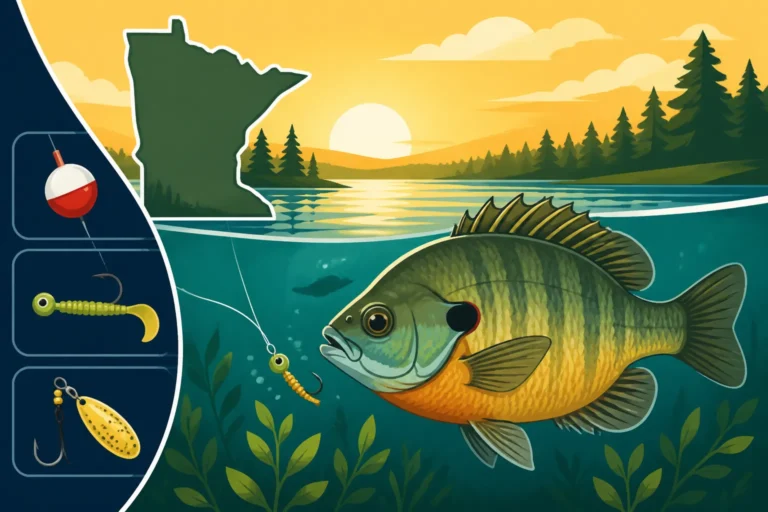
Fishing these mid-summer weed lines often calls for a different approach. A classic tactic is using a slip bobber rig. This allows you to present your bait at a precise depth along the weed edge or just above it. Small jigs tipped with a crappie minnow, piece of nightcrawler, or even crickets are highly effective. For those seeking active fish, a tiny beetle spin or a micro crankbait retrieved along the outside edge of a weed bed can provoke strikes. You can find some excellent slip bobber setups and a variety of small plastics designed for panfish on Amazon, making it easy to get geared up for summer success.
Targeting Deep Water Structure
When the summer heat is at its peak, especially during midday, the biggest bluegill often retreat to even deeper water, sometimes suspending over basins or relating to offshore structure. These can include humps, points, submerged islands, or even cribs and brush piles placed by the DNR. These deeper haunts offer stable, cooler temperatures and often attract schools of baitfish, making them prime feeding grounds. Finding these spots can be a challenge without good electronics, but they often hold the largest concentrations of jumbo bluegill that have seen less fishing pressure.
Vertical jigging with tiny spoons or tungsten jigs tipped with a wax worm or a small soft plastic is a fantastic technique for deep-water bluegill. Drop your bait directly down to the fish you see on your sonar or fish finder. A slow, subtle jigging motion is usually all it takes to entice a bite. For those really finicky fish, a small drop-shot rig with a tiny hook and a piece of natural bait can be incredibly effective. Remember that light line (2-4 lb test) is crucial for these deeper presentations to ensure your bait gets down quickly and naturally.
Fall Bluegill: Feeding Frenzy Before Winter
As the summer sun wanes and the crisp air of autumn descends upon Minnesota, bluegill enter a pre-winter feeding phase. This can be a fantastic time to target them, as they become incredibly active, trying to pack on as much weight as possible before the ice forms.
Cooling Water and Renewed Activity
The cooler water temperatures of fall invigorate bluegill. They become much more active than they were during the dog days of summer. You'll find them aggressively chasing baitfish and insects, often still clinging to the remaining green weed lines, particularly those in slightly deeper water (8-15 feet). These weeds continue to provide cover and hold food sources until the water gets too cold. Look for these "last bastions" of healthy vegetation on main lake points, inside turns, or along rocky shorelines.
Tactics for fall bluegill are often similar to late summer, but with a slight adjustment to presentation. Slower retrieves and more pauses can be beneficial as their metabolism, while increased from summer, isn't quite as frenetic as during the spawn. Small jigs and live bait (wax worms, small minnows, pieces of nightcrawler) under a slip bobber remain highly effective. Don't be afraid to experiment with slightly larger baits or lures, like a small Rapala jigging rap or a tiny spoon, as bluegill are actively feeding and less wary.
Pre-Winter Staging
As fall progresses into late autumn, and surface water temperatures drop further, bluegill will begin their final move before ice-up. They typically transition to deeper main lake structure or suspend in deeper basins, often near the bottom in 20-30 feet of water, or even deeper on larger lakes. They're congregating in these areas, forming larger schools, as they seek stable temperatures and prepare for a long winter of reduced activity. Finding these pre-winter staging areas can be a goldmine, offering opportunities for catching large numbers of fish.
Electronics become invaluable during this period. Your fish finder will help you locate these schools suspended over deep water or hugging subtle breaks. Once found, vertical jigging is the name of the game. Small tungsten jigs, often in bright colors or glow patterns, tipped with a single wax worm or a specialized ice fishing plastic, are deadly. A sensitive ice fishing rod, even before the ice forms, can help detect those light bites from deeper fish. Having a good map of the lake, like those available through Navionics or LakeMaster, will also help you identify potential deep-water holding spots for these fish.
Winter Bluegill: Ice Fishing Hotspots
Ice fishing for bluegill is a cherished Minnesota tradition, offering some of the most consistent panfish action of the year. While the fish are slower, they are still catchable, provided you understand their winter behavior. For an in-depth look, consult our full guide on Ice Fishing in Minnesota: Complete Beginner-to-Pro Guide.
Early Ice Aggression
When that first safe ice forms on Minnesota lakes, bluegill often remain in relatively shallower areas, similar to where you found them in late fall. These might be the outer edges of dying weed beds, subtle breaks leading to deeper water, or even the shallower portions of main lake humps. Water clarity is usually excellent under early ice, and the bluegill are still quite active, feeding readily before the full weight of winter sets in.
During early ice, you can often find aggressive bluegill in 8-15 feet of water. Small tungsten jigs, often 1/16 to 1/32 ounce, tipped with a wax worm, euro larva, or a small plastic like a Custom Jigs & Spins Ratso, are incredibly effective. A small spoon, such as a Northland Bro Bug Spoon, can also work wonders. Keep your jigging motion subtle, a slight quiver or a slow lift and drop. For more specific tactics, check out how to catch bluegill through the ice in Minnesota.
Mid-Winter Slump and Deep Basin Fish
As mid-winter arrives with its thick ice and heavy snow cover, bluegill behavior changes significantly. Oxygen levels can deplete in shallower areas, and the reduced light penetration makes fish more sluggish. During this period, bluegill often retreat to deeper basins, suspending over the mud or relating to deep structure in 20-40 feet of water. They might be concentrated near deep weed edges, brush piles, or subtle contour changes where oxygen levels are more stable and they can conserve energy.
Finesse is the key during mid-winter. Use the lightest line possible (1-2 lb test fluorocarbon or monofilament) and the smallest tungsten jigs (1/64 to 1/80 ounce) tipped with a single wax worm or a microscopic plastic. A highly sensitive ice fishing rod with a soft tip is essential for detecting those extremely light bites. Often, a bluegill will simply "load" the rod tip or cause your line to go slack. A quality flasher like a Vexilar or Humminbird Ice Helix is practically a necessity to locate these deeper, often suspended fish and understand their reactions to your bait.
Late Ice Revival
Just as the ice begins to show signs of breaking up, typically in March, bluegill experience a revival. This "late ice" period often sees them moving back towards shallower water, sometimes as shallow as 5-10 feet, in anticipation of spring. These are often the same bays and sun-drenched shorelines they'll use for spawning in a few weeks. They become more aggressive as the water warms slightly and light penetration increases.
Late ice tactics are similar to early ice, with bluegill becoming more willing to chase. Don't be afraid to be a bit more active with your jigging. Tungsten jigs, small spoons, and even tiny horizontal jigs like a Rapala Jigging Rap in a size 3 or 5 can be very effective. It's not uncommon to find mixed bags of panfish, including crappies and perch, in these late-ice hotspots. Just be extra vigilant about ice safety during this period, as conditions can change rapidly.
Seasonal Bluegill Fishing Quick Reference
To help you keep track of these dynamic patterns, here's a quick reference table summarizing bluegill behavior and tactics through the Minnesota fishing seasons:
| Season | Typical Water Temp | Primary Locations | Preferred Depths | Recommended Baits/Lures | Key Tactics |
|---|---|---|---|---|---|
| Early Spring | 40-55°F | Warm, shallow bays, dark bottom areas, emerging weeds | 2-7 feet | Wax worms, small minnows, tiny plastics on jigs | Slow retrieve, subtle jigging, light line |
| Late Spring | 60-70°F | Spawning beds (sand/gravel flats), sheltered bays | 1-6 feet | Worms, crickets, poppers, small jigs | Sight fishing, aggressive presentations |
| Early Summer | 70-75°F | Deep weed lines, lily pad edges, shady docks | 5-15 feet | Small minnows, crickets, worms, small plastics | Slip bobbers, retrieve along weed edges |
| Mid-Summer | 75°F+ | Deeper weed edges, offshore humps, suspended over basins | 15-30+ feet | Small jigs (tungsten), tiny spoons, small plastics | Vertical jigging, drop-shot, electronics |
| Early Fall | 55-65°F | Green weed lines, rocky points, deep breaks | 8-20 feet | Worms, minnows, plastics, small crankbaits | Slower retrieves, slip bobbers, active search |
| Late Fall | 40-50°F | Deep basins, main lake humps, deep transitions | 20-40+ feet | Tungsten jigs, small spoons, plastics (slow) | Vertical jigging, electronics, precise depth |
| Early Ice | 32-35°F | Dying weed edges, shallow breaks | 8-15 feet | Wax worms, euro larvae, small plastics on jigs | Subtle jigging, active search |
| Mid-Winter | 32°F | Deep basins, suspended over mud, deep structure | 20-40+ feet | Tiny tungsten jigs, microscopic plastics | Finesse, sensitive rod, flasher essential |
| Late Ice | 32-35°F | Shallow bays, sun-exposed flats, emerging weeds | 5-15 feet | Tungsten jigs, small spoons, plastics | More active jigging, vigilant ice safety |
This table should serve as a fantastic cheat sheet when you're planning your next bluegill outing. Understanding these seasonal shifts is truly the key to unlocking consistent success on Minnesota's fantastic panfish lakes.
Disclaimer
Fishing regulations, seasons, and limits can change frequently. Always consult the most current Minnesota Department of Natural Resources (DNR) fishing regulations handbook before heading out on the water. This guide is for informational purposes only and does not supersede official DNR regulations.