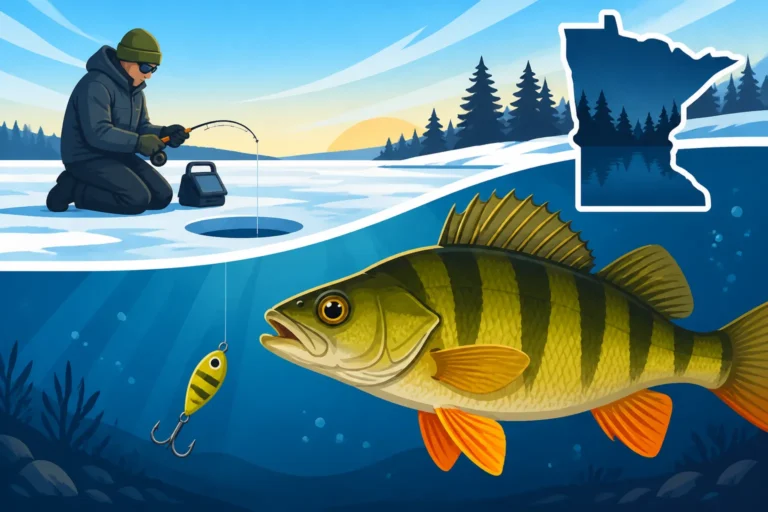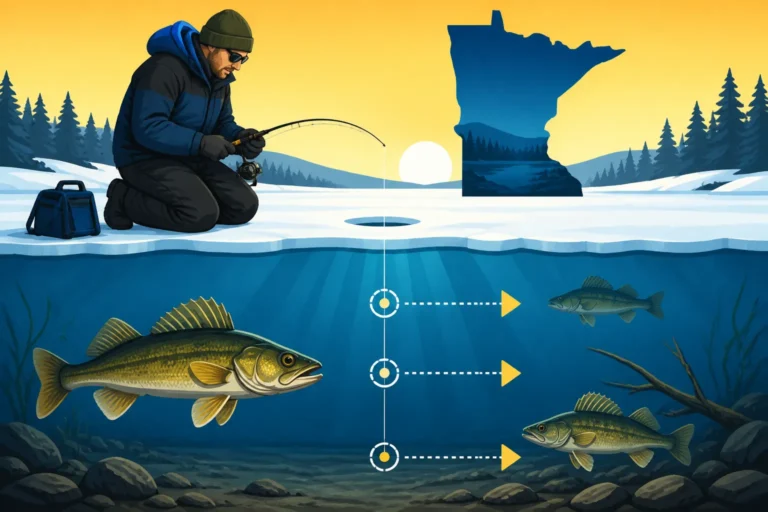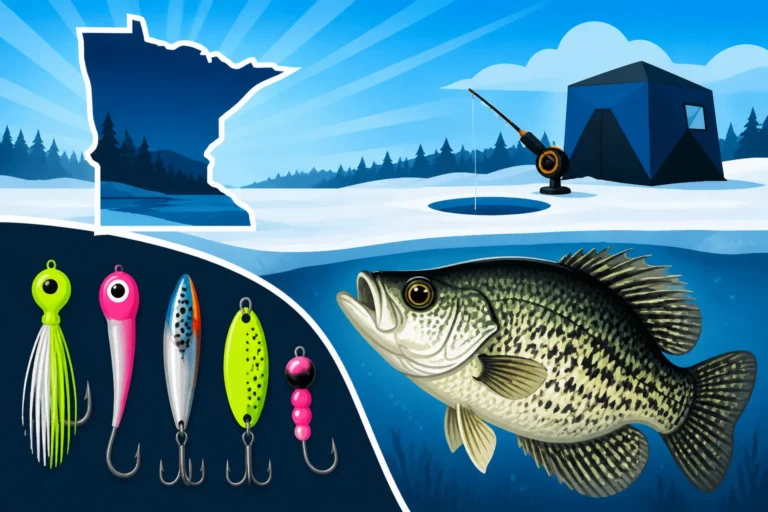
How to Catch Whitefish Through the Ice in Minnesota
There’s a certain thrill to targeting species through the ice that aren’t the usual walleye or panfish, and whitefish definitely fall into that category. Many anglers find them incredibly frustrating, notorious for their light bites and deep-water preferences, leaving you wondering if there’s even a fish down there. This guide is here to demystify the process and equip you with the knowledge and tactics you need to consistently put Minnesota whitefish on the ice, turning those frustrating nudges into solid hooksets.
Understanding Minnesota Whitefish and Their Quirks
Whitefish are a unique challenge in the ice fishing world. They aren't the aggressive predators like pike, nor are they as widespread and eager as crappies. To catch them, you first need to understand them – their habits, their preferred habitat, and what makes them tick, especially when the lakes freeze over.
Where Whitefish Thrive in Winter
When the ice locks down, whitefish in Minnesota typically gravitate towards deeper, cooler, and oxygen-rich waters. They are often found suspended over vast flats, along deep breaks, or congregating around submerged humps and reefs. Think of those classic, clear-water glacial lakes with significant depth – that’s prime whitefish territory. They're not usually tucked into shallow weeds or near shorelines like bluegills. Instead, they prefer the expansive, open waters of a lake, often roaming in schools rather than holding tight to a specific piece of structure.
A common pattern is to find them roaming anywhere from 20 to 60 feet of water, though sometimes even deeper, especially in lakes like Lake Superior, where they can be in hundreds of feet. Their preference for cold water means they stay relatively active even under thick ice, constantly feeding on various invertebrates and small baitfish that inhabit the deeper zones. This deep-water behavior is precisely what makes them a puzzle for many anglers used to shallower pursuits. Knowing their depth preference is the first step in narrowing down your search.
What Makes Whitefish Different from Walleye
While walleye are often found in similar deep-water structures, particularly during certain times of the ice season, whitefish behave quite differently. Walleye are ambush predators, often hugging the bottom or relating tightly to structural elements like rock piles, humps, or sharp breaklines. They strike with a distinct thump, and their bites are usually unmistakable.
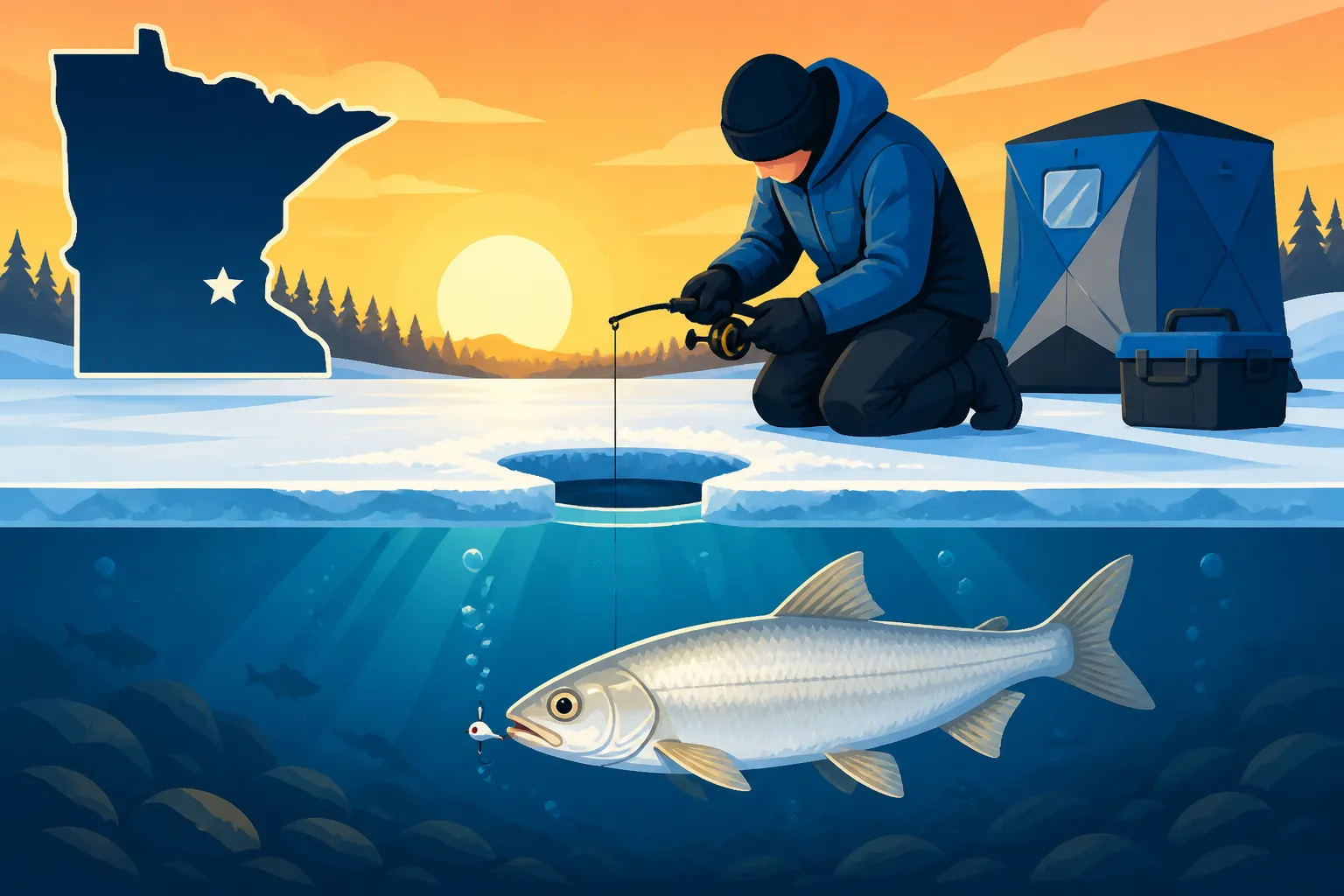
Whitefish, on the other hand, are primarily planktivores and bottom feeders, with a small, downturned mouth designed for sifting through substrate or plucking tiny organisms from the water column. This translates to incredibly subtle bites – often feeling like a slight pressure, a momentary "heaviness," or just a jiggle on your line. It’s easy to mistake a whitefish bite for your lure hitting the bottom or getting brushed by weeds. They also tend to suspend more freely in the water column compared to walleye, which typically stay closer to the bottom. Understanding this difference in feeding behavior and bite sensitivity is crucial for success and separates the whitefish whisperers from the frustrated novices.
Essential Gear for Ice Fishing Whitefish
Success in whitefish angling really boils down to having the right tools for the job. You can't just grab your standard walleye setup and expect the same results. These fish are particular, and your gear needs to be equally precise to detect their notoriously finicky bites.
Rods, Reels, and Line Choices
For whitefish, sensitivity is king. You need a rod that can telegraph those incredibly light takes. A fast-action, ultra-light to light power spinning rod, typically 28 to 36 inches long, is ideal. Many anglers opt for a specific "whitefish rod" that has a super soft tip but enough backbone to handle a good fight. Consider rods with a high-quality graphite blank for maximum sensitivity. You can often find excellent options for specific "walleye and panfish" rods that also translate well to whitefish online, perhaps through retailers like Amazon.
Pair your sensitive rod with a small, lightweight spinning reel (500 to 1000 series) that has a smooth drag system. Whitefish can make powerful runs, especially larger ones, and a sticky drag will lead to break-offs. For line, this is where it gets critical: 3 to 6-pound test fluorocarbon line is often the top choice. Fluorocarbon is nearly invisible underwater, has low stretch for better feel, and sinks faster than monofilament. Some anglers prefer a super-light braided main line (4-6 lb test) with a 6-10 foot fluorocarbon leader for even more sensitivity, allowing them to feel the most subtle nibbles from those deep-water cruisers. Just remember to check your knots regularly, as whitefish can be quite feisty at the hole.
Lures and Baits That Entice
When it comes to lures, smaller and subtler presentations often outperform anything big and flashy. Whitefish aren't usually chasing down large baitfish. Instead, they're looking for tiny crustaceans, insects, and small minnows.
Here’s a breakdown of common choices:
- Small Jigging Spoons: Think 1/8 to 1/4 ounce spoons in silver, gold, white, or glow patterns. Brands like Northland Fishing Tackle's Forage Minnow Spoon or Custom Jigs & Spins’ Chekai are popular. The key is to find spoons that have a subtle flutter on the drop. Tip them with a couple of wax worms, a small minnow head, or a couple of maggots for added scent and appeal.
- Small Vertical Jigs: Teardrop jigs, small tungsten jigs, or simple lead jigs in 1/16 to 1/8 ounce sizes are excellent. Colors like black, red, glow, or chartreuse can be effective. These are almost always tipped with live bait – wax worms, spikes (maggots), or even a small piece of minnow tail are standard.
- Unique Lures: Some dedicated whitefish anglers swear by tiny vibrating baits or micro blade baits that offer a lot of flash and vibration in a small package. Others find success with small, specialized "whitefish jigs" or tiny soft plastics that imitate small insect larvae when fished on a bare hook or small jig.
Whatever lure you choose, remember that presentation is often more important than the specific lure. A table comparing common whitefish baits is below:
| Lure Type | Weight Range | Key Features | Preferred Tipping Bait | Best Situations |
|---|---|---|---|---|
| Jigging Spoons | 1/8 – 1/4 oz | Subtle flutter, flash | Wax worms, minnow head, spikes | Actively feeding fish, covering water |
| Vertical Jigs | 1/16 – 1/8 oz | Small profile, subtle presentation | Wax worms, spikes, minnow tail | Finicky biters, precise depth control |
| Blade Baits | 1/8 – 1/4 oz | Strong vibration, flash, quick drop | Small minnow head (optional) | Aggressive fish, deep water, searching |
| Bare Hook | Tiny #10-#14 | Ultimate subtlety, natural presentation | Wax worms, spikes | Extremely finicky fish, clear water, sight fishing |
Electronics: The Game Changer
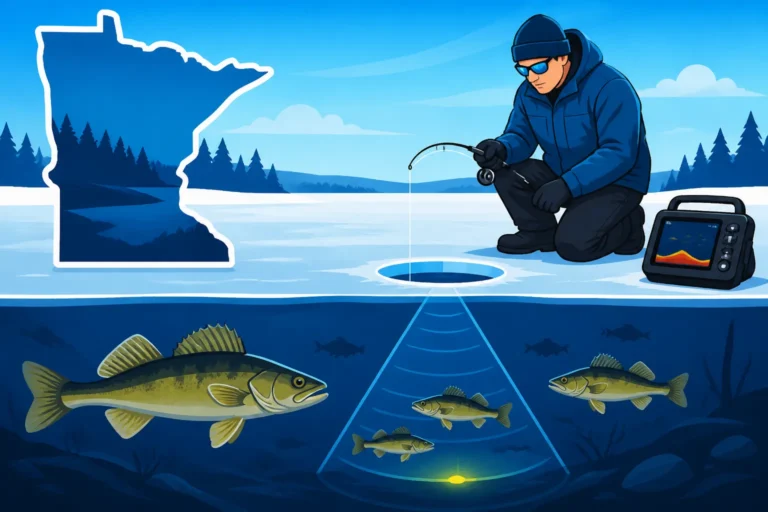
If there's one piece of gear that truly revolutionizes whitefish ice fishing, it's a good set of electronics. A flasher or an LCD fish finder is practically mandatory. Whitefish are often suspended, and without electronics, you're truly fishing blind in 30+ feet of water.
- Flashers (Vexilar, Marcum, Humminbird): These show you real-time what's happening under your hole. You'll see your lure, any fish approaching it, and how they react. This instant feedback is invaluable for adjusting your presentation. You'll often see a whitefish approach your lure, rise up to it, then just 'sit' below it without biting. This is where subtle adjustments can make all the difference. Many anglers, myself included, rely heavily on their Vexilar FLX-28 or Humminbird Ice Helix units for whitefish.
- LCD Fish Finders (Garmin, Lowrance): Modern LCD units offer detailed sonar views, mapping capabilities, and even forward-facing sonar options like Garmin LiveScope. While a traditional flasher is excellent for vertical jigging, an LCD unit with GPS can help you mark precise waypoints over deep structure and track your drifts or movements if you’re fishing from a portable shelter. Having a detailed lake map, often available on these units, helps you pinpoint potential whitefish hotspots before you even drill a hole.
Being able to see the fish and your lure is paramount. Without it, you’ll miss 90% of the whitefish opportunities. It allows you to respond to their movements, experiment with presentations, and confirm that there are actually fish in the vicinity, which can save you a lot of fruitless drilling. If you're looking for one piece of gear to upgrade your ice fishing experience, an ice fishing flasher is usually at the top of the list and readily available from outdoor retailers or online stores like Amazon.
Proven Techniques for Icing Whitefish
Catching whitefish through the ice isn't just about showing up with the right gear; it's about employing specific strategies to coax these notoriously picky eaters into biting. You need patience, observation, and a willingness to adapt.
Jigging Strategies and Presentation
This is where the art of whitefish angling truly comes into play. Unlike aggressive walleye, whitefish rarely smash a lure. Their bites are often so subtle that you might not even feel a distinct "thump."
Here's how to approach your jigging:
- Subtle Movements: Forget aggressive jigging motions. Whitefish respond much better to light, gentle twitches and pauses. Drop your lure to the desired depth (often a few feet off the bottom, or just above where you mark fish on your flasher), then lift it slowly 6-12 inches, hold it still for a few seconds, and then let it fall slowly. The "dead stick" technique, where you leave a second rod perfectly still with a live bait presentation, can be surprisingly effective for these finicky eaters.
- "The Lift": A common whitefish trick is to slowly lift your lure upwards when you mark a fish below it. Whitefish often react positively to an ascending bait, triggering their curiosity or an instinct to chase a fleeing meal. If they follow but don't commit, sometimes a slight pause or a tiny shimmy can be all it takes. Conversely, if they lose interest, letting the lure fall back down can re-engage them.
- Reading Your Flasher: Your electronics are your best friend here. If you see a fish approach your lure and then stop, try a very small twitch. If it stays put, try lifting or dropping your lure slightly. Sometimes just holding the bait perfectly still will get them to commit. The bite itself often appears as a slight "heavy" feeling on the line, or your rod tip will just load up slightly. It’s rarely a hard hit, so be ready to set the hook at the slightest indication. Remember, if you’re fishing in Minnesota, you can legally use up to How Many Lines Can You Fish in Minnesota? through the ice, which can be beneficial for presenting multiple baits.
Hole Hopping and Locating Schools
Whitefish are pelagic, meaning they roam in open water, often in schools. This makes staying put in one spot a risky strategy if you're not seeing active fish.
- Drill, Drop, Wait: Start by drilling a series of holes in a grid pattern across a potential whitefish flat or deep break. Don't be afraid to cover some ground. Drop your transducer down each hole, give it a minute or two to scan, and if you don't see any fish arches or marks on your flasher, move on to the next hole. This aggressive approach increases your chances of intersecting with a roaming school.
- Follow the Fish: If you do find a school and catch a few, they might move on after a short while, especially if the pressure is high. Be prepared to pick up your gear and follow them. If you have multiple holes drilled, this becomes much easier. The key is to be mobile and constantly search. This is where a good portable ice shelter like those from Clam or Otter can be invaluable, allowing you to quickly move and set up again.
- Depth is Key: Pay close attention to the depth at which you're marking and catching fish. Whitefish often suspend at very specific depths. If you catch one at 35 feet over a 50-foot bottom, assume the rest of the school might be holding at that same 35-foot mark. Adjust your lure presentation to precisely that depth, rather than constantly dropping it all the way to the bottom. Understanding How to Find Fish While Ice Fishing is fundamental here.
Dealing with Finicky Biters
Whitefish earned their reputation for being finicky for a reason. Sometimes they'll show up on your screen, look at your lure, and just ignore it. This is where persistence and experimentation pay off.
- Lure Changes: If they’re showing interest but not biting, try changing your lure color, size, or even style. Go from a spoon to a small jig, or a silver spoon to a glow-in-the-dark one. Sometimes the smallest change can trigger a bite.
- Bait Presentation: Ensure your live bait is fresh and lively. Two small maggots often work better than one large, limp wax worm. Make sure your hook point is exposed for good hooksets.
- Line Watching: Because the bites are so subtle, sometimes you won't even feel it. Watch your line where it enters the water or against the ice. If it twitches, straightens out, or moves unnaturally, set the hook! Many times, a whitefish will simply "inhale" the bait, and the only indication is a slight movement in your line. Using a sensitive rod with a brightly colored tip can also help detect these almost imperceptible bites.
Best Minnesota Whitefish Lakes for Ice Anglers
Minnesota boasts incredible fishing, and for whitefish, certain lakes consistently stand out. These generally share characteristics that whitefish absolutely love, especially when they're hiding under a sheet of ice.
Deep, Clear Lakes are Key
The common denominator for prime whitefish habitat is deep, clear, cold water with ample oxygen. These aren’t your typical shallow, stained bass lakes. Whitefish thrive in oligotrophic and mesotrophic lakes, which means they have lower nutrient levels and high oxygen, even in their deeper zones.
- Glacial Lakes: Many of Minnesota's deep, clear glacial lakes, particularly in the northern and central parts of the state, are perfect. These lakes often feature expansive deep flats, distinct structural elements like humps and breaklines, and rocky bottom compositions. These areas provide the forage and conditions whitefish prefer.
- Large Water Bodies: Larger lakes tend to have the necessary expanses of open water where whitefish can roam freely in schools. They also typically have the depth variations that allow whitefish to move up and down in the water column as conditions change, like light penetration or subtle currents. The clarity of the water also plays a role, as whitefish are visual feeders, and clear water allows them to spot their tiny prey more easily.
Specific Lake Recommendations and Tips
While whitefish can be found in many deep lakes across the state, some are truly renowned for their ice fishing opportunities. Always remember to check the latest regulations for any specific lake before heading out, as Whitefish Season & Limits in Minnesota can vary.
- Lake Superior: This is, without a doubt, the king of whitefish lakes in Minnesota. While it can be daunting due to its sheer size and volatile weather, the whitefish population here is immense, and they grow to impressive sizes. Popular spots often include around Duluth's harbor entry, areas near Grand Marais, or Two Harbors. Focus on fishing deeper water, often 50-150 feet, near known structures or drop-offs. Be sure to check ice conditions meticulously, as Lake Superior ice can be notoriously unpredictable.
- Mille Lacs Lake: While famous for walleye and smallmouth bass, Mille Lacs also holds a healthy whitefish population, particularly in its deeper basin areas and around large mud flats. Anglers targeting walleye on the mud flats often inadvertently pick up whitefish. Look for them suspending in 30-45 feet of water. The sheer size of this lake means you'll need to cover ground, but the reward can be substantial. Keep an eye on local fishing reports for specific whitefish activity on Mille Lacs Lake.
- Lake Vermilion: Known for its scenic beauty and diverse fishery, Lake Vermilion in Northern Minnesota offers excellent whitefish opportunities. It's a large, deep lake with plenty of rocky structures and deep basins. Targeting whitefish here often means looking for them off the main lake points and humps in 25-50 feet of water.
- Other Notable Lakes: Many other large, clear lakes in Northern and Central Minnesota will hold whitefish. Lakes like Leech Lake, Ten Mile Lake, Bowstring Lake, and Lake Winnibigoshish also have whitefish populations, though perhaps less targeted specifically than walleye or pike. If you find yourself on a deep, clear lake in the area, it's always worth drilling a few holes and checking for whitefish activity on your electronics. They might just surprise you!
No matter which lake you choose, remember that whitefish ice fishing is a rewarding challenge. It tests your patience and your skill, but the delicate, delicious fillets are well worth the effort.
Disclaimer
Fishing regulations, seasons, and limits can change. Always consult the latest Minnesota Department of Natural Resources (DNR) fishing regulations before heading out on the ice. This guide is for informational purposes only and does not replace official DNR publications.