How to Catch Burbot Through the Ice in Minnesota
Oh, the humble burbot! For many years, these unique, eel-like fish were often overlooked by Minnesota ice anglers, sometimes even dismissed as "eelpout" or something you just accidentally snagged. But I'm here to tell you, my friends, that's a mistake. If you've ever struggled to find action on the ice or wondered how to target one of Minnesota's most misunderstood and surprisingly delicious winter catches, this comprehensive guide is for you. We're going to dive deep into how to successfully catch burbot through the ice, turning those slow days into memorable adventures.
Understanding Minnesota's Burbot: The "Eelpout" Mystique
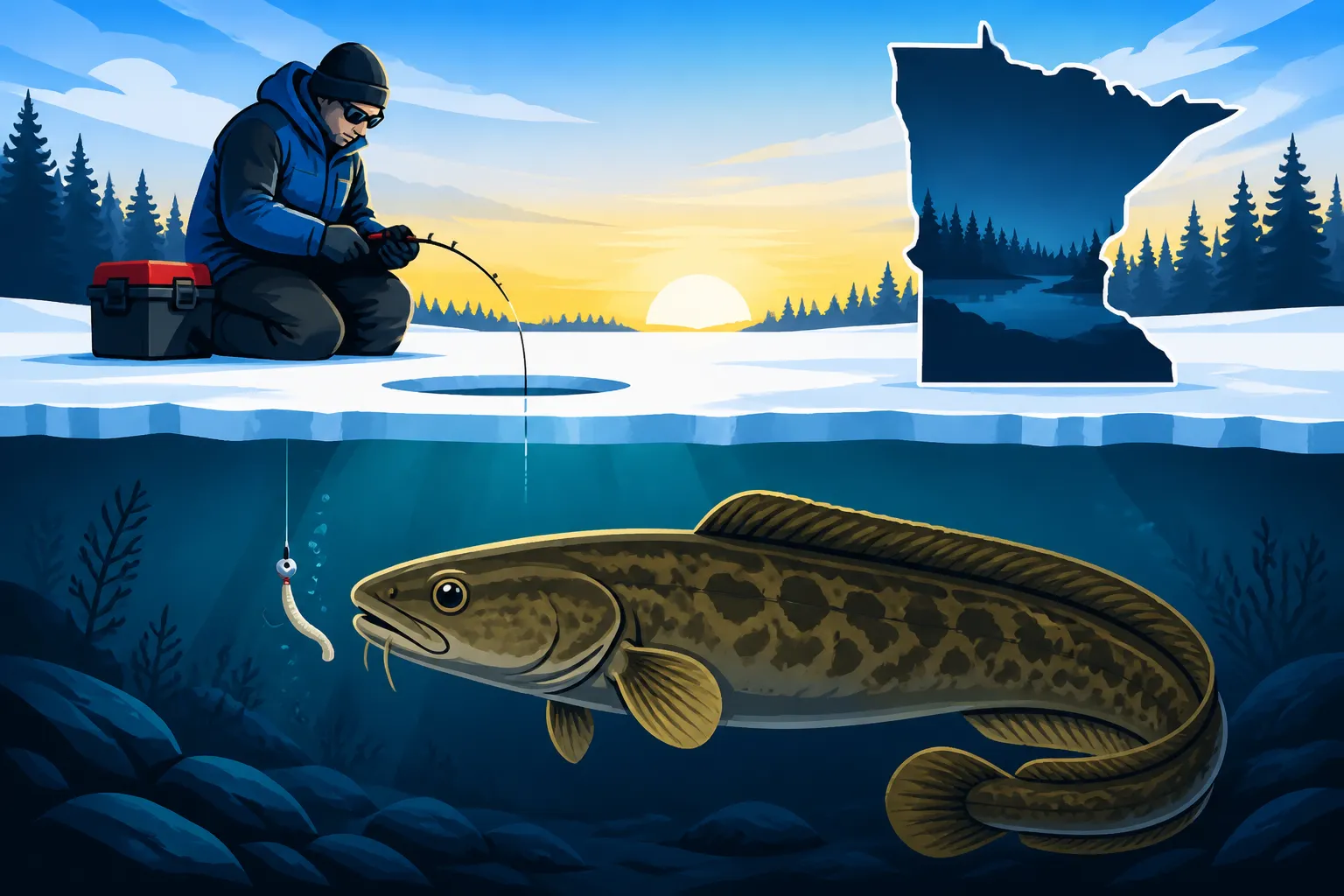
Let's be honest, burbot aren't winning any beauty contests. They've got that elongated, somewhat snake-like body, a single chin barbel, and a mottled, camouflaged skin that perfectly blends into the dark, murky depths they prefer. But don't let their looks fool you; these fish are a fascinating and fun species to target once you understand them. In Minnesota, they're often affectionately, or sometimes derisively, called "eelpout," and they are actually the only freshwater member of the cod family in North America. That cod connection should tell you something important about their culinary potential – think poor man's lobster!
The Burbot's Unique Winter Behavior
Unlike most fish that slow down and become lethargic in the frigid waters beneath the ice, burbot actually thrive in the cold. They are a cold-water species, preferring water temperatures below 50 degrees Fahrenheit, which means winter, especially late winter, is their prime time. This makes them an exciting target when other species might be less active. They're also unique in that they spawn under the ice, typically from late December through March, depending on the specific lake and conditions. This spawning activity makes them incredibly active and aggressive during the depths of winter. They congregate in specific areas, often in deeper water, making them predictable targets if you know where to look.
Where Burbot Live and How They Feed
Burbot are bottom-dwellers, pure and simple. They're typically found in deep, cold lakes, often favoring depths from 30 to over 100 feet, especially near structures like reefs, points, humps, or even mud flats that drop off into deeper basins. They are voracious predators, using their excellent low-light vision and highly developed sense of smell to hunt. Their diet consists primarily of other fish, like cisco, tullibee, minnows, perch, and even small walleye, along with crustaceans and insect larvae. Because they're primarily nocturnal feeders, the best time to target them through the ice is often from late afternoon well into the night. If you're an angler who loves the peace and quiet of night fishing on the ice, targeting burbot is right up your alley.
Some of Minnesota's prime burbot waters include Lake Superior (especially its deep bays), Lake of the Woods, Leech Lake, Upper Red Lake, Lake Vermilion, and many of the deep, clear lakes of northern Minnesota. However, they can be found in a surprising number of other lakes across the state with sufficient depth and cold water.
Essential Gear and Bait for Icy Eelpout Encounters
Targeting burbot through the ice requires a slightly different approach than, say, chasing panfish. You're dealing with a predatory fish that can grow quite large, so having the right gear is crucial to avoid snapped lines and lost fish. Think robust and scent-heavy!
Rods, Reels, and Line Selection
For burbot, you'll want a medium-heavy to heavy action ice rod, typically ranging from 30 to 42 inches in length. This gives you the backbone to handle their powerful runs and the leverage to bring them up from deep water. Pair this with a sturdy spinning reel in the 2500-4000 series size. You don't need anything overly fancy, but it should have a smooth drag system.
When it comes to line, braid is often the preferred choice for its strength, low stretch, and sensitivity in deep water. A 10-20 lb test braided line is a good starting point. You can then attach a fluorocarbon leader (10-15 lb test) of about 3-5 feet with a strong swivel. The fluorocarbon leader is less visible in the water and more abrasion-resistant against rough ice edges or burbot teeth, although their teeth aren't as sharp as a pike's. Many anglers find quality braided lines and fluorocarbon leaders readily available on Amazon, making it easy to gear up before your trip.
Lures and Baits That Call Them In
Burbot are highly attracted to scent and vibration. Your lures should capitalize on these two senses. Glow-in-the-dark options are especially effective, given their nocturnal habits and the low light penetration under ice.
- Jigging Spoons and Rattle Baits: These are your bread and butter. Heavy jigging spoons, like Northland Fishing Tackle's Buck-Shot Rattle Spoon or a classic Swedish Pimple, in sizes ranging from 1/2 to 1 ounce, work exceptionally well. The rattling sound mimics struggling prey and the flash attracts attention. Drop these to the bottom and jig them aggressively to create noise and commotion, then let them settle.
- Jigging Raps and Lipless Crankbaits: Larger Jigging Raps or similar glide baits, as well as lipless crankbaits like a Rapala Rippin' Rap, can also be very effective. Their erratic swimming action on the retrieve can trigger strikes.
- Bottom Bouncers with Baited Hooks: Sometimes, a simpler approach works. A heavy bottom bouncer (1-2 oz) with a snelled hook tipped with bait can be deadly, especially if you're fishing multiple lines (where regulations allow) or setting up a deadstick.
Now, for the absolute most crucial element: bait. Burbot are scent-driven scavengers and predators. Fresh, oily cut bait is king.
- Smelt: This is arguably the best burbot bait. Its strong scent trail in the water is irresistible. Cut whole smelt into chunks, or use smaller whole smelt if available.
- Cisco (Tullibee): Another excellent choice, often found in the same deep waters as burbot. Cut cisco into pieces to release their oils.
- Sucker Minnows: Large dead or live sucker minnows, either whole or cut, can also entice strikes. The scent is key.
- Perch Fillets: A strip of perch belly or fillet can also work in a pinch.
Always remember to use fresh bait. Many anglers bring a small cooler to keep their bait cold and fresh, as scent diminishes rapidly with decomposition.
Electronics and Shelter: Tools for Success
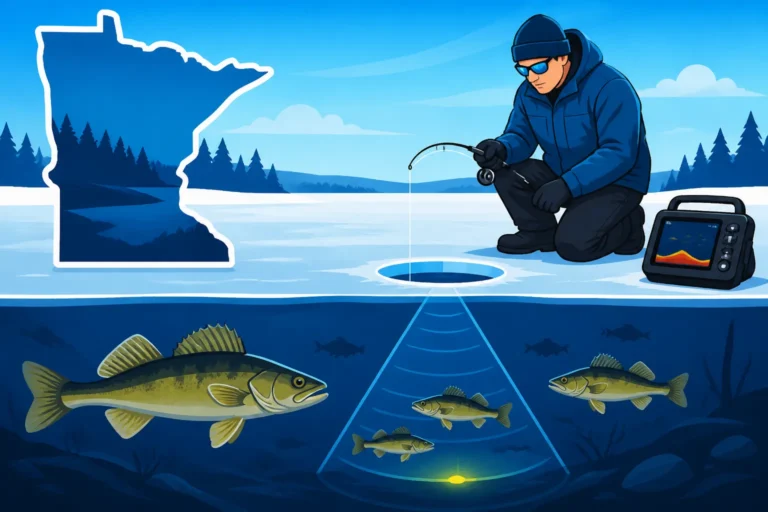
While not strictly required, a good flasher or even forward-facing sonar like a Garmin LiveScope or Humminbird Mega Live can dramatically increase your success rate. These electronics allow you to see your lure, the fish approaching, and how they react to your presentation. Burbot often come in curious, circling your bait before committing. Seeing this on your screen helps you adjust your jigging cadence. For a deep dive into using these tools, check out our guide on how to read a flasher.
Since burbot fishing is often a night-time affair, a comfortable ice shelter is highly recommended. Whether it's a portable flip-over or a stationary hub-style shelter, having protection from the wind and cold makes the experience far more enjoyable. A good heater, a comfortable chair, and some reliable lighting are also crucial. You'll find many quality ice fishing gear options, including portable shelters and heaters, by browsing Amazon.
Ice Fishing Techniques for Hooking Minnesota's Eelpout
You've got the gear, you've got the bait. Now, let's talk tactics. Burbot fishing is less about finesse and more about aggression, scent, and persistence.
Finding the Right Location and Depth
This is paramount. As mentioned, burbot prefer deep, cold water. Start by looking for deep basins, the edges of deep main-lake points, or humps that drop off into significant depth. Contour maps are your best friend here. If a lake has populations of lake trout, walleye, or cisco, these are often good indicators of burbot presence, as they share similar cold-water preferences and often coexist.
- Scouting: Before you even drill a hole, use a GPS-enabled map app (like Navionics or LakeMaster) to identify promising deep-water structures. Look for areas where the depth changes abruptly or where deep flats meet even deeper water.
- Drilling Patterns: Once you're on the ice, don't be afraid to drill a series of holes, especially as the sun begins to set. Start shallower (say, 30-40 feet) and work your way deeper, drilling holes every 20-30 yards along a contour line or drop-off.
- Depth Targets: While burbot can be found anywhere from 20 to 100+ feet, a common productive depth range is 40-70 feet. However, always check the specific lake's characteristics and local reports. Often, the deepest parts of a particular lake or bay can be excellent.
The Art of Aggressive Jigging and Scent Presentation
Once you've found a promising spot, it's time to get your bait down.
- Hit the Bottom: Burbot are bottom feeders. Get your lure all the way down until it hits the lakebed.
- Aggressive Jigging: This is where the "aggressive" part comes in. Jig your lure vigorously. Lift it a foot or two off the bottom and then let it crash back down, stirring up sediment. This creates both noise and a visual disturbance, mimicking a struggling baitfish or something rooting around in the muck. Repeat this for 10-20 seconds.
- The Pause and Scent Trail: After your aggressive jigging sequence, let your lure settle back to the bottom or just an inch or two above it. This is your "pause." This pause allows the scent from your cut bait to dissipate and create a strong trail in the water, drawing in curious burbot. This is often when they will strike.
- Regular Re-Baiting: Because scent is so crucial, check your bait frequently. If it looks washed out or loses its strong smell, replace it. You can also re-apply commercial scent attractants to your bait or lure for an extra edge.
Night Fishing is Key
Seriously, if you're not fishing at night, you're missing out on the best burbot action. As nocturnal predators, burbot activity dramatically increases after sunset. Their eyes are specially adapted for low-light conditions, giving them a significant advantage over prey. Plan your trips to start in the late afternoon, fish through dusk, and continue well into the evening or even after midnight. The peace and quiet of night fishing for burbot, often under a starry sky, can be incredibly rewarding.
Using Multiple Lines and Deadsticks
In Minnesota, you're generally allowed to fish with two lines during ice fishing season. This is a huge advantage for burbot.
- Jigging Hole: Actively jig one rod with a heavy spoon or rattle bait, tipped with a generous piece of cut bait.
- Deadstick Hole: Set up a second rod as a deadstick in a separate hole nearby. This rod should be rigged with a simple hook (size 1/0 to 3/0 octopus hook is great) and a weight (like an egg sinker or a heavy split shot) just above it, positioned a few inches off the bottom and heavily baited with smelt or cisco. A rattle wheel on your deadstick can be invaluable; the distinct rattling sound will alert you to a bite, even if you're focused on your jigging rod or distracted. Many times, the deadstick gets the biggest burbot! For more on multi-line fishing, check out our guide on how many lines can you fish in Minnesota.
Regulations, Handling, and Culinary Rewards
Before you head out, always make sure you're up to date on the latest Minnesota fishing regulations. The Minnesota DNR website is your go-to source.
Burbot Regulations in Minnesota
While burbot are generally not a heavily regulated species compared to walleye or bass, it's vital to know the rules.
- Statewide Regulations: Typically, burbot fall under general statewide regulations, meaning there's often no closed season and a generous possession limit. However, specific lakes or border waters (like Lake of the Woods or Lake Superior) might have their own unique rules. Always consult the current Minnesota Fishing Seasons & Opener Dates and Minnesota Fishing Limits: Bag & Possession (2026) for the most accurate information.
- Dark House Spearing: It's worth noting that burbot are also a legal species for dark house spearing in Minnesota, so if you're interested in that technique, be sure to look up the specific rules for dark house spearing in Minnesota.
Handling Your Catch
Burbot can be a bit slimy and wiggly, making them challenging to handle for some. They have a coating of slime that protects their skin, similar to an eel or catfish.
- Gloves: Consider wearing gloves, especially if you're not keen on the slime.
- Gentle Approach: If you plan to release them, handle them gently. Their skin is delicate. Try to avoid putting them directly on the ice for too long in extreme cold, as this can cause frostbite.
- Eelpout Release: While many anglers keep burbot for their excellent table fare, if you do release them, minimize their time out of water. They're a hardy fish, but proper care helps ensure their survival.
The "Poor Man's Lobster" Culinary Experience
Here's the secret that will change your mind about burbot: their meat is firm, white, flaky, and has a mild, sweet flavor, very similar to Atlantic cod or lobster. This is why they're often called "poor man's lobster."
- Cleaning: The easiest way to clean a burbot is to skin it. You can do this by making a cut around the head, then using pliers to peel the skin off from head to tail. Then, simply fillet the meat off the backbone.
- Cooking: The most popular preparation is to cut the fillets into chunks and boil or steam them, then serve with melted butter. It's truly uncanny how much it tastes like lobster. They also fry, bake, or grill exceptionally well. Don't knock it 'til you try it!
Table: Popular Burbot Lures and Baits
| Lure/Bait Type | Best Use | Pros | Cons |
|---|---|---|---|
| Jigging Spoons | Active jigging, calling fish | Creates flash & vibration, good for scent-tipping | Can snag on bottom easily if not careful |
| Rattle Baits | Aggressive jigging, deep water | Loud rattles attract from a distance, highly visible | May not hold scent as well as natural bait on a hook |
| Jigging Raps | Erratic action, curious fish | Mimics struggling baitfish, good for varying retrieve | Requires active presentation, not ideal for deadsticking |
| Cut Smelt | Deadstick, lure tipping | Strong, irresistible scent, very oily, natural food item | Can be messy, needs frequent replacement for max scent |
| Cut Cisco/Tullibee | Deadstick, lure tipping | Similar to smelt, strong scent profile | May be harder to source fresh for some anglers |
| Live Sucker Minnow | Deadstick, visual attraction | Strong visual appeal, some scent | Less scent than cut bait, not always legal on all lakes |
Don't let the burbot's appearance deter you. They are a genuinely exciting and rewarding fish to target through the ice, offering great action and a fantastic meal. So, next time you're planning an ice fishing trip in Minnesota, consider dedicating some time to chasing these deep-water denizens. You might just find your new favorite winter quarry!
Disclaimer
Fishing regulations, seasons, and limits can change. Always consult the current Minnesota Department of Natural Resources (DNR) fishing regulations handbook or their official website before heading out on the water. This guide is for informational purposes only.