Best Gear for Ice Fishing Lake Trout in Minnesota
The thought of chasing elusive lake trout through a hole in the ice in Minnesota can be both exhilarating and daunting. These powerful, deep-dwelling fish require a different approach and a specific set of gear compared to your average panfish or even walleye. If you've ever felt undergunned staring down into hundreds of feet of water, wondering if your tackle can handle the fight, you're not alone. This guide will walk you through the absolute best gear to equip yourself with to successfully target and land these magnificent cold-water predators through the ice.
Understanding Lake Trout and Their Icy Habitat
Before we even dive into the gear, it's crucial to understand the beast you're after. Lake trout are built for cold, deep water, and their winter habits dictate the strategies and tools you'll need.
Where Lake Trout Hide in Winter
Unlike many other species that might shallow up under the ice, lake trout often remain in their preferred deep-water haunts throughout the winter. We're talking about depths ranging from 40 feet all the way down to 150 feet or more, especially in Minnesota's larger, deeper lakes like Lake Superior, Lake Vermilion, or some of the Boundary Waters Canoe Area Wilderness (BWCA) lakes. They gravitate towards areas with steep drop-offs, underwater points, humps, and intricate rock structures. These features provide them with ambush points and access to deeper, cooler water, which is their comfort zone.
Think about scouting your spot even before the ice sets in, if possible, or rely heavily on detailed lake maps. Finding those sharp breaks and rocky bottom transitions is key. They'll cruise these deeper contours, often suspending over them, looking for schools of ciscoes (tullibee), smelt, or even smaller perch and whitefish. Knowing their preferred structure will help you determine where to drill your holes and how to present your bait effectively. Remember, lake trout are constantly on the move, so being able to pinpoint these structural elements accurately is half the battle.
Lake Trout Behavior and Feeding Habits on Ice
Lake trout, especially the larger ones, are apex predators, and they bring that aggressive nature with them under the ice. While they might not be as active as during open water seasons, they still need to feed, and they'll often strike out of pure instinct or territorial defense. They can be found cruising at various depths, from near the bottom to suspended high in the water column, sometimes even just below the ice in low light conditions. This means your electronics will be invaluable for locating them.
Their feeding windows can be short but intense. Early morning, late afternoon, and even into the night can be productive, especially on clear, high-pressure days. They're opportunistic feeders, and their primary diet in many Minnesota lakes consists of ciscoes, which are often schooling baitfish. This knowledge heavily influences lure selection – you want something that mimics these prey species both in profile and action. Be prepared for a powerful fight; these fish are known for long, drag-screaming runs, particularly when they feel the pressure of being hooked in deep water. You'll need gear that can handle the stress.
Essential Rods, Reels, and Line for Icy Depths
When you’re targeting lake trout through the ice, you absolutely cannot skimp on your tackle. These aren't dainty panfish. They are strong, often large fish that demand robust equipment.
Heavy-Duty Ice Rods for Lake Trout
Your ice rod for lake trout needs to be a workhorse. Forget those ultralight setups you use for bluegills. We're talking about rods with serious backbone and a bit more length than typical ice rods. A medium-heavy to heavy power rod, usually between 36 to 48 inches long, is ideal. The increased length provides better leverage for fighting large fish and helps absorb those powerful headshakes at the hole.
Look for a fast or extra-fast action tip that transitions quickly into a stiff blank. This allows for excellent sensitivity to detect subtle bites in deep water, but more importantly, it gives you the power to set the hook firmly into a lake trout's tough mouth and then winch them up from the depths. Brands like St. Croix (with their "Trout Series" or heavier "Custom Ice" rods) or even heavier-duty Fenwick HMG Ice Rods offer excellent options specifically designed for this kind of rigorous fishing. A good quality cork handle will also provide a comfortable and warm grip during long hours in the cold. You can find a fantastic selection of these at reputable retailers like Bass Pro Shops.
Robust Reels for Powerful Runs
The reel you pair with your heavy-duty rod is just as critical. Lake trout are notorious for their blistering runs, and your reel needs to have a smooth, reliable drag system and ample line capacity.
- Spinning Reels: For most ice anglers, a high-quality spinning reel in the 2500-4000 series is the go-to. Ensure it has a strong, consistent drag that won't hesitate or stick under pressure. A good retrieve ratio (around 5.2:1 to 6.2:1) is also beneficial for quickly taking up slack line or fighting a surging fish. Look for reels with a high number of ball bearings for smooth operation, even in freezing temperatures. The Penn Battle III or the Shimano Sedona are popular choices that offer durability and performance without breaking the bank.
- Baitcasting Reels: Some anglers, particularly those vertical jigging very heavy baits or seeking maximum power and control, prefer low-profile baitcasting reels. These offer more direct contact with the line and excellent cranking power. If you go this route, choose a model with a robust frame, a smooth star drag, and a high-quality gear system. The Abu Garcia Revo series or Daiwa Tatula are solid contenders.
Regardless of whether you choose spinning or baitcasting, make sure your reel is cold-weather rated and has been well-maintained. Frozen gears or a sticky drag can spell disaster when you hook into a trophy laker.
Strong and Abrasion-Resistant Fishing Line
Line choice is paramount when deep-water ice fishing for lake trout. You need something strong, sensitive, and resistant to abrasion from sharp ice edges or underwater structure.
- Braided Mainline: Most seasoned lake trout anglers opt for braided line as their main line. It has virtually no stretch, offering incredible sensitivity for detecting light bites at extreme depths and powerful hooksets. Its thinner diameter also cuts through the water better, reducing line bow. A 20-30 lb test braided line is a good starting point. Consider high-visibility braids like PowerPro or Sufix 832 that you can easily see on a flasher screen.
- Fluorocarbon Leader: Because braided line is highly visible, a fluorocarbon leader is almost always attached to the end. Fluorocarbon is nearly invisible underwater, extremely abrasion-resistant, and has a similar refractive index to water. A 10-20 lb test fluorocarbon leader, 3-6 feet in length, is standard. This provides a stealthy presentation and a critical buffer against rocky bottoms and the fish's sharp teeth. Tie your braid to fluorocarbon with a strong knot like an FG knot, Alberto knot, or a double uni-knot.
- Monofilament (Alternative/Spooler): While less common for the main line due to stretch, some prefer heavy monofilament (e.g., 12-17 lb test) if they are using lighter baits or fishing shallower. However, for true deep-water lake trout, braid with a fluorocarbon leader is the dominant and most effective choice.
Always check your line for nicks and fraying, especially the leader, after each fish or if you've been jigging near rocky bottoms.
Lures and Baits That Entice Deepwater Lakers
Lake trout are predators, and your lure selection should reflect their aggressive nature and their diet of baitfish. The goal is to imitate what they're already eating or to trigger a reaction strike.
Jigging Lures for Aggressive Bites
Jigging is arguably the most popular and effective method for targeting ice-bound lake trout. You need lures that can sink quickly, have a vibrant action, and can be seen on your electronics.
- Heavy Jigging Spoons: These are a classic for a reason. Spoons like the Johnson Silver Minnow, Northland Forage Minnow, or heavier Dardevle Spoons in 1/2 oz to 1.5 oz sizes are deadly. Their flash and flutter on the drop mimic a wounded baitfish. Experiment with silver, gold, white, or glow patterns. Tip them with a small piece of minnow head or a gulp minnow for added scent and attraction.
- Tube Jigs: White, pearl, and chartreuse tube jigs (2-4 inches) rigged on heavy jig heads (1/2 oz to 1 oz) are phenomenal lake trout producers. The soft plastic undulates enticingly on the fall and when jigged, resembling a fleeing cisco or sculpin. The Berkley PowerBait Tube or the Bass Pro Shops XPS brand offer durable options. Aggressively snap them up, then let them fall on a semi-slack line for the most realistic action.
- Blade Baits: Vibrating blade baits like the Sebile Vibe Blade or the Rapala Rippin' Rap can be extremely effective, especially when fish are suspended. Their strong vibration and erratic action can call in fish from a distance. Use a quick rip and pause retrieve to maximize their appeal.
- Soft Plastic Swimbaits: Pairing a realistic 3-5 inch swimbait (like a Keitech Swing Impact FAT or a Storm Wildeye Swim Shad) with a heavy jig head (3/4 oz to 1.5 oz) creates a profile that perfectly mimics baitfish. These are particularly good when lake trout are targeting larger prey.
The key to jigging is the cadence – experiment with short, sharp snaps, long lifts, subtle quivers, and dead sticks until you find what the fish prefer on that particular day. Watch your electronics closely for any interest.
Deadsticking and Tip-Up Setups
While active jigging is often the primary method, deploying a deadstick rod or a couple of tip-ups can significantly increase your chances, especially for less aggressive fish or when trying to cover more area.
- Deadstick Rods: A deadstick is simply a second rod set up with a bait and left relatively still in a separate hole. Use a medium-heavy rod with a sensitive tip, paired with a spinning reel. Rig it with a large live minnow (sucker minnows or ciscoes are prime lake trout candy) on a plain hook (e.g., a size 1 or 1/0 circle hook or octopus hook) or a small jig head, suspended at a depth where you're marking fish or near the bottom. A slip bobber can indicate bites, or you can use a sensitive rod holder with a flag.
- Tip-Ups: Tip-ups allow you to fish multiple holes and present larger live baits more effectively. They're excellent for covering expansive areas. Use heavy tip-ups designed for large game fish. Spool them with at least 50 yards of heavy braided tip-up line (50-80 lb test) and attach a fluorocarbon leader (20-30 lb test, 3-6 feet long). Rig with a large shiner, sucker, or cisco using a quick-strike rig (two treble hooks) or a single large treble/circle hook. Set the bait at various depths until you find the fish. Popular tip-up brands include Clam and Beaver Dam. Be sure to check your local Minnesota Fishing Limits: Bag & Possession for how many lines you can legally fish, including tip-ups.
When using live bait, always make sure it's fresh and lively. The movement and scent are huge attractors for lake trout.
Essential Terminal Tackle
Don't overlook the small stuff. The right terminal tackle ensures your lures are presented correctly and that you don't lose fish due to equipment failure.
- Swivels: Heavy-duty barrel swivels or ball bearing swivels (size 4-7) are essential to prevent line twist, especially when using spoons or if a lake trout spins during the fight.
- Leaders: As mentioned, fluorocarbon leaders are critical. Carry a variety of pound tests (10-30 lb) to match conditions and lure sizes.
- Hooks: Ensure your hooks are sharp and strong enough to handle a powerful fish. Replace dull or bent hooks immediately. Carry extra jig heads for tube jigs and swimbaits in various weights.
- Split Rings: Check the split rings on your lures. Many factory-installed split rings are too light for big lake trout. Upgrade to heavy-duty stainless steel split rings if necessary.
- Pliers/Forceps: Essential for removing hooks, especially from toothy fish, and for cutting line.
- Leader Material: Always have extra spools of fluorocarbon leader material on hand. It's cheap insurance.
Navigational and Fish-Finding Electronics for Success
Chasing lake trout under the ice without electronics is like looking for a needle in a haystack blindfolded. These tools are indispensable for locating fish, understanding structure, and presenting your bait effectively.
Flashers and Sonar for Deep Water
In deep water, a quality flasher or sonar unit isn't just a luxury; it's a necessity. It shows you exactly what's beneath your hole in real-time, displaying your lure, baitfish, and most importantly, the lake trout.
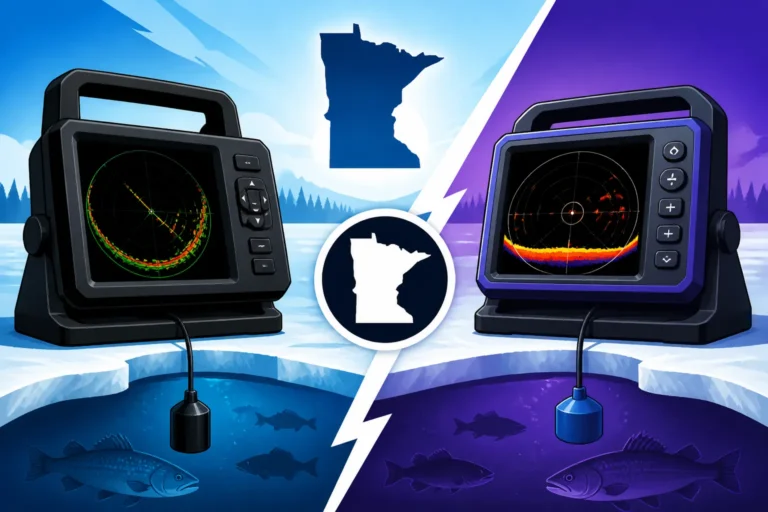
- Flashers (Vexilar, MarCum): Traditional ice fishing flashers are incredibly popular for lake trout. They provide a continuous, real-time display of what's happening below. The Vexilar FLX-28 or a MarCum LX-7 are top-tier choices. Their powerful transducers can penetrate deep water, and the colorful display clearly distinguishes your lure from fish, even when they're tightly schooled or moving quickly. You can see how fish react to your presentation, allowing you to adjust your jigging cadence instantly.
- Traditional Sonar/Graph Units (Humminbird, Garmin): Many anglers are now bringing their open-water graph units onto the ice, equipped with ice transducers. Models like the Humminbird Ice Helix series or Garmin Striker units offer detailed 2D sonar, GPS mapping, and even CHIRP technology for incredible target separation. These units can scroll through history, allowing you to see recent fish movements you might have missed on a flasher. The larger screen makes it easier to interpret the data, especially when fishing very deep.
- Forward-Facing Sonar (Garmin LiveScope, Humminbird Mega Live): While a significant investment, forward-facing sonar is revolutionizing ice fishing. It allows you to see fish outside of your hole in real-time, up to 100 feet away, and even watch how they react to your lure before they commit. For actively chasing lake trout that are constantly on the move, this technology provides an unparalleled advantage, though it typically requires a larger power source and careful setup.
Regardless of your choice, spend time learning your unit. Understanding how to adjust gain, zoom, and target separation will make a huge difference in your success.
GPS and Mapping for Spot On
Finding structure in a vast, featureless expanse of ice is incredibly difficult without reliable navigation. This is where GPS and detailed lake maps come into play.
- GPS Units: Many sonar/flasher units come with built-in GPS, but a dedicated handheld GPS unit can also be invaluable as a backup or primary navigation device. This allows you to mark waypoints, track your movements, and navigate safely back to shore.
- Detailed Lake Maps: Digital lake maps (like those from LakeMaster or Navionics) loaded onto your graph or a dedicated mapping app (like Fishbrain) on your smartphone are critical. These maps show contour lines, drop-offs, humps, and other underwater features that lake trout relate to. They allow you to pinpoint potential holding areas before you even drill a hole, saving you time and effort. Many units will even show you exactly where you are on the map in relation to these features. If you're planning a trip to Leech Lake or Lake Vermilion, these detailed maps will be your best friend for finding those deep walleye and lake trout haunts.
Pre-fishing planning is crucial. Use your maps to identify promising spots – deep points, main lake humps, or sharp breaks into the abyss. Mark these as waypoints, and then use your GPS to navigate directly to them once you're on the ice. This precision dramatically increases your chances of finding fish.
Comfort, Safety, and Other Must-Have Ice Fishing Gear
Beyond the rods and reels, a successful and enjoyable lake trout ice fishing trip in Minnesota requires attention to comfort, convenience, and, most importantly, safety.
Reliable Ice Augers for Thick Ice
Lake trout often inhabit lakes known for developing extremely thick ice, especially after prolonged cold snaps. A powerful and efficient ice auger is non-negotiable.
- Electric Augers: These have become incredibly popular, and for good reason. Brands like the Ion G2 or StrikeMaster Lithium 40V are quiet, odorless, and incredibly efficient. They drill through thick ice with ease and are perfect for quickly drilling multiple holes when chasing active lake trout. Battery life has improved dramatically, allowing for many holes on a single charge.
- Propane Augers: Offer reliable power, run cleaner than gasoline, and start easily in cold weather. The StrikeMaster Lite-Flite Lazer Drill Unit (paired with a powerhead) or the Jiffy Pro4 are popular choices. They're a good middle ground between electric and gas in terms of power and convenience.
- Gas Augers: While a bit louder and heavier, gas augers like the Eskimo Mako still offer raw power for those who prefer traditional combustion engines. They are reliable for extreme cold and very thick ice.
- Auger Size: For lake trout, you'll want at least an 8-inch auger, preferably a 10-inch. This larger hole size makes it much easier to land a big lake trout, especially if it makes a late-game surge at the hole. Nothing is more frustrating than losing a trophy because your hole was too small.
Always keep your auger blades sharp. Dull blades make for miserable drilling and waste precious fishing time.
Shelters and Heating for Harsh Conditions
Minnesota winters can be brutal, and being comfortable on the ice is key to staying out long enough to catch fish.
- Portable Flip-Over Shelters: Brands like Clam and Otter make excellent flip-over shelters that attach to a sled, allowing for easy mobility when chasing lake trout. They are quick to set up and tear down, offer protection from wind and snow, and are surprisingly warm when paired with a heater. The Clam Legend XL or Otter XTH Lodge are excellent options that provide ample space for gear and a partner.
- Hub-Style Shelters: For larger groups or those who prefer more standing room, hub shelters like the Eskimo FatFish offer considerable interior space. They take a bit longer to set up but provide a comfortable base camp.
- Heaters: A portable propane heater like a Mr. Heater Buddy or Big Buddy is essential for staying warm. Always ensure proper ventilation to prevent carbon monoxide buildup. These heaters make even the coldest days enjoyable, allowing you to focus on fishing rather than shivering.
Good lighting, whether battery-powered LED strips or headlamps, is also important for early mornings, late evenings, or fishing inside a dark shelter.
Safety Gear and Cold-Weather Apparel
Safety should always be your top priority on the ice, especially when venturing out onto larger, deeper lakes where conditions can change rapidly.
- Flotation Suit: A quality flotation suit, like those from Striker Ice or Clam, is arguably the most important piece of safety gear. It provides warmth and, critically, buoyancy in case you break through the ice. It’s an investment that could save your life.
- Ice Picks: Always wear ice picks around your neck. If you do go through, they can provide the grip needed to pull yourself out onto the ice.
- Spud Bar or Ice Chisel: Especially early or late season, a spud bar is vital for checking ice thickness as you walk. Pound it aggressively ahead of you to ensure safe ice.
- Footwear: Insulated, waterproof boots (like Baffin or Muck Boots) are a must to keep your feet warm and dry.
- Layered Clothing: Dress in layers with moisture-wicking base layers, insulating mid-layers (fleece or down), and a waterproof/windproof outer shell. This allows you to adjust to changing temperatures and activity levels. Don't forget a warm hat, gloves, or mittens.
- First-Aid Kit: A basic first-aid kit for minor cuts, scrapes, or frostbite prevention.
Being prepared for the conditions and potential emergencies means you can focus on the fishing, which is what we all want!
Here’s a quick overview of essential gear for ice fishing lake trout:
| Gear Category | Key Considerations | Example Brands/Types |
|---|---|---|
| Rods | 36-48 inches, Medium-Heavy to Heavy Power, Fast/Extra-Fast Action | St. Croix, Fenwick, Tungsten Marine |
| Reels | 2500-4000 series Spinning (or heavy Baitcasting), Smooth/Strong Drag, Ample Line Capacity | Penn Battle, Shimano Sedona, Abu Garcia Revo |
| Line | 20-30 lb Braided Mainline, 10-20 lb Fluorocarbon Leader (3-6 ft) | PowerPro, Sufix 832 (Braid); Seaguar InvizX, Berkley Vanish (Fluoro) |
| Jigging Lures | 1/2 oz – 1.5 oz Spoons, 2-4 inch Tube Jigs (heavy head), Blade Baits, Swimbaits | Johnson Silver Minnow, Dardevle, Berkley PowerBait Tubes, Rapala Rippin' Rap, Keitech Swing Impact FAT |
| Baits | Large Live Minnows (Suckers, Ciscoes), Minnow Heads, Gulp Minnows | (Local Bait Shops), Berkley Gulp! |
| Terminal Tackle | Strong Barrel Swivels, Circle/Octopus Hooks (1/0 to 2/0), Heavy Split Rings | VMC, Gamakatsu |
| Electronics | Flasher (deep water capable) or Graph Sonar, GPS w/ detailed Lake Maps | Vexilar FLX-28, MarCum LX-7, Humminbird Ice Helix, Garmin Striker/LiveScope, Navionics, LakeMaster |
| Auger | 8-10 inch hole, Electric or Propane | Ion G2, StrikeMaster Lithium 40V, Jiffy Pro4, Eskimo |
| Shelter/Heat | Portable Flip-Over or Hub Shelter, Propane Heater | Clam, Otter, Eskimo, Mr. Heater |
| Safety/Apparel | Flotation Suit, Ice Picks, Spud Bar, Insulated Boots, Layered Clothing | Striker Ice, Clam, Baffin, Muck Boots |
Equipping yourself with the right gear is a fantastic start, but remember that understanding the species and the environment is just as critical. Many anglers find success learning "How to Catch Lake Trout Through the Ice in Minnesota", combining the right gear with smart tactics. You'll find a wide variety of these items available at stores like Bass Pro Shops or through online retailers like Amazon, making it easy to get ready for your next adventure. If you're planning an extended trip, especially to more remote areas, consider checking out guides on the best ice fishing resorts in Minnesota that often have gear available for rent or purchase.
Navigating the Challenges of Deep-Water Fishing
Ice fishing for lake trout is often a deep-water game, and this comes with its own set of unique challenges that your gear needs to help you overcome. The sheer depth means your line is exposed to more water current, potential snags, and a long fight with a powerful fish.
Managing Line Twist and Abrasion in Deep Water
One of the biggest frustrations in deep-water ice fishing is line twist, which can lead to tangles, weak points, and missed bites. Heavy spoons and aggressive jigging actions can exacerbate this. Using high-quality barrel or ball-bearing swivels between your main line and leader is crucial. Check your line regularly, especially the fluorocarbon leader, for any nicks or fraying. Lake trout often hug rocky bottoms, and constant contact can quickly abrade your line, leading to break-offs. A simple habit of running your fingers along the leader every few fish or after a significant snag will help you identify weak spots before it's too late.
Furthermore, the edges of your drilled hole can be surprisingly sharp, especially on thinner ice. If a large lake trout surges at the hole, the line rubbing against the ice edge can quickly cut it. Some anglers use a plastic "hole sleeve" or "hole tamer" to smooth out the edge, offering a slight advantage in protecting your line during a chaotic fight. Remember to always bring a few extra spools of your chosen line; it's always better to be overprepared.
Battling Powerful Fish from Extreme Depths
Hooking into a 10-pound-plus lake trout in 100 feet of water is a thrill, but it’s also a serious test of your gear and your technique. These fish will make powerful runs, often trying to peel line off your reel and head straight back to the bottom. Your reel’s drag system needs to be perfectly set – tight enough to maintain control, but loose enough to let the fish take line when necessary to prevent break-offs.
Pumping and reeling is the name of the game: lift the rod to gain line, then quickly drop the tip while reeling down to recover slack. Maintain constant pressure. If the fish starts to surge, let it run against the drag rather than trying to horse it. Your longer, heavier ice rod will act as a shock absorber, helping to tire the fish and prevent the hook from tearing out of its mouth. Be patient. Fighting a big laker from the depths can take several minutes, and a momentary lapse in concentration can easily cost you the fish. Practicing your drag settings and fighting techniques on smaller fish can build confidence for when that trophy finally bites.
Final Thoughts for Your Lake Trout Quest
Venturing out onto Minnesota's frozen lakes in pursuit of lake trout is an adventure that combines stunning scenery with the challenge of a formidable opponent. Having the right gear, from a stout rod and reel combo to reliable electronics and crucial safety items, will not only increase your success but also ensure a safer and more enjoyable experience.
Remember that while top-tier gear certainly helps, it's the combination of knowledge, patience, and persistence that truly makes a successful angler. Always stay informed about the latest Minnesota Fishing Seasons & Opener Dates and specific regulations for the lake you plan to fish, as rules can change. For example, some of the specific regulations for fishing Mille Lacs Lake Walleye or Lake Vermilion might be different from general state regulations. Checking the DNR website or a current regulations PDF before you go is always a smart move.
Disclaimer
Fishing regulations and conditions can change rapidly. Always consult the most current Minnesota Department of Natural Resources (DNR) regulations before heading out on the ice. Ice conditions are never 100% safe; always check ice thickness and be aware of potential hazards. This guide is for informational purposes only and does not substitute for personal judgment or professional safety advice.