Best Gear for Ice Fishing Walleye in Minnesota
There’s nothing quite like the thrill of chasing walleyes through a hole in the ice, but let's be honest, it can also be incredibly frustrating when your gear isn't up to snuff, or you're just not sure what you really need. From battling frozen augers to shivering in a flimsy shelter, subpar equipment can quickly turn a potential trophy day into a miserable experience. This guide is all about equipping you with the best gear to overcome those challenges and significantly boost your success rate for ice fishing walleye here in Minnesota, ensuring you're warm, safe, and ready to hook that next big bite.
The Essential Foundation: Basic Gear for Every Ice Angler
Before we even get to the specialized walleye tactics, there’s a bedrock of essential gear that every ice angler needs, especially when braving Minnesota’s often brutal winter conditions. Think of these as your survival and comfort kit – without them, your pursuit of walleye will be short-lived and uncomfortable.
Reliable Ice Augers: Getting Through the Ice
Punching holes in thick Minnesota ice is often the first hurdle, and having a reliable auger can make or break your day. Nobody wants to spend precious fishing time wrestling with a stubborn engine or an arm-wrenching hand auger when the walleyes are biting.
There's a constant debate in the ice fishing community: electric versus propane/gas. Electric augers, like the StrikeMaster Lithium 40V or ION, have really gained popularity in recent years. They're lighter, quieter, and you don't have to deal with mixing fuel or cold starts. Just press a button, and you're drilling. This is a huge advantage when you're moving around frequently, trying to locate active walleye schools. However, battery life is a consideration, especially on really cold days or when drilling many holes through thick ice. Keeping a spare battery warm in your pocket is a common trick. On the other hand, propane and gas augers, like those from Eskimo or StrikeMaster, offer raw power and endurance. They can drill seemingly endless holes, which is great for setting up a permanent shack or when you know you'll be drilling for hours. The trade-off is the noise, fumes, and heavier weight. For most walleye anglers who are drilling multiple holes to stay on fish, a good electric auger often strikes the perfect balance between power and convenience. You can dive deeper into the pros and cons in our guide on the "Best Ice Augers for Minnesota: Electric vs Gas".
Sturdy Shelters: Your Portable Warm Haven
Once you’ve got your holes drilled, a good shelter becomes your sanctuary from the biting wind and frigid temperatures. Walleye fishing often means sitting for extended periods, and staying warm is paramount for comfort and safety.
Ice shelters primarily come in two types: flip-overs and hub shelters. Flip-over shelters, often seen from brands like Clam and Otter, are incredibly convenient for the mobile walleye angler. They're essentially a sled with a tent that flips over, allowing for quick setup and takedown. You can store all your gear inside the sled, pull it across the ice, and be fishing in minutes. This mobility is crucial for chasing walleye, which often roam. Hub shelters, like those from Eskimo or Clam, offer more interior space for their footprint, making them ideal for groups or when you want more room to spread out. They set up like a pop-up tent but take a bit longer than a flip-over. However, they're typically lighter to transport without the sled. When choosing, consider how many people you typically fish with and how often you plan to move. For a solo or duo walleye mission, a one or two-person flip-over like the Clam Nanook or an Otter XTH Cabin can be a game-changer. For more on this, check out our comparison on "Best Ice Shelters: Clam vs Otter (Flip vs Hub)". Many anglers prefer to browse their options at retailers like Bass Pro Shops, where they can physically check out the different sizes and features.
Layers and Safety Gear: Staying Warm and Safe
Minnesota winters are no joke, and frostbite or even hypothermia can set in quickly if you're not properly dressed. Beyond that, safety on the ice is non-negotiable.
Layering for Warmth: The key to staying warm is proper layering. Start with a moisture-wicking base layer (merino wool or synthetic, never cotton!) to keep sweat away from your skin. Add a fleece or insulated mid-layer for warmth, and top it off with a high-quality, waterproof, and windproof outer shell. Many dedicated ice fishing suits, like those from Striker Ice or IceArmor, are designed with built-in flotation for safety, ample pockets for gear, and reinforced knees for kneeling. Don't forget insulated boots (rated for -40°F or colder), warm gloves or mitts, and a good hat or balaclava. You can learn more about specialized clothing in our guide to "Best Ice Fishing Suits & Bibs (Float Suits)".
Essential Safety Gear:
- Ice Picks: These are small, sharp tools that hang around your neck. If you fall through, they provide grip on the ice to pull yourself out. Absolutely non-negotiable.
- Rope: A length of sturdy rope can be thrown to someone who has fallen through.
- Spud Bar or Ice Chisel: Especially early or late season, use this to test ice thickness as you move. A minimum of four inches of clear, new ice is generally considered safe for foot travel, but conditions vary wildly.
- Whistle: To attract attention if you're in distress.
- First-Aid Kit: For minor cuts, scrapes, or other emergencies.
Specialized Walleye Gear for Ice Fishing
Now that you're warm and safe, let's talk about the specific tools that will give you an edge when targeting walleyes through the ice. Walleye can be notoriously subtle biters, especially in cold water, so sensitive gear is key.
Rods and Reels for Walleye
The right rod and reel can mean the difference between feeling a faint "tick" and missing a walleye altogether.
Rod Selection: For walleyes, you generally want rods with a sensitive tip but enough backbone to handle a fighting fish.
- Light to Medium-Light Action: Perfect for smaller jigs and baits, often used for shallower walleye or when they're particularly finicky. A good spring bobber attachment can enhance sensitivity even further, showing those super subtle bites.
- Medium Action: This is your workhorse for jigging spoons and larger baits in deeper water. It offers a good blend of sensitivity and power.
- Rod Material: Graphite rods offer superior sensitivity, allowing you to detect even the lightest strikes. Fiberglass offers more durability but less feel. A composite rod can offer a good middle ground. Look for comfortable cork or EVA foam handles that remain warm in cold temperatures. Brands like St. Croix, Fenwick, and Clam offer excellent ice rods specifically designed for walleye. You can find many great options and read reviews on Amazon, making it easy to compare features and prices.
Reel Selection:
- Spinning Reels: These are by far the most popular choice for ice fishing walleyes. Look for smaller sizes (500-1000 series) that are lightweight and have a smooth drag system. A good drag is crucial for fighting larger fish on light line.
- Inline Reels: Gaining popularity, particularly for panfish, but also useful for walleye, inline reels eliminate line twist entirely. This can be a huge advantage when using small jigs and baits in deep water. They often have a very smooth, precise drag as well.
Matching your rod and reel is important for balance and comfortable fishing. Many anglers opt for dedicated "Best Ice Fishing Rods for Walleye & Panfish" to optimize their setup.
Line Selection for Cold Water Walleye
Your fishing line is the direct link to the fish, and in cold water, specific properties become critical.
- Fluorocarbon: This line is nearly invisible underwater, which can be a huge advantage for skittish walleyes in clear water. It also has very little stretch, offering excellent sensitivity. Many anglers use a fluorocarbon leader (4-8 lb test) in conjunction with braided main line.
- Braided Line: Incredibly strong for its diameter and has zero stretch, providing maximum sensitivity. However, braid can absorb water and freeze on your reel and through the guides, making it difficult to manage. To combat this, many anglers use a short fluorocarbon leader (often 4-6 feet) tied to their braided main line (6-10 lb test).
- Monofilament: While less sensitive and more visible than fluorocarbon, monofilament still has its place, particularly for deadsticking (leaving a baited line still) where its stretch can act as a shock absorber. It’s also generally less prone to freezing issues than braid.
The ideal setup for many walleye anglers is a braided main line with a fluorocarbon leader, offering strength, sensitivity, and stealth. Consider experimenting with different lines to see what works best for your specific conditions and preferences. We've got more in-depth advice on "Best Line for Ice Fishing (Walleye & Panfish)".
Baits and Lures That Attract Walleye
Walleyes are opportunistic feeders, but through the ice, certain presentations shine. It's often a game of finesse and matching the hatch.
Live Bait: This is often the undisputed champion for ice fishing walleyes.
- Minnows: Shiners, fatheads, and rosies are all fantastic choices. Rig them on a plain hook under a slip bobber or on a small jig. Their natural scent and movement are irresistible.
- Leeches: While more common in open water, leeches can still entice winter walleye, especially during warmer spells or in lakes where they are a common forage.
- Nightcrawlers: Less common for ice walleye, but sometimes effective when deadsticking or on particularly slow days.
Keeping live bait lively in frigid conditions requires a good insulated bait bucket or a portable aerator. You can get more details on "Best Live Bait for Walleye (Leeches, Minnows, Crawlers)".
Artificial Lures:
- Jigging Spoons: These are a staple for ice walleye. Brands like Northland Tackle's Forage Minnow, Rapala Jigging Rap, or Lindy Darter are incredibly effective. They mimic injured baitfish and can be jigged aggressively to call in fish or subtly to trigger bites. Varying your jigging cadence is key.
- Blade Baits: Lures like the Heddon Sonar or Rapala Snap Rap create a lot of vibration and flash, making them excellent search baits.
- Soft Plastics: Small soft plastic baits, often tipped with a minnow head or scent, can be deadly on a small jig. Paddle tails, grub tails, or even simple small plastic tubes can imitate various forage.
- Rattling Jigs: Jigs with built-in rattles can attract attention in stained water or when fish are less active.
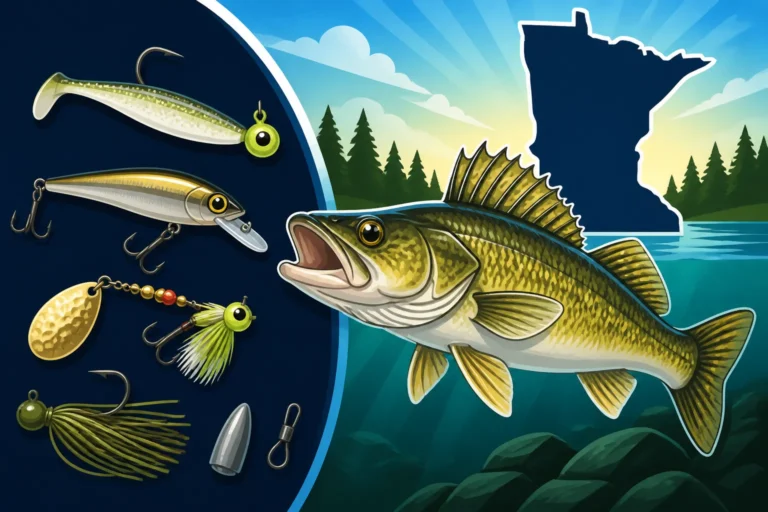
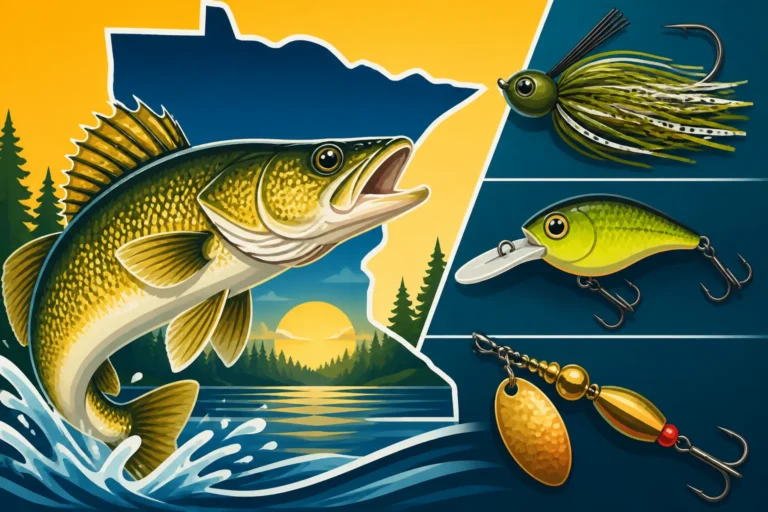
The key with artificial lures is experimentation. Walleye preferences can change daily, so having a variety of sizes, colors, and actions in your tackle box is essential. Many anglers keep a tackle box dedicated to "Best Walleye Lures: Jigs, Cranks & Spinners".
Electronics: Your Eyes Beneath the Ice
In the world of ice fishing, electronics are no longer a luxury; they're an absolute necessity, especially when chasing finicky walleyes. They allow you to "see" what's happening under the ice, understand fish behavior, and refine your presentation.
Flashers and Sonar: Real-Time Fish Finding
These devices are truly your secret weapon, allowing you to instantly locate fish, see your lure, and observe how fish react to it. This real-time feedback is invaluable.
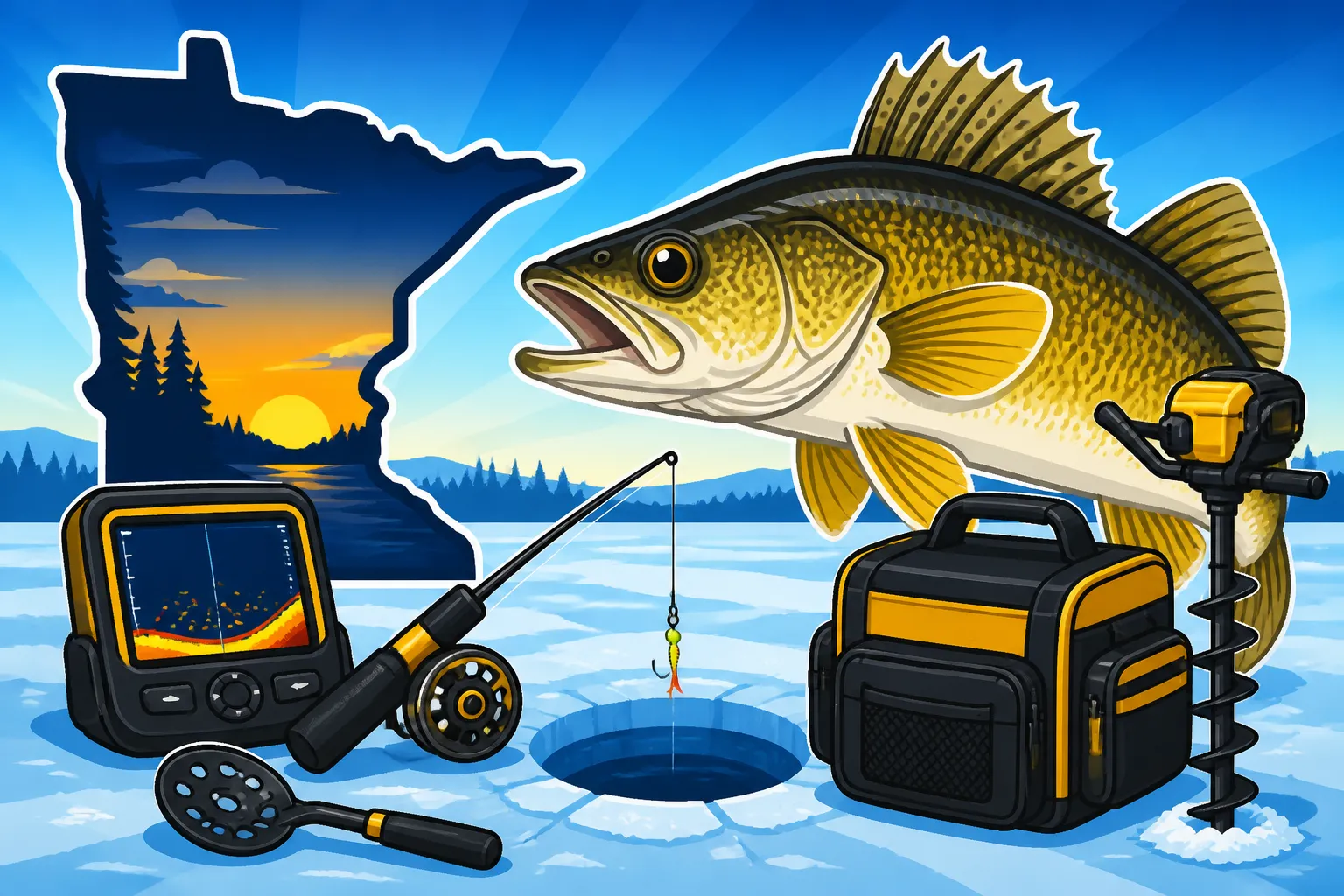
- Flashers: Traditional flashers like the Vexilar FLX-28 or Marcum VX-1 Pro are known for their rugged reliability and instantaneous display. They show the bottom, your lure, and any fish as colored bands, updating in real-time. This helps you present your bait directly to the fish and detect their subtle approach or strike. Many seasoned anglers swear by the simplicity and effectiveness of a flasher for ice fishing walleye.
- LCD Sonar Units: Brands like Humminbird with their ICE HELIX series offer a more detailed, graph-style display similar to open-water fish finders, but optimized for ice fishing. They often include GPS mapping, allowing you to mark hot spots and navigate confidently. Some models even offer CHIRP sonar for enhanced target separation.
- Forward-Facing Sonar: The cutting-edge technology, like Garmin LiveScope or Humminbird Mega Live, has also made its way to the ice. While a significant investment, these systems allow you to see fish moving horizontally around your hole, not just directly below. For aggressive walleye chasing, or covering a wider area from a single hole, this can be incredibly effective. However, it does require a bit of a learning curve to master.
Choosing the right unit depends on your budget and desired features. If you're serious about your walleye fishing, investing in a quality flasher or sonar unit from Bass Pro Shops or online platforms is a game-changer. For a detailed comparison, check out our guide on "Best Ice Fishing Flashers: Vexilar vs Humminbird vs Garmin".
Underwater Cameras: Seeing is Believing
While flashers and sonar tell you where the fish are, an underwater camera lets you see what they are and how they are reacting.
Brands like Aqua-Vu and MarCum offer excellent underwater camera systems specifically designed for ice fishing. Being able to visually confirm that a mark on your flasher is indeed a walleye, or to observe its behavior – whether it's aggressively chasing your lure or merely looking at it – provides incredible insight. This helps you adjust your presentation, jigging cadence, or even lure choice to trigger a bite. Cameras are also fantastic for identifying baitfish schools, bottom structure, and even different species. They are particularly effective in clear water lakes common in Minnesota's Northwoods.
While not as essential as a flasher for finding fish, a camera adds a whole new dimension to your ice fishing experience, turning guesswork into informed decisions.
Accessories and Comfort Items for a Successful Day
Beyond the core gear, a few accessories can significantly enhance your comfort, safety, and overall success on the ice, especially when dealing with long hours and harsh Minnesota elements.
Portable Heaters and Lighting
Staying warm in your shelter is key to an enjoyable and extended fishing trip.
- Portable Heaters: Propane heaters, like those from Mr. Heater (the "Buddy" series is very popular), are compact, efficient, and provide ample warmth for most ice shelters. Always ensure proper ventilation when using propane heaters to prevent carbon monoxide buildup. Some shelters come with integrated heating systems or ports for easy heater placement.
- Lighting: As the days get shorter and walleyes often become more active during low-light conditions and at night, good lighting in your shelter is crucial. Battery-powered LED lanterns, light bars, or even headlamps are indispensable. Look for lights with adjustable brightness and a long battery life. Being able to see your line, your tackle, and your surroundings is not just convenient; it's a safety measure. For night owls, knowing how to approach "Night Fishing for Walleye in Minnesota" can open up new opportunities.
Essential Tools and Storage
Having the right tools at hand and keeping your gear organized can prevent frustration and wasted time.
- Ice Skimmer: To keep your hole clear of slush and ice buildup. A heavy-duty metal one is usually better than plastic.
- Line Clippers/Pliers: For cutting line, removing hooks, and making quick adjustments. A good pair of multi-tool pliers is often a good investment.
- Rod Holders: When deadsticking or when you need to set your rod down, a secure rod holder prevents your rod from being pulled down the hole by a strong walleye. Many shelters have built-in rod holders, or you can use portable ones.
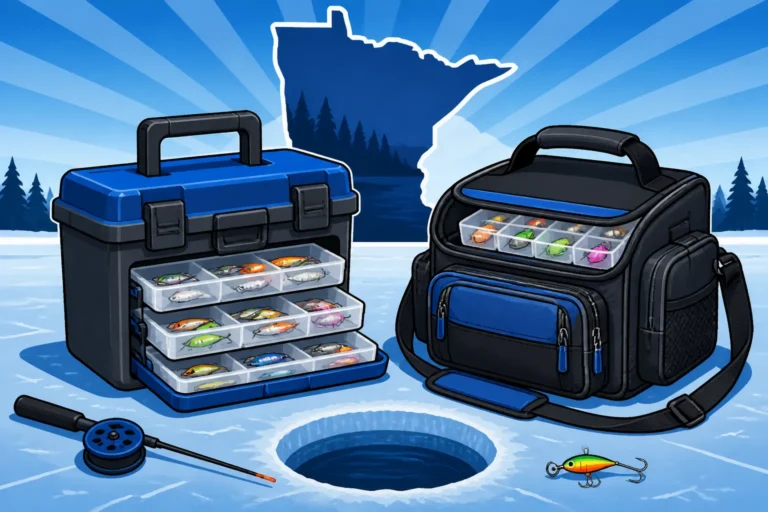
- Tackle Box/Bag: Keep your walleye specific jigs, spoons, and soft plastics organized and easily accessible. A soft-sided tackle bag is often preferred for ice fishing as it's lighter and more flexible than a hard-sided box.
- Sled or Portable Cart: For hauling all your gear across the ice. Whether it's a basic Otter sled or a more elaborate portable cart, it's essential for getting your shelter, auger, and all your accessories to your spot efficiently.
- GPS/Mapping Device: Whether it's a dedicated handheld unit, an app on your smartphone (like Navionics or LakeMaster), or integrated into your fish finder, GPS is crucial for navigating on featureless ice, especially in bad weather or after dark, and for marking productive fishing spots.
Having a well-organized setup means less fumbling in the cold and more time fishing. From checking out the latest fishing electronics to stocking up on lures, you’ll find a huge array of options whether you shop in person at Bass Pro Shops or online through retailers like Amazon.
| Gear Category | Key Considerations for Walleye Ice Fishing | Recommended Action/Feature |
|---|---|---|
| Ice Auger | Speed, weight, power, noise. Walleye anglers often move frequently. | Electric auger (e.g., StrikeMaster Lithium 40V) for mobility. |
| Ice Shelter | Portability, setup speed, warmth, space. | Flip-over style (e.g., Clam Nanook) for solo/duo mobility. |
| Rod | Sensitivity for light bites, backbone for fighting fish. | 28-32 inch, Medium-Light to Medium action graphite rod. |
| Reel | Smooth drag, cold-weather performance. | 500-1000 series spinning reel with a reliable drag. |
| Fishing Line | Visibility, stretch, freezing resistance, strength. | Braided main line (6-10lb) with fluorocarbon leader (4-8lb). |
| Baits/Lures | Attractiveness, mimicry of forage, versatility. | Live minnows; jigging spoons (Rapala Jigging Rap), blade baits. |
| Flasher/Sonar | Real-time feedback, target separation, identifying fish and lure. | Vexilar FLX-28, Humminbird ICE HELIX, or similar. |
| Heater | Safety, warmth, portability. | Mr. Heater Portable Buddy (with ventilation). |
| Safety Gear | Personal safety in emergencies. | Ice picks (worn on person), spud bar, rope. |
Putting together the best gear for ice fishing walleye in Minnesota is an ongoing process of learning and adaptation. Conditions change, technologies evolve, and fish behaviors are never static. But by focusing on reliable augers, comfortable shelters, sensitive rods and reels, effective baits, and the invaluable eyes of modern electronics, you're not just buying equipment; you're investing in more successful, safer, and ultimately more enjoyable days on the frozen lakes. Remember, the best gear isn't necessarily the most expensive, but the gear that best suits your fishing style and the challenging environment you're in. Good luck out there, and stay warm!
Disclaimer
Please note that fishing regulations, gear recommendations, and ice safety guidelines can change. Always consult the most current Minnesota Department of Natural Resources (DNR) regulations before heading out on the ice and prioritize your safety by checking ice conditions regularly. This guide is for informational purposes only.