Best Ice Fishing Sled or Tub
There's nothing quite like the crisp air and anticipation of a fresh hardwater day in Minnesota, but let's be honest, getting all your gear out onto the ice can be a real back-breaker. Hauling buckets, rods, tip-ups, augers, and a shelter across slush, snow, and uneven ice often feels like a full-body workout before you even drop a line. This comprehensive guide is here to help you ditch the struggle and choose the best ice fishing sled or tub to make your next ice adventure a smooth, effortless experience.
Why a Dedicated Ice Fishing Sled is a Game-Changer
For years, I dragged my gear across frozen lakes using whatever I could find – old hockey bags, plastic laundry baskets, even a repurposed toboggan. And let me tell you, it was always a struggle. My back ached, my gear got wet, and I invariably forgot something important back in the truck because I couldn't carry it all. That's why investing in a proper ice fishing sled isn't just a convenience; it's a fundamental upgrade to your ice fishing experience, especially here in Minnesota where conditions can be brutal.
The Pain of Dragging Gear By Hand
Imagine trying to carry a full five-gallon bucket of minnows, a hefty ice auger, a couple of rod cases, a tackle box, and a portable ice shelter all at once. It's a logistical nightmare. Even if you manage to strap it all to your back or balance it precariously, navigating over snowdrifts, frozen ruts, and slush pockets is exhausting. By the time you reach your spot, you're already tired, cold, and possibly frustrated, which is not how you want to start a relaxing day on the ice. A good sled eliminates this manual labor, allowing you to conserve your energy for the actual fishing.
Furthermore, relying on makeshift solutions often means multiple trips back and forth to your vehicle, especially if you're targeting multiple species or planning an extended stay on the ice. Those extra walks add up, chewing into valuable fishing time and exposing you to the elements more than necessary. A dedicated sled streamlines this process, allowing you to load everything once and make a single, efficient trip to your chosen location, whether it's a hot panfish spot or a deep walleye hole.
Protecting Your Prized Equipment
Ice fishing gear, from sensitive sonar units like the Vexilar FLX-28 to the specialized rods you use for different species, isn't cheap. Dragging a tackle box directly on the ice, or having a rod case fall off a flimsy sled, exposes your valuable equipment to unnecessary wear and tear, not to mention potential damage. A purpose-built ice fishing sled provides a contained, secure environment for your gear, protecting it from moisture, impacts, and loss.
Think about how often you drop something on the ice, or how a sharp auger blade could tear through a cheap bag. A sturdy, rigid sled shields your items from these common mishaps. It keeps your bait buckets upright, your electronics dry, and your rods from getting stepped on or bent. This protection extends the life of your gear, saving you money in the long run and ensuring everything is in working order when you need it most.
Key Features to Look for in an Ice Fishing Sled
When you're sifting through the options, it’s easy to get overwhelmed. But focusing on a few critical features can help you narrow down the perfect sled for your Minnesota ice fishing adventures. Remember, the "best" sled isn't just the biggest or the most expensive; it's the one that fits your specific needs, how much gear you typically haul, and the conditions you often face.
Size and Capacity Considerations
The size of your sled is perhaps the most important decision you'll make. Too small, and you'll still be making multiple trips or leaving essential gear behind. Too large, and it becomes unwieldy to pull, especially if you're heading out solo. Think about your typical setup. Do you run a small portable shelter like a one-person hub, or do you haul a large flip-over that needs more space? Consider the footprint of your biggest items, such as your auger, cooler, and tackle bags.
A good rule of thumb is to measure the longest and widest items you regularly bring. Many anglers opt for a sled that can comfortably fit a five-gallon bucket, a portable heater like those from Mr. Heater, a couple of rod cases, and a decent-sized cooler. If you're an avid ice angler who brings everything but the kitchen sink, then a larger, longer sled might be necessary. However, if you're just looking for a minimal setup for quick trips, a compact tub will suffice. Also, remember that a bigger sled often means a heavier sled, which can be a factor if you're pulling it long distances by hand.
Durability and Material Quality
Minnesota ice conditions can be notoriously harsh. You'll encounter everything from slick glare ice to deep, heavy snow, slush, and even rough, fractured ice. Your sled needs to withstand this abuse without cracking, deforming, or losing its structural integrity. Look for sleds made from heavy-duty, high-density polyethylene (HDPE). This material is known for its flexibility and resistance to cold temperatures, meaning it won't become brittle and crack when the mercury drops far below zero.
Thicker walls and a robust molded design contribute significantly to a sled's longevity. Some cheaper sleds might look good on the shelf but quickly show wear and tear, especially around the edges and bottom where they scrape against the ice. Invest in quality material, and your sled will likely last for many seasons, enduring countless trips across Lake Mille Lacs or the massive expanses of Lake of the Woods. Brands like Clam and Otter Outdoors are well-known for their durable, cold-weather-resistant designs.
Runner Design and Towability
The bottom of your sled is where the rubber meets the road, or rather, where the plastic meets the ice. A well-designed runner system makes a huge difference in how easily your sled glides over various surfaces. Some sleds feature molded-in runners that help with tracking and reduce friction. Others offer optional, bolt-on runners, often made of UHMW (ultra-high molecular weight) polyethylene, which are incredibly slick and replaceable. These bolt-on runners are excellent for serious anglers who put a lot of miles on their sleds, as they protect the main body from wear and tear.
Consider how you plan to tow your sled. If you're primarily pulling by hand, a sled with good tracking and minimal friction is key to preventing fatigue. For those who use an ATV or snowmobile, a robust tow hitch system is essential. Look for sleds that offer sturdy tow bar options, often with spring-loaded hitches that absorb bumps and prevent jerky movements, protecting both your gear and your pulling vehicle. The easier a sled pulls, the more enjoyable your trip to the fishing spot will be, allowing you to get to that prime walleye location faster.
Attachment Points and Accessories
A basic tub is just a tub, but the best ice fishing sleds offer smart features that enhance their utility. Look for molded-in tie-down points, bungee cord hooks, or pre-drilled holes for adding accessories. These features allow you to securely strap down your gear, preventing it from shifting or falling out during transport, especially when navigating rough terrain.
Many sleds also offer compatible accessories like covers, seat kits, or even specific rod holders and tackle trays designed to integrate seamlessly. A custom-fit cover is invaluable for keeping snow and slush out of your gear, while also adding an extra layer of protection. Some larger sleds even have built-in bucket holders or molded compartments. Think about what additional features would truly improve your day on the ice and look for sleds that either include them or allow for easy modification and add-ons. You might even find storage solutions that let you easily access your Best Tackle for Walleye in Minnesota without rummaging through everything.
| Feature | Description | Benefits | Considerations |
|---|---|---|---|
| Size/Capacity | Internal dimensions and volume. | Fits all essential gear; reduces trips. | Match to gear load; larger means heavier. |
| Material | High-density polyethylene (HDPE) preferred. | Durable, flexible, cold-resistant, prevents cracking. | Thicker walls offer more rigidity. |
| Runner Design | Molded-in runners or bolt-on UHMW runners. | Improves tracking, reduces friction, protects sled base. | Bolt-on runners are replaceable and offer superior glide. |
| Tow System | Rope for hand-pulling; rigid tow bar for ATVs/snowmobiles. | Easy transport; absorbs shocks for motorized towing. | Tow bar compatibility with your vehicle. |
| Tie-Down Points | Molded loops, holes, or integrated slots. | Securely fastens gear, prevents loss or damage. | Ensure ample points for your typical load. |
| Cover/Lid | Custom-fit fabric or hard plastic cover. | Protects from snow, slush, rain; adds secure storage. | Check for water resistance and ease of access. |
Different Types of Ice Fishing Sleds
Just like there are different types of anglers and fishing styles, there's a variety of ice fishing sleds designed to meet those diverse needs. From minimalist tubs perfect for quick scouting trips to behemoths designed to haul gear for a small army, understanding the categories will help you pinpoint your ideal match.
Basic Utility Sleds
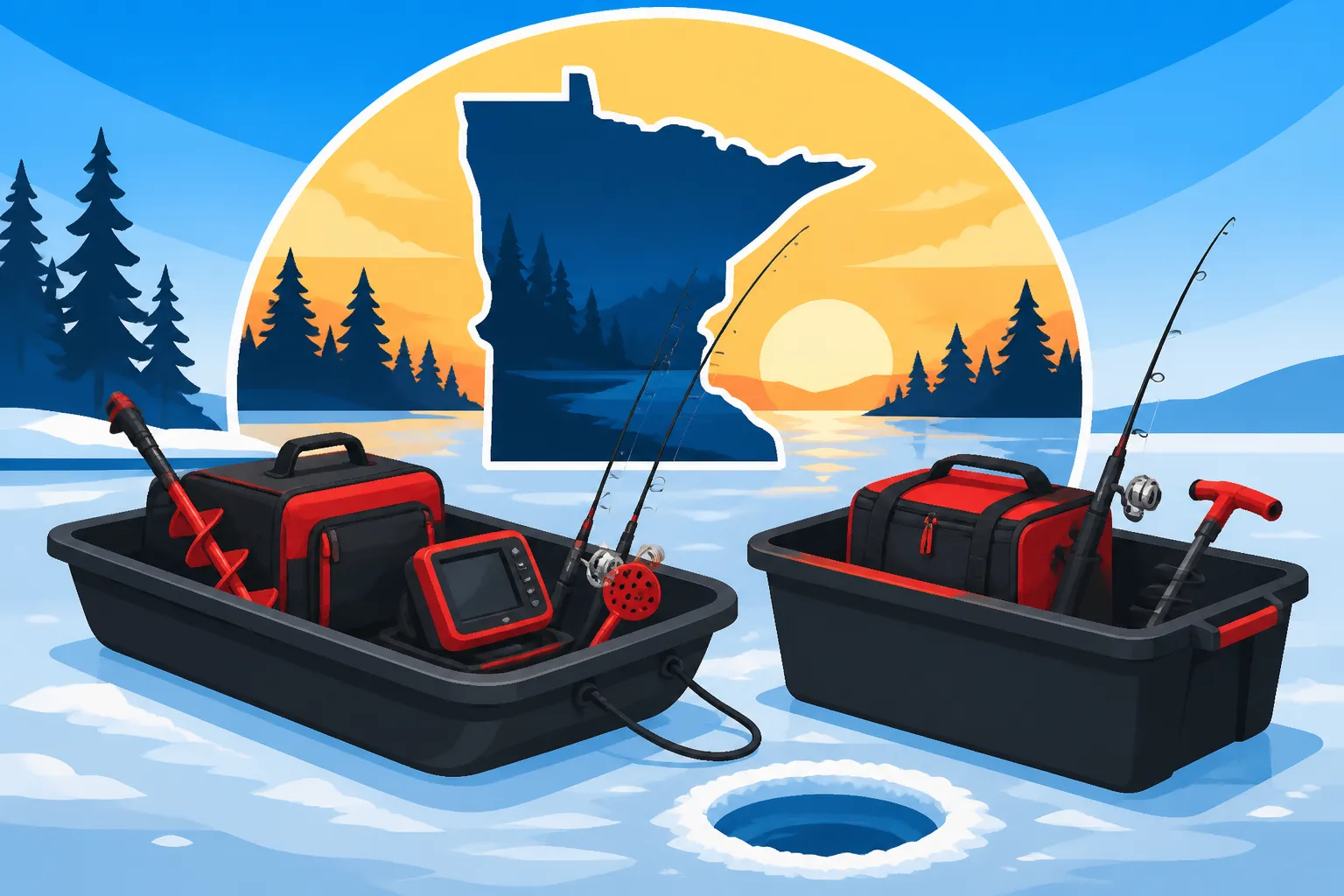
These are your workhorses, the simple, open-top plastic tubs designed for pure utility. They typically come in various sizes, from compact models that can fit a single bucket and a rod to much larger versions capable of swallowing an auger, a full-size cooler, and a portable shelter. Brands like Shappell and Eskimo offer excellent basic utility sleds that are incredibly durable and affordable. They might not have all the bells and whistles, but they excel at their primary job: moving gear efficiently.
The beauty of a basic utility sled lies in its versatility and no-frills design. It’s perfect for the angler who wants a dependable way to transport their essential items without overthinking it. You can easily customize it with bungee cords, cargo nets, or even homemade dividers to keep your gear organized. These sleds are often lightweight enough to pull by hand, making them ideal for accessing quieter spots on lakes or for shorter walks from the access point. If you're just getting into the sport and want an affordable, reliable option to carry your Best Ice Fishing Gear for Minnesota (2027 Guide), a basic utility sled is a fantastic starting point.
Specialized Ice Fishing Tubs
Stepping up from basic utility sleds, specialized ice fishing tubs often come with enhanced features tailored specifically for anglers. These might include taller sides to prevent gear from falling out, built-in storage compartments, or even pre-installed rigid tow bars. Some models are designed to integrate perfectly with specific portable shelters, acting as the base for a flip-over ice house. Otter Outdoors and Clam are leaders in this category, offering a range of specialized tubs that are rugged and thoughtfully designed.
These specialized tubs are often made with even thicker, more robust plastic than basic models, anticipating heavier loads and more frequent use. They are perfect for anglers who spend a lot of time on the ice and want a cohesive system for their gear. For instance, a common setup is to have your flip-over shelter mounted directly onto a specialized sled, allowing you to simply 'flip' it open at your spot and have all your gear instantly accessible within the shelter. This kind of integration makes for a truly seamless transition from travel to fishing.
Sleds with Built-in Seating or Storage
For those who prioritize comfort and convenience, some ice fishing sleds go above and beyond by incorporating features like built-in seating or extensive storage solutions. These can range from a simple hinged lid that doubles as a seat, to more elaborate designs with multiple internal compartments and even insulated sections for bait or snacks. While heavier and often pricier, these sleds can be a fantastic option for longer outings or for anglers who want a "grab and go" solution that minimizes packing time.
Imagine pulling up to your spot, and your sled instantly transforms into a comfortable seat, with your tackle and bait already organized and within reach. This kind of integrated design simplifies your setup and breakdown, maximizing your time with a line in the water. Some premium models might even feature removable tackle boxes or modular systems that allow you to customize the internal layout. These are often chosen by anglers who might be traveling light, perhaps only taking a few rods and a [How Many Lines Can You Use Ice Fishing in Minnesota?] into consideration, but still want maximum efficiency and comfort on the ice.
Top Brands and Where to Find Them
Choosing the right brand for your ice fishing sled often comes down to reputation, material quality, and the specific features they offer. In Minnesota, a few brands consistently stand out for their durability and popularity among ice anglers. Knowing where to buy is just as important, ensuring you get the best price and service.
Popular Manufacturers for Minnesota Anglers
When it comes to ice fishing sleds and gear, Otter Outdoors is a name that commands respect. Based right here in Minnesota, Otter is renowned for its heavy-duty, roto-molded polyethylene sleds that are virtually indestructible in cold weather. Their sleds, like the Otter Sled series, are known for their thick walls, excellent tracking, and wide range of compatible accessories, including tow hitches and covers. Many serious anglers won't consider anything less than an Otter for its longevity and performance in our tough winters.
Another highly popular brand is Clam Outdoors, also a Minnesota-based company. Clam offers a diverse lineup of ice fishing sleds, from basic utility tubs to their highly integrated sleds that form the base of their popular flip-over ice shelters. Clam sleds are known for their practical designs, good balance between durability and weight, and smart features like molded-in bucket carriers and tie-down points. If you're already a fan of Clam shelters, their sleds often offer seamless compatibility, making for a streamlined setup. You can even find specific sleds designed to hold your Best Ice Augers for Minnesota: Electric vs Gas securely.
Beyond these two giants, Shappell and Eskimo also produce very capable and often more budget-friendly ice fishing sleds. Shappell's Jet Sleds are a common sight on Minnesota lakes – they're simple, effective, and incredibly durable for their price point. Eskimo, known for its augers and shelters, also offers robust sleds designed to complement their product line, often focusing on lightweight yet strong construction. Each of these brands offers something a little different, catering to various needs and budgets.
Shopping for Your Next Sled
When you're ready to purchase your ice fishing sled, you have a few excellent options for where to shop. For those who like to see and feel the product before buying, local sporting goods stores are fantastic. Major retailers like Bass Pro Shops and Fleet Farm in Minnesota typically carry a wide selection of ice fishing sleds from all the top brands. This allows you to compare sizes, materials, and features in person, and often benefit from knowledgeable staff who can help answer specific questions about durability or towability. They're also great places to pick up other essentials like Best Tungsten Jigs for Panfish or a new pair of Best Ice Fishing Suits & Bibs (Float Suits).
For convenience and often competitive pricing, online retailers are a strong contender. Amazon offers a vast selection of ice fishing sleds, from the basic utility models to more specialized tubs, often with customer reviews that can provide valuable insights. Shopping online can be particularly useful if you're looking for a specific model or a hard-to-find accessory. Just be sure to check shipping costs for larger items like sleds, as they can sometimes be substantial. Always compare prices, check return policies, and read reviews to ensure you're making an informed decision, whether you're buying locally or online.
Making Your Sled Even Better
Once you've got your hands on a quality ice fishing sled, there are a few simple additions and modifications you can make to elevate its performance and usability even further. These small tweaks can significantly improve your experience, making your trips out onto the ice even more enjoyable and efficient.
Customizing for Organization and Efficiency
One of the biggest advantages of a sled is consolidation, but a disorganized sled can still be a headache. Consider adding internal organization solutions. Many anglers use milk crates or plastic storage bins that fit snugly inside their sled to keep items like bait buckets, tackle boxes, and portable heaters from sliding around. You can even bungee them in place for added security. For longer items like fishing rods, a simple PVC pipe 'rod holder' attached to the inside wall of the sled can keep them safe and untangled.
Another popular customization is adding a secure lid or cover. While many specialized sleds come with integrated covers, a simple tarp and bungee cords can work wonders for basic utility sleds. This keeps snow and slush out of your gear, protects it from the elements, and prevents items from bouncing out on bumpy terrain. Some creative anglers even build custom wooden lids that double as a workstation or extra seating, especially if they're pairing their sled with a smaller hub shelter for a day of fishing.
Attaching a Reliable Tow System
While many sleds come with a basic tow rope, upgrading to a rigid tow bar is a game-changer, especially if you plan to use an ATV, snowmobile, or even a heavy-duty electric ice auger like a StrikeMaster Lithium 40V, as a tow vehicle. A rigid tow bar prevents the sled from swinging wildly behind your vehicle, absorbs shocks, and keeps the sled from ramming into you when you stop suddenly. This is crucial for safely transporting heavier loads and navigating uneven terrain.
When selecting a tow bar, look for one made from sturdy steel or aluminum with a strong hitching mechanism. Brands like Otter and Clam offer model-specific tow bars that bolt directly onto their sleds, ensuring a secure fit. Even if you're pulling by hand, a comfortable handle on your tow rope can make a surprising difference in reducing hand fatigue. Remember, the easier and safer your sled is to tow, the more you'll enjoy your time on the ice, focusing on the fishing rather than the hauling.
Disclaimer
The information provided in this guide is for general informational purposes only and does not constitute professional advice. Always consult current Minnesota Department of Natural Resources (DNR) regulations and local conditions before heading out on the ice. Ice fishing can be dangerous; always prioritize safety and never venture onto unsafe ice.