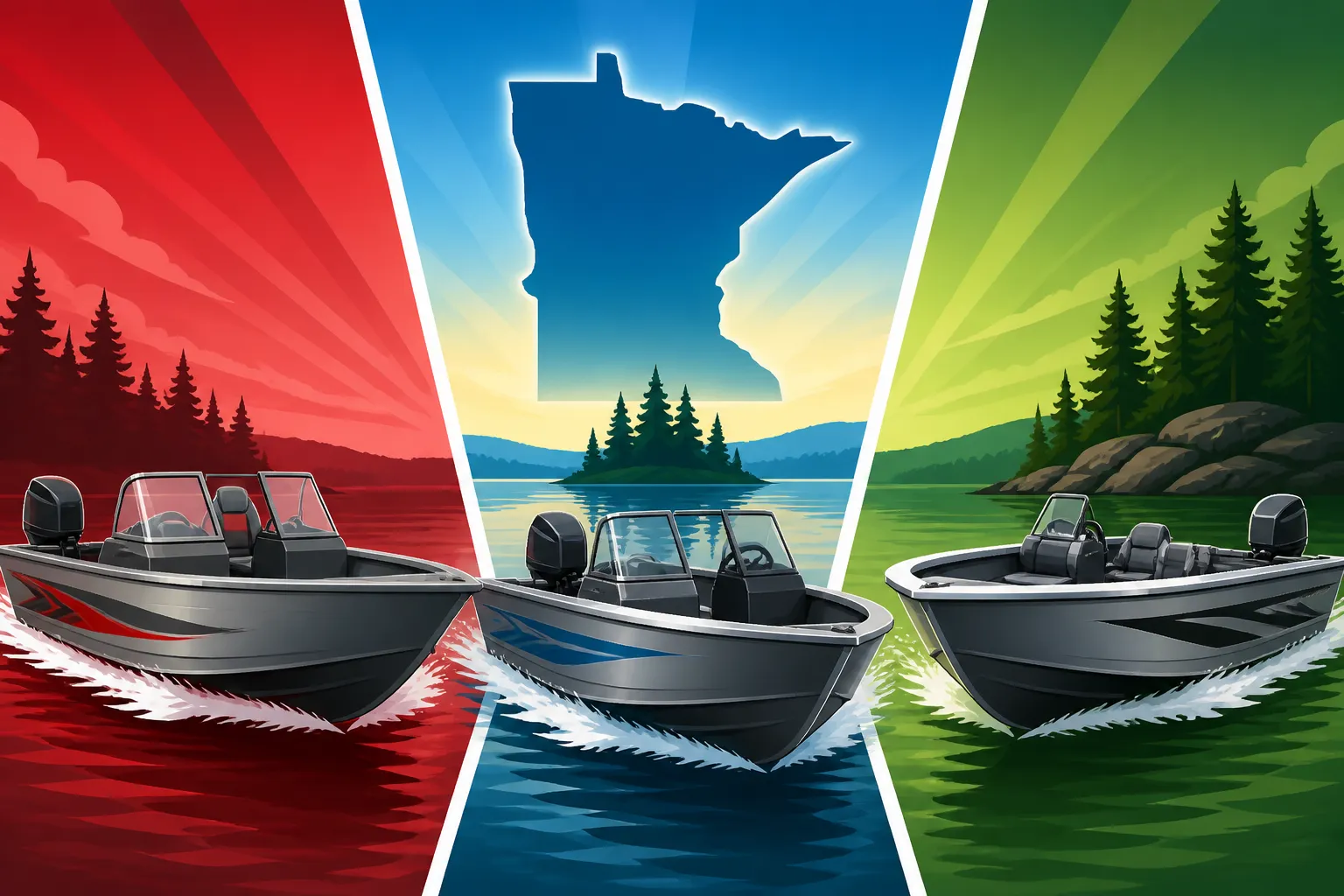
Alumacraft vs Crestliner vs Lund: Aluminum Boats
Choosing the perfect aluminum fishing boat for Minnesota's incredible lakes and rivers can feel like an overwhelming task. With so many fantastic options out there, it’s easy to get lost in the sea of specifications and brand loyalties. This comprehensive guide will walk you through the nuances of Alumacraft, Crestliner, and Lund boats, helping you understand their unique features, pros, and cons to make an informed decision for your next angling adventure.
The Enduring Legacy of Aluminum Fishing Boats in Minnesota
For generations of anglers, the aluminum fishing boat has been the undisputed workhorse of Minnesota's waters. From the vast expanse of Lake of the Woods to the winding currents of the Mississippi River, these boats have proven their worth time and again. It’s not just about getting on the water; it's about having a reliable, capable vessel that can stand up to the rigors of our diverse fishing environments.
Why Aluminum Reigns Supreme
There’s a reason why aluminum dominates the Minnesota fishing scene. Unlike their fiberglass counterparts, aluminum boats offer a unique blend of durability, lighter weight, and relatively low maintenance that resonates deeply with the practical sensibilities of Midwestern anglers. The ability to launch in shallower areas, navigate rocky shorelines without major worries, and tow with a wider range of vehicles makes them incredibly versatile. You'll find them everywhere, from serious tournament trails to quiet family outings chasing panfish. Their robust nature means they can take a bump or two without catastrophic damage, often just a cosmetic dent, which is a huge plus when you're fishing unfamiliar waters or pulling up to a less-than-perfect dock.
A Nod to the Northwoods: Specific Needs for Minnesota Fishing
Minnesota presents a wide array of fishing challenges and opportunities. We have everything from massive, windswept inland seas like Mille Lacs Lake and Lake Vermilion, which demand a boat capable of handling significant chop, to countless smaller, shallower lakes, rivers, and remote spots in the Boundary Waters that require maneuverability and lighter drafts. This diversity means that a "one-size-fits-all" boat simply doesn't exist. Many Minnesota anglers are multi-species fishermen, meaning they might be chasing walleye in the morning, northern pike in the afternoon, and crappie in the evening. Their boat needs to be adaptable, offering ample casting platforms, secure rod storage for various lengths and actions, and reliable livewells to keep their catch healthy. The ability to easily trailer a boat long distances to different bodies of water also plays a significant role in boat selection for our state. When considering a new boat, it’s essential to think about where you'll spend most of your time and what species you'll primarily be targeting.
Deep Dive into Alumacraft Boats
Alumacraft has been a staple on Minnesota lakes for decades, earning a reputation for building tough, dependable boats. Headquartered right here in St. Peter, Minnesota, they understand the local fishing culture intimately. Many anglers swear by their Alumacraft, often passing them down through generations, a testament to their longevity.
Signature Features and Construction
What truly sets Alumacraft apart is its commitment to riveted construction. While some might see rivets as old-fashioned, Alumacraft passionately defends and refines this method. Their signature is the 2XB hull system, which essentially means they double-rivet the hull with an extra-thick aluminum bottom plate. This design provides a stronger, more rigid hull that is renowned for its durability and impact resistance. The theory is that the rivets allow the hull to flex and absorb impact rather than crack or deform. This translates to a smoother, quieter ride, especially in choppy conditions, as the hull can absorb some of the wave energy. The attention to detail in their construction process, from the precisely cut aluminum sheets to the skilled riveting, contributes to a boat that feels solid and trustworthy underfoot.
Popular Models for Minnesota Anglers
Alumacraft offers a diverse lineup tailored to different fishing needs, but a few models consistently stand out for Minnesota anglers.
- Competitor Series: These are often considered the bread and butter for serious walleye and multi-species anglers. They feature spacious casting decks, large livewells, and ample storage for all your gear. They are designed to handle the big water but remain nimble enough for smaller lakes. The Competitor is a balanced boat, offering a great mix of fishability and comfort.
- Trophy Series: When you need serious big-water capability, the Trophy series steps up. With higher freeboard and deeper V-hulls, these boats are built to tackle the rollers on places like Lake Superior or the large expanses of Lake of the Woods. They offer a secure, dry ride even when the wind whips up, making them popular among guides and anglers who frequently venture into challenging conditions.
- Voyageur Series: For those looking for a versatile utility boat that can still fish effectively, the Voyageur series is a fantastic choice. They often feature an open layout, making them great for both fishing and family outings. These are often seen as great starter boats or boats for those who value simplicity and ruggedness.
Each series comes with various lengths and configurations, allowing anglers to customize their rig to their exact preferences, whether they prefer a tiller, side console, or full windshield setup.
Pros and Cons of Alumacraft Boats
Like any boat, Alumacraft has its unique advantages and a few considerations:
Pros:
- Durability and Ride Quality: The 2XB riveted hull is incredibly robust and provides an exceptionally soft, dry ride in rough water. Anglers often report less "hull slap" and a quieter experience due to the flexing nature of the riveted design.
- Value for Money: Generally, Alumacraft boats tend to offer a very competitive price point for the features and build quality you get, making them an excellent choice for budget-conscious anglers who don't want to compromise on performance. You might find great deals at local dealers, or even on the used market.
- Reputation: Alumacraft enjoys a strong, loyal following, particularly in the Midwest. This translates to good resale value and a knowledgeable community for support and advice.
- Shallow Water Access: Many Alumacraft models, particularly the shallower V-hulls, can get into very skinny water, perfect for exploring smaller bays or river systems for species like northern pike in Minnesota.
Cons:
- Perceived "Older" Technology: Some anglers might perceive riveted hulls as outdated compared to welded designs. While Alumacraft has perfected their riveting, the perception can still exist.
- Potential for Leaks (though rare): While Alumacraft’s 2XB system significantly reduces this risk, any riveted hull can theoretically develop a leak over decades of hard use, though it’s far less common with modern construction. This is often more of a myth than a reality for well-maintained modern Alumacraft boats.
- Heavier than some competitors: While aluminum is generally lighter than fiberglass, some Alumacraft models, due to their double-plated hulls, can be slightly heavier than similarly sized welded aluminum boats.
Exploring Crestliner Boats
Crestliner, another prominent name in the aluminum fishing boat market, brings its own philosophy to boat building: all-welded construction. Also a Midwestern company, Crestliner boats are built to withstand the rigors of serious angling. Their distinctive approach has garnered a dedicated following among those who appreciate the strength and rigidity of a fully welded hull.
The Welded Advantage and Unique Design
Crestliner’s hallmark is its all-welded aluminum hull. This means that instead of rivets holding the hull sections together, they are fusion-welded, creating a single, continuous piece of aluminum. The advantage here is often cited as superior structural integrity and a completely watertight hull, eliminating any potential points of failure that rivets might present. Their construction also features a variable deadrise hull, which is designed to provide a smoother ride in chop while maintaining stability at rest. The concept is that the sharper V-shape at the bow cuts through waves, while the flatter sections towards the stern provide stability and allow for quicker planing. This creates a very robust and stiff boat, which many anglers find reassuring, especially when traversing rough water.
Key Models for Diverse Fishing Styles
Crestliner offers a robust lineup, each designed with specific angling scenarios in mind.
- Fish Hawk Series: These are incredibly popular multi-species boats, designed to perform well for everything from walleye and bass to crappie. The Fish Hawk models feature spacious cockpits, ample storage, and stable casting platforms, making them highly versatile for varied fishing techniques. They strike a great balance between performance, features, and affordability, often being a top choice for families and serious anglers alike.
- Authority Series: True to its name, the Authority is a big-water dominator. These are large, deep-V boats built for battling the biggest waves and harshest conditions. Anglers venturing onto expansive lakes like Lake Superior or those who fish in challenging weather appreciate the added security and dry ride the Authority provides.
- Super Hawk Series: Combining fishing prowess with family-friendly features, the Super Hawk is a crossover boat that excels at both. It’s equipped with fishing amenities like livewells and rod storage, but also comfortable seating and ski pylons, making it a great option for those who want to fish hard but also enjoy watersports or cruising with the family.
Crestliner's commitment to different designs ensures there’s a model to fit almost any Minnesota angler's needs. You might find various configurations available at your local Bass Pro Shops, allowing you to compare features side-by-side.
Pros and Cons of Crestliner Boats
Crestliner boats, with their welded construction, present a distinct set of advantages and considerations:
Pros:
- Structural Rigidity: The all-welded hull creates a very stiff and strong structure, often leading to a feeling of robust solidity on the water. This rigidity can translate to precise handling and excellent stability.
- Watertight Integrity: With no rivets to potentially loosen or leak over time, a properly welded hull is inherently watertight, offering peace of mind to many anglers.
- Less Flex: Some anglers prefer the less flexible nature of a welded hull, feeling it provides a more direct and responsive feel when driving.
- Modern Aesthetics: Crestliner boats often feature modern designs and finishes that appeal to contemporary tastes.
Cons:
- Ride in Chop: While their variable deadrise helps, some anglers report that welded hulls can sometimes deliver a slightly "harsher" ride in extremely rough, sustained chop compared to the flexing nature of a riveted hull. The hull is so rigid that it tends to "slap" the waves rather than absorb them.
- Repair Complexity: If a welded hull sustains significant damage (a crack rather than a dent), repairs can sometimes be more complex and require specialized aluminum welding expertise.
- Price Point: While competitive, some Crestliner models, especially the larger ones with advanced features, can creep up in price compared to some riveted competitors, though this is often justified by the robust construction.
Understanding Lund Boats
Lund is practically synonymous with fishing in Minnesota. For many, Lund isn't just a boat; it's a legacy. With roots deep in the Northwoods, Lund has perfected the art of building fishing machines that dominate the waters they’re designed for. Their reputation for quality, innovation, and unwavering performance makes them a benchmark in the industry.
The Iconic IPS Hull and Craftsmanship
Lund boats are famous for their innovative Integrated Power Strake (IPS) hull designs, which have evolved through IPS, IPS2, and now IPS3. These designs are primarily riveted, similar to Alumacraft, but with key differences that Lund has refined over the years. The IPS hull features a wider, flatter bottom at the stern, combined with a sharper V-shape at the bow, and integrated strakes (small longitudinal ridges) designed to improve planing, stability, and ride quality. The idea is to combine the soft ride of a deep V with the stability of a flatter bottom. The IPS technology aims to get the boat on plane faster, enhance tracking, and provide a stable platform for fishing, all while maintaining the smooth, flexing characteristics of a riveted hull in rough water. Lund's craftsmanship is also evident in their attention to detail, from interior layouts to robust hardware, giving them a premium feel. When discussing how many lines can you fish in Minnesota, the stability of an IPS hull certainly helps keep everything organized.
Top Lund Models for Minnesota Waters
Lund boasts an extensive lineup, but several models consistently capture the hearts of Minnesota anglers:
- Pro-V Series: The Pro-V is arguably the flagship of the Lund fleet, a serious fishing machine designed for professional anglers and hardcore enthusiasts. Known for its incredible fishability, spacious casting decks, massive livewells, and exceptional storage, the Pro-V handles big water with ease and offers a commanding ride. This is often the dream boat for many who pursue trophy Walleye Fishing in Minnesota.
- Impact Series: For anglers seeking Lund quality and performance at a more accessible price point, the Impact series is a fantastic choice. These multi-species boats are highly versatile, offering great fishability, a comfortable ride, and smart layouts that appeal to a wide range of anglers, from weekend warriors to serious hobbyists.
- Crossover Series: Just like the name implies, the Crossover is designed for families who love to fish but also enjoy other watersports. It skillfully blends fishing features like rod storage and livewells with amenities like comfortable seating, a swim ladder, and even a ski pylon, making it a true do-it-all boat for summer fun on the Best Fishing Lakes in Minnesota.
Lund’s commitment to providing specific solutions for different types of anglers is clear across their model lines, making it easier to find a boat that perfectly matches your lifestyle.
Pros and Cons of Lund Boats
Lund boats have cemented their place in the hearts of many anglers, but it’s always good to look at both sides:
Pros:
- Exceptional Ride Quality: The IPS hull designs are legendary for their ability to deliver a smooth, dry ride, even in rough conditions. The riveted construction allows the hull to flex and absorb impacts, providing a comfortable experience for occupants.
- High Resale Value: Lund boats hold their value exceptionally well, often commanding higher prices on the used market than comparable models from other brands. This is a significant consideration for long-term ownership.
- Innovation and Features: Lund consistently introduces innovative features, from advanced livewell systems to smart storage solutions, that enhance the fishing experience.
- Strong Brand Recognition and Dealer Network: Lund has an incredibly strong brand presence and an extensive, well-regarded dealer network, meaning support and service are readily available. You can often find a wide selection at larger marine dealers that carry premium brands.
Cons:
- Premium Price Point: Lund boats often come with a higher price tag than their competitors. While many argue the quality and resale value justify the cost, it can be a significant upfront investment.
- Weight: While offering a great ride, some Lund models can be on the heavier side due to their robust construction and larger dimensions, which might require a more capable tow vehicle.
- Accessibility for Beginners: While excellent, the sheer variety and advanced features of some Lund models can be a bit overwhelming for absolute beginners, though there are certainly entry-level options like the Fury series.
Direct Comparison: Alumacraft, Crestliner, and Lund
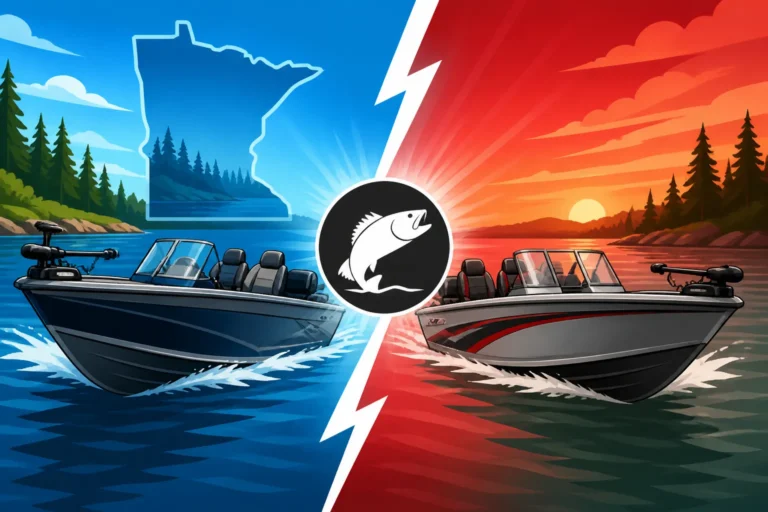
Now that we've had a closer look at each brand individually, let's stack them up against each other on some key attributes. This is where the differences really start to shine and where your personal preferences will guide your decision.
Construction Philosophy: Riveted vs. Welded
This is arguably the most significant differentiator between these brands, with Alumacraft and Lund primarily utilizing riveted hulls, and Crestliner exclusively employing welded construction.
- Riveted Hulls (Alumacraft, Lund): The core idea behind riveting is flexibility. Rivets allow the hull plates to move slightly, absorbing impact and flexing with the waves. This often results in a softer, quieter ride in choppy conditions, as the hull isn't as rigid against the water. Modern riveting, especially Alumacraft's 2XB and Lund's IPS designs, means that leaks are extremely rare and generally only occur after decades of abuse or severe impact. Repairs, when needed, are often straightforward, involving replacing rivets or patching small sections.
- Welded Hulls (Crestliner): A welded hull is a single, monolithic structure. This provides exceptional rigidity and a completely sealed hull from the factory. Many anglers appreciate the feeling of solidness and the peace of mind that comes from a fully welded seam, eliminating concerns about rivets. However, this rigidity can sometimes lead to a slightly harsher ride in rough water, as the hull "slaps" more rather than flexes. If a major crack occurs, welded repairs can be more specialized and potentially more costly, though major cracks are also quite uncommon with proper use.
Here's a quick comparison:
| Feature | Alumacraft | Crestliner | Lund |
|---|---|---|---|
| Construction | Riveted (2XB double-riveted hull) | All-Welded (Variable Deadrise Hull) | Riveted (IPS, IPS2, IPS3 hull designs) |
| Primary Benefit | Soft, quiet ride, impact absorption | Structural rigidity, watertight integrity | Smooth ride, stability, quick planing |
| Ride in Chop | Very smooth, flexes with waves | Solid, can feel stiffer/harsher at times | Excellent, smooth, dry ride, advanced hull |
| Repairability | Relatively straightforward (rivet replacement) | Requires specialized aluminum welding | Relatively straightforward (rivet replacement) |
| Typical Use | Multi-species, family fishing, value-driven | Multi-species, big water, modern aesthetic | Multi-species, pro-level, premium experience |
Ride Quality and Performance
The performance of these boats on the water is a crucial aspect for any serious angler.
- Alumacraft: Thanks to its 2XB riveted hull, Alumacraft boats are known for a very comfortable and dry ride. The ability of the hull to flex over waves translates into less jarring and a more pleasant experience, especially on those long runs across wind-swept lakes. They also tend to be quite stable at rest, which is great for casting or tending to lines.
- Crestliner: Crestliner's welded hulls, with their variable deadrise, are designed to cut through waves efficiently. They feel incredibly solid and responsive to steering. While they perform admirably in chop, some anglers might notice a slightly firmer ride compared to riveted boats, especially in persistent, heavy waves, where the rigidity prevents the hull from absorbing as much energy.
- Lund: Lund's IPS hull designs are engineered for superior performance in a wide range of conditions. They are celebrated for their ability to get on plane quickly, maintain a stable platform, and deliver an exceptionally smooth, dry ride even in significant chop. The IPS strakes enhance tracking and lift, contributing to efficient fuel usage and precise handling. Their performance often feels incredibly refined and confidence-inspiring.
Ultimately, the best way to truly judge ride quality is to experience it yourself. A test drive, especially in less-than-ideal conditions, can reveal a lot about how a boat handles the water you fish most often.
Interior Layout and Fishability
Beyond how a boat rides, how it's laid out for fishing is paramount. Each brand has its strengths here.
- Alumacraft: Alumacraft generally offers very practical and angler-friendly layouts. You'll find well-thought-out rod storage, large livewells, and generous casting decks. They tend to prioritize functional space, making it easy to move around and fish effectively. Many models feature innovative storage solutions and robust hardware, indicating they are built by people who understand fishing.
- Crestliner: Crestliner boats are known for their clean, modern interiors and efficient use of space. Their layouts are often designed with versatility in mind, offering convertible seating and spacious cockpits. Rod storage is typically ample and secure, and their livewells are well-regarded for keeping fish healthy. The ergonomics feel well-considered, making for a comfortable day on the water.
- Lund: Lund excels in interior design and fishability, often leading the industry in innovative features. Their boats feature extremely well-organized rod lockers, often with individual tubes, vast livewells with advanced aeration systems, and highly functional casting decks. The attention to detail, from comfortable seating to intuitive dash layouts for Best Fish Finders & Electronics for Minnesota Fishing, is a hallmark of Lund, giving them a slight edge in terms of pure fishing utility for many dedicated anglers.
Resale Value and Brand Perception
When investing in a boat, understanding its long-term value and how it's perceived in the market is wise.
- Lund: Without a doubt, Lund boats command some of the highest resale values in the aluminum fishing boat market. Their strong brand recognition, reputation for quality, and consistent performance mean that a used Lund will often fetch a premium price. This makes them a solid long-term investment.
- Alumacraft: Alumacraft also holds its value very well, particularly in the Midwest. While perhaps not quite at Lund's level, their reputation for durability and reliability ensures they remain highly desirable on the used market. Anglers know they are getting a dependable boat with an Alumacraft.
- Crestliner: Crestliner boats have a good resale value, reflecting their quality construction and popular designs. While they might not always match Lund's top-tier resale numbers, they are a strong contender and maintain their value better than many other brands in the competitive market.
Brand perception is heavily influenced by regional popularity and historical presence. In Minnesota, all three brands are household names, but Lund often holds a slightly more iconic status due to its long history and strong market presence, particularly in the multi-species fishing segment.
Choosing the Right Aluminum Boat for Your Minnesota Adventures
Deciding between Alumacraft, Crestliner, and Lund isn't just about comparing specs on paper; it's about finding the boat that best fits your unique fishing style, budget, and priorities. Each brand offers a fantastic platform, but their subtle differences will appeal to different anglers.
Considering Your Fishing Style and Budget
This is perhaps the most critical step. Be honest with yourself about how and where you'll primarily use your boat.
- Multi-Species Angler: If you're like many Minnesotans who chase everything from walleye and crappie to Northern Pike in Minnesota, all three brands have excellent multi-species offerings. Consider models like the Alumacraft Competitor, Crestliner Fish Hawk, or Lund Impact. These boats offer a balanced approach to various fishing techniques and conditions. You'll want good livewells, versatile rod storage for different length rods (maybe some Best Walleye Rods & Reels and some for panfish), and a stable casting platform.
- Big Water Warrior: For those who frequently brave large, windswept lakes such as Lake of the Woods, Rainy Lake, or Lake Vermilion, you'll want a boat with a deeper V-hull and higher freeboard. The Alumacraft Trophy, Crestliner Authority, or Lund Pro-V would be prime candidates. These boats prioritize a dry, safe ride and robust construction to handle challenging conditions.
- Panfish & Family Fun: If your primary focus is taking the kids out for Bluegill or leisurely cruising, and you're not always battling huge waves, you might prioritize comfort, ease of use, and a slightly lower price point. Models like the Alumacraft Voyageur, Crestliner Super Hawk, or Lund Crossover offer excellent versatility for both fishing and family recreation. Your budget will play a significant role here, as well-equipped boats can quickly add up. Be sure to factor in not just the boat itself, but also the engine, trailer, and any electronics or accessories you plan to add.
Test Driving and Dealer Support
You wouldn't buy a car without driving it, and a fishing boat is no different. Whenever possible, arrange a test drive. Ideally, try to test drive on a day with some chop, as this will give you a much better feel for the boat's true ride quality than a calm, glass-smooth lake. Pay attention to how the boat handles, how dry the ride is, and how comfortable you feel moving around the decks.
Equally important is the dealer. A good local dealer is invaluable for sales, service, and warranty work. Inquire about their service department, parts availability, and responsiveness. Many Minnesota dealers, like those found around the Brainerd Lakes Area or those connected with larger chains, offer exceptional support. Knowing you have reliable support for things like engine maintenance, How to Decontaminate Your Boat (AIS) compliance, or general upkeep is a huge peace of mind. Check online reviews and ask other local anglers for recommendations.
Long-Term Ownership: Maintenance and Customization
Owning an aluminum boat is generally a straightforward affair, but a few considerations apply to long-term ownership. All three brands build durable boats that, with proper care, will last for decades. Regular cleaning, engine maintenance, and checking for any minor issues are key. Aluminum boats are also incredibly customizable. Whether you're adding new Best Trolling Motors: Minn Kota Buyer's Guide, upgrading your electronics, or fine-tuning your rod storage, there's a huge aftermarket for accessories. Many anglers enjoy personalizing their rig to perfectly suit their evolving fishing needs. Remember to always follow Aquatic Invasive Species (AIS) Rules for Boaters when transporting your boat between lakes.
Disclaimer
The information provided in this guide is for general informational purposes only and does not constitute professional advice. Boat specifications, features, and pricing can change frequently. Always consult with authorized dealers and manufacturers for the most accurate and up-to-date information before making any purchasing decisions. Fishing regulations and safety guidelines should always be followed.