Best Fishing Kayaks for Minnesota Lakes
Getting out on the water in Minnesota is a quintessential experience, but sometimes, a big boat feels like overkill for those tucked-away coves or silent backwaters. Many anglers struggle to reach prime fishing spots without disturbing the serene environment or spending a fortune on heavy equipment. This guide is dedicated to exploring the world of fishing kayaks, offering a comprehensive look at how these nimble vessels can unlock a whole new dimension of angling in the Land of 10,000 Lakes, helping you choose the perfect one to suit your needs and Minnesota's diverse waters.
Why Kayak Fishing in Minnesota is a Game Changer
Let's be honest, fishing in Minnesota can sometimes feel like a competition for prime real estate, especially on popular lakes during peak season. Large powerboats zip by, sending wakes that rock your boat or scare away the fish. Kayak fishing, however, offers a serene, efficient, and often more productive alternative, opening up a world of possibilities that traditional boats simply can't match.
Accessing Shallow and Remote Waters
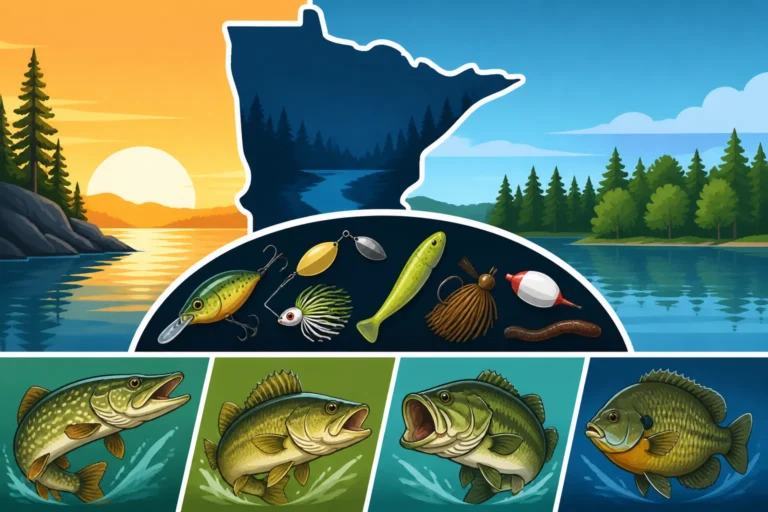
One of the biggest advantages of fishing from a kayak in Minnesota is the unparalleled access it provides. Think about those hidden bays, shallow weed lines, or quiet river bends that are too tight or too shallow for even a small jon boat. With a fishing kayak, you can effortlessly glide into these sanctuaries, where bigger boats dare not tread. This means reaching untouched fishing holes where lunker walleye, bass, or panfish might be hiding, completely undisturbed. It's not just about getting to the fish; it's about getting to the fish without making a scene. This silent approach often translates to more bites and better angling experiences, especially when targeting wary species.
Quiet Approach and Stealth Fishing
There's something incredibly satisfying about silently paddling up to a promising lily pad field or a rocky point. Unlike the drone of an outboard motor, a kayak lets you approach fish with minimal disturbance. This stealth factor is crucial in clear Minnesota waters where fish can be easily spooked by noise and shadows. Imagine sneaking up on a bedding largemouth bass or drifting along a weed edge, casting to hungry northern pike without them ever knowing you're there. This quiet presentation can make all the difference, particularly when fishing for species like trout in smaller streams or river systems, where every vibration and sound matters.
Cost-Effectiveness and Portability
Let's face it, owning a boat comes with a laundry list of expenses: the boat itself, motor maintenance, gas, trailer fees, storage, insurance – it adds up fast! Fishing kayaks, on the other hand, are significantly more affordable, both in initial purchase and ongoing costs. You don't need a heavy-duty truck to tow one; most can be transported on a car's roof rack or even in the bed of a pickup. This ease of transport means you can explore countless lakes, from the large expanses of Lake Superior to the myriad of smaller, lesser-known gems in central Minnesota, without the logistical headaches or fuel bills associated with traditional boats. Many anglers find they can load their kayak and gear in minutes, making spontaneous fishing trips a reality.
Key Features to Look for in a Minnesota Fishing Kayak
Choosing the right fishing kayak is a lot like choosing the right fishing rod – it depends on your style and what you're targeting. For Minnesota's diverse waters, certain features really stand out, making your time on the water more comfortable, safe, and productive.
Stability for Casting and Reeling
This is often the number one concern for prospective kayak anglers, and for good reason. Minnesota's lakes can get choppy, especially the larger ones like Mille Lacs Lake or Lake of the Woods, and you need a stable platform to feel confident. Look for kayaks with wider hulls, flat bottoms, or pontoon-style designs, as these provide superior primary (initial) stability, meaning they don't feel tippy when you first get in. Good secondary stability is also important, which refers to how resistant the kayak is to capsizing once it's tilted. Many modern fishing kayaks are stable enough for anglers to stand and cast, which is a huge advantage for sight-fishing for bass or getting a better angle when casting for muskie. Brands like Old Town and Hobie have really pushed the envelope in designing kayaks that offer impressive stability.
Storage Options for Gear and Catch
When you're out for a full day of fishing, you'll accumulate quite a bit of gear: multiple rods, tackle boxes, a cooler, safety equipment, and maybe even a small anchor. A good fishing kayak needs ample, accessible storage. Look for features like large bow and stern hatches, a spacious tankwell (an open storage area, usually at the stern, often secured with bungee cords), and track systems for mounting accessories. Some kayaks even come with built-in rod holders or dedicated tackle storage. If you plan on keeping your catch, an insulated cooler or a fish bag that fits securely in your tankwell is a must. Consider how you'll organize your gear to keep it easily reachable but also out of the way, preventing tangles and snags while you're actively fishing.
Comfort for Long Days on the Water
Sitting in one position for hours on end can quickly turn a fun fishing trip into a backache. Comfort is paramount, especially when exploring sprawling bodies of water or patiently waiting for a bite. A good fishing kayak will feature an adjustable, ergonomic seat that provides ample back support and cushioning. Many premium models now offer stadium-style seats that can be raised or lowered, allowing for different paddling or fishing positions. Adjustable foot braces are also essential for maintaining proper posture and efficiently transferring power while paddling. Don't underestimate the importance of comfort; a miserable seat can cut your fishing day short and make you dread your next outing.
Durability and Construction Materials
Minnesota weather can be unpredictable, and our lakes can be rocky or stump-filled. You need a kayak that can take a beating. The vast majority of fishing kayaks are made from high-density polyethylene (HDPE), a durable, impact-resistant plastic. Some higher-end models might use lighter composite materials for improved performance, but for most recreational anglers, HDPE offers the best balance of durability and affordability. Check the thickness of the hull and look for UV protection, as kayaks spend a lot of time in the sun. Consider how the kayak handles bumps against docks, rocky shorelines, or submerged logs. A robust build means you won't have to worry as much about accidental damage, letting you focus on the fishing.
Types of Fishing Kayaks Best Suited for Minnesota
The world of fishing kayaks is surprisingly diverse, with designs tailored for different fishing styles and environments. Understanding the core differences will help you narrow down your choices for Minnesota's varied waters.
Sit-on-Top vs. Sit-in Kayaks
This is one of the most fundamental distinctions.
-
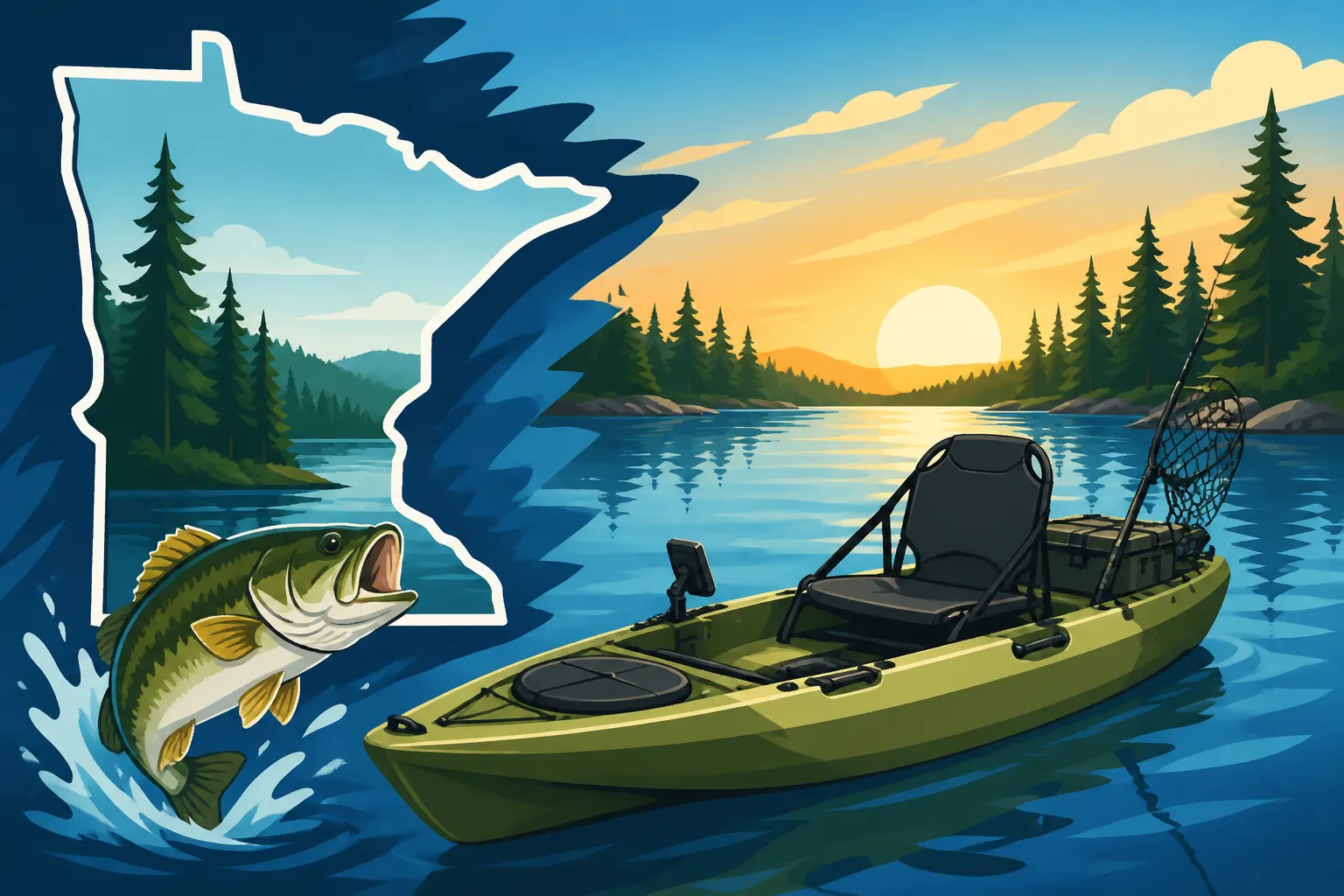
Sit-on-Top (SOT) Kayaks: These are by far the most popular choice for fishing. You sit on top of the kayak, not inside a cockpit. This design offers several key advantages for anglers:
- Easy Entry and Exit: Great for quick breaks, re-entering after a swim, or if you're fishing in colder conditions where self-rescue is a concern.
- Open Deck Space: More room for gear, tackle boxes, and even small coolers. Many SOTs have large tankwells specifically designed for this.
- Scupper Holes: These drain holes allow water to escape, keeping your seating area dry. They're especially useful if you take on waves or rain.
- Stability: Generally, SOTs tend to be wider and more stable, making them ideal for standing to cast, which is a big plus for bass and walleye anglers alike.
- Comfort: Modern SOT fishing kayaks often come with elevated, adjustable seats that are incredibly comfortable for long days.
- Safety: In the event of a capsize, it's easier to flip a SOT back over and climb back on, a critical consideration in Minnesota's often chilly waters.
For most Minnesota anglers, especially those just starting out or those prioritizing stability and gear capacity, a sit-on-top kayak is usually the way to go. You'll find a huge selection at places like Bass Pro Shops or online retailers like Amazon.
-
Sit-in Kayaks: While less common for dedicated fishing, sit-ins do have their niche:
- Protection from Elements: The enclosed cockpit offers better protection from wind, splash, and sun, which can be a comfort on cooler Minnesota days or if you're venturing out early in the spring or late in the fall.
- Efficiency: Sit-ins are often narrower and have a lower center of gravity, making them more efficient to paddle over longer distances or in strong winds. This can be appealing if you're covering vast distances on larger lakes or rivers like the St. Croix.
- Storage: While the deck is less open, many sit-ins have sealed bulkheads and hatches for dry storage, great for extra clothing or electronics.
However, the enclosed nature means less deck space for gear, and re-entry after a capsize can be more challenging without proper practice and technique. If you're a serious paddler who occasionally fishes, a sit-in might be an option, but for pure fishing utility, SOTs generally win out.
Pedal Drive vs. Paddle Kayaks
This is perhaps the biggest innovation in fishing kayaks in recent years.
-
Pedal Drive Kayaks: These kayaks utilize a pedal system, similar to a bicycle, to propel fins or a propeller through the water, leaving your hands free for fishing.
- Hands-Free Operation: This is the game-changer. You can cast, reel, rig baits, eat a snack, or even tend to a fish while maintaining your position or slowly trolling. This makes techniques like jigging for walleye or casting along a weed line incredibly efficient.
- Speed and Efficiency: Pedal drives can be surprisingly fast and allow for covering significant distances with less effort than paddling, which is great for exploring large lakes or moving quickly between spots.
- Precision Control: Many pedal systems offer reverse, allowing for precise positioning against wind or current, ideal for river fishing or holding over structure.
- Stealth: While not entirely silent, the consistent motion of pedal drives can be less disruptive than intermittent paddle strokes.
The main drawback is the higher cost and added weight and complexity of the pedal system. They also require more draft, meaning they can't go quite as shallow as paddle kayaks. For serious anglers who spend a lot of time on the water, the investment in a pedal drive like those from Hobie (MirageDrive) or Old Town (Sportsman Autopilot) often pays for itself in increased productivity and enjoyment. If you're looking for the ultimate fishing machine, a pedal drive is hard to beat for Minnesota's diverse fisheries.
-
Paddle Kayaks: The traditional choice, propelled by a double-bladed paddle.
- Simplicity and Affordability: Paddle kayaks are generally lighter, less expensive, and have fewer moving parts to break or maintain.
- Shallow Water Access: Without a pedal drive unit protruding below the hull, paddle kayaks can navigate extremely shallow water, making them perfect for skinny water areas or launching from undeveloped shorelines.
- Quiet Operation: A skilled paddler can be incredibly stealthy, gliding silently through the water.
- Versatility: Many paddle kayaks are also excellent for recreational paddling, giving them dual-purpose appeal.
The trade-off is that your hands are occupied with paddling, making simultaneous fishing more challenging. You'll need to learn techniques like using a paddle leash or finding ways to temporarily secure your paddle while fishing. For budget-conscious anglers, those who fish very shallow waters, or those who enjoy the simplicity of paddling, a high-quality paddle kayak is an excellent choice.
Tandem vs. Solo Fishing Kayaks
The choice here is simple: do you always fish alone, or do you often bring a buddy, a child, or even your furry friend?
-
Solo Kayaks: Most fishing kayaks are designed for a single angler. They are lighter, easier to maneuver, and generally more efficient when paddled by one person. For most Minnesota fishing scenarios, a solo kayak offers the best balance of performance and practicality.
-
Tandem Kayaks: These are designed for two paddlers. While they offer the ability to share the experience, they come with caveats:
- Heavier and Longer: Tandems are significantly heavier and longer, making transport, launch, and storage more challenging.
- Communication is Key: Effective paddling and fishing require good communication between occupants to avoid tangled lines or inefficient movement.
- Less Stable for Solo Use: While many tandems can be configured for a single paddler, they are often less efficient and harder to control alone due to their length and width.
If you regularly fish with a partner, a tandem might be worth considering. However, for most, two solo kayaks offer more flexibility and a better individual fishing experience.
Top Fishing Kayak Brands and Models for Minnesota Anglers
When it comes to fishing kayaks, some brands have truly established themselves as leaders in innovation, quality, and angler-centric design. Here are a few that consistently impress and are well-suited for Minnesota's diverse fishing scene.
Hobie Fishing Kayaks
Hobie is synonymous with pedal-drive kayaks, specifically their revolutionary MirageDrive system. They offer a wide range of models, each designed with a specific type of angler in mind.
- Hobie Mirage Passport: This is often seen as Hobie's entry-level pedal drive. It's more affordable, lighter, and simpler, making it a great option for someone looking to get into pedal-drive kayak fishing without breaking the bank. It offers excellent stability, decent storage, and the signature hands-free propulsion that makes Hobie so popular. For those exploring smaller lakes or calmer sections of larger ones, the Passport provides a fantastic balance of features and value.
- Hobie Mirage Outback: The Outback is a classic and one of Hobie's best-selling fishing kayaks. It’s known for its incredible stability, ample deck space, and robust feature set, including multiple rod holders, H-Rail accessory mounting systems, and large storage compartments. The Outback excels on bigger water, making it a favorite for tackling walleye on Lake Vermilion or targeting smallmouth bass on Mille Lacs Lake. It's a true workhorse, built for serious fishing expeditions and capable of handling a wide range of conditions.
- Hobie Mirage Pro Angler Series: These are the ultimate fishing machines, often resembling mini-skiffs more than traditional kayaks. They are exceptionally stable (many allow you to stand and sight fish all day), packed with features like integrated rod storage, vast deck space, and advanced accessory tracks. The Pro Angler models are heavier and pricier but offer unparalleled comfort, capacity, and fishability. If you're looking for a no-compromise kayak fishing experience on Minnesota's larger waters, and you have the means to transport and store a larger vessel, a Pro Angler is a top-tier choice.
Old Town Fishing Kayaks
Old Town has a long-standing reputation in the paddling world and has quickly become a powerhouse in fishing kayaks, especially with their innovative motor and pedal drive options.
- Old Town Sportsman Series: This series is specifically designed for anglers. The Sportsman AutoPilot models feature a built-in Minn Kota electric trolling motor with Spot-Lock technology, allowing you to hold your position with incredible precision – an absolute game-changer for fishing structure or battling wind. Imagine holding perfectly over a sunken rock pile on Leech Lake without lifting a finger! The Sportsman Salty PDL and Sportsman BigWater PDL offer Old Town's efficient pedal drive system, providing hands-free propulsion and reverse. These kayaks are known for their exceptional stability, comfortable seating, and smart storage solutions. Old Town kayaks are robust, well-engineered, and offer a powerful alternative to traditional boat ownership, particularly for anglers who appreciate electric motor assist for long drifts or holding tight to a spot.
- Old Town Topwater Series: For those seeking a stable, affordable, and maneuverable paddle kayak, the Topwater series is a strong contender. These kayaks boast a unique ultra-stable double-hull design that allows for confident standing and casting. They're lighter and easier to transport than their motorized or pedal-drive counterparts, making them perfect for quick trips to smaller lakes or local ponds. If you're a beginner or prefer the simplicity of a paddle kayak but still demand excellent stability for fishing, the Topwater models provide fantastic value.
Perception Kayaks
Perception offers a range of reliable and well-designed kayaks that hit a sweet spot between performance and affordability, making them a great choice for many Minnesota anglers.
- Perception Pescador Pilot: This model is a popular pedal-drive option known for its user-friendly design and competitive price point. It features a removable Pilot Drive system, a comfortable "Captain's Chair" seat, and plenty of gear tracks for customization. The Pescador Pilot offers good stability and decent speed, making it suitable for exploring a variety of Minnesota lakes without the premium price tag of some other pedal drives. It’s a solid choice for anglers who want hands-free fishing without stretching their budget too thin.
- Perception Outlaw 11.5: For paddle-centric anglers who prioritize stability and customization, the Outlaw 11.5 is a standout. Its wide-open deck and massive stand-up platform make it incredibly stable for casting, even accommodating larger anglers. It features integrated rod holders, gear tracks, and a clever "paddle park" system. The Outlaw is a great blank canvas for DIY customization, allowing anglers to add their preferred electronics, additional rod holders, or even a small trolling motor. It’s an excellent value proposition for someone looking for a highly stable and versatile paddle kayak.
Other Reputable Brands
While Hobie, Old Town, and Perception are prominent, several other brands offer excellent fishing kayaks worth exploring, often available at local retailers or through online platforms like Amazon:
- Jackson Kayak: Known for their incredibly stable and angler-focused designs, often with elevated seating and smart features for specific fishing techniques. Models like the Cuda or Mayfly are highly regarded.
- Wilderness Systems: Offers a diverse lineup of high-quality kayaks, including popular fishing models like the Tarpon and Atak, known for comfort, stability, and thoughtful angler-friendly features. Their AirPro MAX seats are incredibly comfortable.
- Vibe Kayaks: Gaining popularity for their feature-rich, affordable fishing kayaks like the Yellowfin or Shearwater. They often come with many accessories pre-installed, offering great value.
- Feelfree Kayaks: Features unique innovations like the "Wheel in the Keel" for easy transport and their Overdrive pedal system. The Lure series is very popular.
When considering any of these, it's always a good idea to visit a specialty store or outdoor retailer, like a local sporting goods store or even a Bass Pro Shops, to physically sit in the kayaks and get a feel for them before making a final decision.
Essential Accessories for Minnesota Kayak Fishing
Once you've chosen your fishing kayak, it's time to accessorize! These add-ons aren't just for convenience; many are crucial for safety, efficiency, and comfort on Minnesota's waters.
PFDs, Safety Gear, and Lighting
Safety first, always! A comfortable and properly fitting Personal Flotation Device (PFD) is non-negotiable. Look for fishing-specific PFDs that offer extra pockets for small tackle, tool attachment points, and a high-back design that won't interfere with your kayak seat. Beyond the PFD, you'll need a whistle, a rescue throw bag, and a paddle leash (for paddle kayaks) to prevent losing your paddle. If you're fishing at dawn, dusk, or night, a 360-degree white light is legally required on your vessel in Minnesota and crucial for visibility. Consider a bright headlamp for tying knots or navigating in low light. Remember, conditions on Minnesota lakes can change rapidly, so being prepared is key.
Anchoring Systems and Rod Holders
Holding your position is vital for effective kayak fishing, especially in windy Minnesota conditions or when targeting specific structure.
- Anchoring Systems: A small grapnel anchor (1.5-3 lbs) with about 50 feet of anchor rope is often sufficient for kayaks. Pair it with an anchor trolley system, which allows you to deploy and retrieve your anchor from either the bow or stern, shifting your kayak's pivot point to best deal with wind or current. This is a game-changer for precise positioning.
- Rod Holders: While many fishing kayaks come with flush-mount rod holders, you'll likely want adjustable, aftermarket rod holders, such as those from Scotty or RAM Mounts. These allow you to position your rods precisely for trolling, dead-sticking, or simply keeping them out of the way when paddling or fighting a fish. Being able to secure multiple rods, rigged with different presentations, can significantly increase your efficiency.
Fish Finders and Batteries
Modern fish finders have shrunk to kayak-friendly sizes, and they are incredibly useful for locating fish and understanding underwater structure.
- Fish Finder Units: Brands like Humminbird, Lowrance, and Garmin offer compact units that are perfect for kayaks. Look for models with GPS and lake mapping capabilities, which can be invaluable for navigating and marking waypoints on unfamiliar Minnesota lakes. Units like the Humminbird PiranhaMax or a smaller Garmin Striker are excellent entry-level options.
- Transducer Mounting: You'll need a way to mount your transducer, which typically involves an in-hull mount (shooting through the hull) or an external arm mount. Many kayaks now come with transducer-ready scupper holes or dedicated mounting spots.
- Battery Power: Powering your fish finder (and potentially a small trolling motor) requires a reliable battery. Small 12V sealed lead-acid (SLA) or, for lighter weight and longer run time, lithium-ion batteries are popular choices. Ensure your battery is properly secured in a waterproof case to protect it from splashes. For deeper dives into electronics, checking out articles on Best Fish Finders & Electronics for Minnesota Fishing can be very helpful.
Transportation and Storage Solutions
Getting your kayak to and from the water, and storing it safely, is part of the kayak fishing lifestyle.
- Cart/Trolley: A kayak cart is a back-saver! These wheeled devices allow you to easily roll your kayak from your vehicle to the launch, especially useful at public access points that don't allow vehicle access right to the water.
- Roof Racks/Truck Bed Extenders: For transport, a good quality roof rack with kayak cradles or J-hooks is essential for car-topping. If you have a truck, a bed extender can safely support longer kayaks.
- Storage: Inside, a simple wall-mounted rack or hoist system can keep your kayak off the floor and out of the way. If storing outside, use a cover to protect it from UV damage and debris. Remember to follow Aquatic Invasive Species (AIS) Rules for Boaters for transport; always clean, drain, and dry your kayak before moving it between lakes. You can find many of these accessories, from PFDs to fish finders, readily available on Amazon or at outdoor specialty stores.
Navigating Minnesota Waters with a Fishing Kayak
Minnesota's 10,000 lakes, plus countless rivers and streams, offer endless kayak fishing opportunities. But successfully navigating these waters requires a bit of local knowledge and preparation.
Understanding Wind and Current
Wind is often a kayak angler's biggest challenge in Minnesota. Even a gentle breeze can make paddling difficult, blow you off course, or make precise casting impossible.
- Check the Forecast: Always check wind speed and direction before heading out. Avoid large, exposed bodies of water on very windy days.
- Use the Wind to Your Advantage: Sometimes, you can use a steady breeze to drift silently over structure or along a shoreline, casting as you go. An anchor or a drift sock can help control your speed and direction.
- Paddle into the Wind First: If you have to paddle a long distance, always paddle into the wind on the way out, so you have the wind at your back for the return trip when you might be tired.
- Current Awareness: When fishing Minnesota's rivers like the Mississippi, St. Croix, or Minnesota River, understanding current is paramount. Learn to "read" the water to identify eddies, seams, and slack water where fish might hold. Kayaks are fantastic for working riverbanks and structure. For specific river fishing tips, check out our guide on Minnesota River Fishing: Mississippi, Minnesota & St. Croix.
Launch and Landing Strategies
Launching and landing can sometimes be the trickiest part of kayak fishing, especially from rocky shorelines or busy boat ramps.
- Scout Your Location: Before you go, look at maps or use apps like Navionics to find suitable public access points. Look for sandy beaches, designated kayak launches, or quiet areas away from powerboat traffic. Information on Public Boat Launches & Access in Minnesota can be incredibly useful here.
- The "Scoot and Slide": For sit-on-top kayaks, a common technique is to slide the kayak into shallow water, straddle it, and then carefully lower yourself onto the seat. Reverse this for landing.
- Soft Landings: Avoid dragging your kayak unnecessarily over abrasive surfaces. If you have to pull it, lift the bow or stern to minimize hull wear.
- AIS Compliance: Remember Minnesota's strict Aquatic Invasive Species (AIS) laws. Always How to Decontaminate Your Boat (AIS) by removing all aquatic plants and draining all water from your kayak and gear before leaving a water access. This is not just a rule; it's vital for protecting our precious lakes.
Cold Water Safety and Dressing for the Elements
Minnesota has a long cold-water season, extending beyond just winter. Water temperatures can be dangerously cold even when the air feels warm, particularly in spring and fall.
- Dress for the Water, Not the Air: This is a golden rule. If the water temperature is below 60°F (15°C), plan for immersion. This means wearing a wetsuit or a drysuit, especially in the early spring or late fall. Layering synthetic clothing underneath your PFD is also crucial.
- Hypothermia is Real: Cold water rapidly saps body heat. If you capsize without proper gear, hypothermia can set in quickly, impairing your ability to self-rescue.
- Know Your Limits: Don't venture out in conditions beyond your skill level or your kayak's capabilities. If the forecast looks dicey, it's better to stay home or choose a smaller, more protected body of water.
- Tell Someone Your Plan: Always let someone know where you're going, when you expect to return, and what your backup plan is. A fishing trip is only fun if you return safely.
Table: Fishing Kayak Type Comparison for Minnesota Anglers
To help you visualize the different types of fishing kayaks and their suitability for Minnesota's diverse fishing scenarios, here's a handy comparison table.
| Feature / Type | Paddle Sit-on-Top (SOT) Kayak | Pedal Drive Sit-on-Top (SOT) Kayak | Sit-in Fishing Kayak |
|---|---|---|---|
| Pros | – Affordable, simple | – Hands-free fishing (casting, rigging) | – Protection from wind/splash (cooler weather) |
| – Excellent shallow water access | – Efficient for covering long distances | – More efficient paddling in a straight line | |
| – Good stability, easy re-entry | – Precise boat positioning (reverse, Spot-Lock) | – Often lighter and narrower for portability | |
| – Often lighter, easier to transport | – Great for trolling and jigging | – Good for longer expeditions on calmer waters | |
| Cons | – Hands occupied with paddling | – Higher cost, heavier | – Less open deck space for gear |
| – Can be slower over long distances | – More complex mechanics, more maintenance | – Re-entry after capsize can be difficult | |
| – Less precise positioning in wind/current | – Shallower draft required for pedal drive | – Less stable for standing/casting | |
| Ideal Minnesota Use | – Small lakes, calm rivers, tight spots | – Large lakes, windy conditions, trolling, jigging | – Protected bays, calm rivers, cooler temperatures |
| – Budget-conscious anglers, beginners | – Serious anglers, covering large areas | – Recreational paddlers who occasionally fish | |
| – Exploring remote, skinny water | – Walleye, muskie, bass fishing on bigger waters | – Targeting stream trout or smaller river species | |
| Example Models | Old Town Topwater, Perception Outlaw | Hobie Outback, Old Town Sportsman AutoPilot/PDL, Perception Pescador Pilot | Wilderness Systems Pungo (with fishing accessories) |
This table provides a quick overview, but remember that many kayaks blend features, and individual models within a category can vary significantly. Always research specific models thoroughly.
Disclaimer
The information provided in this guide is for general informational purposes only and does not constitute professional advice. Fishing regulations, safety guidelines, and product specifications can change. Always consult the most current Minnesota Department of Natural Resources (DNR) regulations and guidelines before fishing. Ensure you have all necessary safety equipment and adhere to all local, state, and federal laws when operating a fishing kayak. The author and publisher are not responsible for any actions taken based on the information presented herein.