Medicine Lake Fishing Report & What’s Biting
Trying to figure out what's actually biting on a new lake, or even one you thought you knew like Medicine Lake, can feel like you're constantly chasing rumors or out-of-date information. It’s frustrating when you just want to know where to start, what bait to use, and what species are most active. This comprehensive guide will cut through the noise, giving you a realistic, up-to-the-minute look at Medicine Lake's fishing scene, so you can spend less time guessing and more time catching.
Unpacking Medicine Lake: A Metro Gem
Medicine Lake, nestled in Plymouth, Minnesota, is a true urban escape for anglers right in Hennepin County. It's the second-largest lake in the county, encompassing over 900 acres, with a maximum depth of around 49 feet and an average depth closer to 15 feet. This combination of size and varied depth creates a really dynamic fishery, offering opportunities for everything from deep-water walleye to shallow panfish. What makes it unique is its urban setting – it's incredibly accessible, yet it feels wild enough to offer a genuine fishing experience. The lake itself is known for its relatively clear water, especially for a metro lake, which can make fish a bit warier during bright conditions, demanding a more subtle approach from anglers.
Lake Characteristics and Structure
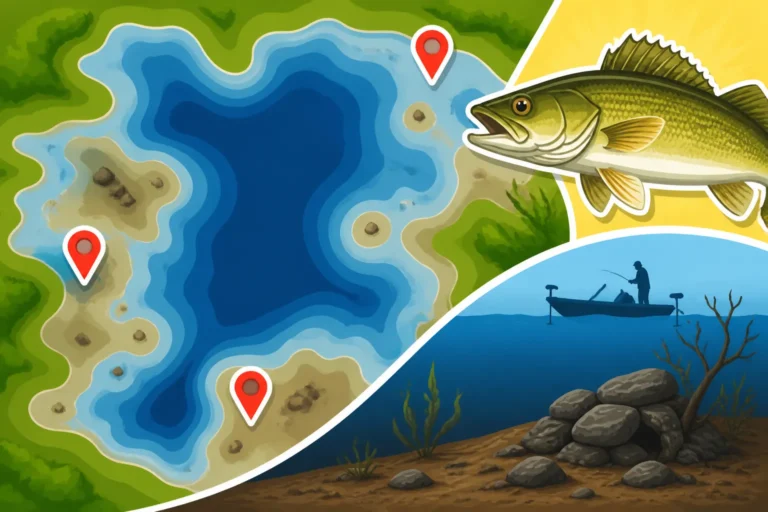
Medicine Lake isn't just a big bowl of water; it boasts a good variety of structure that holds fish throughout the year. You'll find shallow weed beds that transition into deeper contours, especially along the western and eastern shores. There are also distinct points and a few submerged humps that act as magnets for predatory fish like walleye and pike. Understanding these features is key to unlocking the lake's potential. The northern basin tends to be a bit shallower and weedier, excellent for panfish and bass, while the central and southern portions offer more significant depth changes. Knowing these general zones can save you a lot of time on the water, helping you narrow down where to focus your efforts based on the species you're targeting.
Common Fish Species in Medicine Lake
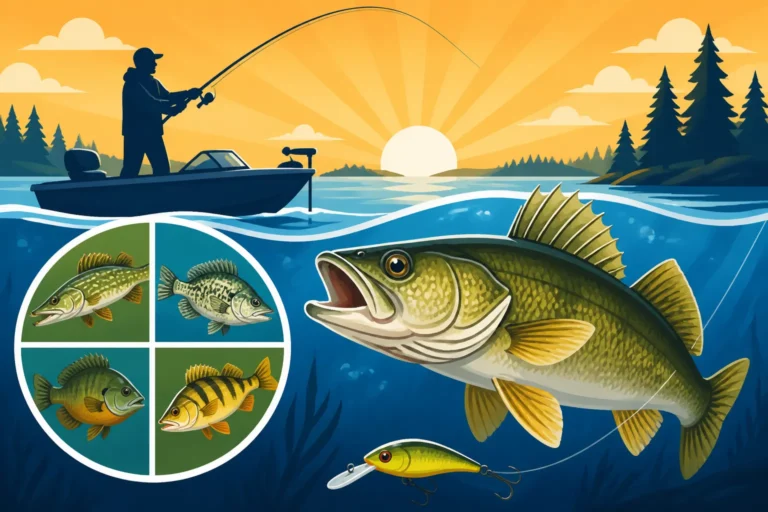
Medicine Lake is home to a diverse array of fish, making it a fantastic multi-species fishery. You'll find healthy populations of Walleye, Northern Pike, Largemouth Bass, and several panfish species, including Crappie and Sunfish. Yellow Perch are also present and serve as an important forage base for the larger predators. What’s great about Medicine Lake is that it truly offers something for everyone, whether you're chasing trophy pike or simply looking to fill a bucket with panfish for a family fish fry. Each species has its preferred habitat and seasonal patterns, so understanding these can greatly improve your success. This diversity is what keeps anglers coming back, ensuring there's always a new challenge or a reliable bite to be found.
What's Biting: A Seasonal Breakdown for Medicine Lake
Knowing what fish are active and where to find them changes dramatically with the seasons in Minnesota. Medicine Lake is no exception, and truly successful anglers pay close attention to these natural rhythms. From the ice-out frenzy to the dog days of summer, and into the autumn bite, fish behavior shifts, and so should your tactics. This section will guide you through the year, highlighting the prime targets and effective strategies for each season on Medicine Lake.
Spring Fishing After Ice-Out
When the ice finally melts on Medicine Lake, usually in April, a renewed sense of hope (and sometimes chaos) takes over the fishing community. This post-ice-out period is fantastic for targeting crappie and northern pike, as they become incredibly active and often move into shallow, warmer waters. Look for crappie in bays and along shorelines that warm up quickly, especially those with reeds or submerged wood. Small jigs tipped with a minnow or a plastic tail under a bobber are deadly. For pike, they'll often be in these same areas, cruising for an easy meal as they recover from the spawn. Throwing spinnerbaits or suspending jerkbaits in shallow weed edges can produce some aggressive strikes. Walleye will also be in recovery mode after their spawn, and while they might be a bit lethargic at first, focusing on subtle presentations near deeper breaks adjacent to spawning areas can yield results. Don't forget that Minnesota Fishing Seasons & Opener Dates (2026) dictate when you can legally target certain species, so always double-check the current regulations.
Summer Fishing Strategies
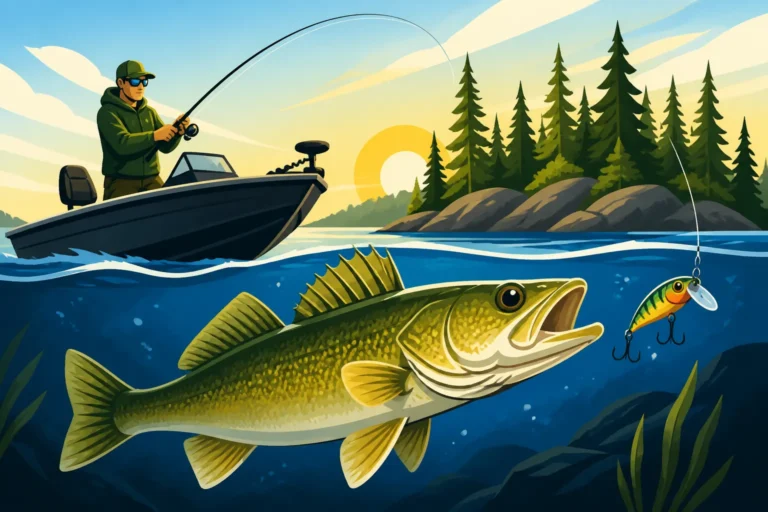
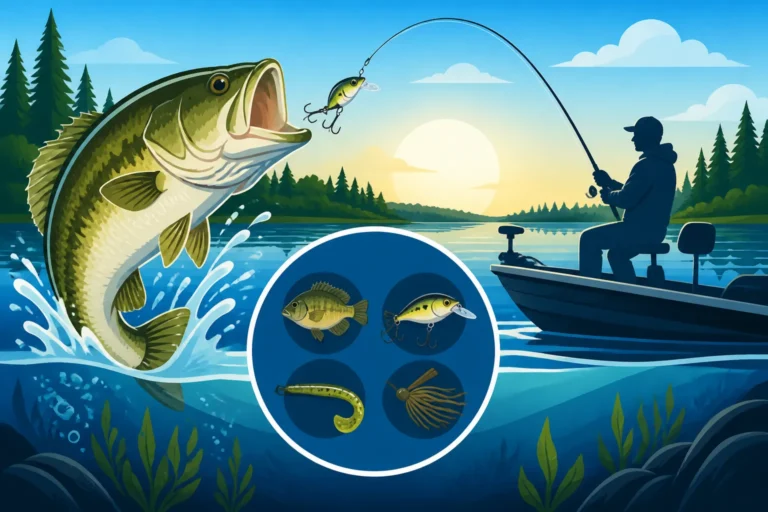
Summer on Medicine Lake brings warmer water, thicker weeds, and a shift in fish behavior. This is prime time for largemouth bass, which will be firmly entrenched in the abundant weed beds and around docks. Flipping jigs, throwing topwater frogs over matted vegetation, or working Texas-rigged worms along weed lines are all highly effective Bass Fishing Techniques for Minnesota Lakes. For walleye, they tend to move to deeper main lake structure during the day, often relating to the 15-25 foot depths. Lindy rigs with leeches or nightcrawlers, or trolling crankbaits, are popular choices. Night fishing for walleye can also be incredibly productive during the summer, as they move shallower to feed under the cover of darkness. Northern pike will still be around the weed edges, but often in slightly deeper, cooler sections than in spring. Deeper diving crankbaits or large spinnerbaits worked just outside the weed lines can entice a bite.
Fall Transition and the Last Hurrah
As water temperatures begin to drop in late summer and early fall, Medicine Lake's fish enter a feeding frenzy, bulking up for the long winter ahead. This is arguably one of the best times to target almost all species. Walleye move shallower again, becoming much more aggressive. Trolling crankbaits, casting jigs, or using a slip bobber with a shiner minnow can be very effective, especially along breaklines and points. Muskie Fishing Techniques for Beginners might also come into play during this period, as they become more active, often following walleye and pike into shallower feeding areas. Look for northern pike to become particularly aggressive, hitting larger spoons and jerkbaits as they patrol the remaining green weed beds. Panfish, like crappie and sunfish, will form larger schools and move to deeper main-lake basins or congregating near submerged structure, making them easier to locate with electronics. The fish are often fat and feisty, making for memorable outings.
Winter Ice Fishing Opportunities
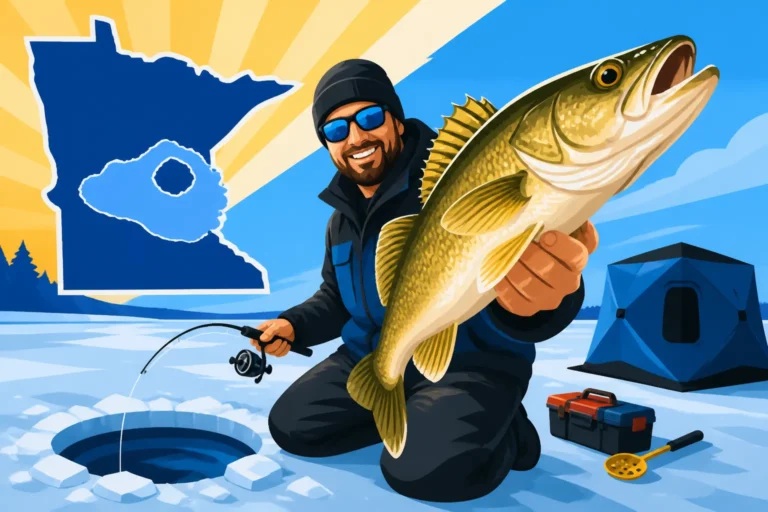
When Medicine Lake freezes over, it transforms into an ice fishing paradise for metro anglers. The lake offers excellent opportunities for a variety of species, and it's particularly popular for panfish and northern pike. Crappie and sunfish are often found in suspended schools over deeper basins or relating to humps and drop-offs. Small tungsten jigs tipped with wax worms or plastics, fished with a sensitive rod, are the go-to. For pike, tip-ups set with large shiner minnows or sucker minnows near weed lines are very effective. You might also find walleye relating to transitional areas between deep and shallow water, especially around points and submerged structures. Jigging spoons and Rippin' Raps can draw strikes. Remember to adhere to all Minnesota Ice Fishing & Shelter Rules, including ice shelter removal deadlines in Minnesota. It's a great social time on the ice, and the access to Medicine Lake makes it a convenient option for many.
Key Species and Where to Find Them
Understanding the general seasonal movements is one thing, but pinpointing where on Medicine Lake specific fish species are likely to be found, and how to catch them, is where the real magic happens. Each species has its preferences, and Medicine Lake’s varied habitat caters to many.
Walleye: Minnesota's Crown Jewel
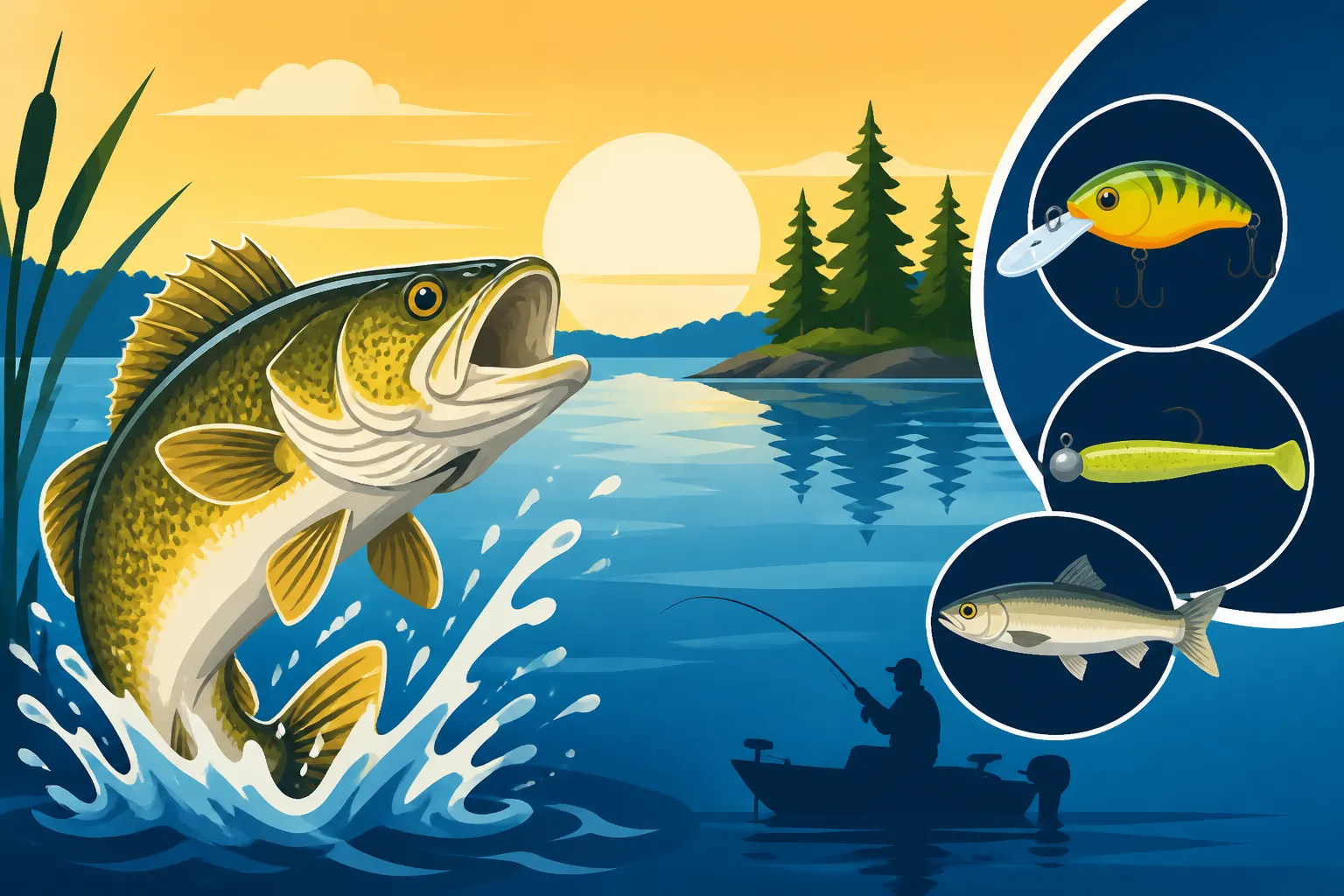
Walleye are a prized catch in Medicine Lake, offering a challenging yet rewarding pursuit. While not as heavily managed for walleye as some of Minnesota's larger northern lakes, Medicine Lake still holds a respectable population, providing good opportunities for anglers. They are typically found relating to structure—think points, drop-offs, and the edges of deeper flats. In spring and fall, they'll cruise shallower breaks, often around 10-15 feet, especially during low light conditions or at night. In summer, they tend to drop deeper, holding in 20-30 feet during the day, often suspending over structure. Effective techniques include jigging with minnows or plastics, especially early and late in the day. A classic Lindy Rig or a slip bobber setup with a lively leech or nightcrawler presented along contour lines can be incredibly effective when they're a bit lethargic. Trolling crankbaits like Berkley Flicker Shads or Rapala Shad Raps along breaklines in summer can also connect you with active fish. Many anglers find that focusing on the deeper main lake humps and points, particularly in the central and southern parts of the lake, increases their chances. For more general tactics, check out our Walleye Fishing Techniques: Complete Minnesota Guide.
Northern Pike: The Aggressive Predators
Northern Pike are abundant in Medicine Lake and offer exciting action, often being less finicky than walleye. They are ambush predators and are almost always found relating to vegetation. Look for them in and around dense weed beds, particularly those that transition into deeper water. Large spinnerbaits, spoons, and suspending jerkbaits are excellent choices for covering water and triggering strikes. In spring and fall, they'll be in shallower, thicker weeds, while in summer, they might retreat to slightly deeper weed edges or cooler water pockets. Medicine Lake has a good population of smaller "hammer handle" pike, but also offers the chance at larger, more respectable fish, especially if you target them with bigger baits. Casting bright, flashy lures into weed pockets or trolling larger crankbaits along the edges of weed beds are reliable tactics. If you're ice fishing, setting up tip-ups with large shiner minnows near prominent weed lines is a surefire way to get a flag. For help identifying your catch, our Northern Pike in Minnesota: Identification & Where to Catch guide is a great resource.
Largemouth Bass: Fighters of the Weeds
Medicine Lake is an excellent largemouth bass fishery, boasting healthy numbers and a good chance at bigger fish. These powerful fighters are almost exclusively found in and around the lake's extensive weed beds and submerged vegetation. Docks, lily pads, and fallen timber are also prime locations. During the warmer months, techniques like flipping and pitching jigs or Texas-rigged worms into dense cover can be incredibly productive. Topwater lures like frogs and poppers fished over matted vegetation during low light hours are exhilarating. Spinnerbaits and chatterbaits are also excellent for covering water along weed edges. As summer progresses, you might find bass retreating to slightly deeper weed lines or shady cover on bright, hot days. Focus your efforts on the northern and western sections of the lake where vegetation is most prominent. Remember, bass are often caught and released, ensuring the health of this thriving population.
Panfish: Crappie and Sunfish Galore
Medicine Lake is a panfish paradise, making it a perfect spot for families or those just looking for consistent action. Both crappie and sunfish (bluegill and other sunfish species) are abundant. Crappie often suspend in schools over deeper water, particularly over the main lake basin in the summer and winter. In spring and fall, they move shallower, often found around emergent vegetation, submerged brush, and docks. Small jigs tipped with minnows, wax worms, or tiny plastic bodies under a slip bobber are highly effective. For sunfish, they are almost everywhere, especially in shallower bays and along shorelines with good weed cover. Small jigs, tiny spoons, or even just a hook with a piece of nightcrawler under a bobber will get their attention. The key to panfish is often finding the schools; once you locate them, the action can be non-stop. Early mornings and evenings are often prime times, especially during the warmer months. Our Crappie & Panfish Fishing Techniques article offers more detailed tips.
Getting Out on the Water and Essential Resources
Medicine Lake is incredibly accessible, making it a popular choice for local anglers. But even with great access, knowing the ins and outs of getting your boat on the water, where to find bait, and if a guide might be helpful can make all the difference for a successful day.
Public Access Points and Boat Launches
Medicine Lake offers excellent public access, a huge plus for a metro lake. The main public boat launch is located on the lake's east side, within Medicine Lake Regional Park (sometimes referred to as French Regional Park). This launch provides ample parking and good facilities, making it easy to get boats of various sizes in and out of the water. There are also designated shore fishing areas within the park for those without a boat, offering opportunities to catch panfish and sometimes even bass or pike right from the bank. For a complete list and details on public access points across the state, consider reviewing our guide on Public Boat Launches & Access in Minnesota. Always remember to perform proper Aquatic Invasive Species (AIS) Rules for Boaters protocols when launching and retrieving your boat to help protect Medicine Lake's ecosystem.
Bait Shops and Local Expertise
While Medicine Lake is conveniently located near major metropolitan areas, having access to fresh bait and local insights can greatly enhance your trip. There are several bait shops within a short drive of Medicine Lake. These local establishments often provide the freshest minnows, leeches, and nightcrawlers, which are essential for many Medicine Lake species. More importantly, these shops are a goldmine of current information. The folks working there talk to anglers all day, every day, and often have the most up-to-date reports on what’s biting, where, and what hot baits are working. Don't be shy about asking for advice; they're usually happy to share their knowledge, especially if you're buying some supplies. A quick stop at a place like Vados Bait & Tackle or a local Fleet Farm before heading to the lake can often make a significant difference in your day's success.
Consider a Fishing Guide for Local Insights
If you're new to Medicine Lake, or simply want to maximize your time on the water and learn the lake quickly, hiring a local fishing guide can be an invaluable investment. A professional guide knows the lake inside and out—the subtle contours, the secret weed beds, and the current fish patterns that can be hard to discern on your own. They have the right gear, the latest electronics, and the expertise to put you on fish, often teaching you techniques specific to Medicine Lake. Platforms like FishingBooker make it easy to find and book experienced guides who specialize in the local waters, including Medicine Lake. They can tailor a trip to your preferred species, whether it's chasing big bass or filling a cooler with crappie. This is especially useful if you're visiting from out of town or just want to fast-track your learning curve on this productive metro lake. A guide can help you understand the lake's seasonal nuances and structure, making your future trips even more successful.
| Species | Best Seasons | Typical Locations | Effective Baits/Lures | Notes |
|---|---|---|---|---|
| Walleye | Spring, Fall, Winter | Points, deep breaks, humps, main lake basin | Jigs (minnow/plastic), Lindy rigs (leech/crawler), Crankbaits, Jigging spoons | Night fishing often productive in summer. |
| Northern Pike | All Seasons | Weed lines, thick vegetation, shallow bays | Spinnerbaits, Spoons, Jerkbaits, Live minnows (tip-ups) | Aggressive strikes, can be found in similar areas as bass. |
| Largemouth Bass | Spring, Summer, Fall | Weed beds, lily pads, docks, fallen timber | Jigs (flipping), Topwater lures, Texas/Wacky worms, Spinnerbaits | Exciting topwater action in warmer months. |
| Black Crappie | Spring, Fall, Winter | Suspended over basins, submerged brush, docks | Small jigs (minnow/plastic), Slip bobbers | Schools can be large; use electronics to locate. |
| Sunfish | All Seasons | Shallow bays, weed beds, shoreline structure | Small jigs, Worms, Tiny spoons | Great for beginners and kids; consistent action. |
Staying Informed and Fishing Responsibly
Being a successful angler isn't just about knowing where the fish are; it's also about staying informed about regulations and practicing responsible angling to ensure Medicine Lake remains a fantastic fishery for generations to come. The Minnesota Department of Natural Resources (DNR) website is your go-to for the most current information.
Minnesota DNR Resources
The Minnesota DNR is the ultimate authority for all things fishing in the state, and their website is packed with invaluable resources for Medicine Lake anglers. You can find the official Minnesota Fishing Regulations PDF, which details bag limits, size restrictions, and season dates for all species, including specific rules that might apply to Medicine Lake. It’s crucial to review these regulations annually, as they can change to adapt to fish populations and environmental conditions. The DNR also provides lake maps, fishing reports, and information on fish stocking efforts. Regularly checking their site ensures you’re always fishing legally and responsibly, contributing to the health and sustainability of Medicine Lake’s fishery.
Practicing Catch and Release
While Medicine Lake offers opportunities to keep fish for the dinner table, practicing selective harvest and catch and release, especially for larger specimens of walleye, bass, and pike, is vital for maintaining a healthy fishery. Releasing bigger, older fish allows them to continue spawning and contribute their strong genetics to the population. When practicing catch and release, handle fish gently, minimize their time out of water, and use proper de-hooking tools. Our Catch and Release Best Practices in Minnesota guide can walk you through the specifics to ensure the fish you release have the best chance of survival. Taking only what you need and releasing the rest helps ensure that Medicine Lake continues to provide incredible fishing experiences for everyone who casts a line there.
Disclaimer
Fishing conditions, regulations, and fish behavior can change rapidly. Always consult the most current Minnesota DNR fishing regulations before heading out on Medicine Lake. This guide provides general information and recommendations based on typical patterns and should be used as a supplementary resource.