How Much Is a Minnesota Fishing License?
The Minnesota fishing license system can feel like a bit of a maze, can't it? You just want to get out on the water, cast a line, and enjoy some peace, but first, you're faced with a seemingly endless list of prices, categories, and requirements. It's enough to make your head spin before you even bait a hook! This comprehensive guide is here to untangle all that confusion, breaking down exactly how much a Minnesota fishing license costs, what different options are available, and how you can get yours without a headache.
The Sticker Shock of Minnesota Fishing Licenses: Why Do They Cost What They Do?
It's a common question: why do we even need to pay for a fishing license in the first place? For many, especially those new to the sport or visiting from out of state, the idea of paying a fee just to pursue fish can seem a little baffling. But there's a really good reason behind those costs, and understanding it often helps put the "sticker shock" into perspective. These aren't just arbitrary fees; they're essential investments in the very pastime we all love.
Funding Fisheries and Conservation Efforts
When you purchase a Minnesota fishing license, you're doing a lot more than just buying permission to fish. You're directly contributing to the health and sustainability of Minnesota's incredible aquatic resources. Think of it as a vital investment in the future of fishing. The funds generated from license sales are the backbone of the Minnesota Department of Natural Resources (DNR) fisheries programs. This money goes into a dedicated fund, not just into a general state budget, ensuring it directly benefits fishing.
What does that mean in practice? It means your license dollars are used for things like stocking millions of fish – walleye, northern pike, trout, muskie, and more – into lakes and rivers across the state. It supports critical research projects that monitor fish populations, track disease, and help scientists understand how to best manage our diverse ecosystems. These funds also help protect and restore crucial fish habitats, from shoreline vegetation to spawning beds, ensuring that fish have healthy places to live and reproduce. Without these programs, our lakes and rivers wouldn't be nearly as vibrant and productive as they are, and the quality of fishing we enjoy would undoubtedly decline.
The Economic Reality of Maintaining Minnesota's Waters
Beyond direct fish management, your license fees also support the broader infrastructure that makes fishing accessible and enjoyable. This includes everything from maintaining public boat launches and fishing piers to developing educational programs for new anglers. It covers the costs of enforcing fishing regulations, which is crucial for preventing overharvesting and protecting vulnerable species. Conservation officers, often seen as the "bad guys" handing out tickets, are actually on the front lines, ensuring everyone plays by the rules so our fish populations can thrive for generations to come.
Consider the sheer scale of Minnesota's waters: over 11,842 lakes (officially, though many say closer to 15,000!) and thousands of miles of rivers and streams. Managing and protecting such a vast and complex system requires significant resources, both human and financial. Your license fee helps pay for the salaries of biologists, technicians, educators, and enforcement officers who work tirelessly year-round. It covers equipment, vehicles, and facilities needed for fieldwork, hatchery operations, and public outreach. It's a complex, expensive endeavor, and anglers, through their license purchases, play a pivotal role in ensuring its continued success.
Decoding the Price List: Resident vs. Nonresident Rates
One of the first things you'll notice when looking at Minnesota fishing license costs is the clear distinction between resident and nonresident rates. This is a common practice across states, designed to acknowledge that state residents, through their taxes and property ownership, already contribute to the maintenance of public resources. Nonresidents, while incredibly welcome, typically pay a higher fee to help offset their usage of these resources without the same level of background financial contribution.
Standard Annual Licenses for Everyday Anglers
For most Minnesota residents who plan to fish regularly throughout the open season, the annual fishing license is the most straightforward and cost-effective option. As of the 2026 season, a standard annual resident fishing license typically costs around $26.00. This license grants you the right to fish across the state for an entire calendar year, from March 1st to the end of February the following year. It's a fantastic value when you consider the opportunities it opens up – from chasing walleye on Mille Lacs to panfish in your local pond.
For nonresidents, the annual license is, as expected, a bit more expensive, usually in the range of $56.00. While a higher price point, it still offers tremendous value for those who make multiple trips to Minnesota each year or plan an extended stay. Many families from neighboring states like Wisconsin or Iowa find this a worthwhile investment for their annual fishing vacations. It covers all the same general fishing privileges as the resident license, allowing nonresidents to enjoy Minnesota's legendary fisheries. If you're a nonresident planning several trips, this is almost always the smart choice, preventing you from having to purchase multiple short-term licenses. You can learn more about specific requirements for non-residents in our guide on Nonresident Fishing in Minnesota: Licenses & Rules.
Short-Term Options for Quick Trips and Visitors
Not everyone needs a full annual license, and Minnesota offers some great short-term options that cater to different needs, especially for visitors or residents who might only fish once or twice a year.
The 24-hour license is perfect for those spontaneous fishing trips or for out-of-state guests who are just passing through. For both residents and nonresidents, this license is usually around $14.00. It's incredibly convenient if you're only going to hit the lake for a day. Imagine you're visiting friends in the Brainerd Lakes Area, and they decide last minute to take the boat out for a few hours. A 24-hour license gets you on the water legally without committing to a full year.
For nonresidents planning a slightly longer visit, the 72-hour (3-day) license is a popular choice, typically costing about $35.00. This is ideal for a long weekend getaway, allowing you Friday, Saturday, and Sunday on the water. It’s significantly cheaper than buying a full annual nonresident license if you only visit once a year for a few days. Similarly, a 14-day nonresident license is available for around $47.00, perfect for a two-week family vacation exploring various lakes. These options provide flexibility, ensuring you only pay for the time you actually need to fish.
The Combination License: A Package Deal for Couples
Minnesota understands that many fishing adventures are shared experiences, especially between spouses. To make things a little easier and more economical, they offer a combination angling license. This license is specifically for a husband and wife, allowing both to fish under a single license. The resident combination license typically costs around $41.00, offering a slight discount compared to purchasing two separate annual resident licenses. For nonresidents, the combination license is usually about $71.00.
This is a fantastic option for couples who regularly fish together. It simplifies the process of getting licensed and offers a small but appreciated savings. However, it's important to remember that if one spouse plans to fish without the other, they would still need their own individual license or to be covered under one of the free fishing exemptions. It's truly designed for shared fishing experiences, making it a favorite for many long-term fishing partners.
Here's a quick overview of common Minnesota fishing license costs for 2026:
| License Type | Resident Cost (Approx.) | Nonresident Cost (Approx.) | Valid For | Notes |
|---|---|---|---|---|
| Annual Angling | $26.00 | $56.00 | March 1 – Feb 28/29 (next year) | Standard choice for regular anglers. |
| 24-Hour Angling | $14.00 | $14.00 | 24 consecutive hours | Great for short, spontaneous trips. |
| 72-Hour (3-Day) Angling | N/A | $35.00 | 72 consecutive hours | Popular for nonresident weekend trips. |
| 14-Day Angling | N/A | $47.00 | 14 consecutive days | Ideal for longer nonresident vacations. |
| Combination (Husband & Wife) | $41.00 | $71.00 | March 1 – Feb 28/29 (next year) | Discounted for married couples fishing together. |
| Annual Sports (Fishing & Small Game) | $45.00 | N/A | March 1 – Feb 28/29 (next year) | Includes small game hunting. |
| Annual Trout & Salmon Stamp | $10.00 | $10.00 | Required in addition to angling license | For fishing designated trout & salmon waters. |
| Sturgeon Tag | $5.00 | $5.00 | Required in addition to angling license | For taking lake sturgeon. |
| Dark House Spearing License | $6.00 | $6.00 | Required in addition to angling license | For spearing fish from a dark house. |
Note: Prices are approximate for the 2026 season and can change. Always check the official Minnesota DNR website for the most current information.
Beyond the Basic: Specialized Licenses and Additional Stamps
While the general angling license covers most fishing activities, Minnesota has a few specific situations where additional stamps or licenses are required. These specialized requirements are usually tied to particular species or unique fishing methods, again designed to help manage these specific resources more effectively. Ignoring these extra requirements can lead to fines, so it's always best to be prepared.
The All-Important Minnesota Trout Stamp
If you're planning to target trout in Minnesota's designated trout streams or lakes, you'll need more than just your basic angling license. The Minnesota Trout & Salmon Stamp is an additional endorsement that must be purchased. This stamp typically costs around $10.00 for both residents and nonresidents. It's a physical stamp that you'll attach to your fishing license, or it will be printed directly on it if purchased electronically.
Why the extra stamp? The revenue generated from trout and salmon stamps goes directly into programs focused on these specific species. This means funding for stocking cold-water species, conducting research on their populations, and maintaining the unique habitats they require, such as the pristine streams of the Driftless Area in Southeast Minnesota or the deep, cold waters of Lake Superior and its tributaries. Without this dedicated funding, managing these specialized fisheries would be much more challenging. Even if you're just dipping a line in a stocked pond that contains trout, you'll need this stamp. Make sure to check out our detailed guide on Minnesota Trout Stamp & Trout Regulations for everything you need to know about pursuing these beautiful fish.
Navigating Lake Sturgeon Regulations and Tags
Catching a giant lake sturgeon is a dream for many anglers, especially on rivers like the Rainy River. These ancient fish are incredible to behold, but their populations require careful management due to their slow growth and long lifespans. If you plan to harvest a lake sturgeon in Minnesota, you are required to purchase a sturgeon tag in addition to your regular fishing license. This tag usually costs about $5.00 for both residents and nonresidents.
The sturgeon tag is part of a system designed to monitor the harvest of these magnificent fish. When you successfully land and decide to keep a sturgeon (within the strict slot and length limits, of course), you must immediately attach and validate this tag. This helps the DNR track harvest numbers and ensure the species' long-term health. Given the rarity and protected status of these fish, proper tagging and adherence to the Lake Sturgeon Regulations & Tag in Minnesota are paramount. Most anglers practice catch-and-release for sturgeon, in which case the tag is not required, but it's always good to have if you intend to keep one within the legal guidelines.
Dark House Spearing: A Unique Minnesota Tradition
For those who embrace a different kind of winter angling, Minnesota offers the unique tradition of dark house spearing. This involves setting up a darkened ice shelter over a large hole in the ice and using a decoy to lure in fish, typically northern pike, which are then speared. If you plan to engage in this activity, you'll need a dark house spearing license, in addition to your general fishing license. This special license typically costs around $6.00 for both residents and nonresidents.
The dark house spearing license helps the DNR monitor participation in this specific method of harvest. It also contributes to the management of northern pike populations, a popular sport fish that is often targeted by spearers. Spearing requires specific regulations, including maximum spear width and rules about what species can be legally speared. It's a fascinating way to experience ice fishing, but definitely one that requires careful attention to the rules. Our comprehensive guide on Dark House Spearing in Minnesota: Rules & License dives deep into all the intricacies of this time-honored Minnesota tradition.
Who Gets a Pass? Understanding Discounts and Exemptions
Minnesota is committed to making fishing accessible to everyone, and part of that commitment involves offering various discounts and exemptions for certain groups. These aren't just handouts; they're thoughtful initiatives designed to encourage participation among youth, seniors, and those with disabilities, ensuring that fishing remains a family-friendly and inclusive activity.
Minnesota Fishing License for Seniors and Youth
Age plays a significant role in determining license requirements and costs in Minnesota.
For youth, the news is fantastic:
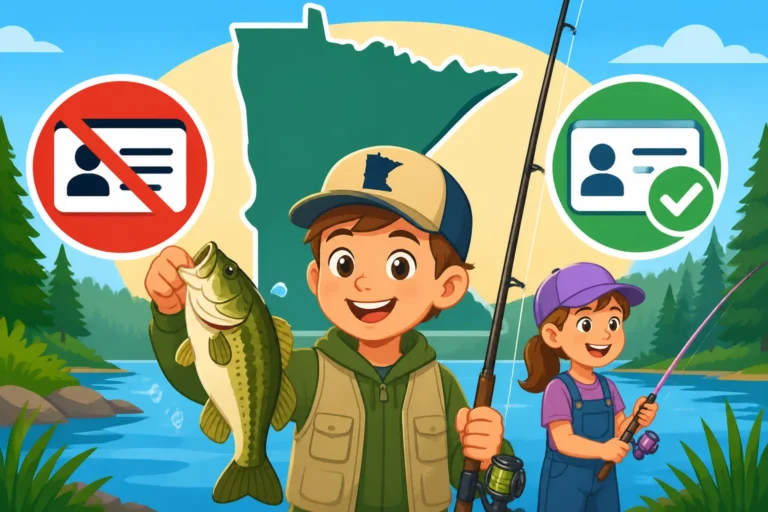
- Children under the age of 16 generally do not need a fishing license to fish in Minnesota. This is a wonderful way to introduce kids to the joys of fishing without an extra financial burden on parents. It encourages families to get out on the water together and foster a love for the outdoors from a young age. This exemption applies to both residents and nonresidents, making it easy for visiting grandkids to join in the fun. Check out our detailed article, Minnesota Fishing License for Kids & Youth, for all the specifics.
For seniors, Minnesota offers a well-deserved break:
- Resident anglers aged 65 and over can purchase a special Senior Angling License at a reduced rate, typically around $10.00. This is a token of appreciation for their years of contributing to the state and to the sport. It ensures that fishing remains an affordable and accessible pastime for those in their golden years. Nonresident seniors, however, generally pay the standard nonresident rates, though they may qualify for annual or short-term options. Understanding these age-based rates is crucial, and our guide on Minnesota Fishing License for Seniors provides all the necessary details.
Free Fishing Weekends and Special Circumstances
Beyond age-based exemptions, Minnesota also hosts Free Fishing Weekends. These are designated times, usually once in winter for ice fishing and once in summer, where Minnesota residents can fish without a license. Nonresidents still require a license during these times, though they can introduce a child under 16 to fishing without a license. These weekends are fantastic opportunities for families, new anglers, or those who haven't fished in a while to try it out without any upfront cost for a license. It's a perfect way to experience the state's amazing fisheries and perhaps spark a lifelong passion. Keep an eye on the DNR website for dates for Free Fishing Weekends in Minnesota.
Additionally, there are other specific exemptions:
- Disabled Residents: Residents who meet certain disability criteria may be eligible for a free fishing license or a significantly reduced rate. This is designed to ensure that physical limitations do not prevent individuals from enjoying Minnesota's natural resources. Specific documentation from a medical professional or proof of disability benefits is usually required.
- Active Military Personnel: Resident military personnel who are stationed outside of Minnesota but are in the state on leave may also be eligible for certain exemptions or special license considerations. Always check current regulations as these can change.
Licenses for Individuals with Disabilities
Minnesota goes the extra mile to ensure fishing is accessible to everyone, including those with disabilities. A resident who has a permanent and total disability, or who is a permanently disabled veteran, may be eligible for a free angling license. This thoughtful provision helps remove financial barriers and encourages participation in outdoor activities that can be incredibly beneficial for mental and physical well-being.
To qualify, individuals typically need to provide proof of their disability status, often through specific forms from the Social Security Administration, Veterans Affairs, or a licensed physician. The application process usually involves submitting documentation to the DNR. This program ensures that fishing, a cherished Minnesota pastime, is truly for everyone, regardless of their physical challenges. It's a testament to the state's commitment to inclusivity and the belief that everyone deserves the chance to experience the peace and joy of being on the water.
Your Roadmap to Getting Licensed: Where and How to Buy
So, you're ready to get your license and hit the water – fantastic! Thankfully, Minnesota makes it pretty convenient to purchase your fishing license, offering several different avenues to suit your preference. Gone are the days of needing to find a specific brick-and-mortar store to buy a physical paper license. While that option is still available and often preferred by many, digital convenience has certainly made things easier.
Online, In-Person, and Phone Purchase Options
You have a few primary ways to purchase your Minnesota fishing license:
- Online: This is by far the most popular and convenient method for many anglers. You can purchase your license directly from the official Minnesota DNR website. The process is straightforward: you'll enter your personal information, choose the license type you need, pay with a credit card, and then you can either print your license at home or save it digitally on your phone. Many anglers prefer to keep a digital copy accessible on their smartphone, ensuring they always have it with them. This method saves time and allows you to purchase a license anytime, day or night, from the comfort of your home. If you're looking for a step-by-step guide, our article on How to Get a Minnesota Fishing License Online walks you through the entire process.
- In-Person: For those who prefer a more traditional approach or who might need help navigating the options, you can still purchase your license in person. Authorized license agents are located throughout the state, including many bait shops, sporting goods stores like Cabela's or Fleet Farm, and even some county government offices. These agents are usually knowledgeable about the different license types and can answer any questions you might have. It's also a great way to support local businesses before you head out on your trip. You can typically find a list of authorized vendors on the DNR website. Our guide Where Can I Buy a Minnesota Fishing License? offers more details on finding a location near you.
- By Phone: If you don't have internet access or prefer to speak with someone directly, you can also purchase your license over the phone through the DNR's licensing call center. They will guide you through the process, take your information, and process your payment. You'll then receive a confirmation number, which serves as your temporary license until a physical copy arrives in the mail or you can print one. This is a good option for those who might be traveling or have limited access to technology.
What You'll Need: Identification and Information
No matter how you choose to purchase your license, you'll need to have some basic information ready. This typically includes:
- Proof of Identity: A valid driver's license or state-issued identification card is usually sufficient. This is used to verify your identity and, if applicable, your residency status. For nonresidents, your home state ID will work just fine.
- Social Security Number (SSN): Federal law requires state agencies to collect Social Security Numbers from individuals applying for recreational licenses, primarily for child support enforcement purposes. This information is kept confidential.
- Previous License Information (Optional but helpful): If you've purchased a Minnesota fishing license before, having your previous license number handy can sometimes speed up the process, though it's not strictly necessary.
It's always a good idea to double-check the current requirements on the Minnesota DNR website before you make your purchase, as regulations can occasionally be updated. Make sure all your information is accurate to avoid any issues down the line. Remember, fishing without a valid license when one is required can result in fines and other penalties, so it's not a step you want to skip.
The Value Behind the Fee: Why Your Fishing License Matters
Ultimately, the cost of a Minnesota fishing license is a small price to pay for access to some of the best fishing opportunities in North America. Beyond the direct permission it grants you, your license purchase is a tangible contribution to the long-term health and vitality of Minnesota's natural resources. It's an investment in conservation, education, and enforcement, all of which work together to ensure that future generations can enjoy the same incredible fishing experiences we do today.
Every dollar spent on a fishing license is reinvested into the system that supports our fisheries, from the tiniest panfish in a hidden backwater to the mighty walleye in our great lakes. It helps protect critical habitats, manage fish populations through scientific research and stocking, and educate the next generation of stewards. So, next time you're purchasing your license, remember that you're not just buying a piece of paper or a digital file; you're supporting a legacy of outstanding outdoor recreation in the Land of 10,000 Lakes.
Disclaimer
Please note that fishing regulations and license fees in Minnesota are subject to change. While we strive to provide the most accurate and up-to-date information, it is always recommended to check the official Minnesota Department of Natural Resources (DNR) website or the current Minnesota Fishing Regulations handbook for the most recent and precise details before engaging in any fishing activities.