Lake Vermilion Walleye & Muskie
There's nothing quite like the feeling of heading to Lake Vermilion, knowing you're about to cast a line into one of Minnesota's most legendary fishing waters. But let's be honest, this sprawling, complex lake can feel a bit overwhelming, especially when you're trying to zero in on specific species like its famed walleye or those elusive, monstrous muskies. This guide is here to cut through the confusion, offering practical, in-depth advice to help you truly unlock the potential of Lake Vermilion for both its golden-eyed beauties and its toothy giants.
Lake Vermilion: A Northern Minnesota Jewel
Lake Vermilion isn't just another big lake; it's an experience, a true northern Minnesota wilderness fishing destination. Nestled in St. Louis County, this massive body of water boasts an intricate shoreline, countless islands, and diverse depths, making it both a challenge and a dream for anglers. Its reputation as a premier fishing lake is well-earned, drawing enthusiasts from all over who yearn for trophy catches and unforgettable memories.
The Lake's Unique Character and Structure
Imagine a lake with over 1,200 miles of shoreline if you count all the islands – that's Lake Vermilion for you. It's an incredibly complex system, carved by glaciers, featuring everything from shallow, nutrient-rich bays to deep, clear main lake basins. The lake's character changes dramatically from one end to the other. The western end tends to be shallower and stained, with more extensive weed beds, while the eastern end plunges deeper and maintains clearer water, offering more rock reefs and submerged humps. This incredible diversity is precisely what makes Vermilion so productive but also so daunting. Understanding these subtle shifts in habitat is key to finding your target species.
The sheer amount of structure here is mind-boggling. You've got rocky points, deep humps, extensive mud flats, expansive weed lines, and sharp breaks that drop into the abyss. Each type of structure holds different fish at different times of the year, providing endless puzzles for the dedicated angler. This is not a lake where you simply "wing it"; it demands respect, preparation, and a willingness to explore.
Fish Species Diversity Beyond Walleye and Muskie
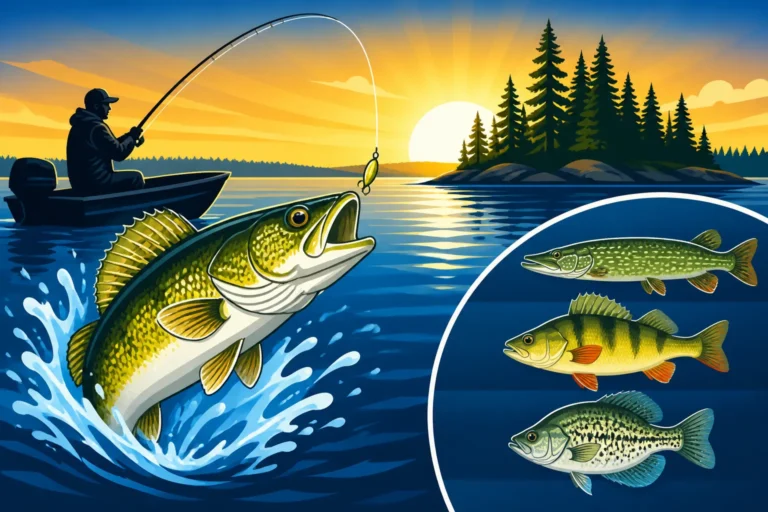
While walleye and muskie steal most of the headlines on Lake Vermilion, it’s a vibrant ecosystem teeming with a wide array of other popular game fish. You’ll find healthy populations of northern pike, smallmouth bass, and even some respectable largemouth bass lurking in the shallower bays. Panfish like crappie and bluegill are also present, offering fun for younger anglers or a tasty meal after a long day chasing bigger predators.
This rich biodiversity means that even if the walleye or muskie aren't cooperating on a given day, there are always other options to pursue. Many anglers will spend part of their day trying for a trophy muskie and then switch gears to target smallmouth bass or northern pike if the conditions feel right. It truly offers a multispecies experience that few other lakes in Minnesota can match. For a deeper dive into all the common species you might encounter, check out our guide on Minnesota Fish Species: Identification Guide .
Unlocking Walleye on Lake Vermilion
Walleye are the undisputed kings of Lake Vermilion for many anglers. Their delicious fillets and challenging nature make them a prime target. Catching them consistently on such a vast lake requires a good understanding of their seasonal movements, preferred habitats, and effective presentation techniques. It’s not always easy, but the rewards are certainly worth the effort.
Seasonal Walleye Patterns on Vermilion
Walleye behavior on Lake Vermilion shifts dramatically with the seasons, from the chaotic spawn to the deep-water summer bite and the aggressive fall feeding frenzy.
- Spring Opener (May-June): When the season opens, walleye are typically recovering from their spawn. You'll find them shallower, often near spawning areas like rocky points, river mouths, and warm bays. This is a fantastic time for jig and minnow presentations or slow trolling crankbaits along the first break. The water is often still cold, so a subtle approach is best. Keep an eye on water temperatures; as they rise, the fish will spread out.
- Summer (July-August): As the water warms, walleye move to deeper, cooler water. They'll relate to offshore structure like humps, rock reefs, and deep weed lines, especially on the clearer eastern side of the lake. Mud flats on the western end can also be prime targets. This is prime time for pulling crawler harnesses on bottom bouncers, snap jigging, or deep trolling crankbaits. Early mornings, late evenings, and even night fishing can be incredibly productive during the heat of summer. For specific tips on how to catch walleye at night, you can explore that guide.
- Fall (September-October): Fall brings a major feeding spree as walleye bulk up for winter. They often move shallower again, congregating on structure adjacent to deep water. This can be some of the best fishing of the year, with fish actively chasing bigger baits. Trolling larger crankbaits, casting big jigs with plastic, or live bait rigging with big minnows are all excellent choices. They're often grouped up, so when you find one, there are usually more.
Top Walleye Techniques for Vermilion Success
Lake Vermilion's diverse structure calls for a versatile approach to walleye fishing. Sticking to just one technique might limit your success.
- Jigging and Live Bait Rigs: These are staples for a reason. Whether you're vertically jigging a lead head with a shiner or leech over a deep rock pile, or slowly drifting a Lindy Rig with a crawler along a break line, live bait is often irresistible to walleye. In spring, a jig and minnow is king. As summer progresses, leeches and nightcrawlers become incredibly effective. Understanding how to fish a Lindy Rig for Walleye is almost a rite of passage for Minnesota anglers.
- Trolling Crankbaits and Crawler Harnesses: When fish are scattered over larger flats or along extensive break lines, trolling becomes incredibly efficient. Crankbaits like Berkley Flicker Shads or Rapala Shad Raps are excellent for covering water and triggering strikes. Vary your speed and depth until you find the sweet spot. For deeper water or fish hugging the bottom, crawler harnesses on bottom bouncers are lethal, especially when tipped with a lively nightcrawler. You can learn more about Trolling Crankbaits for Walleye: Speed & Depth to refine your technique.
- Slip Bobbers and Snap Jigging: For precise presentations around specific cover, slip bobbers are fantastic with leeches or minnows. They allow you to suspend bait at a specific depth, enticing shy fish. Snap jigging, on the other hand, is an aggressive technique that uses a quick jigging motion to trigger reaction strikes, often with a jig and plastic or a Rapala Jigging Rap. This can be deadly on active fish, particularly in clear water or during cooler periods.
Key Walleye Locations and Hotspots
Given Vermilion's size, it can be tough to know where to start. However, some areas consistently produce walleye.
- Big Bay & Frazer Bay: These western bays offer extensive weed lines, mud flats, and shallower water, making them prime targets in spring and fall. Look for baitfish concentrations, and you'll often find walleye nearby.
- Pine Island Area: A classic Vermilion hotspot, the Pine Island area is riddled with reefs, humps, and intricate breaks. It’s a fantastic all-season spot, with fish using different parts of the structure depending on the time of year and day. Pay attention to the transitions from rock to mud.
- Main Lake Reefs and Humps (Eastern Side): From McKinley Park to the eastern narrows, numerous offshore reefs and humps rise from deep water. These are crucial summer and fall holding areas. Use your electronics to find the exact sweet spots, often the tops or edges of these structures. Brands like Humminbird and Garmin offer excellent fish finders to help you pinpoint these hidden gems.
Chasing Muskie Giants on Vermilion
Lake Vermilion is legendary for its muskie fishery, known for producing not just numbers, but truly colossal fish. This is the "fish of 10,000 casts" for a reason, but the thrill of seeing a follow or landing one of these apex predators is unparalleled. The lake's abundant forage base, varied habitat, and excellent management have created a world-class muskie destination.
Prime Muskie Seasons and Activity
Muskie behavior, like walleye, is heavily influenced by water temperature and seasonal changes, though their aggression levels can be a law unto themselves!
- Early Season (June-July): After the opener, muskies are often found shallower, relating to newly developing weed beds, rocky points, and shallow reefs where they can ambush smaller prey. Bucktails, smaller jerkbaits, and topwater lures can be very effective as the water warms up. This is a time of high energy, and the fish are often aggressive after their spawn.
- Mid-Summer (August): As temperatures peak, muskies often move to deeper weed edges, expansive open water over deeper humps, or suspend over thermoclines, following schools of tullibee and whitefish. Larger bucktails, deep-diving crankbaits, and big rubber baits become more productive. Don’t neglect casting over deep structure; sometimes they just sit in ambush.
- Fall (September-October): This is trophy time! As water temperatures drop, muskies enter a serious feeding phase, packing on weight for the winter. They'll often move back to major rock points, deep breaks, and the edges of large flats. Big rubber baits like Bull Dawgs, large crankbaits, and glide baits are prime choices. The colder the water, the slower and larger your presentation might need to be. This is when anglers typically spend days on end specifically targeting trophy fish.
Effective Muskie Presentations and Baits
Muskie fishing demands heavy-duty gear and a diverse tackle box. These fish are finicky and often require different presentations to trigger a strike.
- Bucktails: The bread and butter of muskie fishing. From inline spinners like Musky Mayhem Tackle Cowgirls to single-bladed bucktails, these lures are designed to be retrieved quickly, creating a flash and vibration that infuriates muskies. Experiment with blade sizes and colors.
- Jerkbaits and Glide Baits: These lures require a more nuanced retrieve, mimicking injured baitfish. Companies like Musky Mania and Livingston Lures offer a range of jerkbaits that, when worked correctly, can be absolutely deadly. The "rip, pause" retrieve is a classic, but don't be afraid to experiment with different cadences. They're especially effective when muskies are sluggish or following but not committing.
- Rubber and Soft Plastics: For covering deep water or when a slower, larger profile is needed, soft plastic baits like Medussa or Bull Dawgs are essential. They can be cast and retrieved slowly, trolled, or even jigged over deep structure. These baits can often entice bites from less aggressive fish. Learn more about Best Muskie Lures (Bucktails, Jerkbaits, Topwater) to build your arsenal.
- Topwater: The most exciting way to catch a muskie! Surface baits like Whopper Ploppers or classic topwater lures create a commotion on the surface, drawing explosive strikes. Best used in low-light conditions or over shallow weed beds.
Muskie Hotbeds and Habitats
Just like walleye, muskie have their preferred stomping grounds on Vermilion. Focus your efforts on these types of areas.
- Weed Edges and Flats: Expansive weed beds, particularly those with deep-water access, are prime muskie ambush points. Look for the edges of cabbage beds in bays like Everett Lake and Big Bay, especially early in the season.
- Rocky Points and Reefs: Prominent points and offshore rock reefs that break into deeper water are classic muskie haunts. These areas offer current breaks and access to forage. The area around Pine Island and Norwegian Bay features many such spots.
- Open Water (Pelagic Zone): Don't overlook the main lake basins, particularly on the clearer eastern side. Muskies will suspend in open water, feeding on schools of tullibee (ciscos). Trolling large crankbaits or even "pounder" rubber baits can be effective for these open-water giants.
Remember, persistence is key with muskie. Every follow is a victory, and the figure-eight at the boat is crucial. Practicing the Muskie Figure-8 Technique can make all the difference between a follow and a hooked fish.
Navigating Lake Vermilion: Structure and Hotspots
Understanding the underwater topography of Lake Vermilion is like having a secret weapon. This lake isn't uniform; its depths, features, and fish-holding structures vary immensely. Without a good map and a grasp of what to look for, you're essentially fishing blind.
Reading Lake Maps and Depths
Modern electronics and mapping applications are invaluable tools on a lake as complex as Vermilion. Navionics and LakeMaster charts provide incredibly detailed contour lines, showing you humps, breaks, points, and flats.
- Contour Lines and Breaks: Pay close attention to how tightly packed the contour lines are. Tightly packed lines indicate sharp drops or steep breaks, which are classic fish highways. More widely spaced lines suggest flats or gradual slopes. Walleye often patrol these breaks, moving up and down to feed. Muskie will also use them as ambush points.
- Interpreting Depth: Don't just look for "deep" water; look for variations in depth. A small hump rising from 40 feet to 20 feet can be a magnet for fish. Similarly, a subtle depth change on a vast flat might be enough to hold a school of walleye. On Vermilion, depths can range from a few feet in bays to over 70 feet in some main lake basins. Knowing these transitions helps you anticipate where different species might be.
- Using GPS Waypoints: Once you find a productive spot – whether it's a specific rock pile, a submerged timber patch, or a distinct weed edge – mark it on your GPS. Building a library of waypoints over time will significantly increase your efficiency and success. Many modern fish finders, like those from Humminbird or Lowrance, make this process seamless.
Recognizing Productive Structure Types
Lake Vermilion offers a masterclass in diverse underwater structure. Each type of structure has its own appeal to different fish at different times.
- Rock Reefs and Humps: These are perhaps the most iconic Vermilion structures. They provide excellent cover, act as current breaks, and often hold baitfish. Walleye, smallmouth bass, and muskie all relate to rock. Look for smaller "satellite" rocks around the main structure, as these often hold the most active fish.
- Mud Flats and Soft Bottom: While rocks get a lot of attention, extensive mud flats, especially on the western end of the lake, are critical walleye foraging grounds, particularly in summer. Walleye often cruise these areas, feeding on invertebrates and baitfish. Identifying subtle edges or rises on these flats can be key.
- Weed Beds: From emergent bulrushes to submerged cabbage and coontail, weed beds are crucial for baitfish and, consequently, predator species. Muskie love to hide in dense weeds, while northern pike practically live in them. Walleye will often position themselves on the deeper edges of healthy weed lines. Always pay attention to the quality of the weeds; healthy, green weeds are typically better than sparse or dying patches.
Essential Gear and Tactics for Vermilion
Having the right equipment is crucial when tackling a lake of Vermilion's caliber. You don't need to break the bank, but investing in reliable, appropriate gear will significantly enhance your experience and success rate. The tactics you employ also need to match the conditions and the fish you're targeting.
Walleye Rods, Reels, and Lures
For walleye, versatility is key, as you might be jigging, rigging, or trolling.
- Rods: A good all-around walleye rod is 6'6" to 7'0" medium-light to medium power, with a fast action tip. This will give you the sensitivity for feeling subtle bites while jigging and enough backbone for setting the hook and fighting larger fish. For trolling, a slightly longer, more moderate action rod (7' to 8'6") is often preferred for its ability to absorb shock and keep the bait working correctly. St. Croix Rods, a Minnesota-based company, offers excellent options for walleye anglers.
- Reels: A high-quality spinning reel in the 2000-3000 size range paired with your jigging/rigging rod is perfect. For trolling, a baitcasting reel with a line counter can be invaluable for repeatability, especially when using lead core or specific crankbait depths.
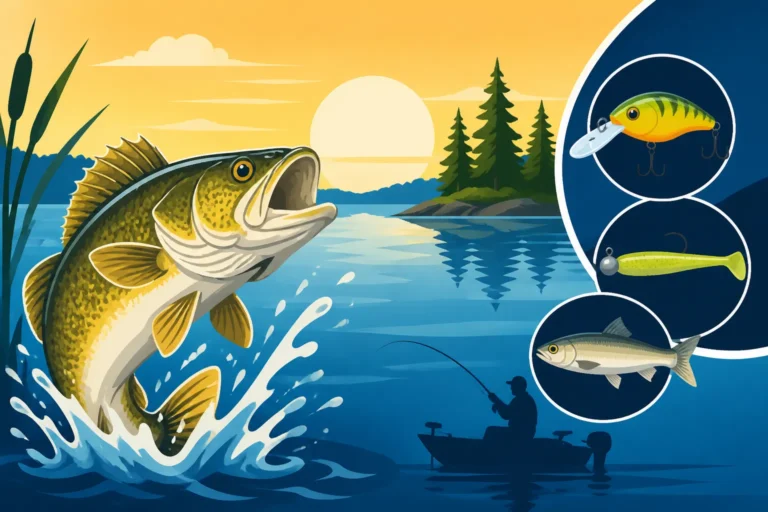
- Lures: Beyond live bait, a selection of jigs (1/8 oz to 3/8 oz), soft plastics (paddle tails, curly tails), crankbaits (Shad Raps, Flicker Shads, Berkley Bad Shadz), and spinner rigs (crawler harnesses) will cover most walleye scenarios. Don't forget some spoons for vertical jigging on humps. Our guide on Best Walleye Fishing Tactics in Minnesota covers many of these in more detail.
Muskie Gear Requirements
Muskie fishing is a heavy tackle game; don't skimp here. These fish are powerful, and your gear needs to stand up to the challenge.
- Rods: Muskie rods are typically 8' to 9'6" long, with heavy or extra-heavy power and fast action. The length helps with long casts of heavy lures and provides leverage during the fight. Brands like St. Croix, G. Loomis, and Okuma make specialized muskie rods.
- Reels: A robust baitcasting reel is a must, capable of handling heavy lines and powerful fish. Look for reels with strong drag systems and high line capacity, often in the 300-400 size.
- Line: Braided line (80-100 lb test) is standard for its strength and no-stretch properties. Always use a heavy fluorocarbon or wire leader (100-150 lb test) to prevent bite-offs from those razor-sharp teeth.
- Lures: As mentioned, a variety of bucktails, jerkbaits, glide baits, and soft plastics are essential. Be prepared to throw lures that are 6-12 inches long and weigh several ounces. Having a good selection of colors and actions will help you adapt to different conditions.
Bait and Electronics Considerations
Live bait and good electronics are your partners in crime on Lake Vermilion.
- Live Bait: For walleye, shiner minnows are gold, especially during the opener. Leeches become excellent in summer, and nightcrawlers are reliable all season. Always check local bait shops for fresh, lively bait.
- Electronics: A quality fish finder/GPS combo is non-negotiable. It allows you to identify structure, mark baitfish, see individual fish, and navigate safely. Modern units from companies like Humminbird (with Mega Imaging) or Garmin (with LiveScope) offer incredible detail, helping you find those subtle sweet spots that others miss. Learn more about Best Fish Finders & Electronics for Minnesota Fishing.
- Boat and Motor: Given the lake's size and potential for rough water, a reliable boat with a good motor is highly recommended. Many anglers opt for a deep-V multispecies boat like a Lund or Ranger, which can handle chop and provide a stable fishing platform.
Planning Your Trip to Lake Vermilion
A successful fishing trip to Lake Vermilion often starts long before you even launch your boat. Given its popularity and remote location, a bit of foresight and planning can make all the difference, especially regarding accommodations, guides, and understanding the local rules.
Choosing Accommodations and Guides
Lake Vermilion offers a wide range of options, from rustic cabins to luxurious resorts, and a healthy contingent of professional fishing guides.
- Resorts and Lodging: Along the lake's extensive shoreline, you'll find numerous resorts catering to anglers. Many offer boat rentals, guided trips, bait and tackle shops, and comfortable lodging. Popular areas include the towns of Tower, Soudan, and the general Vermilion area. Booking well in advance, especially for peak seasons like the walleye opener or fall muskie run, is highly advisable. Websites like FishingBooker can be an invaluable resource for exploring available lodging and connecting with local guides.
- Fishing Guides: For first-timers or those looking to maximize their time, hiring a local guide is an excellent investment. A good guide knows the lake intimately, understands seasonal patterns, and can put you on fish quickly. They'll teach you effective techniques and help you navigate the complexities of Vermilion. Many resorts have preferred guides, or you can find independent guides through online fishing communities or services like FishingBooker, which makes finding and booking a reputable guide straightforward. They often provide all the necessary gear, which is a huge plus, especially for muskie fishing.
- Public Access: For those with their own boats, numerous public boat launches are available around the lake, including those managed by the DNR and various townships. Always be mindful of other boaters and follow proper launch etiquette.
Navigating Regulations and Safety
Minnesota has specific fishing regulations designed to protect its fisheries, and Lake Vermilion often has special rules you need to be aware of.
- Fishing Licenses: Everyone aged 16 to 89 needs a valid Minnesota fishing license. You can purchase these online through the DNR website, at bait shops, or at most sporting goods stores. Our guide on Minnesota Fishing License: Cost, Types & How to Buy (2026) provides all the details you need.
- Limits and Seasons: Always check the current Minnesota DNR fishing regulations for Lake Vermilion before you go. Walleye, muskie, and other species have specific size and possession limits, and seasons vary. For instance, the Walleye Season & Limit in Minnesota can change, as can the Muskie Season & Limit in Minnesota. Lake Vermilion frequently has specific slot limits or daily bag limits that differ from statewide regulations to manage its unique fishery.
- Aquatic Invasive Species (AIS): Minnesota takes AIS seriously. You are legally required to drain all water from your boat, livewell, and bait containers before leaving any access. Remove all weeds and debris from your boat, motor, and trailer. Transporting certain bait species between waters is also restricted. Adhering to Aquatic Invasive Species (AIS) Rules for Boaters is crucial for protecting this incredible ecosystem.
- Safety First: Lake Vermilion is a large body of water, and conditions can change rapidly. Always check the weather forecast before heading out, especially if you plan to venture into open water. Carry all required safety equipment, including life jackets for everyone on board, a sound-producing device, navigation lights, and a fire extinguisher. Let someone know your float plan, and consider carrying a marine radio or satellite communicator in case of an emergency, as cell service can be spotty in some remote areas.
Lake Vermilion Walleye vs. Muskie Fishing at a Glance
| Feature | Walleye Fishing | Muskie Fishing |
|---|---|---|
| Primary Goal | Consistent catches, good eating, occasional trophy | Trophy fish, challenging fight, catch-and-release focus |
| Typical Season | May-October (Year-round with ice fishing) | June-October (Specific opener date) |
| Best Times | Low light (dawn/dusk), overcast days, night fishing | Often during active feeding windows, can be all day |
| Preferred Habitat | Rock reefs, humps, mud flats, deep weed edges, breaks | Weed beds, rocky points, open water (pelagic), deep breaks |
| Common Techniques | Jigging, live bait rigging, slip bobbers, trolling crankbaits/harnesses | Casting bucktails, jerkbaits, glide baits, soft plastics, topwater |
| Key Baits/Lures | Minnows, leeches, crawlers, jigs, crankbaits, spinner rigs | Large bucktails, jerkbaits, glide baits, soft rubber baits, topwaters |
| Rod/Reel Setup | Medium-light/medium spinning or baitcasting | Heavy/extra-heavy baitcasting |
| Line & Leader | 6-10 lb mono/fluoro/braid, 10-20 lb fluoro leader | 80-100 lb braid, 100-150 lb fluorocarbon/wire leader |
| Patience Required | Moderate to High | Very High |
| Likelihood of Catch | Good, with varied success daily | Low, but high reward (Fish of 10,000 Casts) |
Disclaimer
The information provided in this guide is for general informational purposes only and is subject to change. Fishing regulations, season dates, and limits are set by the Minnesota Department of Natural Resources (DNR) and can be updated annually or even mid-season. Always consult the official Minnesota DNR fishing regulations booklet or website for the most current and accurate information before heading out on the water. Following all local, state, and federal laws and practicing safe boating and fishing habits is your responsibility.