Lake of the Woods Sturgeon Fishing (Rainy River)
The sheer thought of targeting a prehistoric leviathan like the lake sturgeon can feel pretty overwhelming for many anglers, especially when you're thinking about the mighty Rainy River and Lake of the Woods. It's not like your average walleye trip, and the complex regulations, specialized gear, and sheer power of these fish can make you hesitate. But don't you worry, this comprehensive guide is here to demystify the process, help you understand the nuances of sturgeon fishing, and equip you to confidently pursue one of Minnesota's most incredible freshwater giants.
The Allure of Lake of the Woods Sturgeon
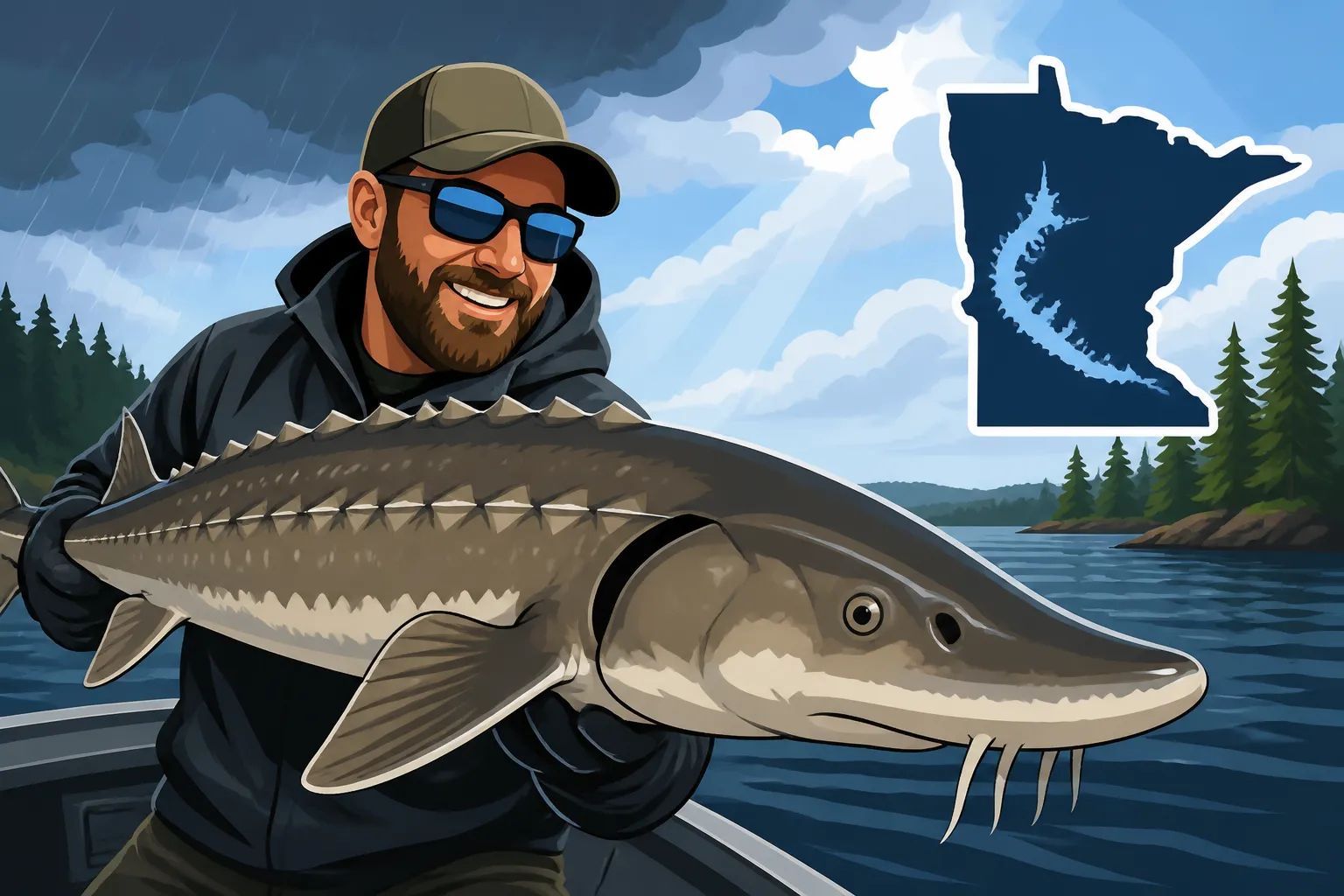
There’s something truly primal about hooking into a lake sturgeon. It’s a battle of wills, a test of endurance, and an experience that stands apart from almost any other freshwater fishing. These aren't just fish; they're living fossils, direct descendants of ancient species that swam alongside dinosaurs. Holding one of these magnificent creatures, even briefly, offers a tangible connection to a bygone era, making the effort and specialized approach entirely worth it.
Why Sturgeon Fishing is So Unique
Unlike the aggressive strike of a pike or the subtle nibble of a panfish, a sturgeon bite is often described as a slow, deliberate pull, almost like snagging a log, until that log suddenly decides to take off like a freight train. The fight is legendary; long, powerful runs, deep dives, and an unwavering resistance that can last for an hour or more, especially with a truly large specimen. It's a game of patience and brute strength, demanding respect from the angler and often leaving you with sore muscles but an exhilarating story to tell. Many anglers come back year after year, drawn by the challenge and the sheer majesty of these ancient bottom-dwellers.
The Sheer Size and Power of These Ancient Fish
When we talk about Lake of the Woods sturgeon, we're not talking about small fry. These fish can grow to absolutely immense proportions, often exceeding 70 inches in length and weighing well over 100 pounds. Imagine trying to reel in a fish that's taller than you are! Their sheer bulk and musculature mean they command incredible power. They use their broad tails to propel themselves through currents and their armored bodies to resist capture. This incredible power is why specialized heavy-duty gear isn't just a suggestion; it's a necessity. Landing a true giant requires proper technique, a well-tuned drag system, and the physical fortitude to endure a prolonged fight.
Understanding Minnesota's Sturgeon Regulations
Fishing for lake sturgeon in Minnesota, especially in the border waters like Lake of the Woods and the Rainy River, isn't something you can just wing. The regulations are in place to protect these slow-growing, long-lived fish, ensuring their populations remain healthy for future generations. Ignoring these rules can lead to hefty fines and loss of fishing privileges, so it's critical to know before you go. The Minnesota Department of Natural Resources (DNR) works closely with Canadian authorities to manage this shared resource.
Key Seasons and Harvest Rules
Sturgeon regulations can be a bit more complex than your typical walleye limits, often involving specific catch-and-release periods and very limited harvest windows. For the Lake of the Woods and Rainy River border waters, the season structure typically includes a spring catch-and-release period, a short harvest season, and then a fall catch-and-release season. These seasons are subject to change year to year based on population assessments, so always check the latest Minnesota Fishing Seasons & Opener Dates (2026) and the specific Lake Sturgeon Season & Limit in Minnesota regulations. Generally, the harvest season allows for the retention of one sturgeon per year, but only within a very specific size slot, usually between 45 and 50 inches or over 75 inches. Fish outside these slots must be immediately released.
Special Tags and Licensing Requirements
Beyond your standard Minnesota Fishing License: Cost, Types & How to Buy (2026), you'll need a special sturgeon tag if you plan to keep a fish during the harvest season. This tag is unique and helps the DNR monitor harvest numbers. It must be validated immediately upon harvesting a fish. The process for obtaining a tag is usually straightforward, typically available wherever fishing licenses are sold, but it's crucial to have it in hand before you even think about keeping a sturgeon. Remember, even if you're just targeting them for catch-and-release, understanding the size limits and being prepared to release any fish outside the slot is part of being a responsible angler.
Catch and Release Best Practices for Sturgeon
Given the sensitive nature of sturgeon populations and their slow growth rates, mastering proper Catch and Release Best Practices in Minnesota is paramount. These fish can live for many decades, some even over 100 years, so every fish released successfully contributes significantly to the health of the fishery. When you land a sturgeon, minimize its time out of the water. Have a large, knotless net or a cradle ready. Unhook the fish quickly while it's in the water if possible. Heavy-duty pliers or jaw spreaders are essential for removing large hooks. Avoid dragging the fish onto rocky shores. Support the fish horizontally, especially larger ones, to protect internal organs. If you want a photo, get your camera ready before the fish is out of the water, snap a quick shot, and release it gently. Watch it swim away strongly before you move on.
Prime Sturgeon Fishing Spots on the Rainy River and Lake of the Woods
When it comes to targeting lake sturgeon, location is everything. The Rainy River, which flows into Lake of the Woods, is renowned as one of the best sturgeon fisheries in North America. These fish congregate in specific areas, often dictated by current, depth, and the availability of their preferred forage. Knowing where to drop your line can dramatically increase your chances of success.
The Rainy River's Hot Zones
The Rainy River is a sturgeon superhighway, especially during the spring and fall migrations. Look for deeper holes, sharp bends in the river, and areas with strong current breaks. Tributary mouths, where smaller rivers or creeks flow into the Rainy, are often prime locations as they can wash in food and create current seams. Popular spots include areas around Baudette, Birchdale, and Clementson. The deep channel that runs through the river is a consistent producer. Many anglers will find success anchoring upstream of these deep pockets and letting their bait drift naturally into them. Using a good mapping system, like those offered by Navionics or LakeMaster, can help identify these prime structural elements quickly. The river provides an excellent opportunity to fish from shore in some areas, but a boat opens up far more productive water.
Lake of the Woods Tributaries and Deep Water Haunts
While the Rainy River gets a lot of the spotlight, Lake of the Woods itself holds a significant population of lake sturgeon. As the river feeds into the vast lake, sturgeon will disperse into deeper basins, around sunken islands, and along major depth contours. They tend to prefer soft, muddy, or sandy bottoms where they can scour for invertebrates. During the warmer summer months, sturgeon often retreat to deeper, cooler waters, making them a bit harder to pinpoint without good electronics. Pay attention to the deep channels near the mouth of the Rainy River, especially as it empties into Four Mile Bay, and then further into Big Traverse Bay. Some charter captains on FishingBooker specialize in locating these deep-water giants, offering invaluable local knowledge. Identifying the best Lake of the Woods Fishing Guide resources can make a huge difference in your success.
Navigating Border Waters for Sturgeon
The Rainy River and Lake of the Woods are international border waters, shared between Minnesota and Ontario, Canada. This means understanding border water fishing rules is critical. Generally, if you are fishing on the Minnesota side, you need a Minnesota license and sturgeon tag. If you venture into Canadian waters, you will need an Ontario fishing license and potentially a Canadian sturgeon tag, depending on specific provincial rules. Crossing the international border while fishing can lead to serious legal issues if you don't have the correct documentation. Most sturgeon anglers targeting the Rainy River stay within the clearly defined U.S. waters or fish with a guide who is licensed for both sides, ensuring a smooth and legal experience. Always have your license, tag, and identification readily accessible.
Essential Gear and Bait for Trophy Sturgeon
You wouldn't bring a butter knife to a sword fight, and you certainly shouldn't bring light tackle to a sturgeon battle. These fish demand serious gear capable of handling immense strain, aggressive runs, and the sheer weight of a potential trophy. Skimping on tackle will almost always lead to heartbreak and lost fish.
Heavy-Duty Rods, Reels, and Line
For sturgeon, you need heavy-duty saltwater-grade or catfish-specific gear. Think about a medium-heavy to heavy power rod, typically 7 to 9 feet long, with a fast action to help drive those big hooks home. The backbone of the rod needs to be substantial enough to apply serious pressure without snapping. For reels, a large conventional baitcasting reel or a robust spinning reel designed for heavy line is key. Models like the Penn Battle or Shimano Thunnus series are popular for their powerful drag systems and high line capacities. Spool your reel with 60 to 100 lb braided line. This high-strength, low-stretch line is crucial for detecting subtle bites in current and for setting hooks effectively over long distances. A strong fluorocarbon or monofilament leader, usually 80-120 lb test and several feet long, is then tied to the main braid. Consider checking out guides on Best Walleye Rods & Reels for some crossover tips on durable equipment, though sturgeon require even more robust setups.
Preferred Baits and Rigs
Sturgeon are scavengers with an incredible sense of smell, so fresh, oily, and smelly baits are the name of the game. The absolute king of sturgeon bait on the Rainy River is a glob of nightcrawlers (often 3-6 worms) threaded onto a large hook. Other effective baits include cut sucker, cisco, or even shrimp. Freshness is key, so make sure your bait is lively or recently cut to maximize scent dispersion.
The most common and effective rig for sturgeon is a simple bottom rig:
- Weight: A heavy pyramid sinker or flat 'no-roll' sinker, typically 4 to 8 ounces, is used to hold the bait on the bottom in strong currents. The weight needed will depend on the strength of the current.
- Leader: A heavy-duty monofilament or fluorocarbon leader (80-120 lb test, 18-36 inches long) is tied to a large swivel.
- Hook: A stout 5/0 to 8/0 circle hook is highly recommended. Circle hooks significantly reduce gut hooking, making them ideal for catch-and-release and ensuring higher survival rates for these protected fish.
Attach the mainline to one end of the swivel, the leader to the other, and slide your sinker onto the main line above the swivel, allowing it to slide freely. This "Carolina rig" style allows the sturgeon to pick up the bait without feeling the resistance of the heavy sinker immediately.
Electronics and Boat Setup Considerations
For serious sturgeon fishing, especially on the vastness of Lake of the Woods, reliable marine electronics are incredibly helpful. A good fish finder or sonar unit, like those from Humminbird or Lowrance, can help you identify deeper holes, channel edges, and even schools of sturgeon lurking on the bottom. GPS capabilities are essential for marking productive spots and navigating safely. Many anglers also utilize a reliable kicker motor or a powerful trolling motor to subtly adjust their position while anchored, or to slowly move around an area to find fish. A sturdy boat, capable of handling potential choppy conditions on Lake of the Woods, is a must. Options like a Lund Pro-V or a Ranger Reata are popular choices for serious multi-species anglers who also target sturgeon. Knowing the Best Fishing Boats for Minnesota: Lund, Ranger & More can help you choose the right vessel for your sturgeon adventures.
| Gear Category | Recommended Specifications | Why It Matters for Sturgeon |
|---|---|---|
| Rod | 7-9 feet, Medium-Heavy to Heavy Power, Fast Action | Provides leverage for casting heavy weights, fighting large fish, and deep hooksets. |
| Reel | Large Conventional Baitcaster or Heavy Spinning (e.g., Penn Battle 8000, Shimano Thunnus 12000) | High line capacity, powerful and smooth drag system to handle long runs. |
| Main Line | 60-100 lb Braided Line | Extreme strength, minimal stretch for bite detection and hooksetting. |
| Leader | 80-120 lb Monofilament or Fluorocarbon, 18-36 inches | Abrasion resistance against rough sturgeon mouths and sharp bottom structure. |
| Hooks | 5/0 – 8/0 Circle Hooks (heavy gauge) | Reduces gut hooking, essential for catch-and-release, strong enough to hold large fish. |
| Sinkers | 4-8 oz Pyramid or No-Roll Sinkers | Keeps bait on the bottom in strong river currents, prevents rolling. |
| Bait | Fresh Nightcrawlers (globs), Cut Sucker/Cisco, Shrimp | Strong scent trail attracts scavenging sturgeon from a distance. |
Techniques for Landing a Monster Sturgeon
Sturgeon fishing isn't just about showing up with big gear; it's a methodical process that requires patience, strategy, and careful execution. From setting up your spread to fighting the fish and ensuring its safe release, every step plays a crucial role in a successful outing.
Anchoring and Setting Up Your Spread
On the Rainy River, where currents can be strong, proper anchoring is vital. You'll want to use a heavy anchor (or even two in tandem) to securely hold your boat in position. The goal is to present your bait directly in or just upstream of a deep hole or current seam where sturgeon are likely to be feeding. Once anchored, deploy your rods. Many anglers will run two to four rods per boat, spreading them out to cover different angles and depths within the target zone. Use rod holders that are securely mounted and can withstand the violent pull of a hooked sturgeon. Setting your drag properly is critical: it should be tight enough to set the hook, but loose enough to allow line to peel off when a big fish runs, preventing immediate break-offs.
Detecting Bites and Hooksets
Sturgeon bites can be deceiving. Often, it's not a sharp tap like a walleye. Instead, you might see a slow, steady bend in the rod tip, a subtle twitch, or a gradual increase in pressure. Sometimes, it feels like your line has just gotten heavy or snagged on the bottom. Don't immediately rear back and set the hook with a forceful sweep. Instead, when you suspect a bite, slowly lift the rod to feel the weight. If you feel solid resistance and continuous pressure, that's your cue. With circle hooks, a firm, steady retrieve is usually all that's needed to engage the hook in the corner of the fish's mouth. Avoid the dramatic "swing for the fences" hookset you might use with J-hooks, as it can pull the circle hook out of the fish's mouth.
The Art of the Fight and Proper Handling
Once a sturgeon is hooked, the fight begins. These fish are known for their powerful, sustained runs. Let the rod and reel do the work, trusting your drag system. Don't overtighten your drag to try and "horse" the fish in, as this can snap your line, pull the hook, or overstress the fish. Maintain steady pressure and pump the rod, gaining line when the fish allows it, and giving line when it pulls hard. It's a marathon, not a sprint. Once you get the fish boat-side, remember the importance of quick, responsible handling for its survival. As mentioned earlier, use a large, knotless landing net or cradle. Consider using a service like FishingBooker to book a guide who is an expert in sturgeon handling and ensure a safe and successful release. Avoid bringing large sturgeon fully into the boat unless absolutely necessary for measurement or photography and then do so carefully and quickly. When releasing, support the fish in the water, allowing it to regain its strength before letting it swim away.
Disclaimer
Fishing regulations, seasons, and limits can change. Always consult the most current Minnesota DNR fishing regulations before heading out on the water. This guide is for informational purposes only and does not supersede official government regulations.