Minnesota River Fishing: Mississippi, Minnesota & St. Croix
Minnesota is undeniably the land of 10,000 lakes, and it's easy to get caught up in the allure of big walleye factories or trophy bass havens. But let's be honest, sometimes the lakes feel too crowded, and the fishing pressure is just immense. What many anglers often overlook are our incredible river systems, offering a completely different, often less pressured, and incredibly rewarding fishing experience. This comprehensive guide will take you through the winding waters of the Mississippi, Minnesota, and St. Croix Rivers, showing you how to unlock their potential for truly unforgettable angling adventures.
The Allure of Minnesota River Fishing: Why It's Different
River fishing in Minnesota is a whole different ballgame compared to drifting across a calm lake or jigging over a weed bed. The constant flow, the ever-changing structure, and the unique challenges presented by currents can be intimidating at first. However, it's precisely these elements that create a dynamic and exciting environment for anglers willing to learn its rhythms.
Beyond the Lakes: A Unique Ecosystem
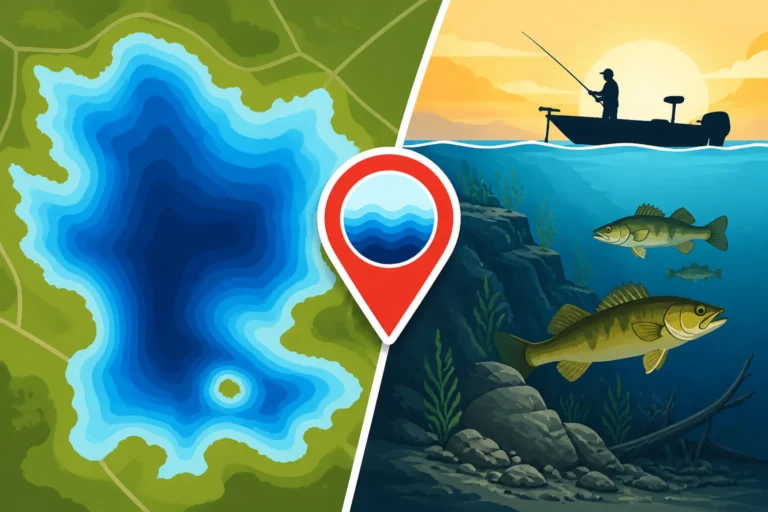
Rivers are living, breathing entities, constantly shifting and carving out new habitats. Unlike lakes, where fish often relate to static structures, river fish are intrinsically tied to current. They'll position themselves in current seams, behind wing dams, in eddy pockets, or in deep holes where they can conserve energy and ambush prey. This means understanding the current, and how fish use it, becomes paramount. The scenery is often breathtaking too, from the wild, undeveloped stretches of the Upper St. Croix to the bustling commercial traffic on the Lower Mississippi. There's a raw, untamed feel to river fishing that's hard to replicate on even the most pristine lakes. You might find yourself casting near historic bluffs or urban skylines, encountering a surprising array of wildlife along the way.
Diverse Species and Exciting Challenges
While lakes often specialize in a few key species, Minnesota's rivers are biodiversity hotspots. You might target walleye and sauger one day, then switch to powerful catfish or aggressive smallmouth bass the next. The constant current means even smaller fish put up an incredible fight, and landing a trophy fish against a strong flow is a true test of angling skill and tackle. These varied opportunities mean you never quite know what you'll hook into, adding an element of surprise and excitement that keeps you coming back. Plus, the sheer volume of water means there's always a new bend to explore, a new log jam to dissect, or a new current seam to try.
Exploring the Mighty Mississippi River Fishery
The Mississippi River, the legendary "Father of Waters," carves a massive path through Minnesota, transforming from a narrow stream near its headwaters into a sprawling, powerful waterway. Its diverse sections offer vastly different fishing experiences, from smallmouth bass havens to walleye and sauger factories.
Upper Mississippi: From Headwaters to the Twin Cities
Upstream of the Twin Cities, the Mississippi River presents a more untamed character. From the Brainerd area down through St. Cloud, the river features a mix of rapids, slower pools, and rocky stretches. This section is a fantastic fishery for smallmouth bass, which thrive in the rocky, current-swept areas. Anglers can also find good numbers of walleye, particularly in deeper holes and below rapids, as well as respectable northern pike in the slower pools and backwaters. Access here can be more challenging, sometimes requiring smaller boats, canoes, or even wading in certain sections, but the reward is often less pressured fish and a more serene environment. When planning a trip to this section, always consult the current Minnesota Fishing Seasons & Opener Dates (2026) to ensure you're fishing legally.
Fishing techniques often involve casting crankbaits or spinnerbaits for smallmouth along rocky shorelines and current breaks. For walleye, jigging with a minnow or a soft plastic, especially in eddies or slower pockets adjacent to faster current, can be incredibly effective. Consider using a guide service found on platforms like FishingBooker if you're new to river fishing, as local experts can pinpoint these subtle river nuances and get you on fish quickly.
Twin Cities Metro to Lake Pepin: Urban and Border Waters
As the Mississippi flows through the Twin Cities metropolitan area, it becomes a major shipping channel, characterized by a series of locks and dams that create distinct pools. This urban stretch offers fantastic fishing opportunities right in the heart of the city, often overshadowed by the major lakes. Pool 2, stretching from the Ford Dam (Lock and Dam 1) to Lock and Dam 2 in Hastings, is particularly renowned for its exceptional walleye and sauger fishery, as well as trophy-sized smallmouth bass and channel catfish. Further downstream, Pools 3 and 4, which includes Lake Pepin, continue to offer excellent fishing, transitioning into shared border waters with Wisconsin.
Fishing here demands an understanding of river navigation, including barge traffic and lock procedures. Key structures to target are wing dams, current breaks, bridge pilings, and discharge areas. Many anglers focus on the deeper channels and the edges of sandbars. The walleye and sauger bite can be incredible, especially during low-light conditions or after heavy rains when the current picks up. Catfish anglers often find success in the deeper, slower sections with cut bait or stink bait. It's crucial to be aware of Minnesota Fishing Limits: Bag & Possession (2026) for all species, as river regulations can sometimes differ from lake regulations.
Lower Mississippi: Expansive Pools and Backwaters
Below Lake Pepin, the Mississippi widens significantly, forming expansive pools and intricate backwater areas that extend down towards Iowa. This section, particularly Pools 4 through 9, is famous for its diverse fishery, including excellent walleye, sauger, white bass, northern pike, and a robust population of various panfish. It's also a prime location for targeting the massive Lake Sturgeon in Minnesota: Rainy River Giants, particularly in the deeper channels and below the dams. The backwaters offer sheltered fishing for panfish and bass, especially during colder months or high water conditions.
Techniques here vary widely. Trolling crankbaits along the main channel edges or over wing dams is popular for walleye and sauger. Jigging with minnows or plastics is also highly effective. In the backwaters, targeting crappie and bluegill with small jigs under a bobber or minnows can yield impressive results. Anglers need to pay attention to water levels and current, as these can drastically affect fish location and bite. Understanding the subtle currents and where fish position themselves out of the main flow is key to consistent success.
Unlocking the Secrets of the Minnesota River
The Minnesota River, a major tributary to the Mississippi, offers a different flavor of river fishing. While often characterized by slower, muddier waters compared to the clearer St. Croix, it holds a treasure trove of robust fish species, particularly for those who appreciate a good fight from powerful river dwellers.
A Journey Through History and Fish Habitat
From its source near Big Stone Lake, the Minnesota River meanders eastward, carving a rich valley before joining the Mississippi in the Twin Cities. Historically significant and culturally important, this river often gets less angling attention than its larger counterparts, but that's a mistake. Its slower, often turbid waters create prime habitat for species like channel catfish and flathead catfish, common carp, and a surprising number of walleye and smallmouth bass, especially in sections with more rocky bottoms or clearer tributary inflows. The river's character can change dramatically with rainfall; after heavy rains, it can be high and muddy, while during drier periods, it offers more stable conditions.
The key to fishing the Minnesota River lies in understanding its structure, which is often subtle. Look for deeper bends, log jams, submerged timber, and the mouths of incoming creeks or ditches. These features provide current breaks, ambush points, and foraging areas for fish. While often overlooked for its game fish, the Minnesota River is a phenomenal spot for Catfish in Minnesota: Channel & Flathead. These powerful fish thrive in the warmer, murkier waters and offer an exciting challenge on stout tackle.
Prime Access Points and Fishing Strategies
Access to the Minnesota River is available through numerous public boat launches and shore fishing spots along its course. Around areas like Mankato, New Ulm, and even closer to the Twin Cities in places like Fort Snelling State Park, you can find good opportunities. Shore & Bank Fishing in Minnesota (No Boat) is particularly viable on this river, especially at bridges, parks, and dam areas where deeper water is often accessible from the bank. For boat anglers, focusing on channel edges, deep holes, and significant current breaks created by fallen trees or rocky points will be most productive.
When it comes to strategies, live bait is often king on the Minnesota River. For catfish, fresh cut bait (like shad, suckers, or even hot dogs for channel cats) fished on a slip sinker rig near snags or deep holes is incredibly effective. For walleye, try dragging jigs tipped with minnows or plastics along the bottom in areas with a slight current. Smallmouth bass, when present, can be targeted with crankbaits or spinnerbaits near rocky areas or tributary mouths. Patience is a virtue here, as the bite can be slower, but the fish you hook into are often substantial and full of fight.
The Majestic St. Croix River: A National Scenic Riverway
The St. Croix River, designated a National Scenic Riverway, is simply stunning. It flows through a diverse landscape, from its wild, undeveloped upper reaches to its broad, boat-filled lower sections forming the border with Wisconsin. This river is known for its cleaner waters and exceptional fishing for a wide variety of species.
Upper St. Croix: Wilderness and Coldwater Gems
North of Stillwater, particularly in its northernmost stretches, the St. Croix offers a true wilderness experience. This is where you'll find clearer waters, rocky bottoms, and incredible scenery. While the main river isn't a primary trout stream, many of its tributaries in the surrounding areas are home to trout, making it a unique blend. The main river here is renowned for its excellent smallmouth bass fishing, with plenty of aggressive bronzebacks eager to hit topwater lures, crankbaits, and tube jigs. Northern pike also roam these waters, particularly in slower pools and around weed beds.
Fishing the upper St. Croix often involves smaller boats, canoes, or kayaks, allowing access to more remote areas. It's a fantastic spot for anglers seeking solitude and a connection with nature. Casting along rocky shorelines, around downed timber, and through current seams is the ticket for smallmouth. For pike, focus on the edges of any visible vegetation. Remember, this area emphasizes natural beauty and conservation, so practice stringent catch and release, especially for larger smallmouth, to preserve the fishery.
Lower St. Croix: Big Waters and Border Challenges
From Stillwater south to its confluence with the Mississippi at Prescott, the St. Croix transforms into a wide, deep river, heavily used by pleasure boaters and anglers alike. This section, forming the Border Water Fishing Rules (Minnesota-Ontario, Wisconsin), is a prime destination for trophy walleye, sauger, smallmouth bass, muskie, and surprisingly large lake sturgeon. Iconic towns like Stillwater, Hudson, and Prescott line its banks, offering numerous access points and services.
The lower St. Croix is known for its deeper channels, dramatic bluffs, and numerous bays and eddies. Walleye and sauger anglers often focus on the main channel edges, wing dams, and deep holes using jigs, three-way rigs, or trolling crankbaits. Muskie fishing is a serious endeavor here, with dedicated anglers casting large bucktails and jerkbaits in search of the "fish of 10,000 casts." Smallmouth bass are found around rocky points and bridge pilings. Given its status as a border water, it's absolutely critical to understand the specific regulations for both Minnesota and Wisconsin, as they can differ, even on the same body of water.
Top Fish Species to Target in Minnesota Rivers
Minnesota's rivers are teeming with diverse fish populations, each offering a unique challenge and reward. Moving water creates strong, healthy fish that fight harder, making every catch memorable. Understanding which species to target and their preferred riverine habitats is key to success.
Walleye and Sauger: Current Dwellers
Walleye and their close cousins, sauger, are quintessential river fish, known for their excellent table fare and challenging bite. In rivers, they typically position themselves just out of the main current, often in current seams, behind wing dams, below rapids, or in deeper holes and troughs. They use these positions to ambush baitfish that are swept past them. The Mississippi and Lower St. Croix Rivers are particularly renowned for their walleye and sauger fisheries.
Effective techniques for these current dwellers include jigging with live bait such as minnows or nightcrawlers (consult Best Live Bait for Walleye (Leeches, Minnows, Crawlers)), or soft plastics. Drifting or slow-trolling three-way rigs with a minnow or crankbait is also highly productive. When fishing wing dams, position your boat upstream and cast your jig or lure to the backside of the dam, letting the current sweep it into the fish's strike zone. Early spring and late fall often provide the most consistent action as fish become more concentrated in deeper areas.
Catfish and Carp: The Underrated Fighters
Don't let the stereotypes fool you; river catfish and carp are powerful, hard-fighting fish that offer incredible angling opportunities, often with less pressure. The Minnesota River is a prime example of a fantastic catfish fishery, hosting both channel catfish and truly monstrous flathead catfish. Carp are abundant in all three river systems and provide an incredible fight on the right tackle.
For channel catfish, targeting deep bends, log jams, and areas with slower current using stink baits, cut bait, or even chicken livers on a bottom rig is highly effective. Flathead catfish, the true river monsters, prefer deep holes with heavy cover like submerged trees and will almost exclusively take live bait, such as a large sucker or a sunfish. Carp, often found in slower moving areas, backwaters, and even the main channels, can be caught on corn, dough balls, or even worms. They put up a surprising fight and are an excellent species for targeting when other fish are slow. Seriously, if you've never hooked into a 20lb river carp, you're missing out on a thrill!
Smallmouth Bass and Northern Pike: Aggressive Predators
Smallmouth bass thrive in the rocky, current-swept sections of the Mississippi and St. Croix Rivers, particularly upstream of major impoundments. They are aggressive, acrobatic fighters, and a blast to catch on light tackle. Northern pike, on the other hand, prefer the slower, weedier backwaters and eddy areas, but can also be found in main channels positioned behind current breaks.
For Smallmouth & Largemouth Bass in Minnesota, look for rocky points, current seams around islands, bridge pilings, and any other structure that breaks the current. Casting crankbaits, spinnerbaits, tube jigs, or topwater lures in low light conditions can be incredibly exciting. Pike will hit a variety of artificials, including large spoons, spinnerbaits, and swimbaits, especially when cast into the edges of weed beds or along transitions from fast to slow current. Both species offer high-action fishing and are readily accessible from many shore spots and boat launches.
Lake Sturgeon: Ancient Giants
Minnesota is fortunate to have healthy populations of Lake Sturgeon in its major river systems, particularly the Rainy River (though not covered here, it's a prime example of a river sturgeon fishery), the Mississippi, and the Lower St. Croix. These prehistoric giants can grow to immense sizes and are incredible to catch, though they are strictly catch and release in many areas due to their protected status. For more in-depth information on these amazing creatures, refer to the guide on Lake Sturgeon in Minnesota: Rainy River Giants.
Targeting sturgeon requires heavy tackle, strong lines, and a lot of patience. They typically inhabit deep channels and holes with moderate to strong current, often feeding on the bottom. The most common bait is a large wad of nightcrawlers, cut bait, or even commercial sturgeon baits, presented on a heavy sinker rig to keep it on the bottom. When you hook into one, be prepared for a long, powerful fight! Always handle sturgeon with extreme care, keeping them in the water as much as possible for photos and release.
Essential Gear and Techniques for River Success
Fishing in current presents unique challenges and requires specific gear and techniques to be consistently successful. You can't just use your typical lake setup and expect the same results. Understanding how to combat the flow, detect subtle bites, and safely navigate river environments is crucial.
Rods, Reels, and Line: Matching the Current
For river fishing, you'll generally want more robust gear than you might use on a calm lake. Medium-heavy to heavy action rods, ranging from 6'6" to 7'6", are ideal for handling heavier sinkers, larger fish, and battling the current. A fast action tip is still beneficial for bite detection, especially when jigging. Matching these with sturdy spinning reels (size 3000-4000) or baitcasting reels capable of holding ample line is a good strategy. Brands like Shimano, Daiwa, or even specific river-focused series from St. Croix Rods are excellent choices for their durability and power.
Line choice is critical. Braided line (20-40lb test) is highly recommended for its strength, lack of stretch (for superior bite detection), and ability to cut through the current, reducing bow in your line. Always pair braid with a fluorocarbon leader (10-20lb test for walleye/bass, heavier for catfish/sturgeon) to provide abrasion resistance against rocky bottoms and snags, and for its near-invisibility in clear water. Monofilament can work for certain techniques like slip bobber fishing in slower currents, but its stretch makes it less ideal for direct contact presentations.
Lures, Baits, and Rigs: River Proven Tactics
River fish often require different lure presentations and bait choices than their lake-dwelling counterparts. Heavy jigs (1/4 to 3/4 ounce, sometimes more depending on current) tipped with plastics, minnows, or even just a piece of nightcrawler, are extremely effective for walleye, sauger, and even smallmouth. Color choice can vary, but chartreuse, orange, and darker natural colors often perform well in stained river water. For more Walleye Fishing Techniques: Complete Minnesota Guide, consider tactics specifically for current.
Crankbaits are fantastic for covering water and triggering aggressive bites. Shad-style or lipped crankbaits that dive to different depths can be trolled or cast across current breaks. Three-way rigs, consisting of a bell sinker on a dropper line, a swivel, and a snelled hook or short leader with a crankbait/live bait, are indispensable for presenting baits directly on the bottom in current. And of course, live bait—minnows, leeches, and nightcrawlers—remain incredibly effective, especially when fished on a snell with a sliding sinker to keep it in the strike zone.
Boat Handling and Safety: Mastering the Current
Navigating and fishing in river currents requires a different skill set than lake boating. Understanding how to use your boat to your advantage, whether it's anchoring effectively or employing a trolling motor to hold position, is key. Heavy-duty anchors (like a navy anchor or a river anchor) with plenty of rope are essential to hold your boat in place against strong currents. Always have a backup anchor!
For precision boat control, a powerful bow-mount trolling motor, especially those with GPS Spot-Lock capabilities (like a Minn Kota Terrova or Ultrex), can be a game-changer. These motors allow you to hold your position over a specific current seam or wing dam, freeing you up to focus on fishing. Safety is paramount on rivers: always wear your PFD, be aware of obstacles like log jams and submerged rocks, and understand navigation rules, especially on commercial waterways like the Mississippi. River currents can be unforgiving, and strong eddies or rapids can quickly become dangerous if you're unprepared.
Navigating Regulations and Conservation
Fishing in Minnesota's rivers, especially those that form state borders, comes with its own set of rules and responsibilities. Understanding these regulations and practicing good conservation habits are essential for preserving these incredible fisheries for generations to come.
Border Water Specifics: Know Before You Go
Both the Mississippi River in its lower stretches and the entirety of the Lower St. Croix River form the border between Minnesota and Wisconsin. This means that specific fishing regulations can, and often do, differ between the two states. It's not uncommon for bag limits, size restrictions, or even season dates to vary from one side of the river to the other. For example, the walleye limit on the Minnesota side of the St. Croix might be different from the Wisconsin side. This makes it absolutely critical to check the regulations of both the Minnesota Department of Natural Resources (DNR) and the Wisconsin Department of Natural Resources (DNR) before you head out.
When fishing on border waters, you can typically possess a valid fishing license from either state and fish legally, but you must abide by the most restrictive regulations for any given species. For a detailed breakdown, refer to Border Water Fishing Rules (Minnesota-Ontario, Wisconsin). Ignorance of the law is not an excuse, and game wardens from both states patrol these waters regularly. Always err on the side of caution and adhere to the strictest rule if you're unsure.
Aquatic Invasive Species Prevention: Protect Our Waters
Minnesota's rivers are precious ecosystems, and preventing the spread of Aquatic Invasive Species (AIS) is a shared responsibility for all anglers. Invasive species like zebra mussels, Eurasian watermilfoil, and bighead carp can wreak havoc on native fish populations and alter habitats. The constant flow of rivers means invasives can spread rapidly downstream.
Before launching and after retrieving your boat or gear from any river, you must follow the "Clean, Drain, Dry" protocol rigorously. Clean all weeds and debris from your boat, motor, trailer, and fishing gear. Drain all water from your boat (livewell, bilge, transom plugs). And ideally, allow your boat and gear to dry thoroughly for at least five days before moving to another body of water. For specific guidelines, consult Aquatic Invasive Species (AIS) Rules for Boaters or How to Transport a Boat Legally in Minnesota (AIS). These simple steps are crucial to protecting our waters, and fines for non-compliance are steep.
Conservation and Best Practices for River Fish
River fish, especially large predators like walleye, muskie, sturgeon, and large catfish, are valuable resources that deserve our respect and careful handling. Many river fisheries are managed with specific slot limits or catch-and-release regulations to protect breeding stock and ensure future populations. For species like Lake Sturgeon, which can live for over 100 years, catch and release is almost always mandatory and handled with extreme care.
When practicing Catch and Release Best Practices in Minnesota, especially for larger fish, minimize their time out of the water. Use knotless rubberized nets to protect their slime coat and fins. Have pliers or hook removers ready for quick de-hooking. If taking a photo, support the fish horizontally with both hands, never vertically by the gill plates or jaw alone. For sturgeon, keep them in the water and support their entire body. Our rivers provide incredible opportunities, and it's up to us to ensure they remain healthy and vibrant for generations of anglers to come.
Disclaimer
Please be aware that fishing regulations in Minnesota, including season dates, bag limits, and specific rules for different bodies of water, can change. While this guide provides general information, it is always your responsibility to consult the most current Minnesota Department of Natural Resources (DNR) fishing regulations before heading out on the water.