Are There Salmon in Minnesota?
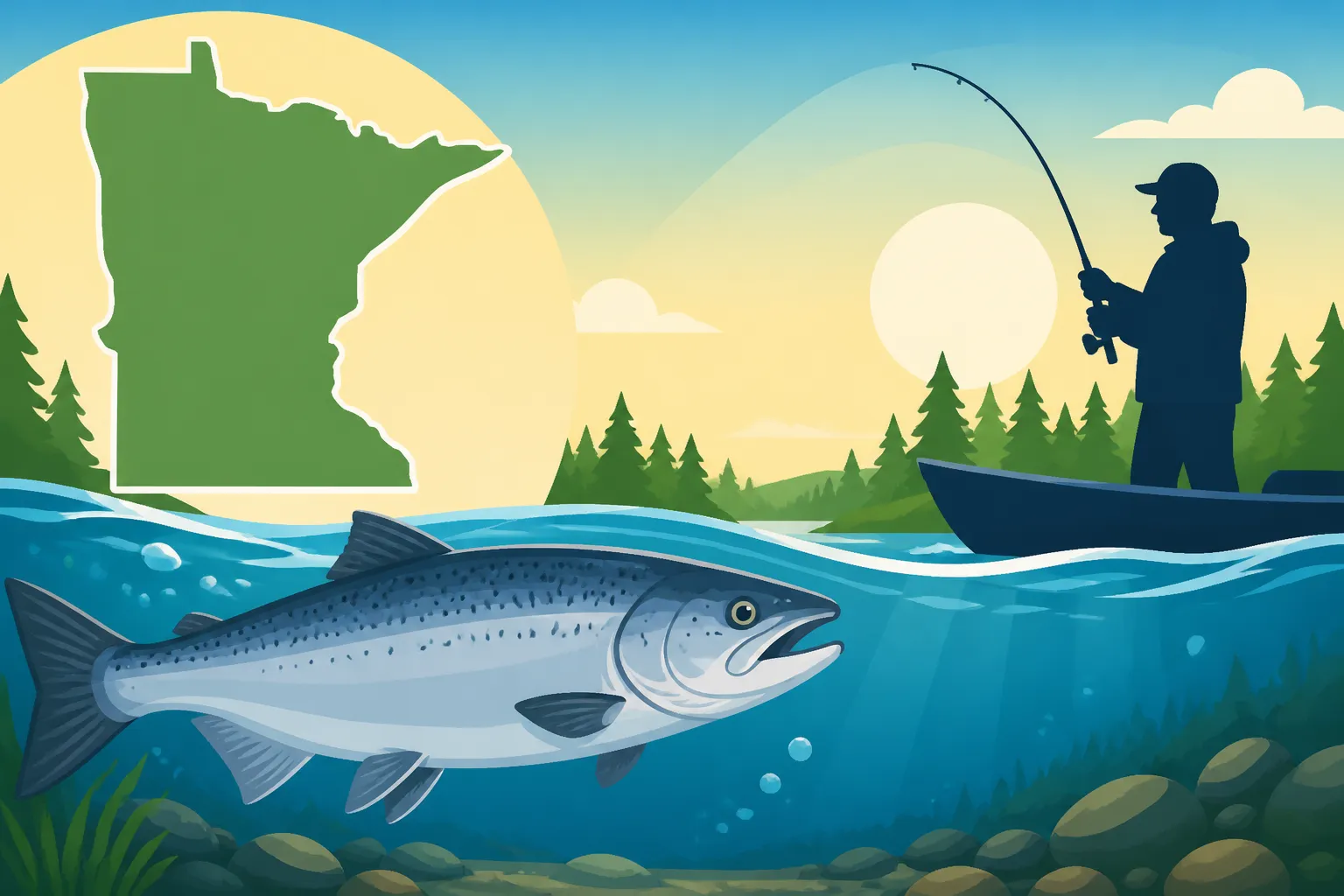
Many anglers, especially those new to the state or those who've primarily fished our abundant walleye and pike lakes, often scratch their heads wondering, "Are there salmon in Minnesota?" It’s a perfectly valid question, given that salmon are typically associated with vast oceans or the Great Lakes on the East and West coasts. But here's the exciting truth: yes, salmon absolutely call Minnesota home, offering a unique and incredibly thrilling fishing experience that many don't even realize is available. This guide will take you on a deep dive into the world of salmon fishing in the Gopher State, revealing where to find these powerful fish, what species you can target, and how to get them to bite.
The Intriguing Presence of Salmon in Minnesota Waters
It might surprise you to learn that Minnesota, a state often defined by its 10,000 inland lakes, harbors a legitimate salmon fishery. This isn't some urban legend; it's a vibrant part of our aquatic landscape, primarily centered around one of the world's largest freshwater lakes. Understanding why salmon are here, and where they thrive, is key to appreciating this unique angling opportunity.
Primarily Lake Superior’s Domain
The vast, cold, and deep waters of Lake Superior are the primary reason we have salmon in Minnesota. This incredible body of water provides the ideal habitat for several species of salmon, mimicking the conditions they'd find in oceanic environments or other large, deep freshwater systems. Unlike our smaller, shallower inland lakes, Lake Superior maintains consistent cold temperatures throughout its depths, even in summer, which is crucial for salmon survival and growth. Its immense size also offers the expansive hunting grounds these migratory fish require. It's a truly spectacular fishery, offering opportunities for those who love big water and powerful fish.
North Shore Tributaries: Spawning Havens
While Lake Superior is their feeding ground, the salmon's life cycle often involves a pilgrimage up the numerous rivers and streams that feed into the big lake along Minnesota's North Shore. These pristine, cold-water tributaries, like the Lester River in Duluth, the Knife River, or the Brule River, become vibrant arteries of activity during spawning runs. This is where anglers can find some truly exceptional, though often challenging, opportunities for stream trout and salmon. It’s a completely different experience from trolling the open lake, requiring stealth, different tackle, and a keen eye for fish holding in pools or moving upstream. Understanding the timing of these runs is crucial, as they are seasonal and dependent on water levels and temperatures.
Why Inland Lakes Are Different
So, if salmon are in Minnesota, why aren't they in, say, Gull Lake or Lake Minnetonka? The answer boils down to specific habitat requirements. Most of Minnesota's inland lakes are simply too warm, too shallow, or lack the necessary deep, cold-water oxygen content that salmon demand. Walleye, northern pike, bass, and panfish thrive in these environments, but salmon typically cannot. Furthermore, the forage base is different; salmon in Lake Superior primarily feed on cold-water baitfish like cisco (tullibee) and smelt, which aren't as prevalent in most other Minnesota lakes. The Minnesota Department of Natural Resources (DNR) also strategically focuses its stocking efforts on Lake Superior to enhance this existing unique fishery, rather than attempting to introduce salmon into unsuitable inland waters.
Unpacking Minnesota’s Salmon Species
When we talk about "salmon in Minnesota," we're actually referring to a few distinct species, each with its own characteristics, history, and fishing appeal. It's important to differentiate them, not just for identification, but also for understanding their behavior and how to best target them. You might be surprised to learn that not all "salmon" caught here are even true Pacific salmon.
Coho Salmon: The Silver Bullet
Coho salmon, often called "silver salmon," are a popular sport fish in Lake Superior. They were first introduced to the Great Lakes in the 1960s, and Minnesota's waters have since developed a robust fishery for them. Cohos typically spend 1.5 to 2.5 years in Lake Superior before returning to rivers to spawn. They are known for their acrobatic fights and delicious, orange-red flesh. Most Coho caught in Lake Superior range from 2 to 6 pounds, though larger ones are certainly possible. They actively feed on smelt and other baitfish, making them a prime target for trollers throughout the open water season, and during their fall spawning runs up rivers. If you're looking for an accessible salmon fishing experience on Lake Superior, Cohos are often the most cooperative.
Chinook Salmon: The King of the Lake
Chinook salmon, or "King salmon," are the largest and most powerful of the Pacific salmon species found in Lake Superior. These impressive fish can grow to significant sizes, with individuals over 20 pounds not uncommon, and state records pushing past 30 pounds. Like Cohos, Chinooks were introduced to the Great Lakes and have found a suitable home in Superior. They typically spend 3 to 5 years in the lake before spawning. Landing a big Chinook is a true test of an angler's skill and tackle, as their brute strength and long runs can snap lines and burn out drags. They are primarily targeted by trolling deep in Lake Superior, often requiring specialized gear like downriggers. Many anglers dream of catching a trophy Chinook, and Minnesota's North Shore offers a legitimate shot at one.
Pink Salmon: The Humpback’s Tale
Pink salmon, also known as "humpies" due to the pronounced hump that develops on the backs of spawning males, are unique among Minnesota's salmon species. They are the only Pacific salmon that has established a completely self-sustaining, wild population in Lake Superior without consistent stocking. Accidentally introduced to Lake Superior from Canadian hatchery stock in the 1950s, Pinks adapted remarkably well. They have a distinct two-year life cycle, meaning you'll often see strong runs every other year. While smaller than Cohos or Chinooks, typically weighing 1 to 3 pounds, they are feisty fighters on light tackle. They spawn in the fall and are often caught incidentally by anglers targeting other salmon or trout in North Shore streams.
Atlantic Salmon: The Rare Gem
While Pacific salmon dominate the scene, there's a small, intriguing presence of Atlantic salmon in Minnesota. Unlike their Pacific cousins, Atlantic salmon are native to the Atlantic Ocean and were historically found in some Great Lakes regions. In Minnesota, current populations are maintained almost entirely through stocking efforts by the DNR in very specific areas, primarily for experimental purposes or to create a unique, niche fishery. They are much rarer to catch than Coho or Chinook but offer a distinctive challenge for anglers seeking something truly different. Their fights are renowned for aerial acrobatics and powerful runs.
The Steelhead Distinction: Rainbow Trout’s Anadromous Cousin
Here's where it gets a little nuanced. Many anglers refer to "steelhead" as a type of salmon, and it's easy to see why. Steelhead are actually migratory rainbow trout that spend a portion of their lives in Lake Superior before returning to spawn in its tributaries, much like salmon. This anadromous lifestyle gives them incredible strength, size, and fighting prowess, earning them their revered status. In Minnesota, the term "steelhead" specifically refers to these lake-run rainbows. They are a highly sought-after game fish, known for their stunning beauty and explosive battles. While not technically salmon, they are often caught using similar methods and in the same waters as true salmon, blurring the lines in casual conversation. You can learn more about Trout Fishing in Minnesota: Streams & Lakes and the specific considerations for Steelhead on Minnesota's North Shore.
Strategies for Catching Minnesota Salmon
Hooking into a salmon in Minnesota is an experience every angler should try, but it requires a different approach than chasing walleye in a shallow lake. Whether you prefer the open water of Lake Superior or the intimate settings of its tributary rivers, there are specific tactics and gear that will increase your chances of success.
Lake Superior Trolling Tactics
Fishing for salmon on Lake Superior is often a boat-based affair, and trolling is the name of the game. This vast, deep lake demands a methodical approach to cover water and present lures at the correct depth where salmon are feeding.
- Gear Up for Depth: Downriggers and planer boards are essential tools. Downriggers allow you to precisely present lures at specific depths, which can be critical when salmon are holding in a narrow thermal band. Planer boards spread your lines out, covering a wider swath of water and keeping lures away from the boat, which can spook fish in clear water. Many anglers targeting salmon and lake trout will run multiple lines at different depths and distances.
- Lure Selection: Spoons are incredibly popular for salmon, mimicking baitfish like smelt and cisco. Brands like Dreamweaver and Magnum Spoon are often favorites, but don't be afraid to experiment with colors and sizes. Stickbaits and crankbaits, similar to those used for Trolling for Walleye: Crankbaits & Leadcore, also work well, especially shallower or near structure. Flasher-and-fly combinations, where a large attractor (flasher) creates action for a trailing fly or small spoon, are also highly effective.
- Targeting Structure and Temperature: Salmon often relate to thermal breaks, baitfish schools, and underwater structure. Using a good fish finder is crucial to locate these areas. Look for humps, drop-offs, and areas where temperature changes occur in the water column. The ports of Duluth, Two Harbors, and Grand Marais are popular launching points, offering access to prime Lake Superior salmon fishing grounds.
North Shore River Techniques
When salmon and steelhead make their spawning runs up the North Shore rivers, the fishing transitions from open-water trolling to more intimate, often challenging, river tactics. These are often cold-water fisheries, so dressing appropriately is a must.
- Fly Fishing: Many purists prefer fly fishing for these river-run beauties. Nymphs, egg patterns, and streamer flies can be highly effective, mimicking the natural food sources or spawn that fish encounter. A common technique is nymphing with strike indicators, allowing the fly to drift naturally in the current. Streamer fishing involves casting and retrieving larger flies to imitate baitfish.
- Drift Fishing with Bait: For those who prefer spinning gear, drift fishing with spawn bags is a time-tested method. Small sacks of cured salmon or trout eggs, presented on a light leader with just enough weight to bounce along the bottom, can be irresistible. Small jigs tipped with minnows or plastics can also entice a bite.
- Float Fishing: Using a float (often a large bobber) to suspend a bait or jig in the current is another effective technique, especially in deeper pools or runs. This allows for a natural, subtle presentation that can be key for finicky fish. Remember that Minnesota Fishing Seasons & Opener Dates (2026) can vary for specific tributaries and species, so always check the regulations.
Seasonal Salmon Fishing
Knowing when to fish can be as important as how you fish for salmon.
- Spring: As the ice recedes from Lake Superior, spring offers some excellent Coho and Chinook action, often relatively shallow as the fish are hungry and scattered. Steelhead runs typically occur in early to late spring in the tributaries.
- Summer: During the peak summer months, salmon often move to deeper, cooler waters of Lake Superior. This is when trolling with downriggers becomes paramount. Early morning and late evening can be productive closer to shore or shallower structures.
- Fall: Fall is arguably one of the most exciting times for salmon fishing in Minnesota. Coho, Chinook, and Pink salmon begin their spawning runs up the North Shore rivers, offering fantastic river fishing opportunities. The lake bite can also be excellent as fish stage near river mouths before their final push upstream. This is also when you might encounter some truly large fish.
Ensuring the Future of Minnesota’s Salmonid Fisheries
Minnesota's salmon and steelhead fisheries are a precious resource, and their continued health relies on careful management and the cooperation of anglers. The Minnesota DNR plays a crucial role, but every angler also has a part to play in conservation.
Stocking and Population Management
The presence of many salmon species in Lake Superior is a testament to successful stocking programs. The Minnesota DNR, in cooperation with other Great Lakes states and provinces, actively stocks Coho and Chinook salmon to maintain healthy populations and provide angling opportunities. These efforts involve raising salmon in hatcheries and then releasing them into Lake Superior or its tributaries at specific life stages. This carefully managed process ensures that anglers have a chance to experience the thrill of catching these fish year after year. Without these programs, the Pacific salmon fisheries in Minnesota would likely not exist. The DNR also monitors wild populations, like the Pink salmon, to track their health and reproduction rates.
Protecting Vital Habitats
Beyond stocking, protecting the natural habitats that salmon and steelhead rely on is paramount. This means safeguarding the water quality of Lake Superior itself, as well as the health of its tributary streams. Efforts to control Aquatic Invasive Species (AIS) Rules for Boaters are critical to preventing the introduction and spread of organisms that could harm native ecosystems and salmon forage. Additionally, watershed management practices that prevent erosion, reduce pollution runoff, and maintain cold water temperatures in streams are vital for natural reproduction, especially for species like the Pink salmon and the lake-run steelhead. A healthy river system with good gravel beds and clean, cool water is essential for successful spawning.
Understanding Regulations and Limits
To ensure sustainable fishing, the DNR implements specific regulations for salmon and steelhead in Lake Superior and its tributaries. These regulations often differ from those for inland waters or other species like the Minnesota Walleye Limit & Size Rules or Minnesota Northern Pike Limits by Zone.
For instance, there might be specific size limits, daily bag limits, or even tackle restrictions (e.g., single hooks only) for certain species during specific times or in particular stream sections. Anglers should always consult the most current Minnesota Fishing Regulations PDF, available on the DNR website, before heading out. Understanding these rules, including Minnesota Possession Limits Explained, is not just about avoiding penalties, but about contributing to the long-term health of these remarkable fisheries. This ensures that the joy of catching a Minnesota salmon can be shared by generations to come.
| Salmon Species | Primary Location | Typical Size Range | Best Fishing Seasons | Key Characteristics |
|---|---|---|---|---|
| Coho Salmon | Lake Superior & North Shore Tributaries | 2-6 lbs | Spring, Fall | Acrobatic fights, delicious flesh, often stocked. |
| Chinook Salmon | Lake Superior | 10-25+ lbs | Summer, Fall | Largest & most powerful, deep-water trolling. |
| Pink Salmon | Lake Superior & North Shore Tributaries | 1-3 lbs | Fall (biennial runs) | Self-sustaining, distinctive "hump" on males, feisty. |
| Atlantic Salmon | Lake Superior (limited areas) | 5-15 lbs | Variable | Rarest, often stocked experimentally, highly acrobatic. |
| Steelhead (Rainbow Trout) | Lake Superior & North Shore Tributaries | 4-12+ lbs | Spring, Fall | Migratory rainbow trout, powerful fighters, stunning beauty. |
Disclaimer
Fishing regulations and conditions can change rapidly. Always consult the official Minnesota Department of Natural Resources (DNR) website for the most current rules, licensing requirements, and advisories before planning any fishing trip. This guide is for informational purposes only and should not be considered a substitute for official DNR publications.