How to Catch Muskie in Minnesota (Step by Step)
Let's be honest, trying to catch a muskie in Minnesota can feel like a fool's errand. It's often dubbed "the fish of 10,000 casts" for a reason – these elusive predators are notorious for their challenging nature, leading to many frustrating, fishless days on the water. But don't despair! This comprehensive guide is here to cut through the mystery, providing you with a step-by-step approach to understanding, targeting, and successfully landing one of Minnesota's most revered freshwater giants.
Cracking the Muskie Code: Understanding Their World
Before you even think about casting a line, you need to get inside the muskie's head, so to speak. These fish aren't like your everyday walleye or bass; they have very specific habits, preferred habitats, and respond differently to environmental cues. Understanding their world is the first and most crucial step toward increasing your odds of a successful encounter.
Muskie Habits and Habitat in Minnesota Lakes
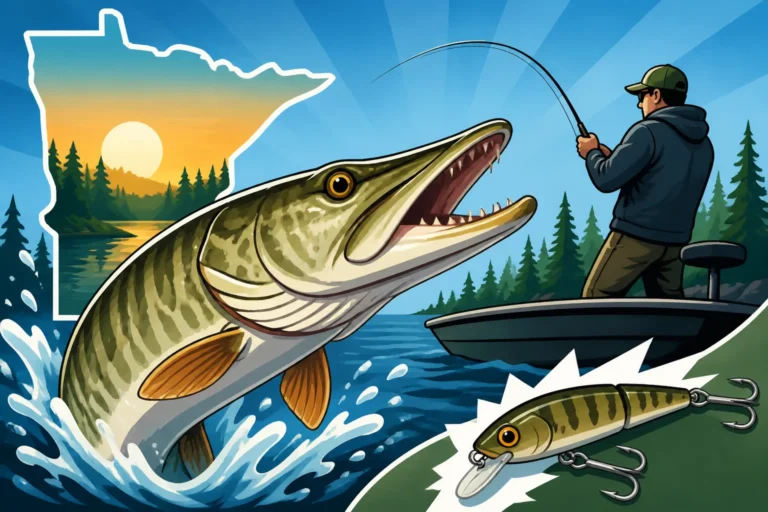
Muskies are apex predators, meaning they sit at the top of the food chain in their aquatic environments. In Minnesota, they primarily inhabit larger, clearer lakes and river systems with a good population of baitfish like cisco, suckers, and perch. They are ambush predators, often found lurking in or near structure, waiting for an unsuspecting meal to swim by. This structure can be anything from dense weed beds, submerged timber, rock reefs, sharp breaklines, and even open water around deep points or humps. Think of areas where they can hide and dart out quickly.
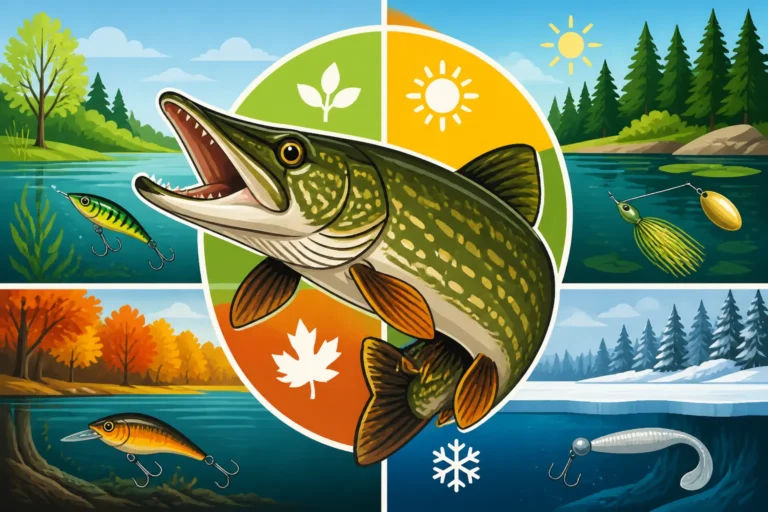
They're territorial and can be solitary, so finding one doesn't necessarily mean you'll find a school. Their preferred water temperatures range from the mid-60s to low 70s Fahrenheit, making late spring, summer, and fall prime times. During the heat of summer, they might move to deeper, cooler waters, often suspending over structure or following baitfish schools. In the cooler months of fall, they become extremely active, feeding heavily in preparation for winter, often moving shallower again. Knowing these tendencies will help you narrow down your search.
Prime Seasons and Conditions for Muskie in Minnesota
Minnesota's muskie season typically opens in early June, offering anglers their first crack at these giants. Early season often finds muskie in shallower, warming waters, especially around green weed growth or developing lily pads. As summer progresses, they tend to move to deeper breaks, submerged humps, and open water basins where their primary forage resides. This is when you might find them relating to offshore structure on lakes like Lake Vermilion or Leech Lake.
Fall is, without a doubt, a favorite for many trophy muskie anglers. As water temperatures drop, usually from September through late October or even early November, muskie enter a "feeding frenzy" phase. They pack on weight for the lean winter months, becoming more aggressive and often moving into shallower bays or along steep breaks. Overcast days, slight chop on the water, and stable barometric pressure are often considered ideal conditions. Conversely, bright, sunny, calm days or periods of rapidly changing weather (like an approaching cold front) can make them lockjaw. Remember, consistency is key; if you can get out during stable weather patterns, your chances go up. You can learn more about specific regulations in our guide to the current Muskie Season & Limit in Minnesota.
Arming Yourself: Essential Muskie Gear and Tackle
Muskie fishing isn't for the faint of heart, and it's certainly not for light tackle. These fish are big, powerful, and known for their violent strikes and epic battles. Trying to land a 50-inch muskie on gear meant for bass or walleye is a recipe for heartbreak and, more importantly, can be dangerous for both you and the fish. Investing in the right tools is non-negotiable for success and responsible angling.
Heavy-Duty Rods, Reels, and Line
When it comes to muskie gear, think heavy-duty. Your rod should be a stout, fast-action casting rod, typically 8 to 9.5 feet long, rated for heavy to extra-heavy lures and line. The longer rod provides better casting distance for those large baits and leverage during a fight. Brands like St. Croix (especially their Legend Tournament Musky series) or Shimano are popular choices among serious muskie anglers in Minnesota. You wouldn't want to bring a knife to a gunfight, and the same goes for muskie.
Pair that rod with a high-quality, low-profile baitcasting reel designed for large lures and heavy line. Look for models with a strong drag system and a fast retrieve ratio. A 6.4:1 or higher gear ratio is excellent for retrieving bucktails quickly, while a slightly slower gear ratio might be preferred for big rubber baits or jerkbaits. For line, 80 to 100-pound test braided line is standard. The braid offers incredible strength, minimal stretch for solid hooksets, and durability against abrasive cover. Always attach a heavy-duty fluorocarbon or steel leader (100-150lb test) to prevent bite-offs from their razor-sharp teeth. You can often find a great selection of these specialized leaders and lines on Amazon, which can be super convenient when your local shop is out.
Top Muskie Lures and Baits for Minnesota Waters
The world of muskie lures is vast and exciting, but a few categories consistently produce in Minnesota. Bucktails are arguably the most iconic and effective. Think of brands like Musky Mayhem Tackle (their Double Cowgirls are legendary) or Mepps. These lures create significant flash and vibration, especially when retrieved quickly, triggering aggressive strikes. Large crankbaits, like those from Grandma Lures or Bondy Bait Company, are excellent for trolling or casting over deeper structure. Jerkbaits, such as those from Chaos Tackle or Musky Innovations, mimic wounded baitfish with their erratic subsurface action and are deadly when fish are suspending or holding tight to cover.
Topwater lures create explosive strikes, making for some of the most thrilling muskie action. Whopper Ploppers from Berkley or Drifter Tackle's Hell Hounds are fan favorites. Finally, large rubber baits, like those from Bulldawg or Medussa, offer a different profile and slower presentation, often enticing strikes from finicky fish or in colder water. Remember, lure size matters – muskies prefer a substantial meal, so don't be shy about throwing baits 8-16 inches long. For an in-depth look, check out our guide to Best Muskie Lures (Bucktails, Jerkbaits, Topwater).
Here's a quick overview of popular muskie lure types and their typical applications:
| Lure Type | Common Sizes | Retrieval Style | Ideal Conditions/Situations | Key Advantages |
|---|---|---|---|---|
| Bucktails | 8-12 inches | Fast, steady retrieve | Active fish, clear to stained water | High flash/vibration, covers water quickly |
| Jerkbaits | 6-10 inches | Erratic jerks & pauses | Suspending fish, cooler water | Mimics wounded baitfish, good for precise targeting |
| Crankbaits | 6-14 inches | Steady retrieve, trolling | Deep breaks, open water trolling | Reaches depth, covers large areas |
| Topwater | 6-12 inches | Steady retrieve, walk-the-dog | Low light, shallow weeds | Explosive visual strikes, exciting |
| Rubber Baits | 8-16+ inches | Slow roll, jig, retrieve | Cold water, pressured fish | Large profile, versatile presentations |
The Hunt: Master Muskie Casting and Trolling Techniques
Alright, you've got your battle-ready gear and a selection of confidence baits. Now it's time to hit the water and put those tools to work. Muskie fishing is an active pursuit; it demands focus, repetition, and a willingness to adapt. These techniques aren't just about throwing a lure; they're about presenting it in a way that triggers an instinctual strike from a truly massive predator.
Casting and Retrieval Strategies
Casting for muskie is often a full-body workout. You'll be making hundreds of casts with heavy baits, so proper technique is crucial to avoid fatigue and injury. Focus on areas of known muskie habitat: weed lines, rock piles, submerged timber, and points. Fan-cast to cover as much water as possible, varying your retrieval speed and depth. A common strategy is to retrieve bucktails quickly, keeping them just under the surface, creating a noticeable wake. When using jerkbaits, employ a series of sharp jerks followed by pauses, allowing the bait to suspend or dart unpredictably. For topwater, a steady retrieve or a "walk-the-dog" action can be incredibly effective during low-light conditions or over shallow cover.
Always vary your retrieve speed until you find what the fish prefer on a given day. Sometimes a fast, erratic retrieve is the ticket; other times, a slow, methodical presentation is what it takes. Don't be afraid to experiment with different baits and colors too. What worked yesterday might not work today, especially with changing weather or water conditions. This constant adaptation is part of the challenge and the thrill of muskie fishing. Many anglers find themselves spending hours perfecting their casting game, understanding that every cast could be "the one."
Trolling for Open Water Muskie
While casting is exciting, trolling offers a fantastic way to cover large expanses of water and present baits at consistent depths, especially in large Minnesota lakes known for their open-water muskie populations. Trolling is particularly effective during the summer and fall when muskies might be relating to deeper structures or suspending in the thermocline. Large crankbaits and sometimes even oversized soft plastics are ideal for trolling. Using planer boards can help spread out your lines and cover a wider swath of water, mimicking a school of baitfish.
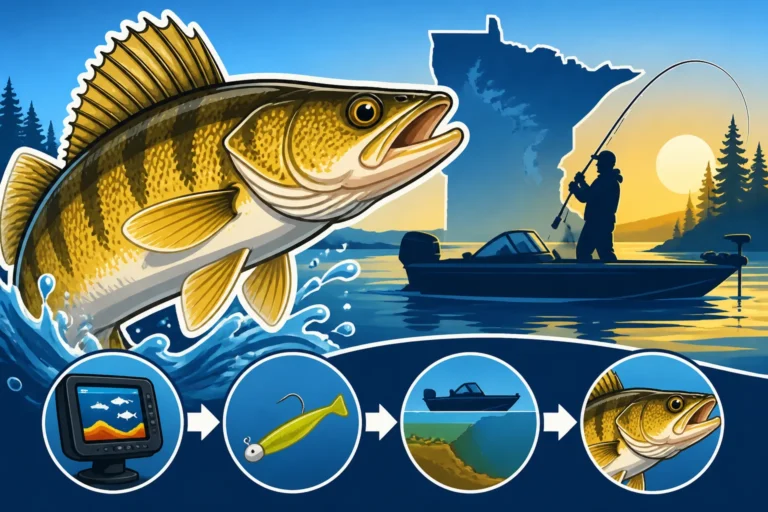
Pay close attention to your speed and the action of your baits. Most muskie trolling speeds range from 3 to 6 mph, but this can vary depending on the lure and desired action. Utilize your electronics to identify baitfish schools, thermoclines, and underwater structure. You'll often find that muskie will be patrolling the edges of these features or directly within concentrations of their food. Consider trolling along deep weed edges, over submerged humps, or across expansive flats that hold forage. On big waters like Lake of the Woods or Leech Lake, trolling is often the most efficient way to intercept a roaming giant.
The Critical Figure-8 Technique
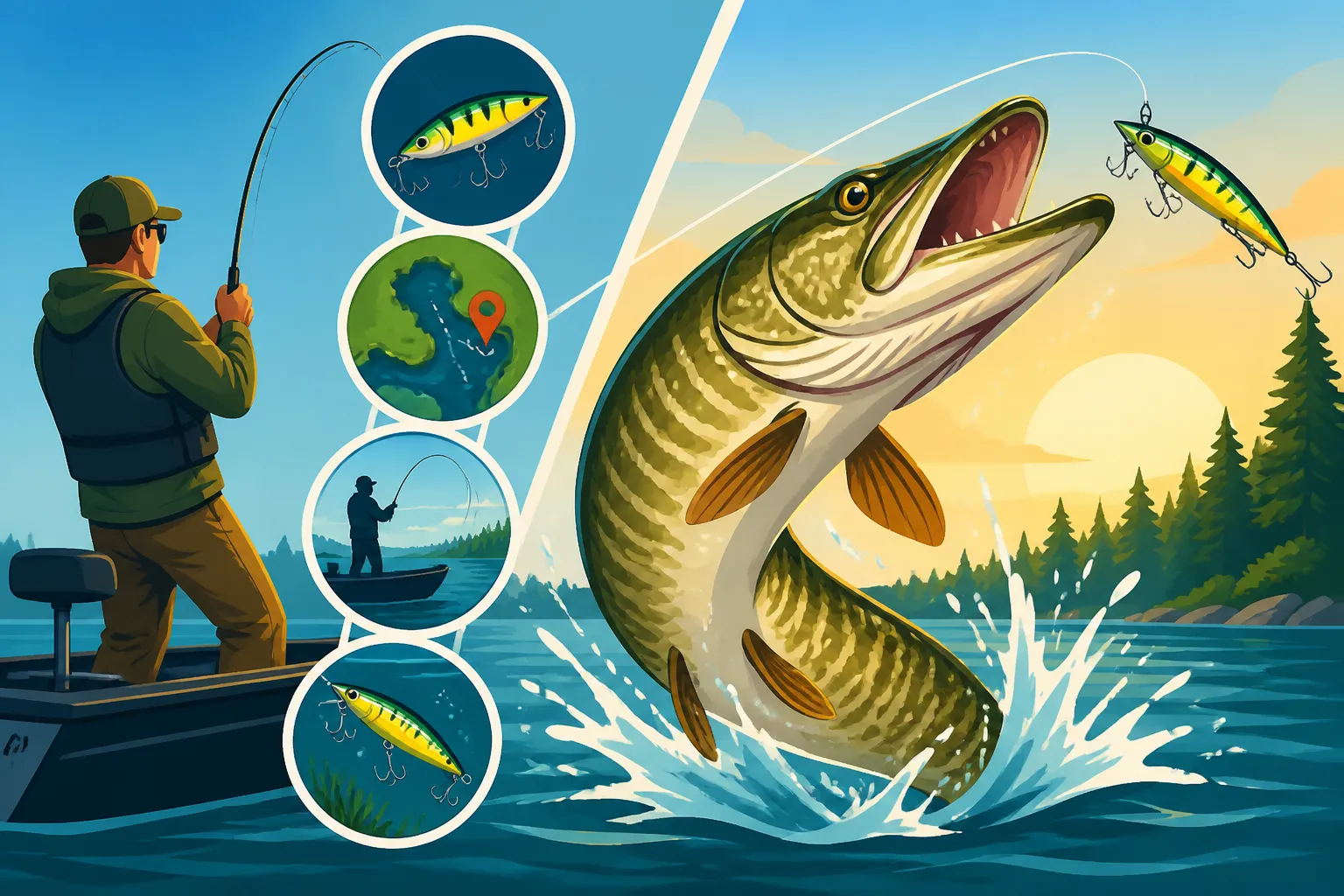
This is arguably one of the most important muskie fishing techniques, and it's where many anglers lose a potential trophy. Muskies are known for "following" a bait all the way to the boat without striking. They might be curious, testing the water, or simply waiting for the opportune moment. When this happens, you absolutely must perform a figure-8 motion with your lure at the side of the boat. As your lure approaches the boat at the end of a retrieve, don't just pull it out of the water. Instead, plunge your rod tip into the water and trace a large "figure-8" pattern next to the boat, keeping the lure moving fluidly.
The idea is to keep the muskie engaged and give it an extra opportunity to strike. The sudden change in direction, combined with the perception that the bait is trying to escape, often triggers a vicious strike right at the boat. Many large muskie are caught this way, so never skip the figure-8, even if you don't see a follow. You never know when one might be lurking just below the surface, hidden from view. Mastering the Muskie Figure-8 Technique can be the difference between a story about "the one that got away" and a memorable catch.
Beyond the Hook: Safe Handling and Catch & Release
Catching a muskie is an incredible accomplishment, but the real victory lies in ensuring its safe release. These fish are a valuable, fragile resource, and proper handling is paramount for their survival. A dead muskie is a wasted opportunity for another angler and a blow to the fishery. Every muskie angler must commit to best practices for catch and release.
Proper Landing Net and Tools
First and foremost, you need a large, muskie-specific landing net. These nets have wide openings (often 40+ inches) and rubberized, knotless mesh to protect the fish's slime coat and fins. Avoid smaller, knotted nets at all costs, as they can severely damage the fish. Brands like Frabill or Beckman offer excellent muskie nets. When you get a fish to the boat, quickly guide it headfirst into the net. Once in the net, keep the fish in the water as much as possible, only lifting it momentarily for a quick photo if desired.
Beyond the net, you'll need a set of long-nosed pliers or jaw spreaders and heavy-duty hook cutters. Muskies have incredibly strong jaws and sharp teeth, and sometimes lures get deeply embedded. Hook cutters are essential for quickly severing hooks, minimizing handling time. Don't cheap out on these tools; a good pair of hook cutters from a brand like Knipex or Dr. Slick can save a fish's life. Having these tools easily accessible is crucial – fumbling around for them only prolongs the stress on the fish. You can find robust options for all these essential items on Amazon.
Best Practices for Catch and Release
The goal with muskie is always a swift, efficient, and gentle release. Once the fish is in the net, keep it submerged. Use your pliers or hook cutters to quickly remove or snip the hooks. If the hooks are too deep or the fish is particularly feisty, you might consider cutting the leader to minimize handling time. For photos, have your camera ready, lift the fish horizontally with both hands (one supporting the belly, the other on the head/gill plate), snap a quick shot (5-10 seconds maximum out of water), and immediately return it to the net or water.
Revive the fish by holding it gently in the water, facing into any current, until it kicks strongly and swims away under its own power. Never throw a muskie back or let it go before it's fully revived. Watch for strong tail movements and independent swimming. If the fish rolls over, continue the revival process. The survival rate of released muskie depends heavily on how they are handled, so taking that extra minute or two for a proper revival can make all the difference. Learning Catch and Release Best Practices in Minnesota is vital for every angler. It's not just about the catch; it's about the future of the fishery.
Disclaimer
Fishing regulations can change frequently. Always consult the latest Minnesota Department of Natural Resources (DNR) fishing regulations before heading out on the water. This guide provides general information and best practices, but it is the angler's responsibility to know and follow all current laws and regulations.