Lake of the Woods Fishing Regulations (2026)
Fishing Lake of the Woods is an absolute dream for so many of us, a truly iconic Minnesota experience. But let's be honest, figuring out the specific fishing regulations for this massive, unique body of water can feel like you need a law degree and a compass just to stay legal. It's frustrating when you just want to enjoy your time on the water without constantly worrying if you're breaking a rule. This comprehensive guide is here to clear up all that confusion, breaking down the specific Minnesota fishing regulations for Lake of the Woods so you can fish confidently and make the most of your trip.
Understanding Lake of the Woods' Unique Regulatory Landscape
Lake of the Woods isn't just another Minnesota lake; it's a vast international waterbody shared between Minnesota and Ontario, Canada. This unique geography means the regulations can be a bit more intricate than your typical inland lake. The Minnesota Department of Natural Resources (DNR) works closely with Canadian authorities to manage this shared fishery, but it’s crucial to remember that different rules apply depending on which side of the invisible border you're fishing.
Why Lake of the Woods is Different
The sheer size of Lake of the Woods, encompassing over 14,500 islands and covering more than a million acres, already sets it apart. But it's the international border that really complicates things. You could literally cast a line from your boat and have your lure land in Canadian waters, even if you launched from the Minnesota side. This means that understanding the "border water" regulations is paramount, as is knowing when and where you might need a Canadian license in addition to your Minnesota one. Even within the Minnesota portion, specific zones or areas like the Rainy River can have slightly different rules that you need to be aware of. It's not just about fish species; it's about geography, too.
Navigating the Minnesota-Ontario Border Waters
When you're fishing the actual boundary waters of Lake of the Woods, which includes the main lake, Big Traverse, Little Traverse, and the Rainy River downstream from the dam in International Falls, specific agreements come into play. Generally, a valid Minnesota fishing license allows you to fish in the Minnesota portions of Lake of the Woods and the shared border waters, provided you adhere to Minnesota's specific regulations for those waters. However, if you venture beyond the defined border waters into solely Canadian waters, you absolutely need an Ontario fishing license, and you must follow their regulations. This distinction is critical; accidentally crossing into Canadian-only waters without the proper license can lead to significant fines and penalties. Always carry a good GPS with detailed lake maps that show the international boundary, especially when exploring the northern reaches or among the islands. For those who enjoy fishing these shared waters, understanding the specifics of the Border Water Fishing Rules (Minnesota-Ontario, Wisconsin) is invaluable.
General Minnesota Fishing License Requirements
Before you even think about dropping a line in Lake of the Woods, you need a valid Minnesota fishing license. Whether you're a resident or a nonresident, almost everyone 16 years of age or older needs one. There are a few exceptions, like during Minnesota's Free Fishing Weekends in Minnesota or for specific youth situations, but generally, if you're an adult, you'll need to purchase a license. You can easily get a Minnesota Fishing License: Cost, Types & How to Buy (2026) online through the DNR website, from a local bait shop, or even at some retail stores around Baudette, International Falls, or Warroad. Make sure you have your license on you at all times while fishing, along with a valid ID. Conservation officers regularly patrol Lake of the Woods, and they won't hesitate to check.
Detailed Species Regulations for Minnesota Waters of Lake of the Woods (2026)
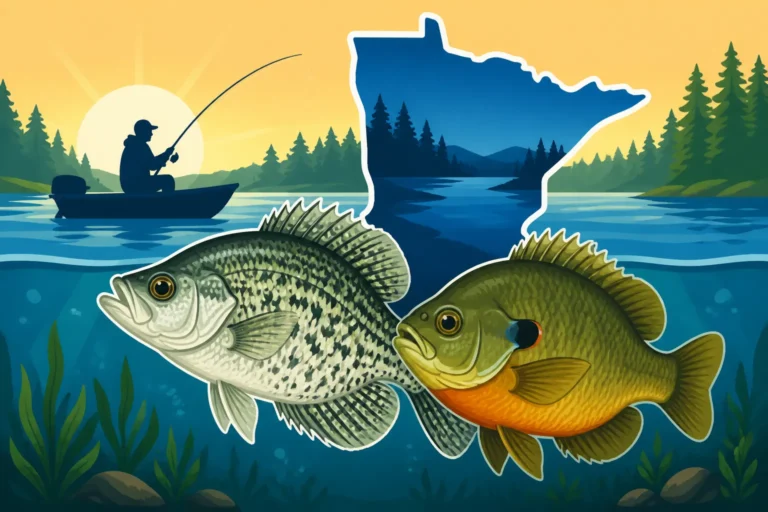
Lake of the Woods is a multi-species angler's paradise, home to abundant walleye, sauger, northern pike, crappie, muskie, and even lake sturgeon. However, each species comes with its own set of rules regarding season dates, size limits, and bag limits. These regulations are meticulously designed to protect the fishery and ensure sustainable populations for years to come. Always double-check the latest Minnesota Fishing Regulations Changes for 2026, as rules can sometimes be adjusted from year to year.
Walleye and Sauger Rules
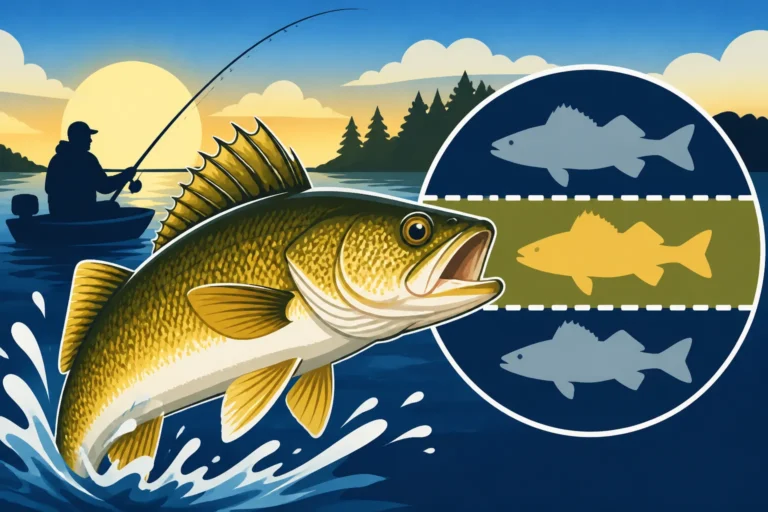
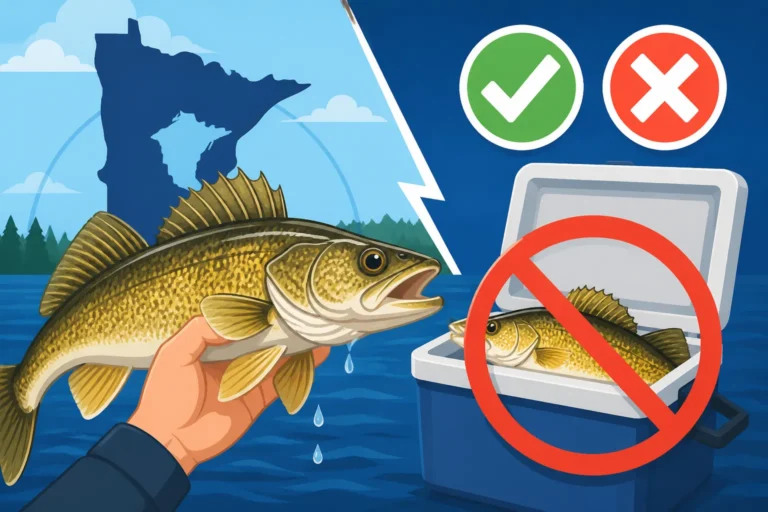
Walleye are undoubtedly the king of Lake of the Woods, drawing anglers from all over the world. The regulations for walleye and sauger on Lake of the Woods are often combined due to their similar habitat and appearance. For 2026, anglers fishing Minnesota waters of Lake of the Woods and the Rainy River have a combined possession limit of six walleye and sauger. Out of that combined limit, no more than four can be walleye. There is also a protected slot limit for walleye: all walleye between 19.5 and 28 inches must be immediately released. You can keep one walleye over 28 inches. For sauger, there is no size restriction. This means you can keep smaller walleye and sauger, but those prime "eater" walleye in the slot must go back to ensure future breeding stock. The Walleye Season & Limit in Minnesota typically aligns with the statewide opener in May, providing a long season for this prized fish.
| Species | Combined Bag Limit | Walleye Specific Limit | Walleye Protected Slot | Walleye Over 28" |
|---|---|---|---|---|
| Walleye & Sauger | 6 (combined) | 4 (max walleye) | 19.5" – 28" (release) | 1 |
This slot limit is put in place for a good reason – to protect the spawning population and ensure the lake continues to produce trophy-sized fish. It's a system designed to encourage anglers to harvest smaller fish for the frying pan while letting the larger, more genetically valuable fish continue to reproduce.
Northern Pike Limits by Zone
Northern Pike fishing on Lake of the Woods also falls under specific regulations, often tied to Minnesota's pike fishing zones. Lake of the Woods is primarily in the "North Central" or "Northern" pike zone, depending on which part you're looking at, which generally means a specific bag limit and a protected slot. For 2026, the Northern Pike Season & Limit in Minnesota for the Northern Zone typically allows a daily bag limit of three pike, with all fish from 30 to 40 inches needing to be immediately released. You're allowed to keep one fish over 40 inches. This slot is aimed at managing the pike population, promoting the harvest of smaller, more abundant pike, and protecting the larger, older breeders. However, always confirm the precise zone for Lake of the Woods specifically as there can be nuances. For instance, specific waters might have additional spearing regulations.
Crappie and Sunfish Regulations
Panfish, including crappie and sunfish (bluegill, pumpkinseed, etc.), are also popular targets on Lake of the Woods. The good news is that these species generally have more generous limits, but it's not a free-for-all. For crappie, the Crappie Season & Limit in Minnesota usually involves a daily bag limit of 10. For sunfish, the limit is often 20. However, like with other species, it’s always wise to check the current regulations, especially for specific bodies of water like Lake of the Woods. Sometimes, if a lake's panfish population is struggling, the DNR might impose a reduced limit or a special regulation to help it recover. For example, some lakes might implement a Sunfish Season & Limit in Minnesota with reduced limits to allow larger sunfish to mature.
Muskie and Bass Considerations
Muskellunge, or muskie, are the true giants of Lake of the Woods, offering an exhilarating challenge to dedicated anglers. These "fish of 10,000 casts" are managed with strict size limits to ensure their trophy status. The Muskie Season & Limit in Minnesota typically opens in early June and runs through the fall. For Lake of the Woods, the minimum size limit for muskie is often 54 inches. This means any muskie you catch under 54 inches must be immediately and carefully released. Catch and Release Best Practices in Minnesota are especially important for these large, long-lived fish.
Bass fishing, both Smallmouth Bass and Largemouth Bass, is also excellent on Lake of the Woods, particularly in the clearer waters around the islands and rocky structures. The Minnesota Bass Season (New 2026 Catch-and-Release) generally begins later than the walleye opener, often in May for catch-and-release, with harvest seasons beginning in early June. Size and bag limits are typically standardized, with a combined daily bag limit for both species, and size restrictions often involve releasing fish within a certain slot. Always consult the official Minnesota fishing regulations booklet for the precise numbers for 2026.
Lake Sturgeon on the Rainy River
The Rainy River, which flows into Lake of the Woods, is renowned for its incredible Lake Sturgeon fishery. These ancient, magnificent fish are heavily protected due to their slow growth rate and historical declines. To fish for sturgeon, you'll need a special Lake Sturgeon Regulations & Tag in Minnesota in addition to your regular fishing license. The season is highly regulated, often with specific catch-and-release periods and very limited harvest windows, with strict size slots for kept fish. The season for lake sturgeon on the Rainy River generally has specific time frames in spring and fall, with summer often being catch-and-release only. Make sure you understand the tag requirements and the specific length limits for harvest, as these are some of the most stringently enforced rules.
Essential Rules Beyond Species Limits
While understanding bag and size limits for individual species is crucial, there are other general regulations that apply to fishing on Lake of the Woods and, indeed, across all Minnesota waters. Ignoring these can lead to just as much trouble as keeping an oversized walleye.
Aquatic Invasive Species (AIS) Prevention
Minnesota is incredibly serious about preventing the spread of Aquatic Invasive Species (AIS), and Lake of the Woods, with its heavy boat traffic, is a focal point. Every angler and boater has a responsibility to follow the "Drain, Clean, Dry" protocol. This means:
- Drain: All water must be drained from your boat, including the livewell and bilge, before leaving any access point. The Minnesota AIS Drain Plug Law Explained means your drain plug must be removed and stored separately while transporting your boat on public roads.
- Clean: Remove all aquatic plants, mud, and prohibited invasive species from your boat, trailer, and fishing gear. Check your prop, anchor, and trailer bunks thoroughly.
- Dry: Allow your boat and equipment to dry completely for at least five days before launching into another body of water. If you can't dry it, you might need to use a high-pressure, hot water wash at a designated decontamination station. Learning How to Decontaminate Your Boat (AIS) is not just a recommendation; it's a legal requirement.
These rules are strictly enforced at Lake of the Woods access points, and you can face hefty fines if you're found in violation. It's a small effort that makes a huge difference in protecting our precious fisheries.
How Many Lines Can You Fish in Minnesota?
This is a common question, and the answer depends on whether you're open water fishing or ice fishing.
- Open Water: When fishing from a boat or shore during the open water season, you are generally allowed to use only one line per person. This means one rod and reel, one tip-up, or one setline.
- Ice Fishing: When Ice Fishing in Minnesota: Complete Beginner-to-Pro Guide, the rules are a bit more generous. Each angler is typically allowed to use two lines. However, if you are inside an ice shelter, such as a wheelhouse or a portable hub, and are licensed to operate that shelter, you might be allowed to use more lines depending on the number of licensed anglers in the shelter. For example, if you have a Minnesota Ice House License & Rules, the rules regarding the number of lines can vary slightly. Always check the current regulations for the precise details, especially if using a permanent or larger portable shelter.
Violations of line limits are easy for conservation officers to spot, especially with modern electronics, so it's best to stick to the rules. How Many Lines Can You Fish in Minnesota? will give you all the specifics.
Live Bait and Minnow Transportation
The rules for transporting live bait, particularly minnows, are also designed to prevent the spread of AIS. You can generally transport live minnows taken from a Minnesota lake or stream and use them on that same body of water. However, if you're planning to take minnows from one lake to another, you must buy them from a licensed dealer, and they must be in certified disease-free containers. It's illegal to transport uncertified live minnows or water from one lake system to another. This is especially relevant on Lake of the Woods, where many anglers travel from different parts of the state or even from other states. Always purchase bait from local, reputable bait shops around Lake of the Woods, as they will ensure the bait meets all necessary certifications.
Disclaimer
Please remember that fishing regulations are subject to change. While we strive to provide the most accurate and up-to-date information, it is ultimately your responsibility as an angler to consult the official Minnesota Department of Natural Resources (DNR) fishing regulations booklet or their website before heading out. This guide is for informational purposes only and should not be considered a legal document.