Best Bait for Ice Fishing Walleye
Ice fishing for walleye in Minnesota can be one of the most rewarding, yet frustrating, pursuits on the hard water. Those finicky eaters often require just the right presentation, and a huge part of that puzzle is selecting the best bait to tempt them. You've been out there, staring at a flasher, seeing fish roll through but refusing to commit – we've all been there! This comprehensive guide will break down the top live and artificial options, explaining when and how to deploy them for maximum success on your next walleye expedition.
The Undisputed Kings: Live Bait for Ice Walleye
There's just something about live bait that walleye, especially those more cautious ones under a thick layer of ice, find irresistible. The natural movement, the subtle scent, and the struggling action can often coax a strike when artificials fail. Many experienced anglers swear by live bait as their primary weapon for ice fishing walleye, and for good reason. It’s hard to beat the real thing when fish are in a neutral or negative mood.
Minnows: The Perennial Favorite
When you talk about live bait for walleye, minnows are almost always at the top of the list. They are a staple, a go-to, and for many, the only bait worth buying. But it's not just "any minnow" – different types offer distinct advantages depending on the conditions and the mood of the fish.
Fatheads, Shiners, and Rainbow Minnows
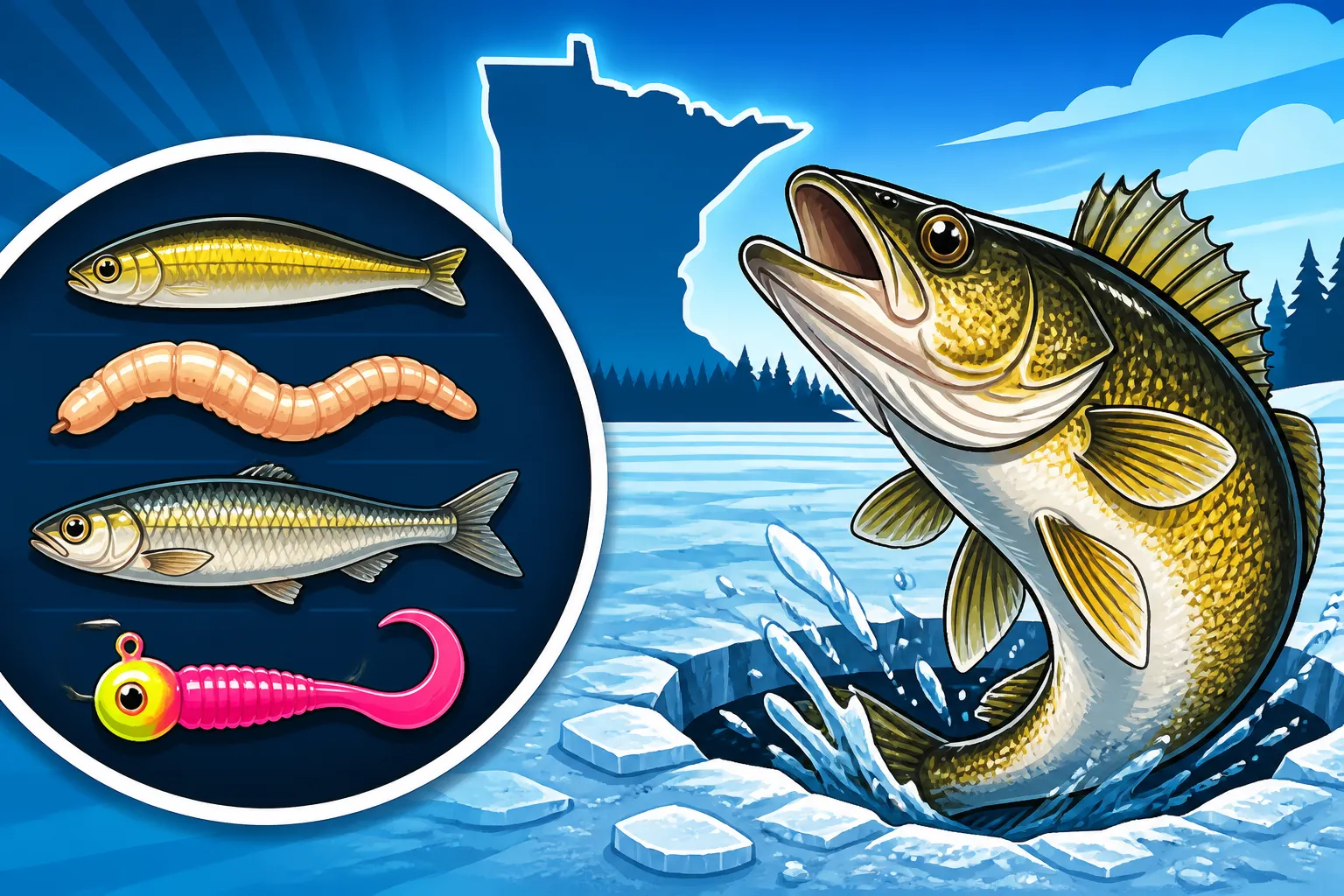
- Fatheads (Crappie Minnows): These are your everyday, affordable, and readily available minnows. They're hardy and offer a good amount of scent and subtle action. While often thought of for panfish, a lively fathead hooked properly on a jig or under a bobber can be absolutely deadly for walleye, especially when they're not overly aggressive. They're particularly effective in situations where you want a smaller, less obtrusive presentation. Many anglers will head to their local bait shop, like those found at Bass Pro Shops, and pick up a couple dozen fatheads without a second thought.
- Shiners (Emerald Shiners, Spottail Shiners): Now we're talking about walleye candy! Shiners are often pricier and can be a bit more delicate, but their erratic, lively action and brilliant flash are hard for a walleye to ignore. Emerald shiners, in particular, are renowned for their incredible shimmer, mimicking native forage fish perfectly. Spottail shiners are another excellent choice, offering a slightly larger profile and robust action. When walleye are on the hunt, a shiner suspended just off the bottom on a plain hook or a light jig can be the ticket. They tend to be a larger bait, drawing in bigger predators.
- Rainbow Minnows (Rosy Reds): These vibrant, colorful minnows are essentially a selectively bred fathead, but their bright, reddish hue offers a visual appeal that can be very attractive in stained water or during low-light conditions. While not as universally acclaimed as shiners, many anglers find them to be a fantastic alternative when fish might be responding to something a bit more flashy without being overly aggressive. They still offer the natural movement and scent, but with that added visual pop that can trigger a curious walleye. For more general tactics on how to catch walleye through the ice in Minnesota, you'll find minnows are almost always central to the discussion.
Leeches and Nightcrawlers: Niche but Effective
While minnows steal the show for ice fishing walleye, there are specific situations where other live baits, though less common, can really shine. Don't discount these entirely, as having an alternative can save a slow day.
Leeches for Milder Conditions
Leeches are more traditionally associated with open-water walleye fishing in warmer months, but they do have their place during ice season, particularly during early ice or late ice periods when water temperatures aren't quite as frigid. Their undulating, ribbon-like movement is unique and can sometimes entice a bite from a walleye that has seen every minnow in the bait shop. If you're fishing in a mild spell or on a lake known for its leeches as a forage base, try tipping a small jig with a half leech. Their natural toughness also means they stay on the hook better than some minnows, which can be an advantage when dealing with aggressive panfish pecking at your bait. For a broader look at the best live bait for walleye (Leeches, Minnows, Crawlers), you'll see how versatile these options truly are across seasons.
Nightcrawlers for Unique Situations
Again, like leeches, nightcrawlers are typically an open-water bait. However, in certain scenarios, especially if you're targeting other species and a walleye happens to come along, or if you're using a very subtle presentation for finicky fish, a small piece of a nightcrawler can work wonders. Often, it's used as a tipping agent on a small jig or spoon, providing a strong natural scent trail and a bit of wiggly action. It’s definitely not a primary choice for most ice anglers specifically targeting walleye, but it's a good trick to have in your back pocket if you're struggling to get bites and need to experiment with something completely different.
Artificial Arsenal: Lures That Trigger Bites
Sometimes, live bait isn't cutting it, or you simply prefer the active approach of jigging. Modern artificial lures for ice fishing walleye are incredibly effective, designed to mimic wounded baitfish, trigger aggressive strikes, and cover water quickly. The key is understanding their action and knowing when to use which type of lure. If you're looking to upgrade your tackle box, you can find a vast selection of these lures on Amazon or at your local Bass Pro Shops.
Jigging Spoons: Flash, Vibration, and Action
Jigging spoons are quintessential ice fishing lures for walleye. They're designed to drop quickly, flutter on the fall, and create flash and vibration that imitate a struggling baitfish. The beauty of spoons is their versatility; you can snap them aggressively to call in fish or subtly tease them to trigger a strike.
Spoon Types and Tipping
- Darting Spoons: Lures like the Acme Kastmaster or the Northland Forage Minnow Spoon are designed to dart erratically when jigged, mimicking a fleeing baitfish. These are excellent for active walleye that respond well to an aggressive presentation. Experiment with different colors, from natural silvers and golds to brighter firetiger and chartreuse, depending on water clarity and fish mood.
- Wobbling Spoons: Spoons such as the classic Swedish Pimple or the Bay de Noc Do-Jigger have a more pronounced wobble on the fall, creating a broader profile and a slower descent. This can be great for fish that are slightly less aggressive but still want a lure they can track.
- Rattling Spoons: Some spoons, like the Lindy Rattl'n Flyer Spoon, incorporate internal rattles, adding an auditory element to the flash and wobble. This extra noise can be incredibly effective in stained water or to attract walleye from a greater distance, especially if they're holding tight to the bottom or structure.
- Tipping Spoons: While spoons are effective on their own, tipping them with a minnow head, a wax worm, or a small piece of plastic (like a Berkley Gulp! Minnow) significantly increases their effectiveness. The added scent and subtle action from the live bait can turn a follow into a strike. This combination often leads to more consistent bites when the walleye are being finicky. For a deeper dive into the best lures for ice fishing walleye, you'll see spoons mentioned repeatedly.
Jigging Raps and Lipless Crankbaits: Aggressive Presentations
When walleye are aggressive and chasing bait, or when you need to cover water and draw fish in from afar, lures with a more pronounced action and vibration are your best friends. These lures are fantastic for searching out active fish.
Rapala Jigging Raps and Lipless Crankbaits
- Jigging Raps and Similar Lures: The Rapala Jigging Rap is legendary in the ice fishing world. Its unique design allows it to dart in wide circles when jigged, covering a significant area under the ice. Other similar lures, like the Moonshine Shiver Minnow or the Northland Puppet Minnow, offer similar darting actions with their own unique characteristics and color patterns. These lures are exceptional for aggressive walleye, particularly when fishing over expansive flats or breaks where fish are moving. A hard rip followed by a pause often triggers a reaction strike.
- Lipless Crankbaits: While perhaps less common than Jigging Raps for dedicated walleye ice fishing, lipless crankbaits like the Rapala Rippin' Rap or the Bill Lewis Rat-L-Trap can be incredibly effective, especially for larger, aggressive walleye. Their loud rattles and strong vibration can call in fish from a distance, and they present a substantial profile. They're excellent for vertical jigging and can be worked aggressively to mimic a frantic baitfish. Just be mindful of their size; you want something manageable for walleye mouths, typically in the 1/4 to 1/2 ounce range. Understanding "Ice Fishing for Walleye: Tactics & Setups" often involves integrating these aggressive options.
Soft Plastics and Jigs: Subtle Appeal
Sometimes, the walleye are just not interested in a flashy, aggressive presentation. This is where the subtle appeal of soft plastics on jigs comes into play. These rigs offer a natural profile, delicate action, and often a slower fall, which can be exactly what a hesitant walleye needs to commit.
Grubs, Minnow Profiles, and Jig Materials
- Grubs and Minnow Profiles: Small paddle-tail swimbaits, twister tail grubs, or minnow-profile plastics (like the Berkley Gulp! Minnow or the Trigger X Minnow) rigged on a lead or tungsten jig head can be incredibly effective. The key is to match the size and color to the prevailing forage and water conditions. The soft plastic provides a lifelike appearance and subtle movement with minimal jigging, perfect for those days when fish are barely nudging your bait.
- Tungsten vs. Lead Jigs: Tungsten jigs have become hugely popular for ice fishing, and for good reason. Tungsten is much denser than lead, meaning a tungsten jig can be smaller in profile while maintaining the same weight. This allows for a more subtle presentation that still gets down to the fish quickly. This is particularly important when targeting finicky walleye that might be spooked by a larger lead jig, or when fishing in deeper water where every second counts. Brands like VMC and Northland Tackle offer excellent tungsten jig options. Using the right jig is a critical component of Best Ice Fishing Rods for Walleye & Panfish.
The Scent Factor and When to Tip Your Lure
We've touched on it briefly, but scent is a huge part of the walleye ice fishing puzzle. Walleye rely heavily on their sense of smell, especially in cold, dark water where visibility is reduced. Adding scent, whether through applied attractants or by tipping your lure with natural bait, can dramatically increase your strike rate.
Applied Scents: Adding an Extra Edge
Synthetic scents have come a long way and can give your artificial lures an irresistible aroma that draws walleye in and encourages them to hold on longer, giving you more time to set the hook.
Liquid vs. Gel and Popular Brands
- Liquid Scents: These are often sprayed or squeezed directly onto your lure. They disperse quickly in the water, creating a scent trail. The downside is they can wash off relatively fast, requiring frequent reapplication.
- Gel Scents: Gels adhere better to lures, releasing scent more slowly and lasting longer. They create a "slime trail" that fish can follow. Brands like Smelly Jelly, Pro-Cure, and Berkley Gulp! Alive! are well-known for their effective scents. Berkley Gulp! Alive! products even come in a resealable tub with a potent liquid, allowing you to "recharge" your plastics with scent. The added scent can make a massive difference, especially on days when walleye are sluggish and need extra encouragement to investigate your offering.
The Power of a Minnow Head or Eye
Perhaps the simplest, most effective, and oldest trick in the book for adding natural scent and appeal to an artificial lure is tipping it with a piece of live bait.
Why it Works and Ethical Considerations
- Why it Works: A minnow head, a tiny sliver of cut bait, or even a minnow eye (carefully removed from a dead minnow) provides a burst of natural scent, blood, and subtle texture that no artificial attractant can perfectly replicate. When you're jigging a spoon or a Jigging Rap, that small piece of natural bait adds just enough organic appeal to convince a hesitant walleye to commit. It makes the artificial presentation seem more "real" and edible.
- Ethical Considerations: Always use dead minnows or parts of minnows for tipping to avoid the spread of aquatic invasive species. Never use live bait that could potentially escape or be improperly disposed of, especially if you're taking minnows from one body of water to another. Always check the current Minnesota Fishing Regulations Changes for 2026 to ensure you're compliant with all bait rules.
Matching Your Bait to the Conditions
Choosing the right bait isn't a one-size-fits-all situation. The best bait for ice fishing walleye often depends on a multitude of factors, from the water depth to the fish's activity level. Being able to adapt and switch tactics is a hallmark of successful ice anglers. Knowing how many lines can you use ice fishing in Minnesota can also influence your strategy, allowing for multiple presentations.
Deep vs. Shallow Water Strategies
The depth you're fishing can significantly impact your bait choice and presentation.
Bait Size and Weight for Depth
- Deep Water (20+ feet): In deeper water, you often need heavier baits to get down to the strike zone quickly and efficiently. Larger jigging spoons, heavier Jigging Raps, or tungsten jigs rigged with soft plastics are excellent choices. Aggressive jigging can help draw fish from further away, and the flash and vibration from larger baits are more easily detected. When you're fishing deeper, you also have to consider the retrieve; a larger bait might be necessary to keep it in the optimal viewing range for longer. Learning what depth to ice fish for walleye is crucial for these scenarios.
- Shallow Water (Under 15 feet): For shallower depths, especially in clear water, a more subtle approach is often best. Lighter jigs with smaller soft plastics, delicate jigging spoons, or even just a plain hook with a small minnow under a bobber can be incredibly effective. Too much commotion or a lure that's too large can spook fish in shallow water. You want to present something natural and non-threatening.
Water Clarity and Fish Activity Levels
The clarity of the water and how active the walleye are on a given day should always influence your bait selection.
Color, Noise, and Presentation
- Clear Water: In clear lakes, walleye have excellent visibility, so natural colors like silver, gold, perch patterns, or translucent plastics tend to work best. You want your bait to look as realistic as possible. Subtle actions and quiet presentations are preferred. Avoid overly flashy or noisy lures unless the fish are extremely aggressive.
- Stained or Murky Water: When the water has a tint to it, or during low-light conditions (dawn, dusk, or heavily overcast days), bright colors like chartreuse, orange, and glow-in-the-dark baits can really shine. The vibrant hues stand out against the murk. Noisy lures, such as rattling spoons or lipless crankbaits, can also be highly effective here, using sound to attract fish that might not be able to see your bait from a distance. Knowing how to find fish while ice fishing will guide you to these zones.
- Aggressive Walleye: If your flasher shows fish rocketing in to check out your bait, or you're getting consistent hard strikes, lean into aggressive presentations. Use larger, flashier, noisier lures. Hard snaps and long pauses with Jigging Raps or heavy spoons can trigger vicious strikes.
- Neutral or Negative Walleye: When fish are barely moving, refusing to commit, or just lightly "thumping" your bait, it's time to scale down and slow down. Switch to smaller baits, use tungsten jigs with subtle soft plastics, or go back to a simple minnow under a bobber. Scent becomes even more critical here. Subtle twitches, deadsticking (leaving your bait motionless), or extremely slow lifts and falls can often convince these wary walleye to bite. For a comprehensive overview, check out our Walleye Fishing in Minnesota: Complete Guide.
Here's a quick reference table to help guide your choices:
| Condition | Recommended Live Bait | Recommended Artificial Lure | Key Feature |
|---|---|---|---|
| Active Fish | Larger Shiners | Jigging Raps, Rattling Spoons, Lipless Cranks | Aggressive action, flash, noise |
| Finicky/Neutral Fish | Fatheads, Small Minnows, Minnow Head Tip | Small Tungsten Jigs with plastics, Subtle Spoons | Subtle movement, natural scent, small profile |
| Deep Water (20'+) | Larger Minnows (on heavier jigs) | Heavy Jigging Spoons, Heavier Jigging Raps | Weight for quick descent, visibility |
| Shallow Water (0-15') | Small Fatheads, Minnow under Bobber | Small Jigs with Plastics, Micro Spoons | Light weight, subtle, natural presentation |
| Clear Water | Natural Minnows, Leeches | Natural colored spoons, translucent plastics | Realistic look, subtle action |
| Stained/Low Light | Rainbow Minnows, Scented Minnows | Glow-in-the-dark, Chartreuse, Orange lures | High visibility, added scent, noise |
Ultimately, the best bait for ice fishing walleye in Minnesota is often a combination of knowledge, observation, and adaptability. Don't be afraid to experiment, and pay close attention to what the fish are telling you on your flasher. Good luck out there, and tight lines!
Disclaimer
Fishing regulations, seasons, and limits can change frequently. While we strive to provide the most up-to-date information, it is your responsibility to consult the current Minnesota Department of Natural Resources (DNR) fishing regulations before heading out on the water. This guide is for informational purposes only.