Do You Need Forward-Facing Sonar in Minnesota?
It’s a question that’s probably been nagging at you, especially if you spend any time scrolling through fishing videos or browsing the aisles of your favorite tackle shop: "Do I really need forward-facing sonar to catch fish in Minnesota?" Let’s be honest, the technology is undeniably cool, but it also comes with a hefty price tag and a definite learning curve. This guide is going to cut through the hype and break down exactly what forward-facing sonar brings to the table for Minnesota anglers, helping you decide if it’s the right investment for your fishing style and wallet.
Understanding Forward-Facing Sonar: What It Is and How It Works
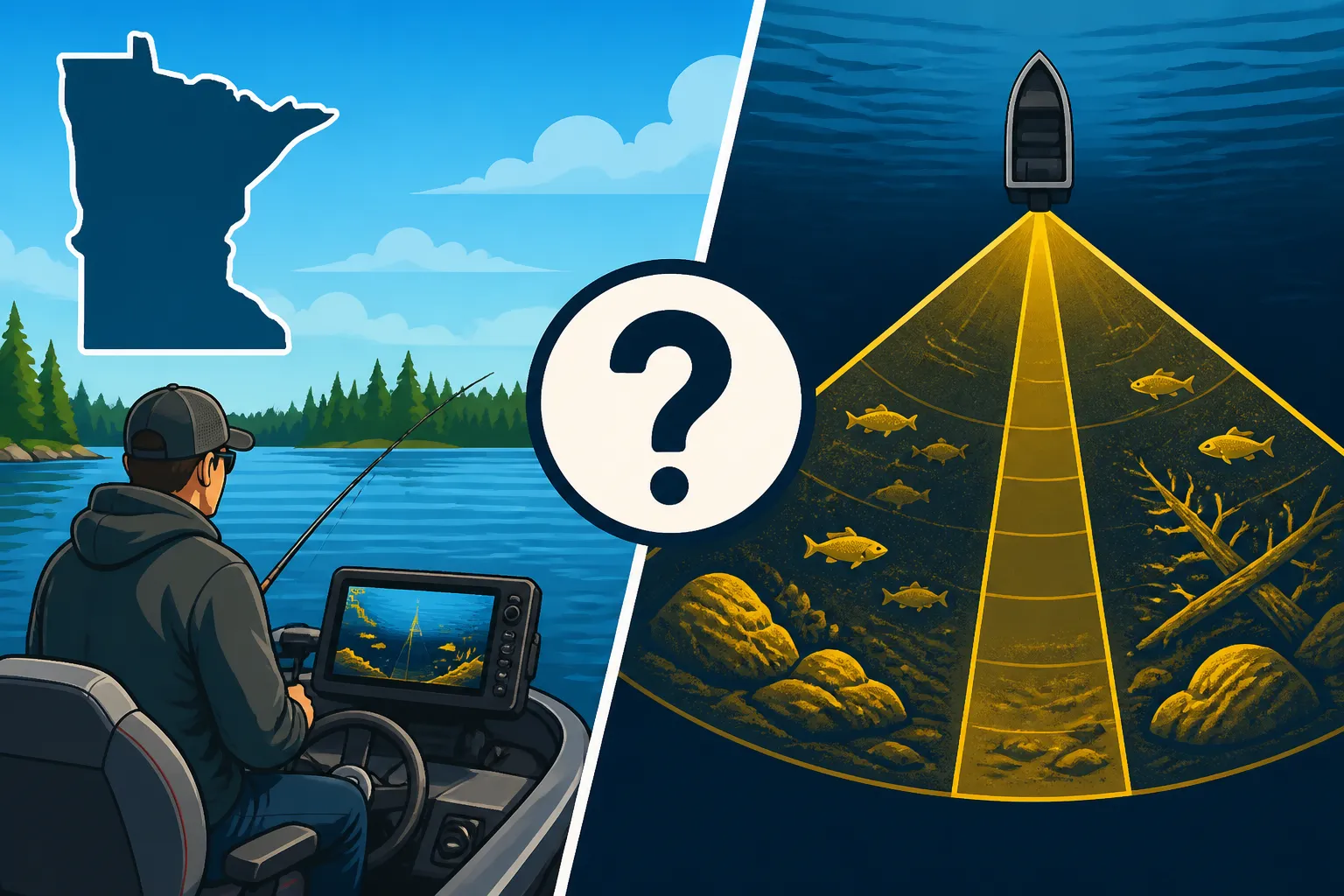
Before we dive into whether you need it, let's clarify what forward-facing sonar (FFS) actually is. It’s not just another fancy fish finder; it's a revolutionary piece of technology that offers a real-time, live view of what's happening in front of your boat or ice hole. Unlike traditional 2D sonar that shows you what you've already passed over or down/side imaging that gives you a historical snapshot, FFS broadcasts a narrow, cone-shaped beam ahead, allowing you to see fish, bait, and structure as they appear, often hundreds of feet away.
The Live View Advantage Over Traditional Sonar
Think of it like this: traditional sonar is like looking at a photograph of the road you just drove on. You can see where you’ve been. Down imaging gives you a sharper, more detailed photo directly below you. Side imaging expands that photo out to the sides. But forward-facing sonar? That's like having a live video feed, showing you the road ahead of your car, complete with moving traffic and upcoming turns. You can literally watch a fish react to your lure, see it swim towards or away from your bait, and understand its movements in real-time. This changes the game, especially for species known for being finicky or suspended.
For a comprehensive look at the range of options, check out our guide on the Best Fish Finders & Electronics for Minnesota Fishing.
How Different Brands Approach FFS
While the core concept is the same, major brands like Garmin, Humminbird, and Lowrance each have their own proprietary take on forward-facing sonar.
- Garmin LiveScope: This is arguably the most widely known and adopted FFS system. It delivers incredibly clear, detailed real-time images, allowing anglers to distinguish fish from structure with impressive accuracy. Garmin's versatility, with multiple viewing modes (forward, down, and perspective), makes it a favorite for many. We’ve even got a specific deep dive on How to Use Garmin LiveScope for Walleye.
- Humminbird Mega Live Imaging: Humminbird’s entry into the FFS market leverages its MEGA Imaging technology to provide very sharp, high-resolution views. It integrates seamlessly with Humminbird's Apex and Solix units, offering competitive clarity and a slightly different beam angle that some anglers prefer.
- Lowrance ActiveTarget: Lowrance’s system also offers excellent real-time imagery, allowing for forward, down, and scout (wide view) modes. Anglers often praise its intuitive interface and integration with Lowrance HDS and Elite FS displays.
Each system has its loyal proponents, and while there are differences in user interface, image processing, and beam characteristics, they all aim to deliver that crucial live, forward-looking perspective. The choice often comes down to brand loyalty, existing electronics setup, and personal preference for image interpretation.
The Real Benefits of Forward-Facing Sonar for Minnesota Anglers
Let’s get down to brass tacks. Is this just a fancy gadget, or does it genuinely help you catch more fish in our beautiful Minnesota waters? The truth is, for certain situations and species, FFS can be a massive advantage, fundamentally changing how you approach a spot.
Pinpointing Fish and Structure in Open Water
One of the biggest struggles for any angler, especially on large, featureless lakes, is finding the actual fish. You might know there are walleye or crappie in an area, but knowing exactly where they are within that vastness is the challenge. FFS solves this by letting you scan ahead.
- Finding Suspended Walleye: Imagine you're on a deep lake like Mille Lacs or Leech Lake, and the walleye are suspended 15-20 feet down over 30 feet of water. With traditional sonar, you might troll blindly until you pass over one. With FFS, you can literally see those individual fish as they roam, cast a jig and minnow to them, and watch the entire interaction. This is especially effective during periods when fish aren't hugging the bottom. If you're looking for more ways to target suspended walleyes, check out our Walleye Fishing Techniques: Complete Minnesota Guide.
- Targeting Panfish Schools: Crappie and sunfish often school up around brush piles, docks, or even in open water over basins. FFS allows you to pinpoint these schools from a distance, determine their depth, and then cast accurately to them. Instead of dropping a jig into a general area and hoping, you can see if the school is reacting to your presentation. This is a game-changer for those frustrating days when the fish seem to vanish. For those targeting panfish, our Crappie & Panfish Fishing Techniques guide offers additional insights.
Mastering the Art of Casting and Presentation
FFS doesn't just help you find fish; it helps you understand how fish are reacting to your lure. This feedback loop is invaluable for learning and refining your technique.
- Watching the Bite Unfold: You can observe your lure descending, see a fish approach it, and watch its behavior. Is it spooked? Is it interested but not committing? Is it striking short? This real-time information allows you to adjust your retrieve, jigging cadence, or even your lure selection on the fly. You can experiment with different jig colors from your Best Walleye Lures: Jigs, Cranks & Spinners selection and immediately see which one gets a reaction.
- Accurate Casting: When you see a lone walleye hugging a rock pile 80 feet away, FFS allows you to make an incredibly precise cast, putting your lure directly in its strike zone. This minimizes wasted casts and maximizes your fishing time over productive fish. It's particularly useful when you're fishing precise spots or trying to pick off individual, larger fish without disturbing the whole school.
A Game Changer for Ice Fishing
While FFS started primarily as a boat-based tool, its application in ice fishing has exploded in popularity, particularly for mobile anglers.
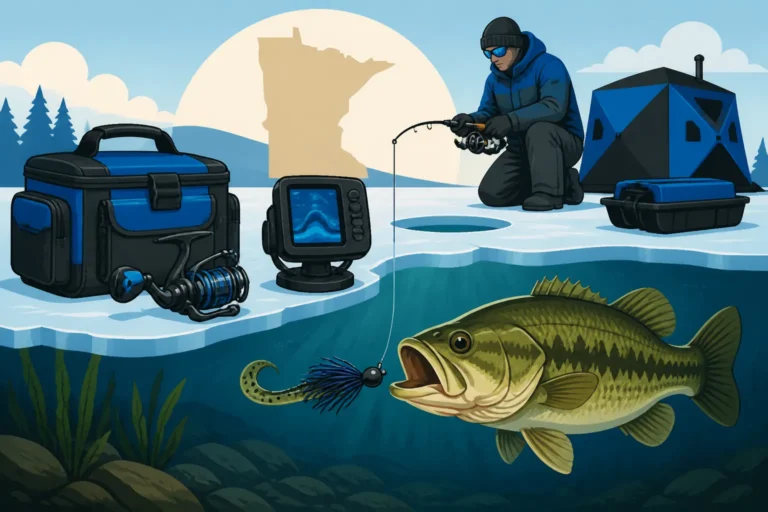
- Scanning from the Hole: Imagine drilling a hole and, instead of waiting for fish to swim under it, you can scan 360 degrees around your hole to see if there are fish lurking nearby. This saves immense time and effort, preventing you from setting up shop on barren ice. If you're serious about ice fishing, you'll want to review our Best Ice Fishing Gear for Minnesota (2026 Guide).
- Spotting Roamers: FFS is a lifesaver for tracking those elusive winter walleye or crappie that are constantly on the move. You can see them approaching your hole from a distance, giving you precious seconds to prepare your presentation. It’s like having a personal underwater drone telling you exactly when and where to drop your bait. This level of information truly transforms the experience of Ice Fishing in Minnesota: Complete Beginner-to-Pro Guide.
Table: FFS vs. Other Sonar Views – When Each Shines
| Sonar Type | Primary View Direction | What It Shows | Best Use Cases |
|---|---|---|---|
| Forward-Facing Sonar | Ahead, Real-time | Live movement of fish, bait, structure in front. | Locating suspended fish, tracking fish movement, precision casting, observing lure presentation, ice fishing hole scanning. |
| Traditional 2D Sonar | Below, Historical | Fish arches, bottom contours, depth. | General depth finding, identifying bait balls, understanding bottom hardness (when interpreting arches), basic fish detection. |
| Down Imaging | Directly Below, Photo | High-detail, photo-like view of structure below. | Identifying specific structures (trees, rock piles), distinguishing fish from structure, inspecting bottom composition. |
| Side Imaging | To the Sides, Photo | Wide, photo-like view of structure and fish to sides. | Scanning large areas quickly for structure/fish, finding brush piles, drop-offs, wrecks, navigating shallow hazards. |
The Downsides and Learning Curve to Consider
Okay, so FFS sounds incredible, right? But it's not without its drawbacks, and it's important to be realistic about what you're getting into. This isn't a magic bullet; it's a tool that requires investment and effort.
The Financial Investment is Significant
Let's not beat around the bush: forward-facing sonar is expensive. A complete system, including the transducer, black box, and a compatible display, can easily run you several thousand dollars. This doesn't even include installation costs, especially if you need a dedicated pole mount for your boat or ice fishing setup. For many casual anglers, this price point is simply out of reach, and that's a perfectly valid reality. You might be eyeing those new Garmin LiveScope units at Bass Pro Shops, but it’s a serious purchase that demands careful consideration of your budget.
A Steep Learning Curve for Optimal Use
While the concept of FFS is simple (see fish, catch fish), actually mastering the interpretation of what you're seeing on the screen takes time and practice.
- Reading the Screen: Unlike clear fish arches on 2D sonar, FFS displays can sometimes look like a confusing mess of lines and blobs initially. Distinguishing a small fish from a piece of debris or understanding the size and species of a fish requires experience.
- Transducer Control: To get the most out of FFS, you need to actively control your transducer. This often means manually rotating it (with a foot pedal or handheld controller) to scan different areas. This adds another layer of multi-tasking while fishing, which can be distracting at first. It's not uncommon to spend hours on the water just practicing scanning techniques before you feel truly proficient.
- Mounting and Setup: Getting the transducer optimally mounted and calibrated is crucial. On a boat, this often involves a dedicated pole that can be deployed and retrieved, adding to the complexity compared to a transom-mounted 2D transducer. For ice fishing, specialized poles are needed to keep the transducer stable and pointed correctly in the hole.
Not Always the Best Tool for Every Scenario
While FFS excels in many situations, it's not a universal solution.
- Shallow, Weedy Water: In dense weeds or very shallow water (a few feet deep), the FFS beam can become cluttered and less effective. The sheer amount of structure and vegetation can overwhelm the display, making it hard to pick out individual fish.
- Heavy Current: In strong river currents, maintaining a stable image and accurate target acquisition can be challenging as the water moves quickly past the transducer.
- Fish Tight to Bottom: If fish are belly-to-the-bottom in heavy cover, traditional down imaging or even 2D sonar might give you a better, more defined picture of fish within that structure. FFS is phenomenal for suspended fish or fish cruising just off the bottom, but less so for those tucked deep into cover.
So, Do You Really Need It? Making the Decision for Your Fishing Style
This is the million-dollar question, and frankly, there's no universal "yes" or "no" answer. It truly depends on your fishing goals, your budget, and your willingness to invest time in learning new technology.
When Forward-Facing Sonar is a Game Changer
If you fall into any of these categories, FFS could be a transformative addition to your arsenal:
- Competitive Anglers: If you fish tournaments, especially for walleye or bass, FFS is rapidly becoming a mandatory tool to stay competitive. The ability to find fish faster and present baits more effectively gives you a significant edge.
- Targeting Specific Species Known to Suspend: If you frequently chase walleye in open water, crappie, or even actively roaming smallmouth bass on lakes like Lake Vermilion, FFS will undeniably increase your success rate.
- Exploring New or Challenging Waters: When you’re on a new lake or struggling to find fish on a familiar one, FFS provides rapid reconnaissance. You can quickly scan vast areas to locate baitfish, structure, and active fish. Our Mille Lacs Lake Fishing Guide: Walleye, Bass & More highlights how FFS can be particularly useful on such large, diverse bodies of water.
- Dedicated Ice Anglers (Mobile & Stationary): If you spend serious time on the hard water and enjoy being mobile, a portable FFS setup can revolutionize your ice fishing experience, allowing you to quickly check holes and track fish movements.
- Anglers Who Love Technology and Learning: If you enjoy tinkering with new gear and aren't afraid of a learning curve, the challenge and reward of mastering FFS can significantly enhance your enjoyment of fishing.
When Other Electronics Might Suffice
It's important to remember that anglers caught fish for decades – and caught a lot of them – without forward-facing sonar. If these points resonate with you, a traditional sonar setup is likely perfectly adequate:
- Casual Anglers with a Limited Budget: If fishing is a relaxing pastime and you're not looking to spend thousands of dollars on a single piece of equipment, a good 2D sonar with side and down imaging will still provide immense value and help you locate fish.
- Mostly Fishing Shallow or Weedy Waters: If your typical fishing spots are shallow, heavy with vegetation, or have significant current, the benefits of FFS diminish, and its cost might not be justified.
- Anglers Who Prefer Simplicity: If you like to keep your electronics simple and focus more on traditional techniques, adding the complexity of FFS might detract from your enjoyment rather than enhance it.
- Bank/Shore Anglers: Unless you have a very specific, portable FFS setup for specific scenarios, this technology is primarily designed for boat or ice house use. If you mostly do Shore & Bank Fishing in Minnesota (No Boat), FFS is likely not a priority.
- Beginner Anglers: Learning the basics of fishing, understanding Seasonal Fishing Patterns in Minnesota, and mastering fundamental techniques like Trolling for Walleye: Crankbaits & Leadcore or jigging for walleye should come first. FFS is an advanced tool that builds on existing knowledge.
Ultimately, the decision to invest in forward-facing sonar is a personal one. It's an incredible technology that can undeniably increase your efficiency and success in certain fishing scenarios, but it demands a significant financial and time commitment. For some, it's an absolute game-changer; for others, a well-equipped boat with good 2D, down, and side imaging, along with a solid understanding of fish behavior and Minnesota Fishing Seasons & Opener Dates (2026), will serve them perfectly well. Before you pull the trigger, consider renting a boat with FFS for a day or fishing with a guide who uses it to truly understand its capabilities firsthand. You might find some excellent deals on accessories and mounts for your existing setup on Amazon if you do decide to upgrade!
Disclaimer
The information provided in this guide is for general informational purposes only and is not intended as legal advice regarding fishing regulations. Always consult the most current Minnesota Department of Natural Resources (DNR) fishing regulations handbook or website before heading out on the water. Fishing laws and regulations are subject to change without notice.