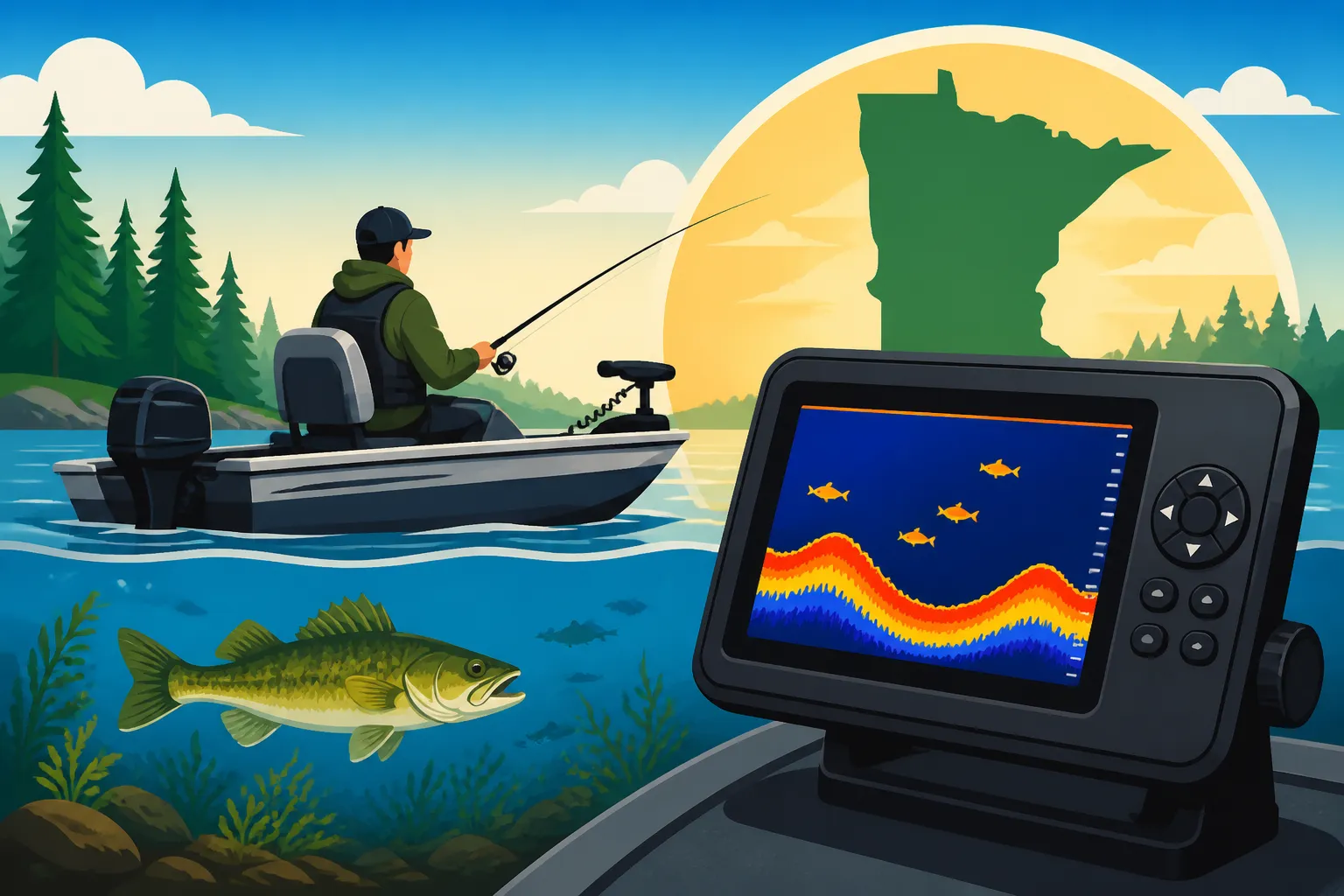
Best Fish Finder for a Small Boat
Trying to find the perfect fish finder for your small boat can feel like a real challenge. Most of the reviews and marketing out there seem geared towards massive bass boats with all the bells and whistles, leaving those of us with kayaks, canoes, jon boats, or smaller aluminum rigs wondering if we’ll ever find something that actually fits our needs and budget. You want to see what's under the water without breaking the bank or turning your compact vessel into a tangled mess of wires and oversized screens. This comprehensive guide is here to cut through the noise, helping you understand exactly what to look for and how to equip your modest watercraft with a highly effective fish finder.
Why Small Boats Demand Unique Fish Finder Solutions
When you're out on a smaller craft, whether it's a nimble kayak paddling the backwaters of the Mississippi River, a trusty jon boat navigating the shallow bays of a lake like Gull Lake, or even a classic aluminum V-hull exploring local hotspots, you quickly realize that the gear needs to be different. A bulky unit designed for a 20-foot fiberglass bass boat just isn't going to cut it. It’s not just about size; it’s about power, portability, and practicality. The challenges are real, and recognizing them is the first step to finding the right solution.
Space Constraints and Mounting Challenges
Let's be honest, real estate on a small boat is precious. Every inch matters, and you don't have sprawling consoles or multiple mounting points like larger vessels. A huge 12-inch screen might be impressive, but it'll quickly dominate your limited space, obstruct your view, or even get in the way of your casting. You need something compact that can be mounted securely without requiring extensive modifications or drilling a dozen holes into your hull. Think about a crowded canoe on a weekend trip to the Boundary Waters, or a solo kayak angler trying to keep their cockpit clear for paddling and casting.
Furthermore, transducer placement is often a puzzle. Larger boats have dedicated transducer wells or transom space, but on a smaller craft, you might be dealing with temporary mounting solutions, suction cups, or even "shoot-through-hull" options if you're handy with epoxy. The simpler, the better, especially when you're trying to set up quickly at a public boat launch and get on the water. Many smaller aluminum boats don't even have a false floor, meaning wires need to be routed carefully to avoid becoming trip hazards or getting snagged by tackle.
Power Management and Portability Needs
Unlike big boats with robust electrical systems and multiple batteries, your small boat likely runs on a single, often smaller, battery. Kayaks and canoes might rely on portable power packs or even AA batteries. This means power consumption becomes a critical factor. You can't afford a unit that will drain your battery in a few hours, leaving you blind for the rest of your fishing trip. Efficiency is key, especially if you plan on long days exploring different fishing spots or spending a weekend camping and fishing.
Portability is another huge consideration. Many small boat owners don't have permanent setups. They might transport their boat on a car roof, a small trailer, or even inflate it on site. The ability to quickly detach your fish finder, transducer, and battery and pack them away safely is invaluable. This is particularly true for those who might also enjoy Shore & Bank Fishing in Minnesota No Boat and want to use their fish finder as a portable unit from shore or a dock. The easier it is to set up and take down, the more you'll actually use it.
Essential Features for Small Boat Fish Finders
When you're trying to figure out which fish finder is best, it's easy to get overwhelmed by all the technical jargon and endless features. But for a small boat, you really want to focus on a core set of functionalities that will give you the most bang for your buck without adding unnecessary complexity or bulk. We're talking about effective sonar, useful navigation, and a user-friendly interface.
Sonar Technology and Transducer Options
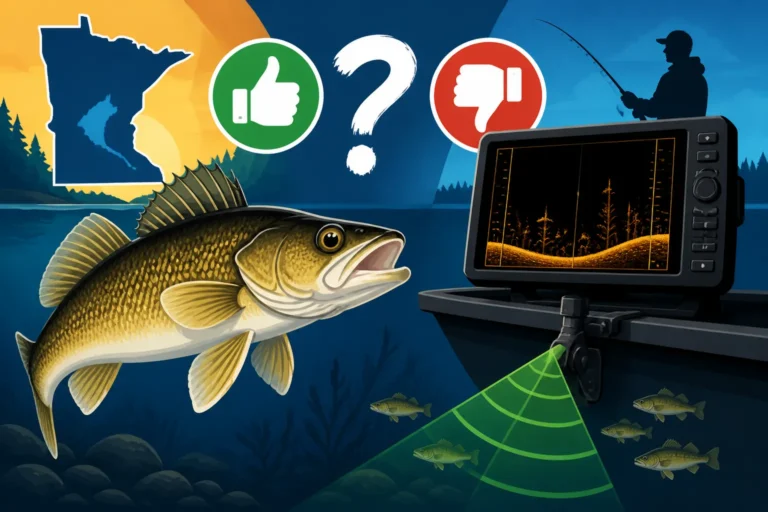
The heart of any fish finder is its sonar. For small boats, traditional 2D sonar is a must-have, giving you a reliable view of fish arches and bottom contours. But modern advancements offer so much more. Down Imaging (often called DownScan, ClearVü, or DownVu by different brands like Humminbird, Lowrance, and Garmin) provides a picture-like view directly beneath your boat, making it much easier to distinguish fish from structure. This can be incredibly helpful when you're targeting crappies suspended in submerged timber or walleye hugging the bottom on a rocky hump.
Side Imaging (SideScan, SideVü) is also becoming more accessible even in smaller units. While it might be a bit much for some kayaks due to transducer size and mounting, if you have a jon boat or small V-hull, it can be a game-changer for covering water quickly and locating schools of fish off to the sides. Imagine patrolling the weed edges on Lake Minnetonka, and being able to scan 50 feet to either side for bass or pike. For portable setups, look for compact, multi-frequency transducers that combine 2D and Down Imaging into a single, easy-to-mount unit. Some come with suction cup mounts for quick deployment, while others are designed for clamp-on transom installation, perfect for small aluminum boats.
Display Size, Readability, and User Interface
A larger screen is always nice, but on a small boat, it's a trade-off. Aim for a display that's big enough to clearly see the sonar returns and maps without monopolizing your space. Typically, screens in the 5-inch to 7-inch range hit that sweet spot for most small boats. Anything smaller might make it hard to differentiate targets, especially if you're trying to split the screen with multiple views like sonar and GPS. Anything larger might be cumbersome.
Beyond size, consider the resolution and color display. Higher resolution means crisper images and better detail. A vibrant color display makes it much easier to interpret sonar readings, identify different types of structure, and spot fish arcs. You also want a unit with an intuitive user interface. You don't want to be fumbling through complex menus when you're trying to steer, cast, and manage a fish at the same time. Simple, dedicated buttons and easy-to-navigate menus are paramount. Many brands, like Garmin and Lowrance, offer very user-friendly interfaces that are quick to learn.
GPS, Mapping, and Basic Navigation
Having GPS built into your fish finder is no longer a luxury; it’s practically a necessity, even on a small boat. It allows you to mark waypoints for productive fishing spots – maybe that specific weed line where you found a school of bluegills, or a hidden rock pile that holds walleye. You can also track your path, making it easier to retrace your steps or navigate back to the launch in low light conditions. This is particularly useful when exploring new waters or if you find yourself needing to get back to Public Boat Launches & Access in Minnesota efficiently.
Many fish finders come with basic built-in maps, often showing major bodies of water and shorelines. However, for serious Minnesota anglers, looking for units that support detailed lake mapping is highly recommended. Brands like Humminbird with their LakeMaster maps or Navionics with their extensive chart coverage offer incredible detail, showing depth contours, submerged structure, navigation aids, and even weed lines. This kind of mapping can dramatically improve your fishing success, helping you find those hidden gems that fish love to congregate around. Even on a small boat, knowing the underwater topography is crucial, especially when trying to target specific species like lake trout in deeper northern Minnesota lakes.
Top Fish Finder Options for Small Boats
Now that we know what to look for, let's talk about some of the popular types and considerations for specific small boat scenarios. The market has evolved, and there are excellent choices for every type of small vessel and budget. Whether you're a casual weekend angler or a dedicated tournament kayak fisherman, there's a unit out there for you.
Portable Fish Finders
Portable fish finders are a fantastic option for small boats, especially kayaks, canoes, and rental boats, because they offer maximum flexibility. These units typically come with a self-contained battery and a transducer that can be temporarily mounted, often with a suction cup or clamp. The entire system packs into a small bag or case, making it easy to carry to and from the water. This is perfect if you own multiple small boats or frequently fish different bodies of water and don't want a permanent installation.
One popular choice is the Deeper Smart Sonar series, which are castable units that sync with your smartphone. While not a traditional "fish finder" with its own screen, it offers incredible portability and can be cast out to scan areas you can't reach with your boat. For units with dedicated screens, look at models like the Garmin Striker 4 Portable Bundle or the Humminbird PiranhaMax series with portable kits. These often include a small display, battery, and a specialized transducer mount. You can find many of these versatile units at outdoor retailers like Bass Pro Shops or even online through Amazon, offering competitive pricing and quick delivery. They might not have the largest screens or the most advanced sonar features, but their convenience and ease of use are unbeatable for quick trips or on-the-go angling.
Console-Mounted Units for Small Aluminum Boats
If you have a slightly larger small boat, like a 14-16 foot aluminum V-hull or jon boat with a small console, a fixed console-mounted unit might be a better fit. These typically offer more robust features, better screen resolution, and can be wired directly into your boat's electrical system for consistent power. They provide a more permanent and integrated feel than a portable unit.
Consider models like the Humminbird HELIX 5 or HELIX 7 series, or the Lowrance HOOK Reveal 5 or 7. These units offer excellent 2D sonar, Down Imaging (and often Side Imaging in the larger models), and come with GPS and mapping capabilities. The transducers can be permanently mounted to the transom, providing optimal performance. While they require a bit more installation effort, the enhanced performance and convenience of a dedicated screen and reliable power supply are well worth it for frequent anglers. They offer much more screen real estate and processing power than most portable units, making it easier to identify individual fish and detailed structure. These are also excellent choices if you're looking for Best Fish Finder Under $500 and want a good balance of features and affordability.
Specialized Kayak Fish Finders
Kayak fishing has exploded in popularity in Minnesota, from calm lakes to winding rivers, and fish finder manufacturers have responded with specialized gear. These units are designed with minimal footprint, efficient power consumption, and creative mounting solutions in mind. Many kayak anglers prefer smaller, waterproof units that can be easily positioned on a rail mount or RAM mount right in front of them.
Brands like Lowrance and Garmin offer compact models specifically designed for kayaks. The Lowrance HOOK2 4x/5x series or Garmin Striker 4 are incredibly popular due to their compact size, bright displays, and ease of use. Many kayak transducers are designed for in-hull mounting (shooting through the kayak's hull) or specialized kayak transom mounts that fit into transducer-ready scupper holes found on popular fishing kayaks like those from Hobie or Old Town. Some kayak models even come with integrated transducer plate areas to make installation a breeze. When considering Best Fishing Kayaks for Minnesota Lakes, also think about how a fish finder integrates. Battery life is paramount for kayak fishing, so units that sip power are preferred, or invest in a reliable portable lithium battery pack to keep you going all day.
Installation and Setup Tips for Your Small Boat
Getting your fish finder installed and running efficiently on a small boat requires a bit of thoughtful planning. It's not just about screwing a bracket in; it's about optimizing performance, managing wires, and ensuring you have reliable power. These tips will help you get the most out of your new electronics, whether you're chasing walleye on Leech Lake or panfish in a local pond.
Transducer Placement and Wiring Management
The transducer is your fish finder's "eyes" into the water, so its placement is critical. For most small boats, a transom mount is the most common and effective option. You want the transducer to be completely submerged in clean, undisturbed water, away from prop wash or any hull obstructions. Experiment with the height until you get a consistent, clear reading at all speeds. Many small aluminum boats will benefit from a transducer mounting plate attached to the transom, which allows you to adjust or replace transducers without drilling new holes in your hull.
When it comes to wiring, less is more. Route your cables carefully to avoid kinks, sharp bends, or potential snagging points. Use zip ties or cable clamps to secure wires neatly along the gunnels or under seats. If your boat is open, consider using wire loom or conduit to protect cables from UV damage and physical abrasion. For portable setups, make sure the wires are long enough to reach your battery and display comfortably, but not so long that they become a tangled mess when stored. Remember, a clean installation means less frustration on the water and better performance from your unit.
Powering Your Fish Finder Effectively
As discussed, power management is crucial for small boats. If you have a dedicated marine battery, ensure it's fully charged before each trip. For kayaks and canoes, a small 12V lithium-ion battery pack is often the best choice for its light weight and long life. Brands like Dakota Lithium offer compact, powerful batteries that are perfect for fish finders. Always carry a backup power source if you plan extended trips, especially in remote areas like the BWCA.
When connecting your fish finder, make sure you use proper marine-grade connectors and fuses. Avoid simply twisting wires together and wrapping them in electrical tape; corrosion will quickly become an issue in a damp boat environment. A simple inline fuse holder near the battery protects your fish finder from power surges. If you're using a portable unit, consider a small, waterproof battery box to protect your battery and connections from splashing and accidental submersion. Thinking about power from the start will save you headaches later on.
Maximizing Your Fish Finder's Potential
Once your fish finder is installed, take the time to learn its settings. Don't just turn it on and go. Adjust the sensitivity, depth range, and sonar type based on the water conditions and what you're targeting. Clear, shallow water requires different settings than deep, stained water. Many modern units have an "Auto" mode which is a great starting point, but manual adjustments can often unlock more detail and help you distinguish fish from clutter more effectively.
Practice interpreting your screen. Learn to identify fish arches, bait balls, bottom hardness, and different types of structure like brush piles or rock formations. If your unit has GPS, mark every interesting point you find – a sudden depth drop, a submerged log, a school of baitfish. These waypoints build a library of productive spots over time. Consider How to Catch Fish With a Fish Finder can truly elevate your game. Even on a small boat, combining your knowledge of seasonal patterns and fish behavior with the real-time data from your fish finder can dramatically improve your success rate.
Conclusion
Choosing the best fish finder for a small boat doesn't have to be a daunting task. By focusing on your specific needs regarding space, power, and portability, and by understanding the key features that truly matter, you can find a unit that perfectly complements your vessel and enhances your fishing experience. Whether you opt for a highly portable unit, a compact console-mounted system, or a specialized kayak model, the right fish finder will unlock a whole new dimension of underwater insight. It'll help you locate those hidden schools of fish, identify promising structure, and ultimately, put more fish in your boat. So get out there, explore those Minnesota waters, and let your new fish finder guide you to your next big catch!
Disclaimer
The information provided in this guide is for general informational purposes only and does not constitute professional advice. Fishing regulations, product specifications, and pricing can change frequently. Always consult the most current Minnesota DNR fishing regulations and manufacturer guidelines before making any purchasing or fishing decisions.