How to Decontaminate Your Boat (AIS)
It's incredibly frustrating to spend a beautiful day out on one of Minnesota's gorgeous lakes, only to then worry about accidentally spreading something harmful to another waterway. The threat of aquatic invasive species (AIS) is a very real concern for every angler and boater, and frankly, the rules can sometimes feel overwhelming. This guide is here to walk you through exactly how to decontaminate your boat and gear, ensuring you comply with Minnesota's crucial AIS laws and do your part to protect our precious waters for generations to come.
The Looming Threat: Why AIS Decontamination is Critical
Imagine pulling up to your favorite boat launch on Lake Minnetonka or Leech Lake, excited for a day of fishing, only to find the shoreline choked with dense, slimy weeds, or your boat lift covered in sharp, unwelcome shells. This isn't a dystopian novel; it's the very real consequence of aquatic invasive species, or AIS, taking hold. These unwelcome guests disrupt ecosystems, spoil recreational experiences, and cost our state millions of dollars annually. That's why decontamination isn't just a suggestion here in Minnesota; it's a vital part of being a responsible steward of our natural resources.
Ecological and Economic Impact of AIS
When invasive species like zebra mussels or Eurasian watermilfoil establish themselves in a new lake, they don't just "fit in" – they take over. They outcompete native plants and animals for resources, alter the food web, and can completely change the physical characteristics of a lake. Zebra mussels, for instance, filter vast amounts of water, removing plankton that native fish rely on for food, leading to declines in beloved species like walleye and panfish. They also attach to anything solid, including native mussels, boat hulls, docks, and even the intake pipes of municipal water systems. This isn't just an ecological disaster; it's an economic hit, costing property owners and taxpayers significant money for mitigation, repairs, and lost tourism revenue. The Department of Natural Resources (DNR) spends considerable resources trying to manage these invaders, resources that ultimately come from our fishing license fees and taxes.
Common AIS Threats in Minnesota Waters
Minnesota is unfortunately home to a growing list of AIS, each posing its unique challenges. Two of the most notorious are zebra mussels and Eurasian watermilfoil. Zebra mussels are small, D-shaped shellfish that colonize hard surfaces. They were first confirmed in Lake Superior in 1989 and have since spread to over 300 Minnesota lakes and rivers. Their microscopic larvae, called veligers, are invisible to the naked eye and can survive in boat bilge water, livewells, and bait buckets for days, making them incredibly easy to spread inadvertently.
Eurasian watermilfoil, on the other hand, is a feathery aquatic plant that creates dense mats on the water's surface, shading out native vegetation and making boating, swimming, and fishing a tangled nightmare. It spreads incredibly easily from small fragments of plant material, which can hitch a ride on boat props, trailers, anchors, and fishing gear. You might pull your boat out of a lake and not even notice a tiny piece clinging to your transducer, only to accidentally introduce it to your next destination. Other threats include starry stonewort, a large alga that forms dense mats, spiny waterflea, a tiny zooplankton that fouls fishing lines, and various carp species that churn up lake bottoms. The list goes on, and new invaders are always a concern.
Understanding Minnesota's AIS Laws
Navigating fishing and boating regulations can sometimes feel like trying to untangle a particularly stubborn fishing line. But when it comes to Aquatic Invasive Species, Minnesota's laws are crystal clear, and for good reason. They are designed to create a mandatory buffer between contaminated waters and clean ones, relying heavily on every boater's vigilance. Understanding these rules isn't just about avoiding a ticket; it's about actively participating in the preservation of our pristine fishing destinations. The stakes are high, and the enforcement is real. If you're looking for an overview of all the rules, it’s always a good idea to check out the official Aquatic Invasive Species (AIS) Rules for Boaters for the most current information.
"Clean, Drain, Dispose" Mandate Explained
Minnesota's core AIS prevention strategy boils down to three simple, yet critical, actions: Clean, Drain, Dispose. This isn't just a catchy phrase; it's a legal requirement every time you leave any body of water in Minnesota, whether it's a small pond, a river, or a major fishing lake.
- Clean: Before leaving the access, you are legally required to remove all aquatic plants, prohibited invasive species, and other debris from your boat, trailer, and all fishing and recreational equipment. This means checking your boat hull, prop, motor, anchor, fishing lines, and even your fishing vest for hitchhikers. That little clump of weeds stuck to your anchor line might seem harmless, but it could contain seeds or fragments of Eurasian watermilfoil, ready to infest a new lake.
- Drain: This is where many people get tripped up. You must drain all water from your boat, including the bilge, livewell, baitwell, and any other water-holding compartments. The drain plug must be removed and remain out while transporting your boat on public roads. This is a critical step because many AIS, particularly the microscopic veligers of zebra mussels or spiny waterflea, are invisible to the naked eye but can survive in residual water. The Minnesota AIS Drain Plug Law Explained delves into the specifics, but the gist is: if it holds water, it needs to be drained before you leave the ramp.
- Dispose: This refers primarily to bait. You cannot transport unused bait from one body of water to another. Any unused bait, especially minnows or leeches, must be disposed of in the trash or a designated bait disposal site before you leave the access. This prevents the transfer of bait species that could become invasive or carry diseases. It's best practice to buy new bait near your destination or to dispose of it properly and start fresh.
These three steps are not optional. They are mandatory every single time you load your boat onto the trailer and head down the highway.
Penalties for Non-Compliance
Let's be real: nobody wants a ticket, especially when you're just trying to enjoy a day of fishing. But the penalties for violating Minnesota's AIS laws are significant and designed to deter complacency. You're not just risking a slap on the wrist. Enforcement officers, often DNR conservation officers, are highly visible at boat launches, especially on popular fishing lakes.
Failing to remove aquatic plants or drain water can result in a fine of several hundred dollars for a first offense. Transporting prohibited invasive species, like zebra mussels or starry stonewort, can lead to even steeper fines and potentially criminal charges, especially if it's determined you knowingly violated the law. Imagine the cost of a large fine, plus the public shame of being cited for spreading an invasive species. It's a heavy price to pay, both financially and to your reputation as a responsible angler. Beyond direct fines, chronic non-compliance contributes to the spread of AIS, which ultimately diminishes the quality of fishing for everyone, including yourself. Taking a few extra minutes at the boat ramp is always worth it.
Step-by-Step Boat Decontamination
Okay, you understand why it's important and what the rules are. Now, let's get down to the practical "how-to." Decontaminating your boat isn't a huge chore, but it does require a methodical approach. Think of it as a small investment of time to protect the waters you love to fish. This process applies to any watercraft, from a small fishing boat to a large pontoon, and even kayaks, paddleboards, and canoes need the same attention.
Visual Inspection and Manual Removal
As soon as your boat is out of the water and on the trailer, the first thing to do is a thorough visual inspection. This needs to happen right there at the access, before you pull away.
- Walk Around Your Boat and Trailer: Scrutinize every inch. Look at the hull, the motor (especially the prop and skeg), the bunks, the rollers, and the trailer frame itself.
- Check the Prop and Lower Unit: Weeds love to wrap around propellers. Carefully remove any plants, mud, or debris you find. Don't just yank; try to get the entire plant, roots and all, if possible.
- Inspect the Anchor and Ropes: Your anchor can drag up a surprising amount of plant material or even small mussels. Your ropes and lines can also pick up fragments.
- Examine Fishing Gear: Don't forget your fishing rods, nets, downriggers, and anything else that's been in the water. Waders and boots should also be checked.
- Remove All Organisms: If you find any visible aquatic plants or animals, remove them by hand. Place them in a designated AIS disposal bin at the boat launch, if available, or bag them and put them in the trash. Never toss them back into the lake or on the ground near the water, as they could still spread. This might seem tedious, especially after a long day, but it’s the most direct way to stop visible hitchhikers.
Draining All Water
This step is absolutely non-negotiable and where the Minnesota DNR focuses a lot of its enforcement efforts. Every drop of water from your boat must be drained before you leave the boat launch area.
- Remove the Drain Plug: This is the big one. As soon as your boat is out of the water, pull that drain plug. Leave it out until you're ready to launch again. The law states the plug must be removed and not reinserted until the watercraft is launched into another body of water.
- Open Livewells and Baitwells: These compartments are notorious for holding water and, more importantly, veligers or other microscopic AIS. Make sure they are completely empty. Some livewells have multiple drains; ensure all are open.
- Tip Your Motor: Tilt your outboard or stern drive motor down to allow all water to drain out of the cooling system. Many anglers forget this, but water can be trapped inside.
- Pump Out Bilge Water: If your boat has an automatic bilge pump, let it run until dry. If not, manually operate it or use a sponge to soak up any remaining standing water.
- Drain Any Other Water-Holding Devices: This includes coolers (if they've held lake water), bait buckets, and even buoyancy compartments in kayaks. Every container that came into contact with lake water needs to be emptied. Remember the article on Minnesota AIS Drain Plug Law Explained for more details on the legal specifics here.
Disposing of Bait and Decontaminating Equipment
Once the boat is physically clean and drained, your attention shifts to the smaller details that often get overlooked.
- Proper Bait Disposal: As mentioned earlier, unused bait cannot be transported to another water body. If you have leftover minnows, leeches, or crawlers that were in lake water, they need to go in the trash. Some accesses have specific bait disposal containers. If you use artificial lures, ensure they are free of weeds.
- Cleaning Fishing Gear: Beyond the initial visual inspection, a more thorough cleaning of your fishing gear is essential.
- Nets: Wash them thoroughly with hot water, especially if they've been used to net fish that were in weedy areas. A bleach solution (1/2 cup bleach per 5 gallons of water) can also be used, followed by a good rinse and thorough drying.
- Livewells, Bilges, and Baitwells: After draining, consider flushing these with hot water if possible. Many AIS are sensitive to heat.
- Anchor Ropes and Chains: Spread them out to dry thoroughly in the sun.
- Waders and Boots: Brush off any mud and let them dry completely, ideally in the sun.
- Drying Time: This is one of the most effective, yet often underestimated, decontamination methods. Many AIS, especially zebra mussel veligers and spiny waterflea, cannot survive desiccation (drying out). If possible, allow your boat and all equipment to dry completely for at least five days before launching into another body of water. Sun and warm temperatures accelerate this process. This drying period is crucial and often the final safeguard against the invisible threats.
Special Considerations for Different AIS
While the "Clean, Drain, Dispose" method is your universal first line of defense, certain invasive species require extra attention due to their unique biology or resilience. Knowing what you're dealing with can help you tailor your decontamination efforts.
Dealing with Zebra Mussels and Veligers
Zebra mussels are notorious because their microscopic larvae, veligers, are virtually impossible to see. This makes thorough draining and drying absolutely paramount.
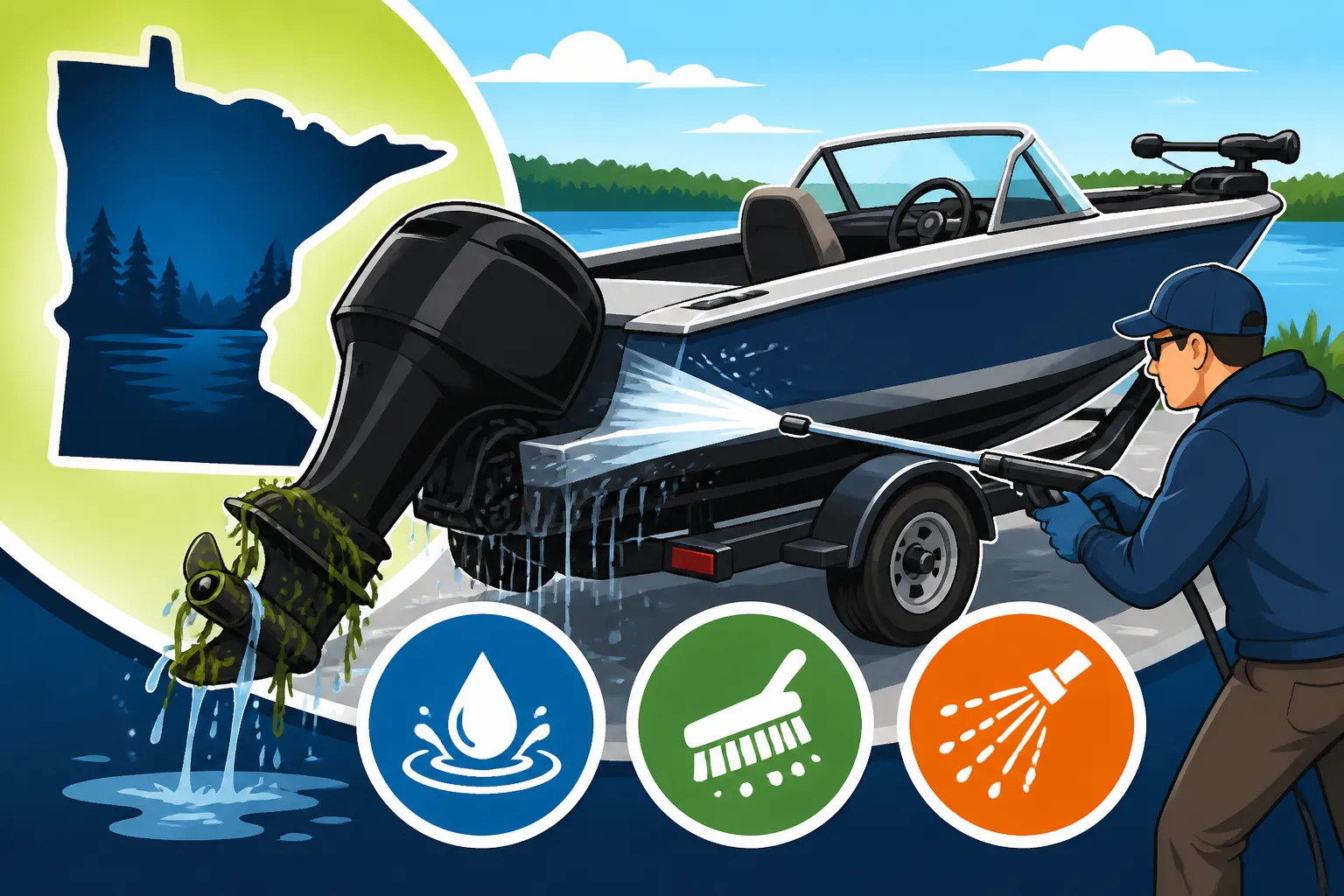
- Hot Water Wash: If you've been in a zebra mussel-infested lake, a hot water wash is your best friend. The DNR recommends washing your boat and trailer with high-pressure hot water (140°F or 60°C for at least 10 seconds for all surfaces; 120°F or 49°C for at least 2 minutes for all surfaces). This can be done at commercial car washes (if they allow boats) or at designated DNR decontamination stations. The heat effectively kills veligers and adult mussels.
- Focus on Recesses: Pay extra attention to hard-to-reach areas where water might pool or mussels might attach: inside the bilge, livewells, motor intake ports, and even the crevices of your trailer.
- Inspect for Adults: Even after a hot wash, manually inspect for adult zebra mussels. They can sometimes cling stubbornly. If you find any, scrape them off, bag them, and dispose of them in the trash. Never return them to any water body.
Managing Aquatic Plants: Eurasian Watermilfoil and Starry Stonewort
Aquatic plants like Eurasian watermilfoil and starry stonewort spread primarily through fragmentation. Even a tiny piece can sprout into a new infestation.
- Vigilant Visual Inspection: Your most critical step here is an incredibly thorough visual inspection. These plants are often green or brownish and can be easily overlooked if you're not paying attention. Check your prop, lower unit, anchor, trailer bunks, and even the anchor rope for small fragments.
- Manual Removal at the Ramp: Remove all visible plant material. Don't be shy about getting down and dirty to pull off every last strand. Use gloves if needed.
- Power Washing: A power washer can be highly effective at dislodging plant fragments that are tightly adhered to your boat or trailer. Ensure you're doing this in an area where the runoff won't flow back into a storm drain or another body of water.
- Drying is Key: Allowing your boat and trailer to dry completely for several days will desiccate any remaining plant fragments, rendering them unviable. This is a simple but highly effective measure against plant invaders.
Preventing New Invaders: Faucet Snails, Spiny Waterflea, and More
Minnesota is constantly on guard against new invasive species. For example, faucet snails are tiny snails that can be transported in mud or vegetation, while spiny waterflea are almost invisible crustaceans that can foul fishing lines and compete with native fish for food.
- Mud and Sediment: Always remove any mud or sediment from your boat, trailer, and gear. These can harbor tiny snails, seeds, or other microscopic organisms.
- Fishing Line and Downriggers: Spiny waterflea, despite their size, can collect in gelatinous globs on fishing lines, especially monofilament. Take the time to wipe down your lines and check your downrigger cables thoroughly after fishing in known infested waters.
- Comprehensive Drying: Again, drying is a universal solution. The longer your boat and equipment can dry in the sun, the higher the chance any unnoticed invaders will perish. This includes anything that touches the water – fishing tackle, coolers, PFDs, and even your dog's paws if they were swimming!
Decontamination Stations and Resources
Sometimes, a quick "Clean, Drain, Dispose" isn't enough, or you just want that extra peace of mind. Thankfully, Minnesota has invested in resources to help boaters perform more thorough decontamination, especially when dealing with high-risk waters or species. These stations provide advanced cleaning options and expert advice.
DNR Decontamination Stations
The Minnesota DNR operates numerous decontamination stations at popular boat launches and along major travel corridors, particularly in areas with known AIS infestations or high boat traffic. These stations typically offer high-pressure hot water washes, which are incredibly effective at killing zebra mussel veligers and removing stubborn plant fragments.
- How They Work: You simply pull your boat up to the station, and trained staff or automated systems guide you through the wash process. The hot water (often 120-140°F) is crucial for killing microscopic organisms that simple draining might miss.
- When to Use Them:
- Whenever you've been in a lake with a known infestation of zebra mussels or starry stonewort.
- If you're unsure whether your boat is truly clean.
- If you're transporting your boat a long distance and want to ensure maximum prevention.
- They are especially valuable if you're unable to allow for sufficient drying time between trips.
- Finding Them: The DNR website provides an interactive map and a list of current decontamination stations, including their operating hours. It's always a good idea to check their availability before you plan your trip, particularly during peak fishing seasons like the When Is the Minnesota Walleye Opener 2026?.
Certified Lake Service Providers
Beyond the DNR stations, Minnesota has a network of Certified Lake Service Providers (LSPs). These are private businesses, such as marinas, boat repair shops, or mobile decontamination services, whose employees have undergone special training and certification from the DNR. They are equipped to conduct authorized AIS prevention practices, including boat inspection, removal of AIS, and decontamination.
- What They Offer: LSPs can provide thorough cleaning services, often including hot water washes and detailed inspections, ensuring your boat meets all AIS compliance standards. They can also provide advice on proper boat transport.
- When to Use Them:
- If you store your boat at a marina or have it serviced professionally.
- If you need a mobile service to come to your location.
- For larger boats or complex equipment that is difficult to clean thoroughly yourself.
- If you're a commercial operator or resort owner, LSPs are often essential for maintaining compliance.
- Finding Them: The DNR maintains a list of certified LSPs on its website. Choosing a certified provider ensures they adhere to the latest best practices and regulations. These services can be a lifesaver for busy anglers or those with limited access to personal cleaning facilities.
| AIS Threat | Key Decontamination Actions | Special Considerations |
|---|---|---|
| Zebra Mussels (Adults) | Manual removal, high-pressure hot water wash (140°F+) | Check all hard surfaces, crevices, motor, anchor. |
| Zebra Mussel (Veligers) | Thorough draining of all water, hot water wash, 5+ days dry time | Invisible! Focus on bilge, livewell, cooling systems. |
| Eurasian Watermilfoil | Manual removal of all fragments, power wash, 5+ days dry time | Check prop, trailer, anchor, fishing gear; even tiny fragments spread. |
| Starry Stonewort | Manual removal, power wash, 5+ days dry time | Similar to milfoil, but larger "star-shaped" bulbil might be visible. |
| Spiny Waterflea | Wipe down fishing lines/cables, thorough drying | Collects on lines; focus on anything submerged. |
| Faucet Snails | Remove all mud/sediment, thorough drying | Tiny, easily overlooked in mud; check waders, boots. |
| All AIS | CLEAN, DRAIN, DISPOSE every time! | Dry time is a universal killer. |
Maintaining Vigilance Beyond the Ramp
Decontamination isn't just a one-off task at the boat ramp; it's a mindset that extends throughout your entire fishing experience. Our waters are a shared resource, and preventing the spread of AIS is a collective responsibility. It's about being informed, staying alert, and knowing that your actions have a direct impact on the health of Minnesota's aquatic ecosystems. From the moment you decide where to go, like checking the Mille Lacs Walleye Regulations (2026), to how you maintain your gear, vigilance is key.
Education and Community Involvement
Staying informed is your first and best defense. AIS regulations can change, and new threats sometimes emerge. The DNR continually updates its resources, and local lake associations are often on the front lines, providing specific information about the waters in your area.
- Read Up: Regularly check the Minnesota DNR website for the latest AIS information, updates on infested waters, and changes to regulations. The Minnesota Fishing Regulations Changes for 2026 is a great resource.
- Attend Workshops: Many lake associations and outdoor groups host educational sessions on AIS prevention. These are fantastic opportunities to learn from experts and connect with other concerned anglers.
- Talk to Fellow Boaters: Share what you know! A friendly reminder to a fellow angler about pulling their drain plug or checking their prop can go a long way. Peer-to-peer education is powerful.
- Volunteer: Consider volunteering with a local lake association or a DNR program focused on AIS monitoring or prevention. Hands-on involvement deepens your understanding and contributes directly to solutions.
Reporting Suspected AIS
You are an extra set of eyes on the water! If you spot something unusual in a lake—a new, dense mat of vegetation that looks different from typical lily pads, or unusual shells attached to rocks or docks where you haven't seen them before—don't hesitate to report it.
- What to Look For: Be familiar with common AIS in Minnesota, but also keep an eye out for anything that just seems "off." Unusual plant growth, clusters of unknown organisms, or fish with strange lesions could all be signs of a problem.
- How to Report: The Minnesota DNR has a dedicated reporting system for suspected AIS. Typically, this involves taking photos, noting the precise location (GPS coordinates if possible), and contacting your local DNR office or using their online reporting tool. Don't try to remove or collect specimens unless instructed by the DNR, as you could inadvertently spread the species further.
- Act Promptly: Early detection is crucial for managing AIS infestations. The sooner an invasion is identified, the better the chance of containing or mitigating its spread. Your quick action could save a lake!
By taking these steps, from diligent decontamination to staying educated and reporting concerns, every angler and boater plays a critical role in safeguarding Minnesota's incredible fishing heritage. It's a small effort for a monumental reward: ensuring our lakes and rivers remain healthy, vibrant, and full of fish for years to come.
Disclaimer
Please remember that fishing regulations, including those related to Aquatic Invasive Species (AIS), can change frequently. While we strive to provide the most accurate and up-to-date information, it is always your responsibility as an angler or boater to consult the official Minnesota Department of Natural Resources (DNR) regulations and guidelines before heading out on the water. This guide is for informational purposes only and should not be considered a substitute for official DNR publications.