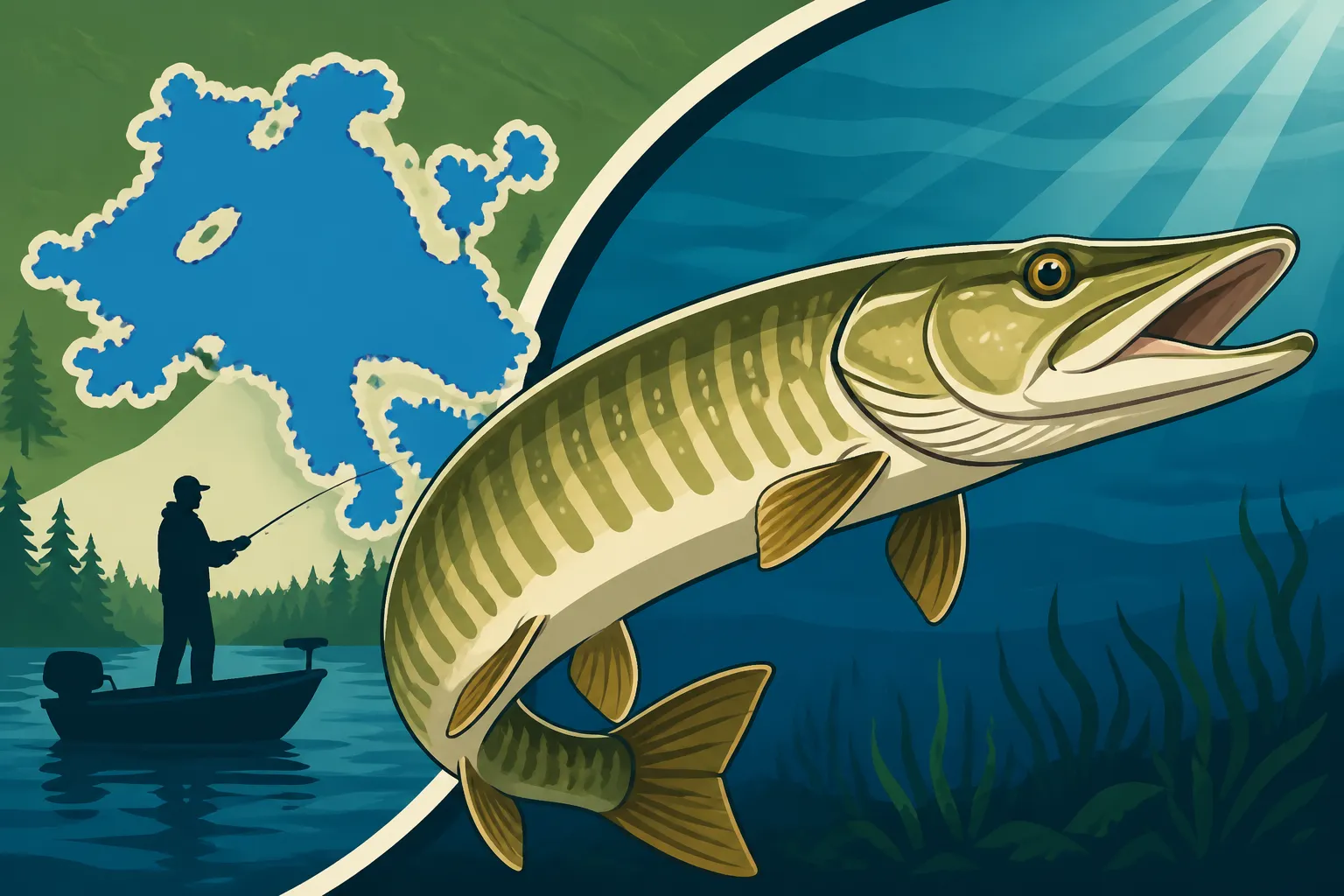
Leech Lake Muskie Strain Explained
The thrill of chasing a true trophy muskie is an experience unlike any other, and for many anglers, the legendary Leech Lake strain represents the pinnacle of that challenge. But what exactly makes these fish so special, and why does their name carry such weight in the Minnesota fishing community? This guide dives deep into the unique characteristics, behaviors, and history behind the Leech Lake muskie, helping you understand why these elusive giants are so revered.
Understanding the Unique Leech Lake Muskie Strain
When you hear "Leech Lake muskie," it conjures images of massive, aggressive fish. But it’s not just a catchy marketing phrase; it refers to a distinct genetic lineage that has evolved to thrive in this particular large, fertile lake. Anglers often wonder if it's just a local legend, but the Minnesota Department of Natural Resources (DNR) has long recognized and managed this specific strain, owing to its historical significance and unique traits that set it apart from other muskie populations found across the state. The truth is, these fish aren't just big; they're built differently, both genetically and physically, to dominate their home waters.
Genetic Lineage and Origins
The Leech Lake muskie strain is considered a "pure" strain of northern muskellunge, meaning it hasn't been significantly hybridized with other strains or northern pike over time. Historically, Leech Lake was one of Minnesota's native muskie waters, along with only a handful of other major lakes. This isolation and consistent environment allowed for the development of a genetically distinct population. The DNR has worked diligently for decades to preserve this genetic integrity, often using brood stock directly from Leech Lake for stocking efforts in other select waters across Minnesota. This intentional management is critical for maintaining the specific traits that make these fish so desirable to anglers and so resilient in their native habitat.
One of the fascinating aspects of its origin is how natural selection in a vast, diverse ecosystem like Leech Lake shaped these fish. The lake offers a variety of forage bases, from tulibee and cisco to suckers and abundant panfish, requiring muskies to be adaptable and efficient predators. Their genetic predisposition for size and strength likely stems from generations of competing in a rich, yet challenging, environment. This distinct lineage contributes not only to their impressive size potential but also to their renowned fighting spirit, making them a true apex predator in their aquatic domain.
Growth Rates and Longevity
Leech Lake muskies are known for their impressive growth rates and remarkable longevity. While growth can vary depending on individual fish, forage availability, and environmental conditions, the genetic makeup of this strain generally allows them to reach trophy sizes quicker than some other muskie populations. It's not uncommon for these fish to exceed 50 inches, with some reaching well into the mid-50s and beyond, showcasing the lake's ability to support truly giant fish. This rapid growth isn't just about getting bigger; it means they also have a higher survival rate in their younger years, as they quickly outgrow many potential predators.
A Leech Lake muskie can live for a significant number of years, often into their late teens or even early twenties in ideal conditions. This longevity is a testament to the health of the lake's ecosystem and the robust nature of the strain itself. A long lifespan allows these fish to experience multiple spawning cycles, contributing to a self-sustaining population, and, of course, giving anglers more chances to encounter these mature, massive fish. The combination of faster growth and extended lifespans is a key factor in why Leech Lake consistently ranks as one of the best Muskie Fishing in Minnesota: The Fish of 10,000 Casts destinations.
Identifying the Leech Lake Muskie Strain
While all muskies share common traits, there are subtle yet noticeable differences that dedicated anglers and fisheries biologists use to identify the Leech Lake strain. It's not always easy, especially with smaller fish, but certain patterns and proportions tend to be more prevalent in this population. Understanding these characteristics can help you appreciate the specific fish you're targeting and even inform your fishing approach.
Distinctive Markings and Coloration
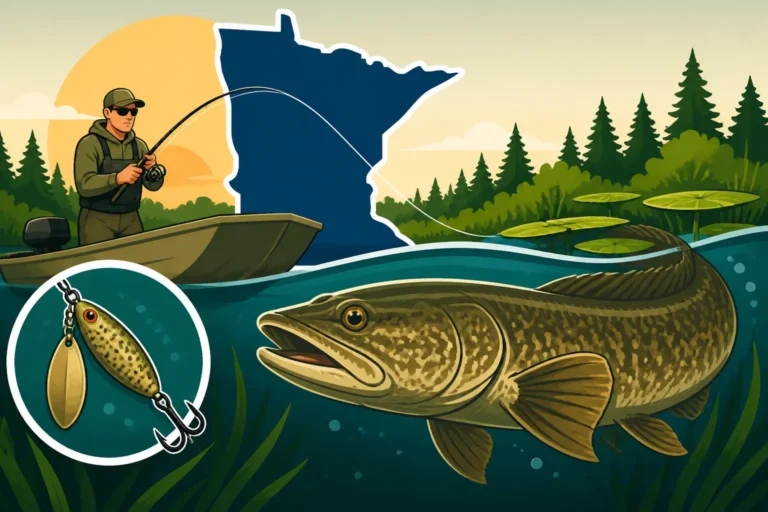
Leech Lake muskies typically exhibit a distinct pattern of dark spots or bars on a lighter, often olive-green to brownish-gold body. Unlike some other muskie strains that might have more pronounced tiger-like barring or irregular blotches, the Leech Lake fish often display a pattern that can be described as spots or broken bars, sometimes appearing as faint "tiger" stripes, but usually with more irregular spotting interspersed. The intensity of these markings can vary greatly based on the fish's age, sex, and even the specific water clarity of the area they inhabit within the lake. Younger fish might show more defined patterns, which can become more mottled or faded as they age and grow.
Their overall coloration tends to be quite vibrant and rich, blending seamlessly with the lake's diverse aquatic vegetation and dark bottom structures. The belly is usually white or cream-colored, transitioning smoothly into the darker flanks. One common characteristic observed by long-time Leech Lake guides is a slightly darker dorsal side and a tendency for their fins—particularly the caudal (tail) fin—to be tinged with reddish or orange hues, especially during the fall. These subtle aesthetic differences, while not always definitive on their own, contribute to the unique visual appeal of a Leech Lake muskie.
Size and Proportions
Beyond the markings, the sheer size and robust proportions are often the most defining characteristics of the Leech Lake muskie. These fish are known for being exceptionally thick-bodied, with a substantial girth that translates to immense power. A 50-inch Leech Lake muskie isn't just long; it's a truly formidable fish with broad shoulders and a powerful tail. This "chunkiness" is a hallmark of the strain, allowing them to exert incredible force during a fight. Their heads tend to be proportionate to their massive bodies, with powerful jaws and large, predatory eyes.
To illustrate, consider the average dimensions. While a muskie from another system might reach 50 inches and weigh 30 pounds, a Leech Lake muskie of the same length might easily push into the mid-30s or even 40-pound range due to its inherent girth. This table offers a general comparison, but remember, individual fish always vary:
| Characteristic | Typical Northern Muskie (General) | Leech Lake Muskie Strain (General) |
|---|---|---|
| Body Shape | Elongated, can be slender | Robust, thick-bodied, powerful |
| Coloration | Varies, can be barred, spotted | Olive-green/brownish-gold, distinct spots/broken bars, sometimes reddish fin tinge |
| Growth Rate | Good | Excellent, reaches trophy size faster |
| Longevity | ~15-18 years | ~18-20+ years, often longer |
| Average Weight (50") | 28-32 lbs | 35-40+ lbs |
| Fight Intensity | High | Extremely High, known for power |
This exceptional bulk is a direct result of the rich forage base and the genetic predisposition within Leech Lake itself. When you hook into one, you immediately feel the difference; it’s like fighting a submerged log that suddenly decides to spool your reel.
Habitat and Behavior of Leech Lake Muskies
Leech Lake is Minnesota's third-largest lake, boasting an incredible diversity of habitat that perfectly suits the muskie. From vast shallow weed flats to deep rock reefs, expansive mud bottoms, and intricate shoreline structures, the lake offers every type of environment a muskie could desire. Understanding where these giants live and how they behave is crucial for any angler hoping to connect with one.
Preferred Structure and Depths
Leech Lake muskies are masters of their environment, adapting their locations throughout the seasons. In the spring and early summer, after the Muskie Season & Limit in Minnesota opener, they often patrol the edges of vast weed flats, especially those with emerging cabbage and coontail. These areas provide ambush points and hold abundant prey like perch and ciscos. Shallow bays and shorelines with downed timber or emergent reeds are also prime spots where they seek warmer water and easily accessible forage. As summer progresses, and water temperatures rise, many of the largest muskies will shift to deeper structures.
This often means relating to large offshore rock reefs, submerged humps, or the deep edges of vast mud flats where schools of pelagic baitfish, like cisco (tullibee), reside. They won't always be on the absolute top of these structures; often, they'll hold on the sides or near the deeper transitions, using the contours for cover and to surprise unsuspecting prey. Places like Portage Bay, Walker Bay's deep holes, and the large "banana" bars are classic examples of areas where muskies relate to these deep structures, especially when the sun is high. Knowing these types of spots, you might find similar patterns on other Minnesota Muskie Lakes: Where to Find Them.
Feeding Habits and Aggression
The Leech Lake muskie strain is renowned for its aggressive feeding habits. These are not shy fish; they are top-tier predators that will violently strike at large baits. Their diet is varied, reflecting the lake's rich ecosystem, but they primarily target larger baitfish such. Tullibees are a major food source, especially for the biggest fish, which is why muskie often follow the movements of these schools. They also consume suckers, large perch, and even smaller walleye or northern pike. This diverse diet contributes to their phenomenal growth and robust physical condition.
Their aggression is legendary. Anglers often recount stories of muskies tracking baits all the way to the boat, executing a "figure-eight" maneuver with incredible intensity. This predatory instinct is what makes them such an exciting target. While they might follow a bait multiple times before striking, when they commit, it's usually with explosive force. This aggression, coupled with their sheer size, demands heavy-duty tackle and a strong mental game from the angler. It's not uncommon for them to strike baits that seem almost ridiculously large to a casual observer, demonstrating their confidence as the apex predator in the food chain.
Spawning and Reproduction
Muskies in Leech Lake typically spawn in late spring, usually from April into early June, shortly after ice-out when water temperatures rise into the low to mid-50s Fahrenheit. They prefer shallow, vegetated bays and marshy areas with dark bottoms that absorb sunlight, providing ideal conditions for egg development. These areas offer cover for spawning fish and protection for their eggs and fry. Unlike salmon, muskies do not build elaborate nests; instead, they scatter their adhesive eggs over submerged vegetation, roots, and detritus. The eggs stick to these substrates and are left to develop without parental care.
The successful reproduction of the Leech Lake muskie strain is vital for sustaining its population. While natural reproduction occurs, the Minnesota DNR also actively manages the muskie population through stocking programs, often using wild Leech Lake brood stock. These efforts ensure a healthy and robust muskie fishery, contributing to the lake's reputation as a premier Muskie fishing destination. Protecting these critical spawning habitats is paramount for the long-term health of the muskie population in Leech Lake.
Fishing Strategies for Leech Lake Muskies
Chasing the elusive Leech Lake muskie requires patience, persistence, and specialized tactics. These aren't just any fish; their size and intelligence demand a thoughtful approach. You can't just throw out a bobber and expect results. Anglers need to adapt their methods to the specific behaviors and habitats of this formidable strain.
Optimal Gear and Lures
When targeting Leech Lake muskies, you absolutely cannot skimp on gear. This isn't the place for your everyday walleye setup. You need heavy-duty equipment designed to handle massive, powerful fish and large, cumbersome lures. Your rod should be a stout, fast-action muskie rod, typically 8 to 9 feet long, capable of casting baits weighing several ounces to over a pound. Popular brands like St. Croix, with their Legend Tournament Musky series, or Thorne Bros. custom rods are often favored by serious muskie anglers for their sensitivity and backbone. Pair this with a high-quality baitcasting reel, such as a Shimano Tranx or a Daiwa Lexa, spooled with 80-100 lb braided line. A heavy-duty fluorocarbon or wire leader (150-200 lb test) is essential to prevent bite-offs from their razor-sharp teeth.
As for lures, variety is key, but the emphasis is on size and action.
- Bucktails: These are perennial favorites, especially large, double-bladed models like the Bucher Outdoors Bucktail or Musky Mayhem Tackle Cowgirl. They create significant flash and vibration, triggering aggressive strikes.
- Jerkbaits: Large wooden or plastic jerkbaits, such as those from Grandma Lures or Bondy Bait Company, are excellent for imitating wounded baitfish. Work them with a pull-pause retrieve to impart an erratic action.
- Crankbaits: Deep-diving crankbaits are effective when muskies are holding on deeper structure. Large Rapala Super Shad Raps or Livingston Lures Magnum Walkers can get down to where the fish are hiding.
- Topwater Lures: On calm mornings or evenings, a large topwater bait like a Whopper Plopper or a handmade prop bait can elicit explosive surface strikes that will get your heart pounding.
- Soft Plastics: Increasingly popular, large soft plastics from companies like Chaos Tackle or Musky Innovations offer a more natural profile and can be deadly on wary fish, especially when jigged over structure.
Remember, the best lure is often the one you have confidence in and are willing to throw all day. For more detailed insights, check out our guide on Best Muskie Lures (Bucktails, Jerkbaits, Topwater).
Seasonal Approaches and Hotspots
Fishing for Leech Lake muskies is a year-round endeavor (within the open season, of course), with tactics shifting dramatically from spring to fall.
- Spring (Post-Opener to Mid-June): During this time, muskies are often recuperating from the spawn and are found in shallower, warming bays and around emerging weed growth. Focus on northern bays like Portage Bay and Shingobee Bay, or areas like Boy Bay and Steamboat Bay. Smaller bucktails, glide baits, and jerkbaits worked along weed edges or over shallow rock piles are effective. The fish are often still a bit lethargic from the spawn, so a slightly slower retrieve can be beneficial.
- Summer (Late June to August): As water temperatures rise, many muskies move to deeper, cooler water. Target the extensive mud flats, large offshore rock reefs, and deep weed lines. Walker Bay's deep holes and the expansive main lake mud flats become prime real estate. Trolling large crankbaits and using large soft plastics or jigging baits over deeper structure can be highly effective. Early morning and late evening, or even night fishing, can be productive as fish become more active in lower light. Many anglers find success by following fish movements on their electronics, especially during the heat of the day.
- Fall (September to November/Freeze-up): This is prime time for trophy hunting. Muskies go on a feeding frenzy, packing on weight for the winter. They'll often move back into shallower areas but also relate to the steepest drops and deepest cover near abundant forage. Large suckers fished on quick-strike rigs, huge crankbaits, and heavy-duty bucktails are the go-to baits. The main lake humps, deep points, and large rock reefs that hold schools of tullibee are absolute magnets. This is when the biggest fish are most vulnerable, making it the season for a true "fish of a lifetime." If you're looking for more comprehensive details on how fish move throughout the year, our guide on Seasonal Fishing Patterns in Minnesota could be very helpful.
No matter the season, always be prepared to follow a fish to the boat with a Figure-8 technique, as many strikes happen at the boat side.
Catch and Release Best Practices
Given the incredible growth and longevity of Leech Lake muskies, responsible catch and release practices are not just a suggestion, they are absolutely essential for preserving this world-class fishery. These fish are slow-growing and have a high mortality rate if mishandled, especially large ones. Every released muskie represents years of growth and potential future spawners.
Here are critical best practices:
- Use Proper Tools: Always have a large, knotless rubber landing net, long-nose pliers, and jaw spreaders readily available. These tools allow for quick and safe unhooking.
- Minimize Out-of-Water Time: The golden rule is to keep the fish in the water as much as possible. If you must remove it for a quick photo, do so gently and quickly, ensuring the fish is supported horizontally. Never hold a large muskie vertically by its jaw, as this can severely damage its internal organs and spine.
- Unhook Carefully: Use your pliers to remove hooks as quickly as possible. If a hook is deeply embedded, cut the line and leave the hook in; it will often rust out.
- Revive Thoroughly: After release, hold the fish gently in the water, supporting its belly, and allow water to flow over its gills. Move it back and forth gently until it can swim away under its own power. Don't just toss it back; ensure it's strong enough to survive.
Practicing these methods, which are detailed further in Catch and Release Best Practices in Minnesota, ensures that future generations can also experience the thrill of the Leech Lake muskie.
Conservation Efforts and Management
The Leech Lake muskie fishery is a precious resource, and its continued health is not left to chance. The Minnesota Department of Natural Resources (DNR) plays a crucial role in actively managing and conserving this unique strain, ensuring its sustainability for both ecological balance and recreational angling. Their efforts are multi-faceted, focusing on population monitoring, stocking programs, and specific regulations tailored to the lake.
DNR Stocking Programs
While Leech Lake has a history of natural muskie reproduction, the DNR has implemented strategic stocking programs to supplement the population and maintain a robust fishery. What makes these efforts particularly notable is the commitment to preserving the genetic integrity of the Leech Lake strain. The DNR operates its own muskie rearing facilities, often utilizing adult brood stock captured directly from Leech Lake. The offspring from these fish are then raised to a specific size—typically 10-12 inches—before being stocked back into Leech Lake or other designated "DNR Muskie Waters" across Minnesota. This ensures that the distinct genetic characteristics of the Leech Lake muskie are maintained and propagated.
These stocking efforts are carefully planned and monitored, with specific stocking rates determined by yearly assessments of natural reproduction and population health. The goal isn't just to add more fish, but to add genetically appropriate fish that will thrive in the lake's environment and contribute to its trophy potential. This careful genetic management is a cornerstone of why the Leech Lake muskie strain continues to be so highly regarded.
Current Regulations and Future Outlook
The Minnesota DNR implements specific regulations for muskie fishing on Leech Lake, recognizing the importance of protecting this unique resource. These regulations often include minimum size limits designed to allow fish to reach maturity and spawn multiple times before being harvested, if they are harvested at all. The statewide Muskie Season & Limit in Minnesota typically opens in early June and extends into early December. On Leech Lake, the focus is heavily on catch and release, though legal harvest is allowed within the stipulated size and possession limits. It's always crucial to check the most current Minnesota Fishing Regulations Changes for 2026 before heading out, as rules can be updated annually.
The future of the Leech Lake muskie strain looks promising, thanks to ongoing conservation efforts. The DNR continues to monitor the population through netting surveys, angler reports, and genetic studies. Challenges remain, such as the potential impacts of aquatic invasive species and climate change, but proactive management aims to mitigate these threats. Anglers themselves are vital partners in this conservation, as their adherence to regulations and commitment to responsible catch-and-release practices directly contribute to the long-term health and trophy potential of this magnificent fishery. By working together, we can ensure that the legendary Leech Lake muskie continues to inspire awe for generations to come.
Disclaimer
Please remember that fishing regulations, lake conditions, and fish behavior can change. Always consult the official Minnesota Department of Natural Resources (DNR) regulations and local advisories before planning any fishing trip. The information provided here is for general guidance and educational purposes only.