Best Rod and Reel Combo for Beginners
Walking into a tackle shop or scrolling through endless online listings can leave any beginner feeling completely overwhelmed by technical jargon, mismatched gear, and inflated price tags. Choosing your very first fishing setup should spark excitement, not head-scratching frustration over gear ratios and blank materials. This guide simplifies the entire selection process, helping you choose the best pre-matched rod and reel combination tailored specifically for targeting species across Minnesota waters.
Understanding Rod and Reel Basics for Beginners
Stepping into the world of angling requires a basic vocabulary lesson before you ever wet a line. For a beginner, the sheer volume of choices can be daunting, but breaking down how a rod and reel work together removes the mystery. Rather than buying components separately and hoping they balance out, pre-packaged combinations ensure the rod’s power matches the reel’s spool capacity and drag system right out of the box.
When you start browsing online storefronts or big-box retailers like Bass Pro Shops, you will quickly notice two dominant styles of rod and reel setups: spinning and baitcasting. Matching the right setup to your current skill level is the single most important decision you will make, as it directly impacts how much time you spend actually fishing versus picking apart tangled line.
Spinning vs Baitcasting Setups for New Anglers
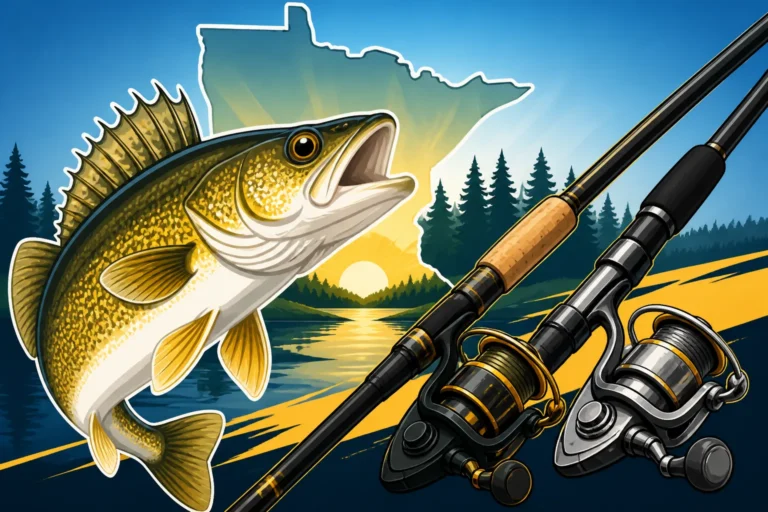
For ninety percent of new anglers, a spinning setup is the undisputed starting point. A spinning reel hangs underneath the rod, utilizing an open spool design where line uncoils freely during a cast. This mechanism is remarkably forgiving, virtually eliminating the dreaded backlash tangles that plague newcomers. Whether you are tossing light live-bait rigs on local lakes or throwing small spinners along riverbanks, a quality spinning combo offers smooth casting, easy line management, and versatile performance across almost every freshwater scenario.
Baitcasting setups, on the other hand, feature a reel mounted on top of the rod with a revolving spool that turns as you cast. While baitcasters offer superior thumb-controlled accuracy and heavy-line pulling power for thick weed beds, they come with a steep learning curve. If your thumb does not feather the spool properly as your lure hits the water, the spool keeps spinning faster than the line exits, creating a chaotic snarl known as a bird’s nest. Unless you specifically plan to target massive northern pike or heavy cover bass from day one, sticking with a spinning combo allows you to focus on learning fish behavior rather than mechanical troubleshooting.
If you want to dive deeper into building out your complete starter tackle box, take a look at our guide on Best Fishing Gear for Beginners in Minnesota (By Budget) to see how to allocate your funds effectively without overspending.
Key Specifications: Power, Action, and Length
Once you decide on a spinning rod, you must understand three core ratings printed on the rod shaft: power, action, and length. Power describes how much force it takes to bend the rod. Ratings range from ultralight to extra-heavy. A medium-power rod serves as the absolute sweet spot for a versatile Minnesota setup, offering enough flex to detect soft panfish bites while retaining enough backbone to set the hook firmly into a walleye or largemouth bass.
Action refers to where along the blank the rod bends when pressure is applied. Fast action rods flex primarily near the tip, providing excellent sensitivity and quick hook sets. Moderate action rods bend further down toward the middle, offering a parabolic flex that acts like a spring to absorb sudden surges from hard-fighting fish. For beginner anglers, a fast action tip provides the tactile feedback needed to feel subtle bumps against underwater rocks or weeds.
Rod length directly influences casting distance and control. Short rods around six feet offer tight casting precision around overhanging trees or docks, while long eight-foot rods maximize distance on wide-open waters like Mille Lacs. A medium-power, fast-action rod measuring six feet six inches to seven feet represents the ideal length for new anglers seeking maximum versatility without sacrificing maneuverability.
Choosing Between Monofilament, Fluorocarbon, and Braid
Your choice of fishing line acts as the direct link between you and the fish, making line selection just as critical as the rod itself. Monofilament line remains the classic choice for novice anglers due to its affordable cost, soft texture, and manageable stretch. That inherent stretch acts as a shock absorber when a fish jumps or surges, forgiving minor mistakes in drag setting or rod technique. However, monofilament degrades over time under direct sunlight and develops memory, meaning it retains the coil shape of the reel spool.
Braided line has revolutionized modern fishing by offering incredible strength at tiny diameters with zero line stretch. Because braid does not stretch, every subtle bump at the end of your line transfers directly into your hand, giving you incredible sensitivity. It also lacks line memory, which drastically cuts down on wind knots and coiling issues. The downside is that braid is highly visible in clear water, meaning you often need to tie a clear leader to avoid scaring line-shy species.
Fluorocarbon combines the low visibility of monofilament with reduced stretch and high abrasion resistance, making it an outstanding leader material or mainline choice for clear lakes. If you are spooled up for target species like walleye, taking time to learn about line characteristics on Best Fishing Line for Walleye (Braid vs Mono vs Fluoro) will help you pick the exact strength and material for your target waters.
| Combo Type | Ideal Target Fish | Best Skill Level | Primary Advantage |
|---|---|---|---|
| Medium Spinning | Walleye, Bass, Pike | Beginner to Pro | All-around versatility |
| Ultralight Spin | Sunfish, Crappie | Absolute Beginner | High bite sensitivity |
| Low-Profile Bait | Bass, Large Pike | Intermediate | Heavy line accuracy |
| Heavy Spinning | Catfish, Sturgeon | Beginner / Inter. | Raw pulling strength |
Top Rod and Reel Combos for Minnesota Multispecies Fishing
Minnesota is world-renowned for its diverse fishery, where a single afternoon outing can yield crappies, walleyes, largemouth bass, and northern pike. A beginner angler does not need a specialized rod for every single species in the lake. Instead, focusing on robust, well-engineered combinations that cover multiple techniques ensures you get the absolute highest value out of your equipment investments.
When hunting for dependable gear, browsing major online catalog hubs like Amazon or visiting regional sporting goods outlets provides a wide array of choices. The goal is to look for graphite or composite rod blanks paired with reels that feature smooth drag washers and at least three or four ball bearings to guarantee fluid retrieval under load.
All-Around Spinning Combos for Lakes and Rivers
If you could only own one fishing setup for the rest of your life to fish the North Star State, a seven-foot medium-power spinning combo paired with a 2500 or 3000 size reel is the ultimate utility tool. This configuration easily handles classic live-bait rigs, slip-bobber setups, casting crankbaits, and hopping jigs along drop-offs. The length allows for long casts from shore or boat, while the reel size provides enough line capacity to let a big fish run without emptying the spool.
Manufacturers construct these entry-to-mid level blanks out of graphite or a hybrid fiberglass-graphite blend. Pure graphite offers maximum sensitivity and lightweight handling, whereas fiberglass adds rugged durability against accidental impacts against boat gunwales or car trunks. Choosing a composite blank gives beginners the perfect balance between feeling delicate bites and surviving real-world wear and tear.
When examining the reel on an all-around setup, pay close attention to the bail wire and line roller. A smooth, oversized line roller prevents line twisting during long days of casting and retrieving. To explore reels built specifically for smooth drag and consistent performance, read our breakdown of Best Spinning Reels for Walleye to see what features make a reel stand out.
Lightweight Combos for Panfish and Crappie
When targeting panfish like bluegills, pumpkinseeds, and black crappies, an all-around medium rod can feel overly stiff, dampening the excitement of the fight and making it difficult to cast tiny jigs. This is where an ultralight or light-power spinning combination shines. Matched with a compact 1000 size reel and lightweight four-to-six-pound test monofilament line, an ultralight rod bends dramatically even under the weight of a modest panfish, turning every catch into an absolute thrill.
Lightweight setups usually measure between five feet six inches and six feet six inches. The shorter length allows for delicate flick-casts into tight pockets of lily pads or under boat docks where spring crappies like to hide. The soft rod tip prevents tearing the fragile, papery mouths of crappies when setting the hook, drastically reducing lost fish right at the side of the boat.
For families introducing young children to fishing, an ultralight combo is by far the easiest and most fun setup to operate. Kids can easily compress the light rod blank to propel small bobbers out into the water without requiring complex casting mechanics or excessive muscle power.
Heavy-Duty Combos for Pike and Bass
If your angling dreams involve wrestling heavy largemouth bass out of dense milfoil mats or casting heavy spoons for northern pike, stepping up to a medium-heavy spinning or baitcasting combo is necessary. A medium-heavy rod offers a stiff lower section that provides the leverage needed to drive thick wire hooks through tough fish jaws and pull stubborn fish away from snags.
Paired with a 3500 or 4000 size spinning reel—or a wide-spool low-profile baitcaster—this heavy-duty gear easily handles heavier lures weighing anywhere from half an ounce to over an ounce. Sturdy gear allows you to fish aggressive techniques like casting heavy spinnerbaits, dragging bulky soft plastics through reed beds, or trolling along weedlines without the rod tip bowing over excessively under lure resistance.
Having that extra backbone provides peace of mind when an unexpected toothy pike grabs your bass lure. Rather than worrying about snapping a delicate rod, a medium-heavy setup gives you full control over the fight from hookset to net.
Practical Setup and Rigging Step-by-Step
Buying your rod and reel combo is only the first step; assembling and spooling it correctly determines how smoothly your gear operates on the water. Many common beginner complaints—such as loose line loops, terrible casting distance, and mysterious line breakage—trace back to poor initial spooling technique or incorrect drag settings. Taking twenty minutes at home to set up your gear carefully prevents major headaches on the lake.
Before stringing line through the guides, always double-check that the rod sections are aligned properly. Assemble multi-piece rods by lining up the guides visually down the blank, pushing the ferrule joints firmly together with a slight twist to lock them into position.
Spooling Your Reel Without Line Twist
Spooling a spinning reel correctly requires paying close attention to how line exits the supply spool and wraps onto the reel. Line memory causes monofilament and fluorocarbon to form natural loops. To prevent line twist, lay the supply spool flat on the floor so the line unravels off the side in a counter-clockwise direction, matching the direction the reel’s bail arm rotates.
Pass your mainline down through the bottom rod guide, open the reel bail arm, and tie the line onto the reel spool arbor using an arbor knot or a pair of overhand knots. Close the bail arm manually. Apply light, consistent tension on the line using your thumb and forefinger placed just above the reel seat, and begin cranking the handle slowly.
- Lay supply spool flat on the floor (line exits counter-clockwise).
- Run line through lowest rod guide and open the reel bail.
- Secure line to spool arbor with an arbor knot and close bail.
- Pinch line gently above reel for tension and wind 15-20 turns.
- Drop rod tip to test for line twist; flip supply spool if twisting occurs.
- Fill spool until line sits roughly 1/8 inch below the outer lip.
Stop after fifteen or twenty turns and slacken the line. If the line begins to twist and double over on itself, flip the supply spool over on the floor to reverse the unwinding direction. Fill the reel spool until the line level rests roughly one-eighth of an inch from the outer rim. Overfilling causes line to spill off in coils, while underfilling creates friction against the lip that severely cuts down your casting distance.
Adjusting Drag and Drag Systems Explained
The drag system on a spinning reel acts as a mechanical clutch that releases line under tension before your fishing line reaches its breaking point. Located typically on top of the spool as a knurled dial, turning the drag knob clockwise tightens the internal felt or carbon fiber washers, while turning it counter-clockwise loosens them.
A good rule of thumb for setting drag is to set it at approximately twenty-five to thirty percent of your line’s rated breaking strength. For example, if you are spooled with eight-pound test line, your drag should slip open when two to two-and-a-half pounds of direct force is pulled from the reel. You can test this by hooking your line to a digital hand scale or simply pulling line off the reel by hand above the reel seat.
Adjusting drag while fighting a fish requires caution. If a large fish makes a sudden run near the boat, resist the urge to crank down the drag knob completely. Let the mechanical drag do its job of wearing the fish down smoothly while keeping your rod tip elevated to maintain a constant bend in the blank.
Tying Essential Knots for Beginners
You can buy the finest rod and reel combo available, but a poorly tied knot will fail every single time a strong fish hits. Beginners do not need to memorize dozens of complicated knots; mastering two fundamental, reliable knots covers every freshwater situation you will encounter.
The Palomar Knot stands out as the single strongest, easiest knot for tying hooks, swivels, and lures directly to monofilament, fluorocarbon, or braided lines. By doubling the line, passing it through the hook eye, tying a loose overhand knot, and looping the loop over the entire lure, the Palomar knot retains nearly one hundred percent of original line strength with virtually zero risk of slipping.
The Improved Clinch Knot represents the classic angler’s knot for monofilament and fluorocarbon lines. Thread the line end through the hook eye, wrap the tag end five to six times around the standing line, pass the tag end back through the small loop near the eye, and pull it through the newly formed outer loop. Wet the line with saliva before pulling it tight to reduce friction heat, which can weaken line structure.
Mastering simple terminal tackle setups is critical for live bait success. Check out our step-by-step guide on How to Set Up a Slip Bobber Rig Step by Step to practice rigging your new combo with classic live-bait presentation setups.
Matching Your Combo to Popular Minnesota Fish Species
Understanding how to match your rod setup to specific fish behaviors transforms an average day on the water into a memorable outing. Minnesota’s game fish inhabit vastly different habitats, from deep rocky reefs to shallow muddy bays, and present unique biting styles that reward tailored tactical approaches.
Whether you are shopping for tackle essentials online via Amazon or picking up fresh live bait at a local shop near the launch, matching your terminal tackle and lure weight to your rod’s rated power keeps your system performing at peak efficiency.
Walleye and Sauger Rigging
Walleyes are famous for their subtle, light-touch strikes, especially when water temperatures drop during early spring or late autumn. A medium-power spinning rod with a fast or extra-fast tip action provides the sensitive tactile feel required to detect a walleye sucking in a jig-and-minnow combo in deep water.
When fishing classic Lindy rigs or bottom bouncers along deep drop-offs, keeping your rod tip elevated at a forty-five-degree angle allows the flexible fast tip to absorb small nibbles without giving the fish early resistance. Once you feel steady weight pulling back, sweeping the rod back smoothly drives the hook home without snapping light mono or braid.
To dive deeper into seasonal locations and proven presentation styles across state waters, explore our complete resource on Walleye Fishing Techniques: Complete Minnesota Guide to elevate your on-water success.
Largemouth and Smallmouth Bass Setups
Bass fishing often requires driving hooks past thick plastic lures or pulling heavy fish out of tangled cover. Smallmouth bass in clear lakes like Mille Lacs demand finesse tactics like drop-shotting, Ned rigging, or tossing small tubes, where a medium-light or medium spinning rod excels at presenting soft baits naturally.
Largemouth bass hiding in thick lily pads, reed beds, or dock pilings require heavier gear. A six-foot-nine-inch or seven-foot medium-heavy spinning or baitcasting rod paired with fifteen-to-thirty-pound braided line lets you cast weedless soft plastic frogs and Texas-rigged worms straight into thick cover.
If you are looking to refine your bass presentations across different water clarity conditions, read our guide on Bass Fishing Techniques for Minnesota Lakes for detailed tactical breakdowns.
Sunfish, Bluegill, and Crappie Tactics
Panfishing represents pure, unfiltered angling joy. Sunfish and bluegills frequently gather around shallow weedlines, dock structures, and sandy flats, making them readily accessible to shore anglers and boaters alike. An ultralight spinning setup spooled with four-pound monofilament line transforms even small bluegills into thrilling fights.
Crappies often hover suspended in the water column near submerged brush piles or deep basin edges. Using a light-action rod six feet six inches or longer enables you to cast tiny hair jigs, micro-tubes, or small minnows under slip bobbers with pinpoint accuracy. The longer blank dampens sudden rod shakes, preventing delicate crappie mouths from tearing during retrieval.
To learn more about panfish seasonal movements and light-tackle rigs, check out our dedicated article on Crappie & Panfish Fishing Techniques for localized tips and trick advice.
Maintenance and Gear Care to Last Seasons
A quality rod and reel combo represents a long-term investment in your outdoor lifestyle. With basic routine care and sensible handling, modern rod blanks and mechanical reels will deliver years of reliable service across hundreds of fishing trips. Neglecting gear, on the other hand, leads to corroded reel bearings, stuck drag washers, and brittle rod guides that can snap line during a critical hookset.
Developing simple post-trip gear maintenance habits takes only a few minutes and keeps your setup operating like brand new throughout the year.
Cleaning and Storage After Freshwater Trips
After every fishing outing, wipe down your rod blank and reel housing with a damp microfiber cloth to remove lake grime, algae, fish slime, and dried bait residue. Pay special attention to the line guide inserts on your rod; dirt and grit can build up inside the ceramic rings, creating microscopic abrasive surfaces that fray your line during long casts.
Store your fishing combos indoors in a cool, dry area out of direct sunlight. Extreme heat inside sealed vehicle trunks or hot garages can degrade monofilament line, warp graphite blanks, and cause reel lubricants to break down prematurely. Hanging rods vertically in a simple wall rack or placing them in corner stands prevents blanks from taking a permanent bow bend over time.
Before storing your gear away for extended periods—such as during the winter offseason—loosen the reel drag dial completely counter-clockwise. Leaving the drag compressed under full pressure flattens the internal felt or carbon drag washers, permanently ruining the smooth performance of the reel’s drag system.
Spotting Gear Damage Before It Breaks
Inspecting your tackle periodically prevents heartbroken moments when a trophy fish breaks off due to undetected equipment failure. Perform a quick Q-tip test on your rod guides: gently run a cotton swab around the inside rim of every ceramic guide ring. If the cotton catches or pulls away fibers, it indicates a hairline crack or chip in the ceramic insert that will cut your fishing line under tension.
Check your reel’s operation by turning the handle slowly in a quiet room. Grinding noises, stiff anti-reverse toggles, or hitching handle movements suggest dirt has penetrated the inner gearbox or that bearings require fresh reel oil and grease. Applying a single drop of specialized reel oil to the line roller bearing and bail arm pivots every few outings keeps mechanical components gliding effortlessly.
Inspect your line regularly by stripping off the first ten feet and sliding it through your fingers. If you feel rough nicks, abrasions, or flat spots caused by rubbing against rocks or zebra mussels, snip off the damaged section and re-tie your lure immediately.
For a broader look at species rules, size regulations, and legal tackle limits across Minnesota, consult our comprehensive Minnesota Fish Species: Identification Guide before heading out on your next adventure.
Upgrading Gear As Your Skills Grow
As your casting technique improves and you discover your favorite target species, you may eventually decide to expand your rod locker with specialized equipment. Upgrade paths usually involve transitioning from all-around composite spinning rods to high-modulus pure graphite blanks designed specifically for single techniques like jigging, crankbait trolling, or heavy flipping.
When you feel ready to add dedicated setups, consider keeping your original beginner combo rigged as a versatile backup rod. Having a second rod rigged with a secondary lure style allows you to adapt quickly on the water without cutting and re-tying knots every time fishing conditions change.
Whenever you land a memorable fish, practicing proper fish handling safeguards natural fisheries for future seasons. Take time to review Catch and Release Best Practices in Minnesota to ensure every fish you return to the water swims away healthy and strong.
To round out your tackle storage with proven, high-producing lures tailored for various species, consult our comprehensive guide on Best Lures & Baits for Minnesota by Species to fill your tackle box with confidence.
Disclaimer
This article is for general informational purposes only and does not constitute professional advice. Laws, prices and regulations vary by location and change over time. Consult a qualified professional for guidance on your specific situation.