Lake Harriet Fishing Report & What’s Biting
Fishing in the heart of a bustling city like Minneapolis might seem a bit daunting, maybe even less appealing than heading up north to the big walleye lakes. But trust me, Lake Harriet is a true urban gem, offering fantastic angling opportunities right here in the metro area. If you’ve been wondering what’s really biting on Lake Harriet or how to best tackle its waters, you’ve come to the right place. This comprehensive guide will break down the current fishing scene, reveal the best techniques, and share essential tips to help you make the most of your time on this beautiful urban lake.
Decoding Lake Harriet's Vibrant Fishery
Lake Harriet isn't just a pretty face in the Minneapolis Chain of Lakes; it's a thriving ecosystem packed with diverse fish species. Despite being surrounded by parkland and residential areas, its depth and structure create excellent habitat, making it a surprisingly productive fishery for anglers of all skill levels.
The Resident Fish Species You'll Encounter
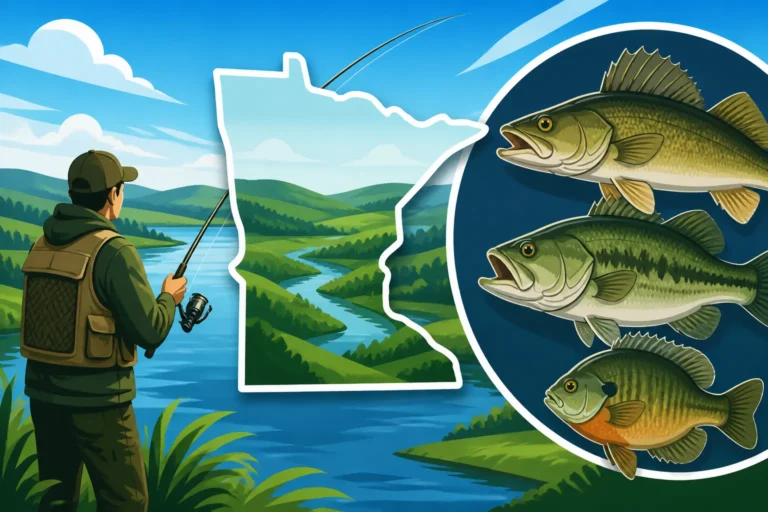
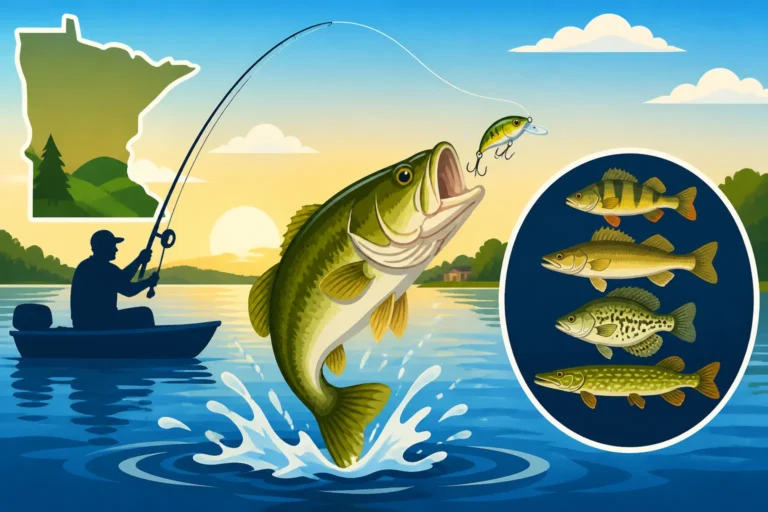
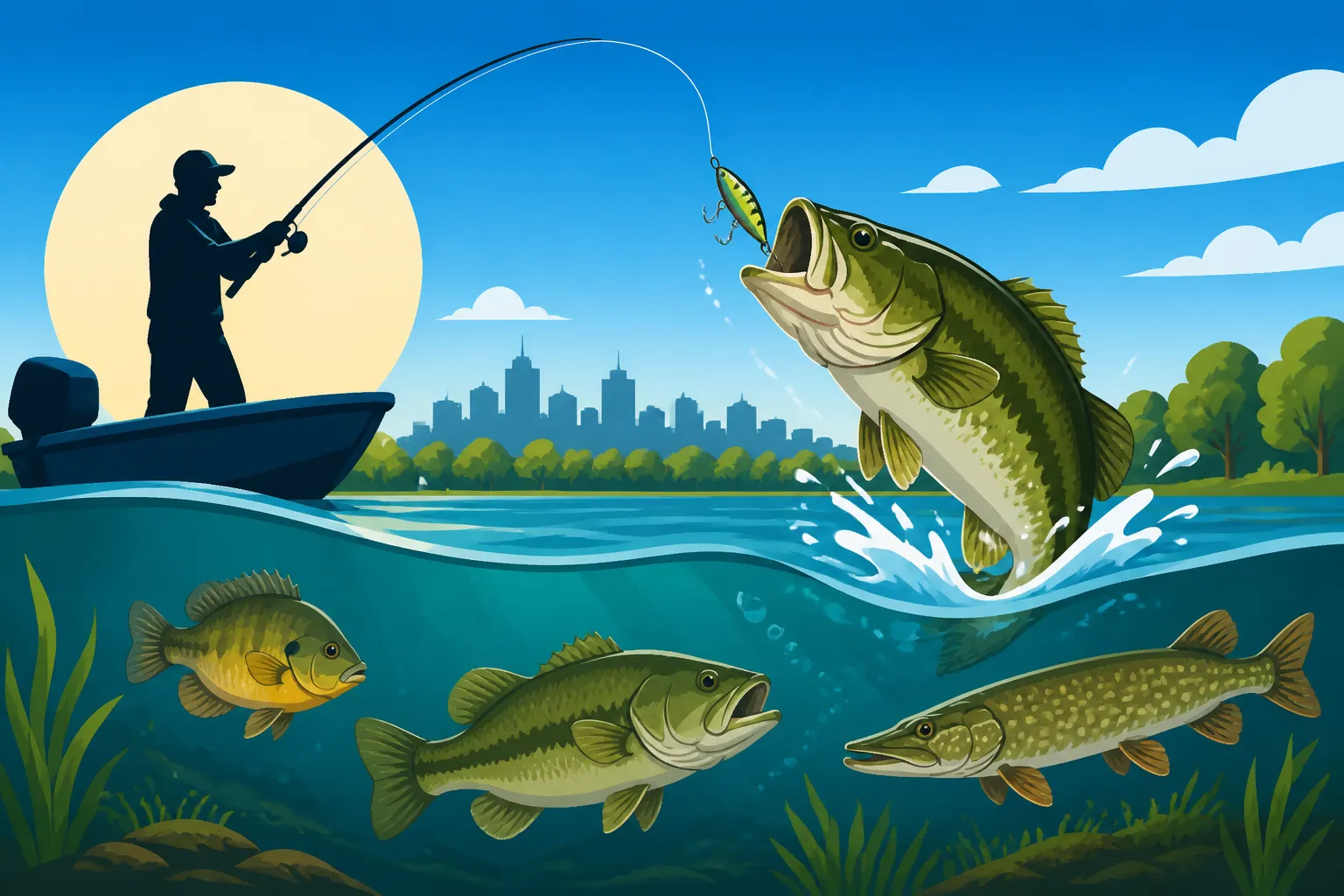
Lake Harriet is a fantastic mixed-bag lake, meaning you've got a shot at several different popular species. The most sought-after fish here include walleye, northern pike, largemouth bass, and a healthy population of panfish like crappie, bluegill, and sunfish. These species thrive in Harriet's varied depths and bottom compositions, which range from shallow, weedy flats to deeper, rocky breaks. You’ll also find yellow perch, which serve as excellent forage for the lake’s predators. Understanding what lives beneath the surface is the first step to a successful day on the water.
Let's break down some of the key players:
- Walleye: These beloved Minnesota fish are present in good numbers, especially in the deeper, rockier areas. They can be elusive, but consistent stocking efforts by the Minnesota Department of Natural Resources (DNR) ensure a healthy population. If you’re targeting walleye, think low light and structure.
- Northern Pike: Aggressive and abundant, northern pike are always a fun fight. They gravitate towards the weed lines and areas with submerged vegetation, ambushing smaller fish. You won't find trophy pike here like in some northern lakes, but there are plenty of active fish to keep things exciting.
- Largemouth Bass: The bass fishing on Lake Harriet can be surprisingly good, particularly around docks, lily pads, and submerged timber. They offer exciting topwater action during warmer months and a strong fight when hooked.
- Panfish (Crappie, Bluegill, Sunfish): This is where Lake Harriet really shines for family-friendly fishing. Crappie and bluegill populations are robust, providing consistent action for anglers using light tackle. They're often found in large schools, making it easy to rack up a good catch for a shore lunch.
Navigating Lake Harriet's Seasonal Fishing Shifts
Just like any Minnesota lake, Lake Harriet’s fishing action ebbs and flows with the seasons. What works in spring won't necessarily cut it in mid-summer, and fall brings its own unique opportunities. Being aware of these patterns is key to putting more fish in the boat or on the bank.
- Spring Opener to Early Summer: As the ice melts and water temperatures rise, fish become more active. Walleye will move into shallower areas to spawn, and after the spawn, they’ll often be found transitioning to main lake points and breaks. Panfish congregate in bays and shallow weed beds, making them easy targets for shore anglers. Bass become more active, moving into shallower cover to spawn later in the spring. This is a great time for consistent action across multiple species. For specific dates, always check the official Minnesota Fishing Seasons & Opener Dates (2026).
- Mid-Summer: When the dog days of summer hit, fish tend to seek deeper, cooler water. Walleye often move to deep humps, main lake points, and deeper weed edges. Bass will relate to structure like docks, submerged timber, and deeper weed lines. Panfish might scatter a bit more but can still be found in dense weed beds or deeper basins. Early morning and late evening bites become crucial, especially for walleye and bass.
- Fall Transition: As water temperatures cool, fish start to feed aggressively in preparation for winter. This can be one of the best times for big bites. Walleye become very active on deeper breaks, and pike will be prowling the remaining green weed beds. Bass, too, will put on the feedbag, often moving shallower before retreating to wintering holes. This seasonal feeding frenzy can provide some memorable days on the water.
Current Fishing Report: What's Biting on Lake Harriet (and Why!)
Alright, let's talk about what's likely hitting the lines right now. While specific conditions vary by the day, general patterns hold true, giving you a solid starting point for your Lake Harriet adventure. We're going to focus on the common success stories on this lake.
Walleye Wonders on the Urban Waters
If you’re chasing walleye on Lake Harriet, you'll want to focus your efforts on the deeper breaks and any available rock or gravel patches, particularly during low light conditions. The walleye here are often found relating to the significant drop-offs along the lake's perimeter or any subtle changes in bottom contour in the deeper basin. Think about points that extend into deeper water or even the edges of the thermocline in summer.
A classic jig and minnow presentation is almost always effective for walleye, especially when drifted slowly or fished vertically over structure. Leeches are also fantastic in summer, fished on a Lindy Rig or under a slip bobber near breaks. For those who prefer artificials, small crankbaits trolled along contours or casting jerkbaits in the evening can yield good results. Many anglers swear by the low-light bite on Harriet, heading out before sunrise or as the sun sets. If you’re interested in mastering the techniques, dive into our Walleye Fishing Techniques: Complete Minnesota Guide.
Exciting Action with Bass and Pike
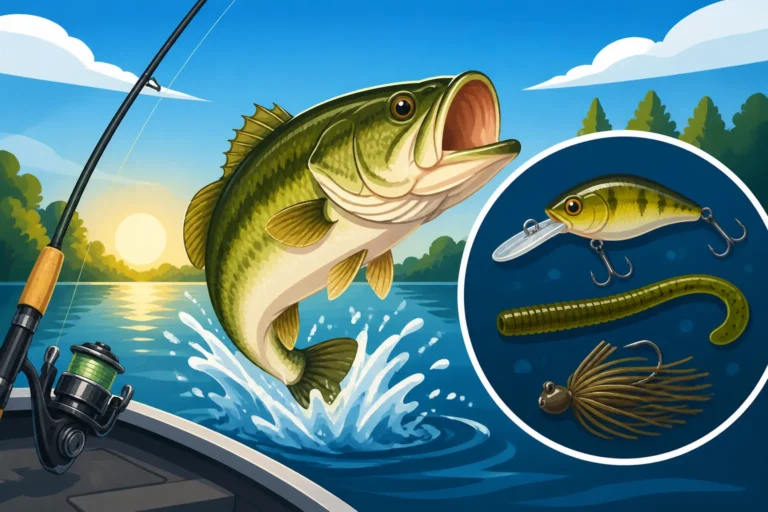
Lake Harriet offers consistent action for both largemouth bass and northern pike. For bass, the name of the game is cover. Look for them holding tight to the numerous docks, submerged brush, lily pad fields, and extensive weed beds, particularly on the northern and eastern sides of the lake. During summer, topwater lures like frogs or poppers can provide explosive strikes in the mornings and evenings. Spinnerbaits, chatterbaits, and soft plastics (worms, jigs) are also highly effective when fished around cover. Early mornings before boat traffic picks up can be prime for bass.
Pike are less picky and often found patrolling the edges of the same weed beds that hold bass. They'll readily strike a variety of lures, from spoons and spinnerbaits to larger crankbaits. If you're bank fishing, casting flashy lures parallel to the weed lines can draw aggressive strikes. These toothy critters provide a fantastic fight and are usually willing biters, making them a great target for beginners or those just looking for constant action. Check out our Bass Fishing Techniques for Minnesota Lakes for more detailed strategies.
Panfish: A Family Fishing Favorite
Lake Harriet is truly a panfish paradise, making it an excellent spot for families or anglers seeking consistent action. Both crappie and bluegill thrive here, often found in large schools. You'll generally find them congregating in the shallower, weedy bays, around public docks, or even under the famous Lake Harriet Bandshell piers.
Small jigs tipped with a piece of a wax worm, a tiny plastic, or even just a plain hook with a piece of corn or bread work wonders. A small bobber rig is all you need to get into these eager eaters. Crappie will often suspend over deeper weed edges or in open water basins at certain times, especially in spring and fall. Bluegills are almost always found near vegetation. If you're bringing kids, this is often the best bet for keeping them engaged and reeling in fish. Don't forget to review our Crappie & Panfish Fishing Techniques for optimal success.
Mastering Techniques and Essential Gear for Lake Harriet
Fishing Lake Harriet successfully doesn't require a massive boat or a ton of specialized gear, which is part of its charm. Whether you're casting from shore or venturing out in a small craft, a few key strategies and the right tackle can make all the difference.
Effective Shore Fishing and Kayaking Strategies
One of the biggest advantages of Lake Harriet is its accessibility. You don't need a boat to have a great day. There are numerous public docks, piers, and miles of shoreline that offer excellent fishing opportunities. The area around the Bandshell and the public beaches, while busy, can be productive, especially during off-peak hours or when targeting panfish.
- For Shore Anglers: Focus on areas with immediate access to deeper water or visible structure like fallen trees or weed edges. A simple spinning rod and reel combo with 6-8 pound monofilament line is perfect. For panfish, use small jigs or hooks with bobbers. For bass and pike, cast spinnerbaits, spoons, or weedless soft plastics parallel to the shore. Early mornings and late evenings are often best to avoid crowds and catch more active fish.
- For Kayak and Canoe Anglers: Small watercraft are fantastic for navigating Lake Harriet's nooks and crannies that larger boats can't reach. You can quietly paddle into shallow bays, along extensive weed lines, and closer to docks. This allows for precise presentations with lures or live bait. A lightweight anchor can be invaluable for holding position in windy conditions. Consider exploring the less pressured areas along the western shore.
Boat Fishing Tactics for Deeper Waters
If you have access to a boat, even a small tiller or aluminum fishing boat, Lake Harriet opens up significantly. You can reach the mid-lake humps, deeper breaks, and expansive weed flats that are inaccessible from shore. Utilizing a fish finder will become a huge advantage here, allowing you to pinpoint schools of fish or specific underwater structures.
- Finding Structure: Lake Harriet has a few notable features worth exploring. Use your electronics to find the main lake points that drop off quickly, as these are walleye highways. Look for transition areas where sand meets gravel, or where weeds give way to open water.
- Trolling and Drifting: Trolling with crankbaits is a productive method for covering water and finding active walleye or pike, especially in deeper areas or along contour lines. Drifting with live bait rigs (like a Lindy Rig with a leech or crawler) is also very effective when the wind is cooperative.
- Vertical Jigging: If you mark fish on your electronics holding tight to the bottom structure, vertical jigging with a jig and minnow or a blade bait can entice strikes, particularly for walleye. Our guide on How to Jig for Walleye From a Boat provides excellent tips.
| Species | Best Baits/Lures | Prime Locations | Ideal Time |
|---|---|---|---|
| Walleye | Minnows, Leeches, Crankbaits, Jigs | Deep breaks, rocky points, humps | Dawn, Dusk, Night |
| Northern Pike | Spoons, Spinnerbaits, Large Crankbaits | Weed lines, lily pads, shallow bays | Day, Overcast |
| Largemouth Bass | Topwater, Soft Plastics, Spinnerbaits | Docks, submerged timber, weed edges | Morning, Evening |
| Crappie | Small Jigs, Wax Worms, Minnows | Piers, brush piles, deeper weed lines | Day, Low Light |
| Bluegill/Sunfish | Worms, Small Jigs, Wax Worms | Shallow weeds, public docks, sheltered bays | Day, Sunny |
Navigating Regulations and Access for Lake Harriet Anglers
Fishing on any body of water in Minnesota comes with rules, and Lake Harriet is no exception. Understanding these regulations and knowing where to access the lake legally and safely is crucial for a smooth and enjoyable fishing trip.
Essential Licenses and Aquatic Invasive Species Rules
First and foremost, anyone aged 16 to 89 needs a valid Minnesota fishing license. You can easily purchase one online, from bait shops, or through authorized retailers. If you're new to the state or need a refresher, our guide on a Minnesota Fishing License: Cost, Types & How to Buy (2026) covers all the details. Kids and youth often have different requirements, so make sure to check if Do Kids Need a Fishing License in Minnesota?.
Beyond licensing, Aquatic Invasive Species (AIS) rules are incredibly important, especially on a heavily used urban lake like Harriet. Always remember the "Drain, Clean, Dry" mantra. Before leaving Lake Harriet, you must:
- Drain all water from your boat, livewell, and bait bucket. Pull the drain plug.
- Clean off any visible aquatic plants or animals from your boat, trailer, and fishing gear.
- Dry your equipment thoroughly before launching into another body of water.
These simple steps prevent the spread of harmful invasives like zebra mussels, which are unfortunately present in Lake Harriet and many other Minnesota lakes. It's a small effort that makes a huge difference in protecting our precious waters. Our resource on Aquatic Invasive Species (AIS) Rules for Boaters delves deeper into these critical guidelines.
Public Access Points and Amenities
Lake Harriet is a public resource, well-equipped for anglers and recreational users.
- Boat Launch: There is a public boat launch located on the southwest side of the lake, off West Lake Harriet Parkway. It's a well-maintained ramp, but like any metro lake, it can get busy, especially on weekends. Arrive early for a better parking spot.
- Shore Access: As mentioned, extensive pathways and park areas surround the lake, offering plenty of spots for shore fishing. The fishing piers near the Bandshell are particularly popular, as are various spots along the walking paths where you can cast a line.
- Parking: Ample parking is available in various lots surrounding the lake, though some spots might require a fee or have time limits, especially during peak season. Always check signage.
- Amenities: You'll find restrooms, picnic areas, playgrounds, and even concessions stands around Lake Harriet, making it a comfortable destination for a full day out with the family. Bait shops are typically not on-site but can be found a short drive away in Minneapolis or surrounding suburbs.
If you're ever in doubt about navigating Lake Harriet or want to maximize your chances, consider hiring a local fishing guide. Platforms like FishingBooker can help you find experienced guides who know the lake intimately and can put you on fish, offering insights into the current bite and specific hotspots. A local expert can be invaluable, especially if you're visiting or want to learn the nuances of this urban fishery.
Disclaimer
The fishing information provided in this guide is based on general patterns and common knowledge of Lake Harriet. Fishing conditions can change rapidly due to weather, water temperature, fish behavior, and recent stocking efforts. Always consult the most current Minnesota DNR fishing regulations before heading out. We recommend checking local bait shops or online fishing forums for the very latest, hyper-local fishing reports, as conditions can vary day by day.