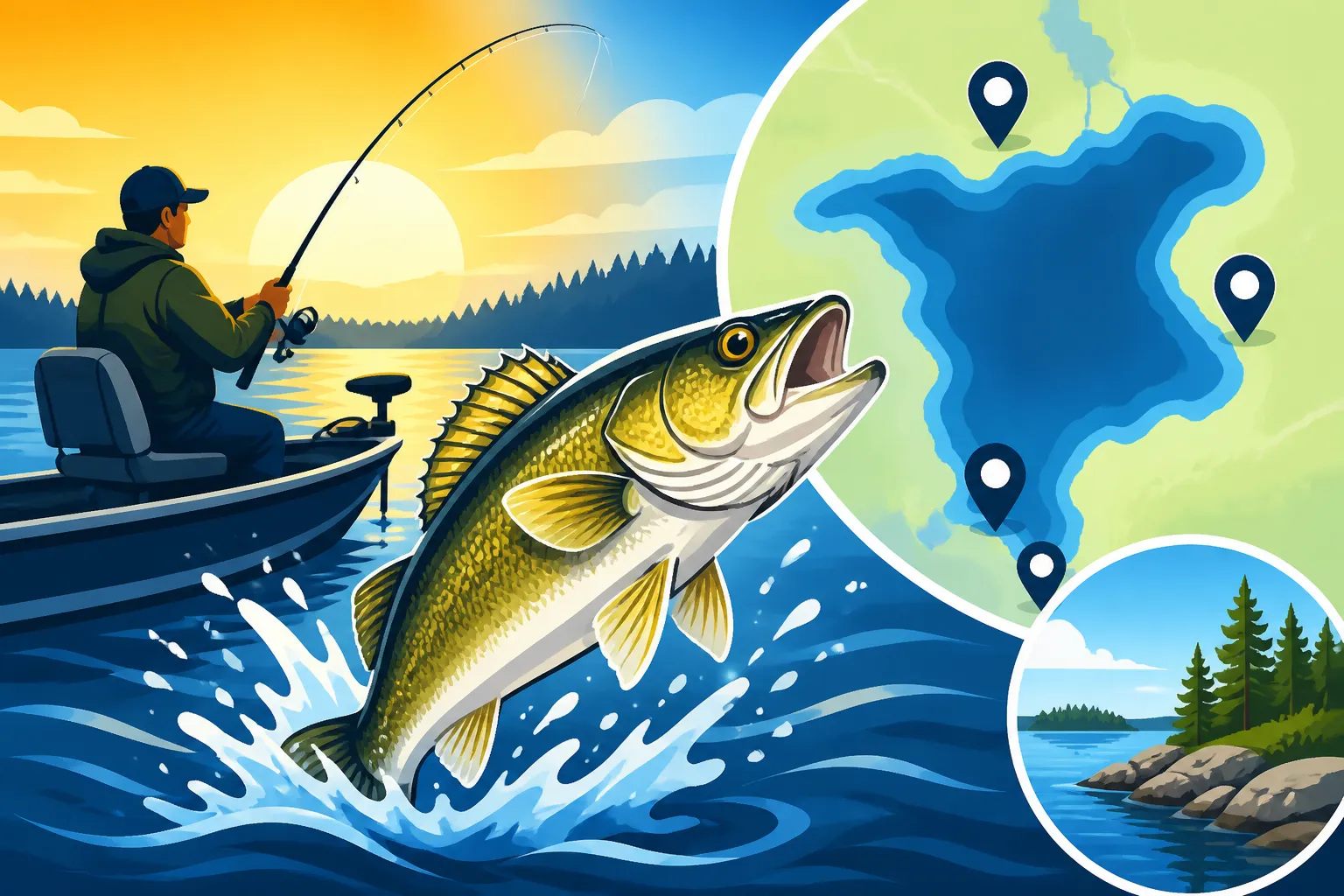
Mille Lacs Walleye Fishing: Tips & Best Spots
Mille Lacs Lake. Just hearing the name conjures images of massive walleye, but for many anglers, it also brings a touch of intimidation. This vast, complex body of water, known for its dynamic walleye regulations and diverse structure, can feel overwhelming if you're not sure where to start. You might have heard stories of epic days or frustrating blanks, leaving you wondering how to consistently put fish in the boat. This guide is here to cut through the confusion, offering practical tips and pinpointing the best spots to help you unlock the incredible walleye fishing potential of Mille Lacs.
Understanding Mille Lacs Walleye: A Unique Fishery
Mille Lacs Lake isn't just another big lake; it's a living legend in the Minnesota fishing scene, renowned for its challenging yet rewarding walleye fishery. This immense, shallow basin covers over 132,000 acres, boasting a diverse ecosystem that makes it truly special. However, this also means the walleye here can behave differently than in smaller, more consistent lakes. Successfully targeting them requires understanding the unique aspects of this particular fishery.
The Enigma of Mille Lacs Walleye Populations
The walleye population on Mille Lacs has been a rollercoaster over the years, marked by periods of boom and bust, leading to a closely monitored and often adjusted regulatory framework by the Minnesota DNR. What makes Mille Lacs walleye so intriguing is their adaptability. They’re a resilient bunch, navigating changing forage bases and environmental pressures. You’ll find a mix of year classes, from hungry eaters to true trophy-sized fish that have seen it all. This dynamic means that what worked perfectly last year might need a tweak this season, keeping anglers on their toes and making every trip an adventure. It’s not just about finding a walleye; it's about understanding the specific cohort you're targeting and how they're responding to current conditions.
For instance, the lake's history of walleye management, including slot limits and even catch-and-release only periods, has shaped the population you find today. These efforts are designed to balance angler enjoyment with the long-term health of the fishery. Many seasoned anglers consider the walleye here to be smarter, more cautious fish, thanks to the sheer volume of fishing pressure they experience. This isn't a bad thing; it just means you need to bring your A-game and be ready to adapt. The reward for cracking the code on Mille Lacs is often a fish of a lifetime, making the effort entirely worthwhile.
Walleye Behavior and Forage Patterns
Mille Lacs walleye are opportunistic predators, but their diet is heavily influenced by the lake's abundant forage base. Cisco (tullibee) and yellow perch are the mainstays, dictating where walleye will be, how deep they'll hold, and even what lures they'll prefer. When cisco are schooling in open water, walleye might suspend, making them challenging to locate and catch. Conversely, when perch are concentrated on shallow reefs or mud flats, walleye will often follow suit, presenting more predictable targets. Understanding these macro-patterns is crucial for developing a successful game plan.
Think of it like this: if you know the cisco are holding deep in the mud in summer, your efforts should focus on those areas with deep-diving cranks or weighted live bait rigs. If it's early spring and perch are moving into the shallows, a jig and minnow near a rocky break could be your ticket. The size of the forage also matters. Small shiners in spring might call for smaller jigs and baits, while the larger cisco of late fall might entice strikes on bigger crankbaits or jigging spoons. Pay attention to what the walleye are eating if you can – checking the stomach contents of a legal fish can offer invaluable clues.
Navigating Mille Lacs Walleye Regulations and Conservation
Fishing on Mille Lacs is an incredible privilege, and with that comes the responsibility of adhering to the regulations set forth by the Minnesota DNR. These rules, especially for walleye, are frequently adjusted based on population assessments, spawning success, and overall health of the fishery. Ignoring them isn't just illegal; it actively harms the very resource we all cherish. Always check the most current Mille Lacs Walleye Regulations (2026) before you head out.
Decoding Current Walleye Limits and Slot Sizes
The Minnesota DNR implements specific bag and possession limits, often coupled with slot limits, to manage the walleye population on Mille Lacs. A slot limit means you can keep fish below a certain size and above another size, but not within the "slot" in between. This is designed to protect key spawning-age fish while allowing anglers to harvest smaller, more abundant walleye or occasionally a larger, older fish. For example, in some years, the regulation might be "one walleye, 17-20 inches must be immediately released, with one fish over 20 inches allowed." Or it could be a single fish under a certain length. These regulations are not arbitrary; they are the result of extensive biological research aimed at sustaining a healthy walleye population for future generations.
It's absolutely paramount to carry a copy of the current regulations, easily found on the Minnesota DNR website or at any license vendor. Don't rely on last year's knowledge or hearsay. A miscalculation can lead to serious fines and revocation of fishing privileges. Pay close attention to the dates, too, as regulations can change mid-season. For more general information on statewide rules, you can also check out Minnesota Walleye Limit & Size Rules. Many lakes across Minnesota have these sorts of complex rules, but Mille Lacs is often at the forefront of adaptive management strategies.
Best Practices for Catch-and-Release
Given the often restrictive limits and slot sizes on Mille Lacs, mastering proper catch-and-release techniques is not just a good idea, it's often essential. Many of the walleye you catch, especially those falling within the protected slot, will need to be released unharmed. Improper handling can stress fish, reduce their survival rate, and undermine conservation efforts. The goal is to get the fish back in the water as quickly and gently as possible, minimizing its time out of the water and reducing physical injury.
Always use appropriate tackle that matches the size of fish you expect to catch, which helps in landing them quickly without over-exhausting them. Barbless hooks can make hook removal much easier, especially if you're frequently catching fish you need to release. When you land a walleye, handle it with wet hands to protect its slime coat, which is vital for its immune system. Avoid letting the fish flop on the boat floor or squeeze it tightly. If possible, keep the fish in the water while removing the hook. Use a hook remover or needle-nose pliers to quickly extract the hook. If the hook is deeply swallowed, it’s best to cut the line as close to the hook as possible; the hook will often rust out. For deep-hooked fish or those showing signs of distress, consider using a descending device, though this is less common for walleye than for deep-water species. When releasing, gently hold the fish upright in the water until it swims away on its own power. You can learn more about general Catch and Release Best Practices in Minnesota for various species.
Mastering Mille Lacs Walleye Seasons and Timing
Just like any great fishing destination, Mille Lacs has its ebb and flow throughout the year. Walleye behavior changes dramatically with water temperature, light penetration, and the availability of forage. Being in the right place at the right time with the right presentation is a huge part of the puzzle. Understanding these seasonal shifts will dramatically increase your success rate, turning a potentially frustrating trip into a memorable one. You might even find some unexpected action by fishing outside of peak times, as long as you're adapting your approach.
Spring Opener Excitement and Early Season Tactics
The Walleye Opener on Mille Lacs, typically in mid-May, is practically a state holiday in Minnesota. After the ice recedes, walleye move shallower, often congregating near spawning areas or transition zones where they can ambush baitfish. Water temperatures are cool, and fish are often hungry, making this one of the best times for consistent action. The key is to target warming shallow bays, rocky points, and shorelines that absorb the sun's heat. These areas will be teeming with baitfish, attracting hungry walleye.
Classic early season tactics include pitching jigs tipped with live minnows, such as shiners or fatheads, to shallow structure in 4-10 feet of water. Lindy Rigs with a lively minnow, slowly dragged along breaks, can also be deadly. Pay close attention to wind-blown shorelines, as the chop often pushes baitfish into these areas, creating a feeding frenzy. The early season can also be fantastic for trolling shallow-running crankbaits in areas where the walleye are spread out, covering water until you find an active school. Remember, walleye eyes are sensitive to light, so overcast days or low-light periods (dawn and dusk) are often prime. For specific details on when the season opens, check out Minnesota Fishing Seasons & Opener Dates (2026).
Summer Structure Fishing and Night Bites
As summer progresses and water temperatures rise, Mille Lacs walleye often transition to deeper, more consistent structure. This is when the lake's famous mud flats, expansive rock reefs, and deep breaks become primary targets. Walleye will relate tightly to these features, seeking out cooler water and concentrated forage. Mid-day fishing can be tough, as walleye often become lethargic in bright sun and warm water, retreating to the bottom or suspending over deeper holes.
This is prime time for slow-trolling with bottom bouncers and spinner rigs tipped with nightcrawlers or leeches over mud flats like the legendary Sherman, Garrison, or Pope's flats. Also, don't overlook slip bobber fishing with leeches or redtail chubs on rock reefs, especially during low-light conditions or after dark. Night fishing for walleye on Mille Lacs during summer can be absolutely lights-out. Walleye, with their excellent low-light vision, come alive after sunset, moving onto shallow reefs and breaks to feed. Trolling shallow-running crankbaits or casting stickbaits near lighted docks or emergent weed lines can produce incredible action. For those looking to dive deeper into night fishing tactics, explore our guide on Night Fishing for Walleye in Minnesota.
Fall Turnover and Late Season Opportunities
Fall on Mille Lacs brings a dramatic shift in walleye behavior. As water temperatures cool and the lake goes through its "turnover" process, walleye often become more aggressive as they prepare for winter. The fish may disperse initially during turnover, but once the water column stabilizes, they become easier to locate, often moving back to prime structure or following large schools of cisco into deeper basins. This can be one of the most rewarding times to target trophy walleye.
Late fall is synonymous with large shiners or suckers fished on jigs or Lindy Rigs on deep main-lake points, humps, and the edges of mud flats. Walleye will gorge on these larger baitfish, making them more susceptible to bigger presentations. Trolling large crankbaits over deep breaks and open water can also be very effective, especially if you can mark schools of cisco on your electronics. As ice-up approaches, walleye often concentrate heavily, offering incredible last-chance opportunities before the hardwater season begins. Don't forget your warm gear; those late fall breezes can be brutal, but the fishing can be worth every shiver. You can also book a trip with guides who specialize in late-season fishing through platforms like FishingBooker to maximize your chances.
Tried-and-True Walleye Fishing Techniques for Mille Lacs
Mille Lacs offers such diverse habitat that a single technique rarely dominates all situations. To be consistently successful, you need a versatile playbook of presentations. Whether you prefer the tactile feel of a jig or the steady rhythm of trolling, Mille Lacs has a technique that will appeal to you. The key is knowing when and where to deploy each one effectively.
Jigging and Live Bait Rigs
Jigging is a cornerstone of walleye fishing on Mille Lacs, particularly in early spring and late fall, or when fish are concentrated on specific pieces of structure. The ability to precisely present a bait to a targeted area makes jigging incredibly effective. A simple lead-head jig, like a 1/8 to 1/4 ounce VMC Neon Moon Eye or Northland Tackle Fire-Ball jig, tipped with a lively minnow (shiner, fathead, or rainbow chub) is often all you need. Focus on subtle lifts and drops, keeping slack out of your line to detect those often imperceptible walleye bites. Jigging can be done vertically from a boat, or by casting to structure and slowly retrieving.
When walleye are scattered or less aggressive, live bait rigs truly shine. The classic Lindy Rig, consisting of a walking sinker, a swivel, a long fluorocarbon leader, and a snelled hook, allows your bait to drift naturally near the bottom. This method is incredibly effective when slowly drifting or backtrolling over mud flats or along breaks. A leech in summer or a shiner in spring/fall are common baits. Similarly, a slip bobber rig, especially with a lively leech or a small minnow, is deadly when targeting walleye suspended over rock reefs or deep weed edges. The key to a good slip bobber presentation is setting the depth accurately so your bait is just above the fish or slightly off the bottom. Check out our guide on How to Fish a Lindy Rig for Walleye for a detailed breakdown.
Trolling with Crankbaits and Crawler Harnesses
When walleye are more dispersed or actively chasing baitfish in open water, trolling becomes an indispensable technique on Mille Lacs. This method allows you to cover vast amounts of water efficiently, locating active fish that might not be holding tightly to structure. Trolling can be done with either crankbaits or crawler harnesses, each excelling in different situations.
Crankbaits are fantastic for imitating baitfish and are particularly effective during periods when walleye are actively chasing. Shallow-running crankbaits like Rapala Shad Raps or Berkley Flicker Shads work well in spring and fall over shallow flats, while deep-diving models like Rapala Down Deep Husky Jerks or Reef Runner deep divers are excellent for targeting fish over the mud in summer. Vary your speed and trajectory, making S-turns to change the lure's action and depth, often triggering strikes. Precision trolling requires good electronics to monitor depth and speed, ensuring your lures are in the strike zone. If you're new to this, a trip with a local guide found on a service like FishingBooker can teach you the nuances of trolling on Mille Lacs.
Crawler harnesses, often fished on bottom bouncers, are a staple for targeting walleye on the mud flats during summer. These rigs consist of a spinner blade, beads, and two hooks, typically tipped with a juicy nightcrawler. The spinner creates flash and vibration, attracting walleye from a distance, while the nightcrawler provides natural scent and appeal. The weight of the bottom bouncer keeps your bait near the bottom without dragging. Experiment with different blade colors (chartreuse, orange, silver) and sizes, as well as varying your trolling speed, until you find what the walleye prefer on any given day. The slow, seductive action of a crawler harness is hard for a curious walleye to resist.
Pinpointing the Best Walleye Hotspots on Mille Lacs
Mille Lacs is a massive lake, and trying to find walleye without a plan can feel like searching for a needle in a haystack. While fish can be found almost anywhere, certain areas consistently hold concentrations of walleye due to their structure, forage, and depth. Knowing these key hotspots and understanding why walleye relate to them is crucial for productive fishing. Remember, fish move, so what's hot one day might be cold the next, but these areas are always worth checking.
Productive Mud Flats and Their Secrets
Mille Lacs is famous for its extensive mud flats, vast expanses of soft bottom that rise subtly from the surrounding deeper basin. These flats, like the well-known Sherman, Garrison, Pope's, and Hennepin flats, are absolute walleye magnets, especially during the summer months. Walleye flock to these areas to feed on burrowing invertebrates and, more importantly, schools of cisco and perch that also utilize the flats. The edges of these flats, where the soft bottom meets the deeper water, are often the most productive, acting as highways for migrating walleye.
Fishing these mud flats typically involves slow-trolling bottom bouncers with crawler harnesses or Lindy Rigs with large leeches or minnows. Pay close attention to your electronics for subtle changes in bottom composition, small bumps, or isolated schools of baitfish. Walleye often congregate around these subtle features. During periods of low light or windy conditions, walleye might move up onto the top of the flats, while bright, calm days might push them to the deeper edges. Understanding Mille Lacs Lake Depth Map & Structure is critical here, as even a small contour change on a vast flat can hold a honey hole. Guides from services like FishingBooker often have years of experience navigating and understanding these complex underwater landscapes.
Exploring Rock Reefs, Points, and Breaks
While the mud flats get a lot of attention, Mille Lacs' numerous rock reefs, points, and sudden depth breaks are equally important walleye haunts. These hard-bottom structures offer ambush points, shelter, and provide a habitat for different types of forage. They are particularly productive during spring and fall, but can hold fish year-round, especially if they are adjacent to deeper water. Examples include the famous Spirit Island reef, Hennepin Island, and the numerous scattered rock piles throughout the lake.
When fishing reefs and points, focus on the transitions – where the rock meets sand or mud, or where a shallow flat drops off into deeper water. Walleye will often patrol these edges, moving up to feed and retreating to deeper water when not actively hunting. Jigging with minnows or plastics, casting crankbaits, or slowly drifting slip bobbers with live bait are all effective presentations here. Don't be afraid to explore different depths along these structures; walleye might be holding tight to the top of a reef in low light or hunkering down on its deepest edge during bright sun. Wind direction can also play a huge role, often pushing bait and active walleye onto the windy side of a reef or point.
Essential Gear for Your Mille Lacs Walleye Adventure
Having the right tools for the job can make all the difference, especially on a lake as dynamic as Mille Lacs. While you don't need to break the bank, investing in quality gear tailored for walleye fishing will improve your experience and success rate. From your rod and reel setup to your choice of lures and vital electronics, careful consideration of your equipment is a must.
Rods, Reels, and Line for Varying Techniques
For Mille Lacs walleye, versatility is key when it comes to rods and reels. You'll likely encounter situations that call for finesse presentations as well as power tactics. A good starting point is a medium-light to medium power spinning rod, 6'6" to 7' in length, with a fast action. This setup is perfect for jigging, casting light crankbaits, and working slip bobbers. Pair it with a reliable 2500 or 3000 series spinning reel spooled with 8-10 lb braided line, featuring a 6-8 lb fluorocarbon leader. Braided line offers superior sensitivity and casting distance, while the fluorocarbon leader provides stealth in clear Mille Lacs waters. Many anglers swear by brands like St. Croix for their sensitive walleye rods and Shimano or Daiwa for smooth reels.
If you plan on doing a lot of trolling, especially with heavier bottom bouncers or deep-diving crankbaits, a medium-heavy baitcasting setup is often preferred. A 7' to 8' trolling rod with a moderate action will handle the strain of heavy lures and big fish, while a line-counter baitcasting reel is invaluable for precisely controlling your lure's depth. Spool these reels with 10-14 lb monofilament or leadcore line, depending on your trolling strategy. Monofilament offers some stretch, which can be forgiving when trolling, while leadcore is essential for getting crankbaits to extreme depths without additional weight. You can explore more options in our Best Walleye Rods & Reels guide.
Lures, Baits, and Electronics You Can't Live Without
The array of lures and baits for Mille Lacs walleye can be dizzying, but a few staples should always be in your tackle box. For jigging, a variety of colored jig heads (chartreuse, orange, white, natural colors) from 1/8 to 3/8 ounce, paired with live minnows or soft plastics like Berkley Gulp! or Mister Twister grubs, will cover most situations. For trolling, ensure you have a selection of crankbaits in various sizes, diving depths, and colors (perch, cisco, firetiger, natural baitfish patterns). Don't forget crawler harnesses in different blade colors and sizes, along with plenty of fresh nightcrawlers and lively leeches (when in season). Live bait can make or break a day on Mille Lacs, so always secure a fresh supply.
Beyond terminal tackle, modern electronics are virtually non-negotiable for serious Mille Lacs walleye anglers. A high-quality fish finder with GPS capabilities is your most important tool. Brands like Humminbird, Lowrance, and Garmin offer excellent units with detailed mapping, side imaging, and down imaging that allow you to locate structure, identify baitfish, and mark individual walleye. The GPS is crucial for navigating the vast lake, marking waypoints of productive areas, and staying on precise trolling passes. Many anglers also utilize electric trolling motors with spot-lock technology, like those from Minn Kota, which allow you to hold your boat precisely over a hotspot even in windy conditions, freeing you up to focus on fishing. These technologies turn a vast lake into a series of manageable, fishable zones. Check out our guide on Best Walleye Lures: Jigs, Cranks & Spinners for more detailed lure recommendations.
Seasonal Walleye Technique Summary for Mille Lacs
To help visualize how different techniques align with the seasons on Mille Lacs, here's a handy table:
| Season | Primary Techniques | Recommended Baits/Lures | Key Areas to Target |
|---|---|---|---|
| Spring | Jigging, Slip Bobbers, Shallow Trolling | Live Minnows (Shiners, Fatheads), Shallow Crankbaits, Soft Plastics | Shallow Bays, Rocky Points, Wind-Blown Shorelines |
| Early Summer | Lindy Rigs, Bottom Bouncers, Crankbait Trolling | Leeches, Nightcrawlers, Deep-Diving Crankbaits | Mud Flat Edges, Deeper Reefs, Breaks |
| Mid-Summer | Bottom Bouncers, Lindy Rigs, Night Trolling | Nightcrawlers (Harnesses), Leeches (Rigs), Shallow Crankbaits | Mud Flats (Tops & Edges), Deep Reefs (Night) |
| Fall | Jigging, Lindy Rigs, Deep Crankbait Trolling | Large Minnows (Shiners, Suckers), Deep-Diving Crankbaits | Deep Main-Lake Points, Humps, Mud Flat Edges |
| Winter (Ice) | Jigging (Active), Deadsticking | Minnows (Shiners, Crappie Minnows), Jigging Raps, Spoons, Tungsten Jigs | Mud Flats, Reefs, Main Lake Basins (Suspended) |
This table provides a quick reference, but always remember to adapt to current conditions. Fishing reports and conversations with local bait shop owners can provide invaluable, up-to-the-minute information.
Disclaimer
Fishing conditions and regulations in Minnesota, especially on a dynamic fishery like Mille Lacs Lake, can change rapidly. Always consult the most current Minnesota DNR fishing regulations before heading out on the water. This guide is for informational purposes only and should not be considered a substitute for official regulatory documents. Your safety and adherence to the law are your responsibility.